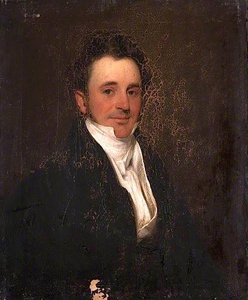
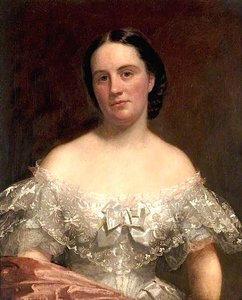
Portret John Graham-Gilbert

100 najsłynniejszych obrazów artysty John Graham-Gilbert – wybór z galerii

Aktualizacja: Listopad 2026 · ranking według naszego wskaźnika popularności (liczba wyszukiwań, wizyt i zamówień dla każdego dzieła) · 140 dzieł John Graham-Gilbert w naszym katalogu

W skrócie

Z wszystkich oryginałów pozostawionych przez John Graham-Gilbert, najsłynniejszym jest James Watt (1736–1819) (1819). Tuż za nimi znajdują się Professor George Jardine (1742–1827) (after Henry Raeburn) (1827) oraz John T. Alston (1780–1857), Provost of Glasgow (1820–1821) (1832). Nasz katalog zawiera 140 dzieł autorstwa John Graham-Gilbert; galeria zachowała 100 najbardziej podziwianych na świecie prac, z których każda została przedstawiona wraz z datą powstania, informacją o muzeum oraz jej historią.

1794 – 1866, Glasgow Neoclassicism Najwięcej dzieł: The Dick Institute

10 najlepszych obrazów artysty John Graham-Gilbert: wybór galerii

1
James Watt (1736–1819) (1819) autorstwa John Graham-Gilbert

James Watt (1736–1819)

1819 · Oil On Canvas

A single light source strikes the brow of James Watt, casting the rest of the world into a heavy, velvet darkness. He sits in a quiet stillness, his gaze fixed forward as if looking through the viewer toward a horizon of steam and iron. The white of his hair catches the light, a stark contrast against the deep shadows that define the contours of his face. There is a gravity…

2
Professor George Jardine (1742–1827) (after Henry Raeburn) (1827) autorstwa John Graham-Gilbert

Professor George Jardine (1742–1827) (after Henry Raeburn)

1827 · Oil On Canvas

The shadows cling to the edges of the frame, leaving only the face and upper torso of Professor George Jardine to emerge from the darkness. He gazes directly at us, his expression heavy with a quiet, intellectual authority that seems to command the very air around him. There is a stillness here, a moment frozen in 1827, where the weight of a lifetime of thought is etched into the lines…

3
John T. Alston (1780–1857), Provost of Glasgow (1820–1821) (1832) autorstwa John Graham-Gilbert

John T. Alston (1780–1857), Provost of Glasgow (1820–1821)

1832 · Oil On Canvas

The portrait presents a formal study of John Thomas Alston, a man whose posture and expression command the space of the canvas. He is depicted in a moment of quiet gravity, his presence defined by the heavy, dark tones of his attire and the deliberate arrangement of his hands. The lighting is directional, carving his features out of a deep, shadowed background and emphasizing the textures of his skin and…

4
Mrs Hugh Robertson of Gartloch (1798–1846) (1841) autorstwa John Graham-Gilbert

Mrs Hugh Robertson of Gartloch (1798–1846)

1841 · Oil On Canvas

The portrait depicts a woman seated in profile against a dark, indistinct background. She is positioned centrally, her form creating a pyramidal structure that directs the eye toward her head. The subject wears a burgundy velvet dress, the texture of which is rendered through meticulous brushwork that suggests the weight and softness of the fabric. A lace detail adorns the neckline, and a red feathered hat rests upon her head.…

5
Professor James Adair Lawrie; (1801-1859) (1855) autorstwa John Graham-Gilbert

Professor James Adair Lawrie; (1801-1859)

1855 · Oil On Canvas · The Hunterian Museum and Art Gallery, Glasgow

In this 1855 oil portrait, we encounter Professor James Adair Lawrie, a man whose presence commands a quiet, somber authority. He is presented in a three-quarter length view, seated with an upright posture that suggests a lifetime of academic discipline. The composition is intimate, placing the viewer at eye-level with the subject, creating a direct connection that feels almost private. There is a profound sense of weight to the figure,…

6
Mrs Agnes D'Arcy Jarvie (1866) autorstwa John Graham-Gilbert

Mrs Agnes D'Arcy Jarvie

1866 · Oil On Canvas

This portrait, titled Mrs Agnes D'Arcy Jarvie, was painted by John Graham Gilbert in 1866. The subject is depicted from the chest up in a seated position. She is positioned in the center of the frame, gazing directly at the viewer. The composition focuses on her face and upper body, set against a blurred background that suggests an interior environment.

Kontynuacja zestawienia John Graham-Gilbert, od 11 do 100

11Self Portrait (copy of Joshua Reynolds) (1819) autorstwa John Graham-GilbertSelf Portrait (copy of Joshua Reynolds)1819 12James Irvine (1826) autorstwa John Graham-GilbertJames Irvine1826 13An Italian Nobleman (1830) autorstwa John Graham-GilbertAn Italian Nobleman1830 14James Dennistoun, Esq., of Golfhill (1829) autorstwa John Graham-GilbertJames Dennistoun, Esq., of Golfhill1829 15Joseph Hume, Political Economist (1823) autorstwa John Graham-GilbertJoseph Hume, Political Economist1823 16James Irvine (d.1831) (1826) autorstwa John Graham-GilbertJames Irvine (d.1831)1826 17William Murdoch (1754–1839) (1827) autorstwa John Graham-GilbertWilliam Murdoch (1754–1839)1827 · Birmingham Museum and Art Gallery 18William Dale (1794–1827) (1825) autorstwa John Graham-GilbertWilliam Dale (1794–1827)1825 19A Tyrolese Hunter (1826) autorstwa John Graham-GilbertA Tyrolese Hunter1826 20Joseph Hume (1777–1855), Political Economist (1823) autorstwa John Graham-GilbertJoseph Hume (1777–1855), Political Economist1823 · Scottish National Portrait Gallery 21William Richardson (1743–1814), Professor of Humanity at the University of Glasgow (1773–1815) (1827) autorstwa John Graham-GilbertWilliam Richardson (1743–1814), Professor of Humanity at the University of Glasgow (1773–1815)1827 22An Italian Nobleman (1830) autorstwa John Graham-GilbertAn Italian Nobleman1830 · Royal Scottish Academy of Art - Architecture 23Saint Sebastian (1826) autorstwa John Graham-GilbertSaint Sebastian1826 24James Dennistoun, Esq., of Golfhill (1758–1835) (1829) autorstwa John Graham-GilbertJames Dennistoun, Esq., of Golfhill (1758–1835)1829 25Sir Walter Scott (1771–1832), Bt, FRSE (1829) autorstwa John Graham-GilbertSir Walter Scott (1771–1832), Bt, FRSE1829 · The Royal Society of Edinburgh 26Figure of a Lady (after Jacopo Palma il vecchio) (1825) autorstwa John Graham-GilbertFigure of a Lady (after Jacopo Palma il vecchio)1825 27The Martyrdom of Saint Justina (after Paolo Veronese) (1825) autorstwa John Graham-GilbertThe Martyrdom of Saint Justina (after Paolo Veronese)1825 28Reverend Stevenson MacGill (1765–1840), Professor of Divinity at the University of Glasgow (1834) autorstwa John Graham-GilbertReverend Stevenson MacGill (1765–1840), Professor of Divinity at the University of Glasgow1834 29James Hopkirk of Dalbeth (1835) autorstwa John Graham-GilbertJames Hopkirk of Dalbeth1835 30Thomas Graham (1805–1869), FRS (1837) autorstwa John Graham-GilbertThomas Graham (1805–1869), FRS1837 31Duncan MacFarlan (1771–1857), Principal of the University of Glasgow (1823–1857) (1839) autorstwa John Graham-GilbertDuncan MacFarlan (1771–1857), Principal of the University of Glasgow (1823–1857)1839 32John Gibson (1847) autorstwa John Graham-GilbertJohn Gibson1847 · Scottish National Gallery 33John Burns, Professor of Surgery at the University of Glasgow (1848) autorstwa John Graham-GilbertJohn Burns, Professor of Surgery at the University of Glasgow1848 34Lord Kelvin William Thomson, at the Age of 22 (1846) autorstwa John Graham-GilbertLord Kelvin William Thomson, at the Age of 221846 35John Burns (1775–1850), Professor of Surgery at the University of Glasgow (1815–1850) (1848) autorstwa John Graham-GilbertJohn Burns (1775–1850), Professor of Surgery at the University of Glasgow (1815–1850)1848 36John Gibson (1790–1866), RA (1848) autorstwa John Graham-GilbertJohn Gibson (1790–1866), RA1848 37Portrait of an Unknown Sitter with a Book (1846) autorstwa John Graham-GilbertPortrait of an Unknown Sitter with a Book1846 · The Dick Institute 38Georgina Smith (1846) autorstwa John Graham-GilbertGeorgina Smith1846 · Stirling Smith Art Gallery And Museum 39Georgina Smith (1846) autorstwa John Graham-GilbertGeorgina Smith1846 · The Stirling Smith Art Gallery - Museum 40Lord Kelvin William Thomson (1824–1907), at the Age of 22 (1846) autorstwa John Graham-GilbertLord Kelvin William Thomson (1824–1907), at the Age of 221846 41Portrait of a Man (formerly designated as Andreas Vesalius) (after a Venetian artist) (1840) autorstwa John Graham-GilbertPortrait of a Man (formerly designated as Andreas Vesalius) (after a Venetian artist)1840 42Mrs James Scott of Kelly (1850) autorstwa John Graham-GilbertMrs James Scott of Kelly1850 43The Holy Family (1850) autorstwa John Graham-GilbertThe Holy Family1850 · Baddesley Clinton 44Mrs James Scott of Kelly (1850) autorstwa John Graham-GilbertMrs James Scott of Kelly1850 45Thomas Thomson (1773–1852) (1850) autorstwa John Graham-GilbertThomas Thomson (1773–1852)1850 46William Fleming (d.1866), Professor of Oriental Languages (1831–1839) and Professor of Moral Philosophy (1839–1866) at the University of Glasgow (1854) autorstwa John Graham-GilbertWilliam Fleming (d.1866), Professor of Oriental Languages (1831–1839) and Professor of Moral Philosophy (1839–1866) at the University of Glasgow1854 47Sir John Watson Gordon (1788–1864), Artist (1854) autorstwa John Graham-GilbertSir John Watson Gordon (1788–1864), Artist1854 · Scottish National Portrait Gallery 48The First Born (1853) autorstwa John Graham-GilbertThe First Born1853 49Mrs John Jarvie (1859) autorstwa John Graham-GilbertMrs John Jarvie1859 50James Buchanan (1860) autorstwa John Graham-GilbertJames Buchanan1860 · Nhs Lothian 51Going to Market (1860) autorstwa John Graham-GilbertGoing to Market1860 52Crossing the Ford (1859) autorstwa John Graham-GilbertCrossing the Ford1859 53Alexander Hill (1786–1867), Professor of Divinity at the University of Glasgow (1840–1862) (1864) autorstwa John Graham-GilbertAlexander Hill (1786–1867), Professor of Divinity at the University of Glasgow (1840–1862)1864 54William Weir (1794–1876), President of the Faculty of Physicians and Surgeons of Glasgow (1847–1849) (1865) autorstwa John Graham-GilbertWilliam Weir (1794–1876), President of the Faculty of Physicians and Surgeons of Glasgow (1847–1849)1865 55The Bandit’s Bride (1866) autorstwa John Graham-GilbertThe Bandit’s Bride1866 · Royal Scottish Academy of Art - Architecture 56The Beggar Maid autorstwa John Graham-GilbertThe Beggar Maid 57Ideal Portrait autorstwa John Graham-GilbertIdeal Portrait 58A Lady (after Henry Raeburn) autorstwa John Graham-GilbertA Lady (after Henry Raeburn) 59Bailie David Mitchell, OBE autorstwa John Graham-GilbertBailie David Mitchell, OBE 60Charles Lawson of Borthwick Hall (d.1874), Lord Provost of Edinburgh (1862–1865) autorstwa John Graham-GilbertCharles Lawson of Borthwick Hall (d.1874), Lord Provost of Edinburgh (1862–1865) 61Archibald William Montgomerie (1812–1861), 13th Earl of Eglinton autorstwa John Graham-GilbertArchibald William Montgomerie (1812–1861), 13th Earl of Eglinton 62Ann Margaret Forbes Leslie, Wife of Alexander Forbes Irvine, 20th Laird of Drum autorstwa John Graham-GilbertAnn Margaret Forbes Leslie, Wife of Alexander Forbes Irvine, 20th Laird of Drum 63Professor James Thomson (1786–1849), Professor of Mathematics at the University of Glasgow (1832–1849) autorstwa John Graham-GilbertProfessor James Thomson (1786–1849), Professor of Mathematics at the University of Glasgow (1832–1849)The Hunterian Museum and Art Gallery 64James Dennistoun, Esq. of Golfhill (1758–1835) autorstwa John Graham-GilbertJames Dennistoun, Esq. of Golfhill (1758–1835) 65The Young Seamstress autorstwa John Graham-GilbertThe Young Seamstress 66Dr William Hunter (1718–1783) (after Joshua Reynolds) autorstwa John Graham-GilbertDr William Hunter (1718–1783) (after Joshua Reynolds) 67Old Woman Reading (after Rembrandt van Rijn) autorstwa John Graham-GilbertOld Woman Reading (after Rembrandt van Rijn) 68Head of an Old Woman with a Cap, in Profile to the Right autorstwa John Graham-GilbertHead of an Old Woman with a Cap, in Profile to the Right 69Madonna della scodella (after Correggio) (1825) autorstwa John Graham-GilbertMadonna della scodella (after Correggio)1825 70Madonna with Saint Jerome (after Correggio) (1825) autorstwa John Graham-GilbertMadonna with Saint Jerome (after Correggio)1825 71Humphrey E. Maclae of Cathkin autorstwa John Graham-GilbertHumphrey E. Maclae of Cathkin 72Mungo Campbell autorstwa John Graham-GilbertMungo Campbell 73Elizabeth Buchanan autorstwa John Graham-GilbertElizabeth Buchanan 74Mrs Isabella C. Campbell autorstwa John Graham-GilbertMrs Isabella C. Campbell 75Girls at a Stream autorstwa John Graham-GilbertGirls at a Stream 76Italian Gentleman autorstwa John Graham-GilbertItalian Gentleman 77Self Portrait autorstwa John Graham-GilbertSelf PortraitRoyal Scottish Academy of Art - Architecture 78A Grecian Girl autorstwa John Graham-GilbertA Grecian Girl 79Study of a Female Figure autorstwa John Graham-GilbertStudy of a Female Figure 80Mrs James Buchanan autorstwa John Graham-GilbertMrs James BuchananNhs Lothian 81James Hamilton autorstwa John Graham-GilbertJames Hamilton 82Reverend John Burns (1744–1839), Minister of the Barony Church, Glasgow (1774–1839) autorstwa John Graham-GilbertReverend John Burns (1744–1839), Minister of the Barony Church, Glasgow (1774–1839) 83A Lady Sketching autorstwa John Graham-GilbertA Lady Sketching 84Portrait of Lady autorstwa John Graham-GilbertPortrait of LadyThe Dick Institute 85Female Portrait autorstwa John Graham-GilbertFemale Portrait 86Female Portrait autorstwa John Graham-GilbertFemale Portrait 87Italian Woman autorstwa John Graham-GilbertItalian Woman 88James Buchanan of Dowanhill (1756–1844) autorstwa John Graham-GilbertJames Buchanan of Dowanhill (1756–1844) 89Jane Buchanan autorstwa John Graham-GilbertJane BuchananThe Dick Institute 90William Murdock (1754–1839) autorstwa John Graham-GilbertWilliam Murdock (1754–1839)The Royal Society of Edinburgh 91Adam Black autorstwa John Graham-GilbertAdam BlackThe Merchant's Hall 92Italian Girl autorstwa John Graham-GilbertItalian Girl 93Andrew Stevenson Dalglish (1793–1858) autorstwa John Graham-GilbertAndrew Stevenson Dalglish (1793–1858) 94Humphrey E. Maclae of Cathkin (1773–1860) autorstwa John Graham-GilbertHumphrey E. Maclae of Cathkin (1773–1860) 95Contemplation autorstwa John Graham-GilbertContemplation 96Mungo Campbell autorstwa John Graham-GilbertMungo Campbell 97Portrait of a Man autorstwa John Graham-GilbertPortrait of a ManThe Dick Institute 98Elizabeth Buchanan autorstwa John Graham-GilbertElizabeth BuchananThe Dick Institute 99Figure Study autorstwa John Graham-GilbertFigure Study 100A Grecian Girl autorstwa John Graham-GilbertA Grecian Girl

Tematy, które przyciągnęły wzrok John Graham-Gilbert

Cztery motywy najczęściej powracające w tych oryginałach, z których każdy doczekał się swojego najdoskonalszego przykładu.

Muzea przechowujące oryginały John Graham-Gilbert

8 muzeów, w których znajduje się najwięcej obrazów z tej strony.

Muzea Miasto Dzieła artysty John Graham-Gilbert Obrazy z tej listy
The Dick Institute, KilmarnockThe Dick Institute Kilmarnock 5 Portrait of an Unknown Sitter with a Book, Portrait of Lady, Jane Buchanan
The Hunterian Museum and Art Gallery, GlasgowThe Hunterian Museum and Art Gallery Glasgow 3 Professor James Adair Lawrie; (1801-1859), Self Portrait, Professor James Thomson (1786–1849), Professor of Mathematics at the University of Glasgow (1832–1849)
Royal Scottish Academy of Art - Architecture, EdynburgRoyal Scottish Academy of Art - Architecture Edynburg 3 An Italian Nobleman, The Bandit’s Bride, Self Portrait
Scottish National Portrait Gallery, EdynburgScottish National Portrait Gallery Edynburg 2 Joseph Hume (1777–1855), Political Economist, Sir John Watson Gordon (1788–1864), Artist
The Royal Society of Edinburgh, EdinburghThe Royal Society of Edinburgh Edinburgh 2 Sir Walter Scott (1771–1832), Bt, FRSE, William Murdock (1754–1839)
Nhs Lothian, EdinburghNhs Lothian Edinburgh 2 James Buchanan, Mrs James Buchanan
Birmingham Museum and Art Gallery, BirminghamBirmingham Museum and Art Gallery Birmingham 1 William Murdoch (1754–1839)
Scottish National Gallery, EdynburgScottish National Gallery Edynburg 1 John Gibson

John Graham-Gilbert dekada po dekadzie: oryginały definiujące każdy okres

Dzieła według dekad

Wybierz dekadę, aby zobaczyć dzieło, które ją definiuje.

Pytania kolekcjonerów o obrazy John Graham-Gilbert

Z jakiego dzieła najbardziej znany jest John Graham-Gilbert?Odkryj odpowiedź

James Watt (1736–1819) (1819). Następne są Professor George Jardine (1742–1827) (after Henry Raeburn) (1827) oraz John T. Alston (1780–1857), Provost of Glasgow (1820–1821) (1832).

W jakim wieku był John Graham-Gilbert, gdy powstało James Watt (1736–1819)?Odkryj odpowiedź

25 lat: James Watt (1736–1819) pochodzi z 1819, a John Graham-Gilbert urodził(a) się w 1794.

Jakie są dziesięć najsłynniejszych obrazów, których autorem jest John Graham-Gilbert?Odkryj odpowiedź

James Watt (1736–1819), Professor George Jardine (1742–1827) (after Henry Raeburn), John T. Alston (1780–1857), Provost of Glasgow (1820–1821), Mrs Hugh Robertson of Gartloch (1798–1846), Professor James Adair Lawrie; (1801-1859), Mrs Agnes D'Arcy Jarvie, Meditation, Isabella Ewing, Mrs Smith of Jordanhill, James Watt i Self Portrait. Powyższy ranking zawiera rok powstania oraz muzeum dla każdego z nich.

Ile obrazów pozostawił po sobie John Graham-Gilbert?Odkryj odpowiedź

Nasz katalog zawiera 140 dzieł artysty John Graham-Gilbert, datowanych od 1810 do 1866.

W których muzeach znajdują się arcydzieła John Graham-Gilbert?Odkryj odpowiedź

W większości znajdują się w The Dick Institute (Kilmarnock), The Hunterian Museum and Art Gallery (Glasgow) i Royal Scottish Academy of Art - Architecture (Edynburg). Powyższa tabela muzeów zawiera ich pełną listę.

W których latach John Graham-Gilbert namalował swoje najsłynniejsze dzieła?Odkryj odpowiedź

W 1820s: 18 z 100 dzieł na tej stronie powstało w tym czasie, w tym Professor George Jardine (1742–1827) (after Henry Raeburn).

Jakie są pierwsze i ostatnie słynne oryginały John Graham-Gilbert?Odkryj odpowiedź

Na tej stronie najwcześniejszy to Isabella Ewing, Mrs Smith of Jordanhill (1810), a najpóźniejszy Mrs Agnes D'Arcy Jarvie (1866).

Jakie tematy John Graham-Gilbert wybierał najczęściej?Odkryj odpowiedź

Portrait (13), Victorian era (10) i Formal (6), w ramach 100 dzieł na tej stronie.

Której techniki John Graham-Gilbert używał najczęściej?Odkryj odpowiedź

Oil On Canvas, dla 6 z 100 dzieł na tej stronie.

Do jakiego nurtu artystycznego należy John Graham-Gilbert?Odkryj odpowiedź

Neoclassicism, sądząc po oryginałach na tej stronie.

Które dzieła John Graham-Gilbert znajdują się w The Dick Institute?Odkryj odpowiedź

Portrait of an Unknown Sitter with a Book, Portrait of Lady i Jane Buchanan: The Dick Institute, Kilmarnock posiada 5 dzieł widocznych na tej stronie.

John Graham-Gilbert: życie i twórczość

John Graham-Gilbert: Weneckie echo w szkockich Highlandsach

John Graham-Gilbert (1794 – 4 czerwca 1866) jawi się jako niezwykle fascynująca postać brytyjskiej sztuki epoki wiktoriańskiej, malarz, którego kariera rozpościerała się na wielu kontynentach, a styl ujawnia zachwycającą mieszankę wpływów. Urodzony w Glasgow, w Szkocji, w rodzinie głęboko zakorzenionej w świecie handlu – jego ojciec był prominentnym kupcem z Indii Zachodnich – Graham-Gilbert początkowo podążał ścieżką księgowości, zanim odkrył swoje prawdziwe powołanie: urzekający świat malarstwa. Ta zmiana nie była jedynie zmianą profesji; stanowiła świadyste odrzucenie oczekiwań rodzinnych i przyjęcie ekspresji artystycznej, decyzję, która ostatecznie ukształtowała zarówno jego życie, jak i dziedzictwo. Jego wczesne szkolenie było dość niekonwencjonalne, naznaczone podróżą do Londynu w 1818 roku, gdzie uzyskał przyjęcie do Royal Academy, co stanowiło kluczowy krok w stronę ugruntowania swojej pozycji w uznanym świecie sztuki. To właśnie w tym okresie zaczął rozwijać swój charakterystyczny styl, cechujący się niezwykłą wrażliwością na światło i cień, co jest szczególnie widoczne w jego portretach i scenach rodzajowych.

Weneckie wpływy: Correggio i mistrzowie

Artystyczna podróż Graham-Gilberta nabrała przełomowego tempa wraz z pobytem we Włoszech w latach 20. XIX wieku. To zanurzenie w sercu renesansu okazało się transformujące, głęboko wpływając na jego technikę i wrażliwość estetyczną. Artysta szczególnie zakochał się w dziełach Correggia, którego mistrzowskie wykorzystanie chiaroscuro – dramatycznej gry światła i mroku – głęboko w nim zarezonowało. Skrupulatnie studiował kompozycydje Correggia, nie tylko je kopiując, ale przyswajając zasady perspektywy atmosferycznej, delikatnego modelunku oraz głębokiego zrozumienia ludzkich emocji. Ta fascynacja twórczością Correggia jest wyraźnie dostrzegalna w wielu jego późniejszych pracach, zwłaszcza w portretach, gdzie po mistrzowsku stosuje subtelne gradacje tonów, by stworzyć iluzję głębi i trójwymiarowości. Poza Correggiem, Graham-Gilbert czerpał inspirację z innych weneckich mistrzów, takich jak Palma Vecchio czy Gaspard Dughet, włączając ich techniki świetlistego koloru i dynamicznego pociągnięcia pędzla do własnej praktyki. Jego obrazy często przywołują atmosferę Wenecji – jej kanały, światło i tętniące życiem społeczne oblicze – co sugeruje głęboki podziw dla artystycznego dziedzictwa tego miasta.

Portrety i sceny rodzajowe: Uchwycenie życia w epoce wiktoriańskiej

Graham-Gilbert koncentrował się przede wszystkim na dwóch gatunkach: portrecie i scenach rodzajowych. Jego portrety nie były jedynie prostymi podobiznami; ich celem było uchwycenie osobowości, charakteru oraz statusu społecznego modelowanych postaci. Posiadał niezwykłą zdolność przedstawiania jednostek z wrażliwością i wnikliwością, ukazując ich wewnętrzne życie poprzez subtelne gesty, ekspresję i uważnie zaobserwowane detale. Jego portrety wiktoriańskiego społeczeństwa – przemysłowców, kupców, akademików i przedstawicieli arystokracji – są uważane za wyjątkowo doskonałe przykłady konwencji artystycznych epoki, a jednak posiadają one wyraźnie ludzki pierwiastek. Równolegle z portretowaniem, Graham-Gilbert tworzył liczne sceny rodzajowe przedstawiające codzienne życie w Szkocji i Anglii. Prace te oferują wgląd w domową rutynę, interakcje społeczne i rozrywki okresu wiktoriańskiego, często przesycone łagodnym humorem i trafną świadomością niuansów ludzkiego zachowania. „Narzeczona bandyty”, jedno z jego najsławniejszych dzieł, stanowi doskonały przykład tej umiejętności – to urzekający opis tajemniczej kobiety w malowniczym krajobrazie, prezentujący jego biegłość w operowaniu światłem, kolorem i kompozycją.

Technika i styl: Delikatna równowaga

Styl artystyczny Graham-Gilberta można określić mianem delikatnej równowagi między obserwacją a wyobraźnią. Był on skrupulatnym obserwatorem otaczającego go świata, pieczołowicie studiując anatomię, perspektywę i efekty świetlne. Posiadał jednak także silne poczucie artystycznej swobody, stosując techniki takie jak sfumato – subtelne rozmycie konturów – aby stworzyć atmosferę tajemnicy i niejednoznaczności. Jego sposób prowadzenia pędzla jest zazwyczaj gładki i wyrafinowany, a jednak zachowuje pewną spontaniczność i witalność. Był szczególnie biegły w oddawaniu tkanin i tekstur, nadając swoim obrazom niezwykłe poczucie realizmu. Wpływ Correggia jest najbardziej widoczny w zastosowaniu chiaroscuro, którego używał do tworzenia dramatycznych kontrastów światła i cienia, dodając kompozycjom głębi oraz emocjonalnego natężenia.

Dziedzictwo i wpływ

Wkład Johna Graham-Gilberta w sztukę wiktoriańską objawia się nie tylko w jakości jego indywidualnych dzieł, ale także w roli sprawnego interpretatora weneckich tradycji artystycznych. Pomógł on wprowadzić styl Correggia brytyjskiej publiczności, inspirując pokolenie artystów dążących do naśladowania jego mistrzostwa w operowaniu światłem i kolorem. Jego malarstwo nieustannie budzi podziw swoją pięknem, wrażliwością i technicznym kunsztem. Jego prace znajdują się obecnie w takich kolekcjach jak Glasgow Kelvingrove Art Gallery and Museum, co stanowi świadectwo jego trwałej wartości artystycznej. Choć może nie być tak szeroko celebrowany jak niektórzy z jego współczesnych, John Graham-Gilbert pozostaje znaczącą postacią w historii sztuki szkockiej – malarzem, który z sukcesem połączył północną tradycję z ideałami włoskiego renesansu.