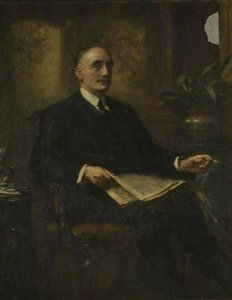
Henrietta Rae: portret artysty
A Victorian Visionary: The Life and Art of Henrietta Rae
Henrietta Emma Ratcliffe Rae, a name often whispered with a touch of reverence – a testament to an artist who defied the constraints of her time and carved out a remarkable space for herself within the male-dominated world of 19th-century art. Born in London on December 30, 1859, into a family steeped in artistic heritage—her father, James Ward, was a celebrated animal painter, and her mother descended from a lineage of accomplished sculptors—Rae’s journey was one shaped by both privilege and profound challenges for a woman seeking recognition as an artist. Initially guided towards musical training, intended to secure a stable future, she soon discovered that her true passion lay not in the concert hall but within the realm of visual expression – a decision fueled by unwavering determination and a deep-seated artistic spirit. This shift wasn’t merely a change of course; it was a declaration of selfhood, a bold assertion of her identity that would ultimately define her career and contribute to broader shifts within the evolving landscape of art. Her early education at Queen Square School (later transformed into the prestigious Royal Female School of Art) and Heatherley's School of Art provided foundational skills, yet it was her relentless pursuit of admission to the esteemed Royal Academy Schools – a process requiring multiple applications before finally succeeding in 1877 – that truly signaled her commitment and set the stage for her artistic ambitions. There, under the tutelage of luminaries such as Sir Lawrence Alma-Tadema, Frank Dicksee, and William Powell Frith, she honed her technique, absorbing their mastery while simultaneously forging a distinctive artistic voice—one characterized by a profound sensitivity to light, color, and narrative.
Classical Echoes and Literary Inspirations
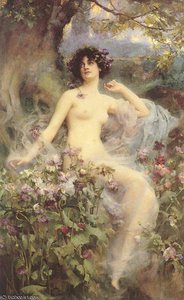
Rae’s artistic focus consistently gravitated towards classical subjects, allegorical scenes, and evocative literary narratives – a deliberate choice that allowed her to explore themes of mythology, romance, and the complexities of human emotion with both technical precision and symbolic depth. Her canvases weren't simply representations; they were carefully constructed dialogues between the past and the present, imbued with layers of meaning and emotional resonance. Consider *Elaine Guarding the Shield of Lancelot* (1885), a painting deeply rooted in Tennyson’s poignant poem. The image captures a moment of quiet devotion and anticipation—a young woman shielding her beloved from danger, embodying courage and vulnerability simultaneously. Similarly, *The Lady with the Lamp* (1891) stands as perhaps her most enduring achievement – an iconic portrayal of Florence Nightingale at Scutari that transcended its immediate subject matter to become a powerful symbol of compassion, dedication, and the vital role women played in nursing during the Crimean War. The painting’s meticulous detail, combined with Nightingale's serene expression, speaks volumes about the artist’s ability to capture not just likeness but also essence—a testament to her profound understanding of human psychology. Beyond these specific works, Rae’s oeuvre is replete with other compelling narratives: *Eurydice Sinking Back to Hades* (1886), inspired by Greek mythology, and *Psyche at the Throne of Venus* (1894), a monumental composition drawing upon William Morris's poetry, demonstrate her mastery of composition, color palettes, and storytelling. These paintings weren’t merely decorative; they were carefully crafted explorations of timeless themes—love, loss, faith, and the enduring power of the human spirit.
Breaking Barriers and Achieving Recognition
The path to artistic recognition for Henrietta Rae was undeniably fraught with obstacles – a reflection of the systemic biases that confronted women artists during the Victorian era. The prevailing societal attitudes often relegated female artists to the margins, limiting their access to formal training, professional opportunities, and critical acclaim. Despite these challenges, Rae demonstrated remarkable resilience and determination, navigating the art world’s complexities with grace and unwavering resolve. Initially steered towards musical pursuits—a pragmatic choice intended to ensure financial stability—she soon realized that her true calling lay in the visual arts. Her early education at Queen Square School and Heatherley's School of Art provided a foundation, but securing admission to the prestigious Royal Academy Schools – an endeavor requiring multiple applications before finally succeeding in 1877 – was a pivotal moment, signifying her commitment to pursuing her artistic ambitions with unwavering dedication. The Royal Academy, traditionally dominated by men, presented a formidable barrier, yet Rae’s persistence ultimately paid off, allowing her to study under some of the era's most influential artists and develop her unique style. Her consistent exhibition at the Royal Academy from 1881 until 1919 established her as a respected presence within the art community, while participation in exhibitions at the Grosvenor Gallery and international expositions broadened her reach and garnered critical attention. A particularly significant milestone arrived in 1896 when she was elected an associate member of the Royal Academy – a remarkable achievement for a woman artist at that time, signifying recognition from one of the most prestigious artistic institutions in Britain.
Major Achievements and Lasting Influence
Henrietta Rae’s career was marked by numerous accomplishments that solidified her place as a significant figure in Victorian art. Her election to associate membership of the Royal Academy in 1896 was a watershed moment, demonstrating a shift towards greater inclusivity within the artistic establishment. She continued to exhibit her work with distinction throughout her life, garnering critical acclaim and establishing herself as a respected artist both domestically and internationally. Notably, she received an honorable mention at the Paris Exposition Universelle in 1893 for *Eurydice Sinking Back to Hades*, and a gold medal at the Chicago World’s Fair for the same painting – demonstrating the international recognition of her talent. In 1900, she fulfilled a prestigious civic commission by creating a large wall painting for the London Royal Exchange: *Sir Richard Whittington Dispensing His Charities*—a testament to her versatility and ability to tackle ambitious projects. Beyond her artistic achievements, Rae was also an active advocate for women’s rights, particularly within the art world, supporting fellow female artists and challenging societal norms that limited their opportunities. Her involvement in organizing exhibitions showcasing women's work and her outspokenness on issues of gender equality contributed significantly to a broader movement towards greater recognition and representation for women in the arts.
A Legacy of Beauty and Determination
Henrietta Rae’s legacy extends far beyond the beauty of her paintings; it encompasses her unwavering determination, her pioneering spirit, and her profound impact on the art world. Her ability to seamlessly blend classical training with a distinctive artistic vision resulted in works that continue to captivate audiences with their technical brilliance, emotional depth, and historical significance. *The Lady with the Lamp* remains an enduring symbol of compassion and dedication—a testament to Rae’s ability to capture not just likeness but also essence. Her story serves as an inspiring reminder of the power of perseverance, the importance of challenging convention, and the lasting impact that one individual can have on the course of art history. She died in Upper Norwood in 1928, leaving behind a body of work that continues to be celebrated for its beauty, skill, and profound humanism.