Portret Giovanni Ponti

Obrazy: 5 najsłynniejszych dzieł artysty Giovanni Ponti – spojrzenie galerii

Aktualizacja: Listopad 2026 · ranking według naszego wskaźnika popularności (liczba wyszukiwań, wizyt i zamówień dla każdego dzieła) · 5 dzieł Giovanni Ponti w naszym katalogu

W skrócie

Według opinii kuratorów galerii, najsłynniejszym obrazem Giovanni Ponti jest Dining room (1927), którego oryginał znajduje się w Zamek Sforzów w Mediolan. The Expulsion from the Garden of Eden (1930) i Standing Lamps dopełniają trio, które zna każde oko. Z 5 dzieł Giovanni Ponti w naszym katalogu, galeria prezentuje poniżej 5 najsłynniejszych prac – każda z nich jest oryginałem z podaniem roku powstania, muzeum oraz cech wyróżniających ją na tle innych.

1891 – 1979, Milan Najwięcej dzieł: Zamek Sforzów

10 najlepszych obrazów artysty Giovanni Ponti w galerii

1
Dining room (1927) autorstwa Giovanni Ponti

Dining room

1927 · Painting · Zamek Sforzów, Mediolan

To gaze upon this depiction of a dining room is not merely to observe furniture; it is to step directly into the optimistic, forward-thinking spirit of early 20th-century Italian design. Dating from 1927, this scene captures a moment when domestic life was being reimagined through the lens of modern functionality and refined aesthetics. The centerpiece, a beautifully rendered dining table crafted from rich walnut wood accented with gleaming brass end…

5
FONDAZIONE RUBELLI - (1934) autorstwa Giovanni Ponti

FONDAZIONE RUBELLI -

1934

The ciselé velvet created by Gio Ponti for Rubelli, exhibited at the XIX International Art Exhibition of La Biennale of Venice in 1934, represents the union of innovation with tradition, of modern design with the technical skills of the Venetian weavers of the Renaissance specialised in the use of metallic threads and ciselé velvets (called ‘soprarizzo’ in Venice)

Tematy, które przyciągnęły wzrok Giovanni Ponti

Cztery motywy najczęściej powracające w tych oryginałach, z których każdy doczekał się swojego najdoskonalszego przykładu.

Muzea przechowujące oryginały Giovanni Ponti

2 muzeów, w których znajduje się najwięcej obrazów z tej strony.

Muzea Miasto Dzieła artysty Giovanni Ponti Obrazy z tej listy
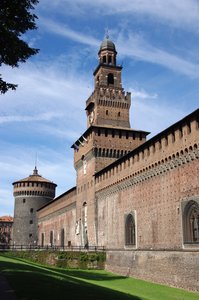
Zamek Sforzów, MediolanZamek Sforzów Mediolan 2 Dining room, The Expulsion from the Garden of Eden
Biennale Internazionale dell'Antiquariato di Firenze, FlorencjaBiennale Internazionale dell'Antiquariato di Firenze Florencja 2 Standing Lamps, cabinet

Giovanni Ponti, flagowe dzieła każdego roku

Około dziesięć lat, od 1927 do 1934, wystarczyło dla Giovanni Ponti: galeria prowadzi przez nie rok po roku, prezentując jeden słynny oryginał po drugim.

Dzieła według lat

Wybierz rok, aby zobaczyć oryginały.

Obrazy artysty Giovanni Ponti: odpowiedzi galerii

Który obraz Giovanni Ponti jest najsłynniejszy ze wszystkich?Odkryj odpowiedź

Dining room (1927), Zamek Sforzów, Mediolan. Następne są The Expulsion from the Garden of Eden (1930) oraz Standing Lamps.

Ile lat miał Giovanni Ponti, gdy ukończył Dining room?Odkryj odpowiedź

36 lat: Dining room pochodzi z 1927, a Giovanni Ponti urodził(a) się w 1891.

Ile dzieł stworzył/a Giovanni Ponti?Odkryj odpowiedź

Nasz katalog zawiera 5 dzieł artysty Giovanni Ponti, datowanych od 1927 do 1934.

Gdzie można znaleźć najsłynniejsze oryginały autorstwa Giovanni Ponti?Odkryj odpowiedź

W większości znajdują się w Zamek Sforzów (Mediolan) i Biennale Internazionale dell'Antiquariato di Firenze (Florencja). Powyższa tabela muzeów zawiera ich pełną listę.

Które z najsłynniejszych dzieł Giovanni Ponti należą do jego najwcześniejszych i najpóźniejszych prac?Odkryj odpowiedź

Na tej stronie najwcześniejszy to Dining room (1927), a najpóźniejszy FONDAZIONE RUBELLI - (1934).

Które oryginały artysty Giovanni Ponti znajdują się w zbiorach Zamek Sforzów?Odkryj odpowiedź

Dining room i The Expulsion from the Garden of Eden: Zamek Sforzów, Mediolan posiada 2 dzieł widocznych na tej stronie.

Giovanni Ponti: artysta

The Architect of Italian Living

Giovanni Ponti was far more than a single-discipline creator; he was a polymath whose influence wove through the very fabric of twentieth-century aesthetics. An architect, industrial designer, furniture designer, artist, teacher, writer, and publisher, his career spanned six decades of profound transformation. Born in Milan, Italy, Ponti emerged as a central figure in the renewal of Italian design following the Second World and War, championing an optimistic, forward-thinking spirit that reimagined domestic life through the lens of modern functionality and refined elegance.

His journey was marked by a deep commitment to the "art of living," a philosophy he promoted through his active participation in international exhibitions like the Milan Triennial and through his legendary magazine, Domus. As a teacher at the Milan Polytechnic School from 1936 to 1961, he shaped the minds of several generations of designers, ensuring that his vision of integrated beauty would endure long after his own hand had left the drafting table.

A Legacy of Form and Function

Ponti’s work was characterized by a seamless blend of structural integrity and decorative grace. His architectural contributions were monumental, ranging from the iconic Pirelli Tower in Milan to the Villa Planchart in Caracas. Yet, his genius was equally present in the intimate details of daily existence. He designed a vast array of decorative art objects and furniture that brought a sense of modern geometry to the home. One might look upon his depictions of interior spaces, such as a 1927 dining room, and see not just furniture, but a glimpse into an era where walnut wood and gleaming brass were used to capture the optimistic spirit of a new age.

His ability to bridge the gap between high architecture and industrial design is perhaps best exemplified by his contributions to iconic pieces like the Superleggera chair, produced by Cassina. His influence even extended into the realm of prestigious accolades; he was a key figure in the creation of the Compasso d'Oro, one of the world's most significant design awards, and was himself honored with the prize in 1956.

The Multifaceted Visionary

To understand Giovanni Ponti is to understand the interconnectedness of all things. His life was a continuous dialogue between different mediums:

  • Architecture: Creating landmarks like the Pirelli Tower and Palazzo Montecatini that redefined urban skylines.
  • Design: Crafting furniture and objects, such as the celebrated 'Cabinet' of the 1960s, which showcased his mastery of rich detail.
  • Publishing: Using Domus to advocate for a cohesive Italian style and to connect designers with a global audience.
  • Education: Mentoring future masters at the Milan Polytechnic, fostering a legacy of excellence in industrial design.
Through his diverse roles, Ponti remained an enthusiastic advocate for a lifestyle where beauty and utility were never in conflict, leaving behind a world more elegantly composed than the one he entered.