


1


Aktualizacja: Listopad 2026 · ranking według naszego wskaźnika popularności (liczba wyszukiwań, wizyt i zamówień dla każdego dzieła) · 21 dzieł George Engleheart w naszym katalogu
W skrócie
Major André (1775) to obraz autorstwa George Engleheart, który przyciąga najwięcej spojrzeń; oryginał znajduje się w Yale Center for British Art, New Haven. Następnie wzrok kieruje się na Portrait miniature of John Dyer Collier (1785) i Portrait of a Lady, traditionally identified as Miss Bedingfield (1782). Spośród 21 dzieł George Engleheart w naszym katalogu, tych 21 jest najbardziej znanych – każde z nich to unikatowy oryginał, przedstawiony wraz z rokiem powstania, muzeum oraz powodem, dla którego przetrwało próbę czasu.


 Portrait of a Lady called Miss Barclay1808 · Yale Center for British Art
12
 A Lady's Right Eye1810 · Nationalmuseum
13
 Portrait of a Man, Said to Be Mr. De Wolf1805 · Metropolitan Museum of Art
14Portrait of a manPalazzo Madama
15
 Mrs. Peter De Lancey (Elizabeth Colden, 1720–1784)1783 · Metropolitan Museum of Art
16
 Unknown womanNationalmuseum
17
 Okänd damNationalmuseum
18
 Portrait of a young manFinnish National Gallery
19
 Portrait of a GentlemanYale Center for British Art
20
 Portrait of naval officerPalazzo Madama
21
 Portrait of a gentlemanPalazzo Madama
Cztery motywy najczęściej powracające w tych oryginałach, z których każdy doczekał się swojego najdoskonalszego przykładu.
7 muzeów, w których znajduje się najwięcej obrazów z tej strony.
| Muzea | Miasto | Dzieła artysty George Engleheart | Obrazy z tej listy |
|---|---|---|---|
 Yale Center for British Art |
New Haven | 7 | Major André, Portrait of a Gentleman, A Lady of the Blunt Family |
 Nationalmuseum |
Stockholm | 4 | Portrait of a Lady, traditionally identified as Miss Bedingfield, A Lady's Right Eye, Unknown woman |
 Metropolitan Museum of Art |
Nowy Jork | 4 | Portrait of a Man, Colonel Woodford, Portrait of a Man, Said to Be Mr. De Wolf |
 Palazzo Madama |
Turyn | 3 | Portrait of a man, Portrait of naval officer, Portrait of a gentleman |
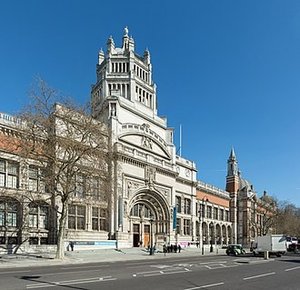 Victoria and Albert Museum |
Londyn | 1 | Portrait miniature of John Dyer Collier |
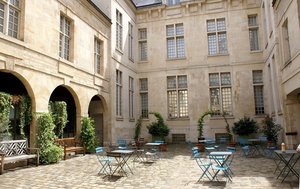 Musée Cognacq-Jay |
Paryż | 1 | Portrait of a Young Woman |
 Finnish National Gallery |
Helsinki | 1 | Portrait of a young man |
Wybierz dekadę, aby zobaczyć dzieło, które ją definiuje.
Major André (1775), Yale Center for British Art, New Haven. Następne są Portrait miniature of John Dyer Collier (1785) oraz Portrait of a Lady, traditionally identified as Miss Bedingfield (1782).
25 lat: Major André pochodzi z 1775, a George Engleheart urodził(a) się w 1750.
Major André, Portrait miniature of John Dyer Collier, Portrait of a Lady, traditionally identified as Miss Bedingfield, Portrait of a Man, Portrait of a Gentleman, A Lady of the Blunt Family, Lady Grace Burnaby, Colonel Woodford, Portrait of a Young Woman i Portrait of a Lady. Powyższy ranking zawiera rok powstania oraz muzeum dla każdego z nich.
Nasz katalog zawiera 21 dzieł artysty George Engleheart, datowanych od 1775 do 1810.
W większości znajdują się w Yale Center for British Art (New Haven), Nationalmuseum (Stockholm) i Metropolitan Museum of Art (Nowy Jork). Powyższa tabela muzeów zawiera ich pełną listę.
W 1780s: 6 z 21 dzieł na tej stronie powstało w tym czasie, w tym Portrait miniature of John Dyer Collier.
Na tej stronie najwcześniejszy to Major André (1775), a najpóźniejszy A Lady's Right Eye (1810).
Portrait (3), Man (2) i Gold frame (2), w ramach 21 dzieł na tej stronie.
Major André, Portrait of a Gentleman i A Lady of the Blunt Family: Yale Center for British Art, New Haven posiada 7 dzieł widocznych na tej stronie.
George Engleheart was an English painter of portrait miniatures who worked primarily in London throughout his career. Born in the London Borough of Richmond upon Thames, he was the son of Francis Englehart, a German plaster modeller, and Anne Dawney. After his father's death, the family name was changed to Engleheart. He entered the Royal Academy Schools in 1769, studying under George Barrett and Sir Joshua Reynolds. By 1773, he began working as an independent artist, and he regularly exhibited at the Royal Academy until 1822.
His prolific output is documented in a detailed fee book kept from 1775 to 1813, which recorded 4,853 miniatures. His technique involved painting watercolour on ivory, and his work is categorized into three distinct periods. His early works were small, often measuring between 1½ to 2 inches in height. As his style developed, he frequently painted on ivories approximately 2½ inches in height, and in his final phase, he produced larger miniatures measuring around 3 to 3½ inches.
Engleheart's personal life included two marriages. He first married Elizabeth Brown in 1776; they lived in Prince's Street, Hanover Square, before her death in 1779. He later married Ursula Sarah Browne in 1785, with whom he had four children: George, Nathaniel, Harry, and Emma. In 1813, he retired to his country house in Bedfont, Middlesex, a neo-classical villa. Following the death of his second wife in 1817, he moved to Blackheath to live with his son, Nathaniel. He died in Blackheath and was buried at St. Anne's Church, Kew.
His artistic legacy extended through his family, as his nephew, John Cox Dillman Engleheart, also became an accomplished portrait miniaturist. His professional circle included notable figures such as:

