Menu
BEZPŁATNA KONSULTACJA ARTYSTYCZNA

franklin theodore bingaman

1922 - 2007

Krótka biografia

  • Art period: Nowoczesność
  • Died: 2007
  • Museums on APS:
    • Frick Collection
    • Frick Collection
    • Frick Collection
    • Frick Collection
    • Frick Collection
  • Top 3 works:
    • Carnegie Institute with view of Stone Arch Bridge
    • Honus Wagner
  • Copyright status: Under copyright

Quiz o sztuce

Na każde pytanie istnieje tylko jedna poprawna odpowiedź.

Pytanie 1:
Q1
Pytanie 2:
Q2
Pytanie 3:
Q3

Franklin Theodore Bingaman: A Pittsburgh Pioneer of Early Photography

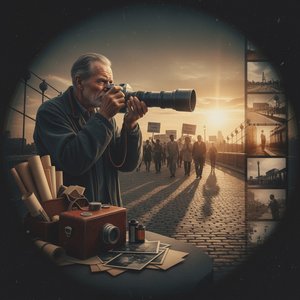
Franklin Theodore Bingaman (1922 – 2007) occupies a unique position in the history of American photography—a quiet yet profound voice amidst the burgeoning artistic fervor of Pittsburgh during the early twentieth century. Born in Greencastle, Indiana, Bingaman’s upbringing instilled within him an unwavering dedication to meticulous observation and technical precision; qualities that would become the bedrock of his lifelong pursuit of capturing fleeting moments with breathtaking accuracy. His professional journey commenced with a pivotal role as photographer for the Pittsburgh Sun-Telegraph and the Pittsburgh Photographic Library—positions which granted him unparalleled access to documenting the dynamic energy of urban life and safeguarding invaluable visual records of momentous historical events. Bingaman’s contribution wasn't merely about capturing images; it was about weaving narratives through light and shadow, a skill honed by his masterful grasp of composition and tonal manipulation. He possessed an extraordinary ability to convey emotion beyond simple representation—a hallmark of true artistic vision. Bingaman’s artistic sensibilities found their most enduring expression in portraiture, notably his unforgettable depiction of Anna Howard Shaw alongside Mrs. J.O. Miller. This photograph stands as a testament to the era's spirit: unwavering determination to champion women’s rights intertwined with an aspiration for dignified portrayal—a duality Bingaman expertly captured through nuanced lighting and thoughtful framing. Equally compelling is his portrait of Honus Wagner, baseball legend, taken in 1910. The image radiates strength and vulnerability simultaneously, reflecting the broader themes of resilience and identity that characterized the period. Bingaman’s meticulous attention to detail ensured Wagner's likeness was rendered with remarkable realism. Furthermore, Bingaman played a crucial role in preserving Pittsburgh’s architectural heritage through extensive photographic documentation—particularly focusing on Carnegie Institute with view of Stone Arch Bridge. His painstaking efforts resulted in comprehensive records of these buildings, ensuring their beauty and grandeur would endure for generations to come. This dedication to preservation underscores Bingaman's belief that art should serve as a conduit for understanding history and celebrating cultural landmarks. Bingaman’s legacy extends beyond individual artworks; he embodies the ethos of artistic integrity—a commitment to craftmanship and unwavering pursuit of excellence. He remains an inspiration to photographers striving to capture the essence of their subjects with sensitivity and skill, securing his place as a cornerstone of American photographic tradition.