


1


Aktualizacja: Listopad 2026 · ranking według naszego wskaźnika popularności (liczba wyszukiwań, wizyt i zamówień dla każdego dzieła) · 67 dzieł Floris Van Schooten w naszym katalogu
W skrócie
Kitchen Scene (1622) to obraz autorstwa Floris Van Schooten, który przyciąga najwięcej spojrzeń; oryginał znajduje się w Statens Museum for Kunst, Kopenhaga. Następnie wzrok kieruje się na Christ and the woman of Samaria at the well (1620) i A woman and a boy in a kitchen (1620). Spośród 67 dzieł Floris Van Schooten w naszym katalogu, tych 67 jest najbardziej znanych – każde z nich to unikatowy oryginał, przedstawiony wraz z rokiem powstania, muzeum oraz powodem, dla którego przetrwało próbę czasu.
 A kitchen interior with fish and utensils on a table1650
12
 A kitchen still life with a maid cleaning fish at a table and a boy holding an apple1650
13
 Laid Table1617
14Breakfast1615 · Kröller-Müller Museum
15
 Still life with cheese, herring, bread and wine1620 · National Gallery
16
 Kitchen Scene1620 · Rheinisches Landesmuseum
17
 Kitchen Utensils, Meat and Vegetables1610
18
 Still life of laid table with cheese1635 · Bawarskie Państwowe Zbiory Malarstwa
19
 Still Life with Cheese, Candlestick and Tobacco1630
20
 Still Life with smoked herring, oysters and smoker's gear1625 · Muzeum Fransa Halsa
21
 Still life with Jan Steen pitcher, salt cellar, and cheese on a laid table1629 · Het Prinsenhof
22
 Still life with grilled rib, cheese, apples and bread1630 · Het Prinsenhof
23
 Fruit Basket1634 · Statens Museum for Kunst
24
 Still life with pie on a laid table1633 · Muzeum Pałacu Króla Jana III w Wilanowie
25
 Still life of food on a table1635
26
 Still life with a Jan Steen pitcher on a laid table1625
27
 Still life of fruit, butter and cheese1630
28
 Still life of fruit with bread, butter and a silver cup1625 · Gebruder Douwes
29
 Fruit still life1645 · Kröller-Müller Museum
30
 Still life with fruit, bread and a silver chalice1642
31
 Still life of butter, cheese, bread, shrimp and biscuits1642
32
 Still life with cut of meat, butter, chestnuts, glassware and bread on a table1639
33
 Stillife with dead birds1637
34
 Copper kettles and other objects on a tabletop1650
35
 Still-life with Ham1650
36
 Still life with bread, cheese, prawns and crabs1656 · Groninger Museum
37
 Breakfast with roast meat, bread, olives and chestnuts1650
38
 Still life of a laid table with cheese1650
39
 Still life of a laid table with cheese1650
40
 Still life of fruit and ham on a laid table1650
41
 Still life of fruit in a stone niche1650
42
 Still life with cheese, chalice and spoon1650 · The National Museum in Poznań
43
 Still life with bread, meat and olives1650 · Herzog Anton Ulrich Museum
44
 Still life with fruits in Delft porcelain1650
45
 Still life with fruit1650 · Museum Voor Moderne Kunst
46
 Still life with ham and fish with unplucked poultry.1650 · Muzeum Kolekcji im. Jana Pawła II
47
 Still-life with Bread, Cheese and a cut Pie1650 · Koetser Gallery
48
 Still life of apples and grapes1650
49
 Still life of pie, cheese, bread and olives on a laid table1650 · Gallery van Diemen
50
 Still life of a laid table with cheese, meat and bread1650 · Hamburger Kunsthalle
51
 Laid table with cheese, bread, fruit and a roemer1650
52
 Still life with a ham on a laid table1650
53
 Fruit still life with silver beaker1650 · Francisque Mandet Museum
54
 Kitchen Interior1655
55
 BreakfastKrólewskie Muzeum Sztuk Pięknych Antwerpia
56
 Kitchen piece with woman cleaning a fish
57
 Kitchen Still Life
58
 Fruit Stall1630 · Zamek Królewski w Warszawie
59
 Breakfast Still Life with CheeseVon der Heydt Museum
60
 Still life of assorted fruit with two blue-and-white porcelain bowls
61
 Still life of fruit served in kraak porcelain
62
 Still life with berriesKrólewskie Muzea Sztuk Pięknych w Belgii
63
 Still life with copper pans, utensils and plums on a stone ledgeKoetser Gallery
64
 Still life with cut of beef, chalice and breadMuseum Kunstpalast
65
 Strawberries in a silver dish, cherries and white currents in a wanli bowl, with a bread roll and silver cup
66
 Still-life Of Fruit
67
 a Kitchen Still Life with pots and pans on a stone ledge and animated figures in the background
Cztery motywy najczęściej powracające w tych oryginałach, z których każdy doczekał się swojego najdoskonalszego przykładu.
8 muzeów, w których znajduje się najwięcej obrazów z tej strony.
| Muzea | Miasto | Dzieła artysty Floris Van Schooten | Obrazy z tej listy |
|---|---|---|---|
 Statens Museum for Kunst |
Kopenhaga | 4 | Kitchen Scene, Women and Children by a Fruit Seller, Stall with Fruit and Vegetables |
 Muzeum Fransa Halsa |
Haren | 2 | Kitchen scene, Still Life with smoked herring, oysters and smoker's gear |
 Kröller-Müller Museum |
Otterlo | 2 | Breakfast, Fruit still life |
 Het Prinsenhof |
Delft | 2 | Still life with Jan Steen pitcher, salt cellar, and cheese on a laid table, Still life with grilled rib, cheese, apples and bread |
| Koetser Gallery | 2 | Still-life with Bread, Cheese and a cut Pie, Still life with copper pans, utensils and plums on a stone ledge | |
 Muzeum Narodowe w Warszawie |
Warszawa | 1 | Kitchen interior with a female cook. |
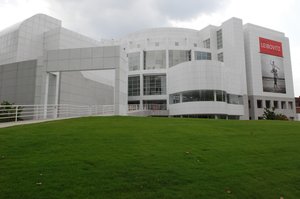 High Museum of Art |
Atlanta | 1 | Kitchen still life with two children |
 Gemäldegalerie Alte Meister |
Drezno | 1 | Young woman peeling a pear at a table with various fruits, an old man with a money bag adressing her |
Wybierz dekadę, aby zobaczyć dzieło, które ją definiuje.


Kitchen Scene (1622), Statens Museum for Kunst, Kopenhaga. Następne są Christ and the woman of Samaria at the well (1620) oraz A woman and a boy in a kitchen (1620).
42 lat: Kitchen Scene pochodzi z 1622, a Floris Van Schooten urodził(a) się w 1580.
Kitchen Scene, Christ and the woman of Samaria at the well, A woman and a boy in a kitchen, Larder Still Life with Cheese, Kitchen interior with a female cook., Women and Children by a Fruit Seller, Stall with Fruit and Vegetables, Kitchen scene, Kitchen still life with two children i Young woman peeling a pear at a table with various fruits, an old man with a money bag adressing her. Powyższy ranking zawiera rok powstania oraz muzeum dla każdego z nich.
Nasz katalog zawiera 67 dzieł artysty Floris Van Schooten, datowanych od 1610 do 1656.
W większości znajdują się w Statens Museum for Kunst (Kopenhaga), Muzeum Fransa Halsa (Haren) i Kröller-Müller Museum (Otterlo). Powyższa tabela muzeów zawiera ich pełną listę.
W 1650s: 23 z 67 dzieł na tej stronie powstało w tym czasie, w tym A kitchen interior with fish and utensils on a table.
Na tej stronie najwcześniejszy to Kitchen Utensils, Meat and Vegetables (1610), a najpóźniejszy Still life with bread, cheese, prawns and crabs (1656).
Fruits (2) i Life (2), w ramach 67 dzieł na tej stronie.
Kitchen Scene, Women and Children by a Fruit Seller i Stall with Fruit and Vegetables: Statens Museum for Kunst, Kopenhaga posiada 4 dzieł widocznych na tej stronie.
Floris Gerritsz van Schooten (ok. 1585 – 14 listopada 1656) jawi się jako postać kluczowa dla rozwoju malarstwa martwej natury w epoce Złotego Wieku Holandii. Choć często pozostawał w cieniu swoich bardziej ekstrawaganckich współczesnych, w sposób cichy, lecz niezwykle głęboki, kształtował ten gatunek, odzwierciedlając jego ewolucję i chłonąc innowacje tętniącej życiem społeczności artystycznej Haarlem. Jego dziedzictwo nie opiera się na rewolucyjnych technikach, lecz na skrupulatnej obserwacji, mistrzowskim warsztacie oraz głębokim zrozumieniu tego, jak uchwycić esencję codziennych przedmiotów – od skromnych śniadań po misternie skomponowane sceny kuchenne – przesyconych subtelnym poczuciem vanitas.
Urodzony w zamożnej katolickiej rodzinie, która w 1612 roku wyemigrowała z Amsterdamu do Haarlem w poszukiwaniu większej tolerancji religijnej, wczesne lata Florisa były przesiąknięte tradycjami jego rodu. Jego ojciec, Gerrit Jacobsz van Schooten, należał do tej wpływowej rodziny, a małżeństwo z Rycklant Bol van Zanen, córką znamienitego browarnika, zapewniło mu zarówno wysoki status społeczny, jak i bezpośrednie powiązania z ekonomicznym sercem Haarlem. To pochodzenie subtelnie wpłynęło na tematykę jego dzieł – często przedstawiał on obfitość stołu, co stanowiło odzwierciedlenie bogactwa i pomyślności tamtej epoki.
Artystyczna droga Van Schootena rozpoczęła się w murach cechu św. Łucjana w Haarlem, instytucji kluczowej dla kształcenia i regulacji pracy artystów. Szybko awansował w jego szeregach, stając się w 1639 roku dekanem, co dowodziło jego szacunku oraz eksperckiej wiedzy w lokalnym świecie sztuki. Jego kariera trwała kilka dekad, podczas których stworzył imponujące dzieło szacowane na około 120 prac – co stanowi świadectwo jego nieustannej pracowitości i oddania sztuce. Co zdumiewające, znany jest tylko jeden w pełni podpisany obraz: śniadaniowa martwa natura, znajdująca się obecnie w Muzeum Von der Heydt w Wupperserlu w Niemczech, oferująca rzadki wgląd w autentyczne intencje artysty.
Artystyczna droga Floris Van Schooten była nierozerwalnie związana z tętniącą życiem sceną martwej natury w Haarlem. Artysta chłonął techniki i wrażliwość swoich współczesnych, czerpiąc szczególną inspirację z mistrzowskich dzieł Florisa van Dycka, Pietera Claesz oraz Roelofa Koetsa – postaci tak znaczących w strukturach cechu. Twórczość tych artystów wywarła na nim głęboki wpływ, kształtując jego podejście do kompozycji, dobór palety barw oraz sposób oddawania tekstur. Co szczególnie istotne, Van Schooten odzwierciedlał innowacje zachodzące w ówczesnej społeczności martwej natury w Haarlem, wykazując się niezwykłą świadomością panujących trendów.
Jego dzieła ujawniają również głęboki szacunek dla wcześniejszych mistrzów, takich jak Pieter Aertsen i Joachim Beuckelaer, których monumentalne sceny targowe wyznaczyły konwencje, które Van Schooten z wielką biegłością potrafił zaadaptować. Upraszczał on złożone układy swoich poprzedników, wprowadzając do swoich kompozycji większe poczucie ładu i stabilności. Ta uważna asymilacja wpływów stała się znakiem rozpoznawczym jego stylu – nie był on bowiem rewolucjonistą, lecz raczej sumiennym kronikarzem i interpretatorem zachodzących przemian artystycznych.
Twórczość Van Schootena charakteryzuje się niezwykłą różnorodnością tematów martwej natury. Artysta ten osiągnął prawdziwe mistrzostwo w przedstawianiu tzw. „śniadań”, ukazując przepych porannych posiłków poprzez starannie skomponowane szynki, sery, chleb oraz owoce. Równie biegły był w utrwalaniu scen kuchennych – misternych ekspozycji zapasów kulinarnych, które stanowiły odbicie rytmów domowego życia w siedemnastowiecznych holenderskich gospodarstwach. W jego dorobku istotne miejsce zajmowały także sceny targowe, oferujące fascynujący wgląd w tętniący życiem handel na ulicach Haarlem.
W jego dziełach regularnie pojawiają się powracające motywy, wśród których najbardziej znamienna jest para szynki i sera. Te pozornie proste zestawienia stały się jego znakiem rozpoznawczym, nasyconym głębokim znaczeniem symbolicznym – reprezentując obfitość, dobrobyt, a być może nawet śmiertelność, co stanowiło częsty motyw w malarstwie typu vanitas. Jego skrupulatna dbałość o detal – połysk polerowanego srebra, tekstura dojrzałych owoców czy miękkie fałdy lnu – wynosiła te codzienne przedmioty do rangi urzekających dzieł sztuki.
Mimo stosunkowo skromnego profilu, Floris Van Schooten odegrał kluczową rolę w dokumentowaniu ewolucji malarstwa martwej natury podczas Złotego Wieku Holandii. Jego dzieła dostarczają nieocenionej wiedzy na temat praktyk artystycznych oraz wrażliwości estetycznej systemu cechowego w Haarlem. Abraham Bredius, wybitny historyk sztuki holenderskiej, rozpoznał znaczenie monogramu „F.v.S” lub „FVS” jako identyfikator artysty, co ugruntowało jego miejsce w kronikach historycznych.
Jego dorobek artystyczny stanowi świadectwo dynamicznego krajobrazu artystycznego siedemnastowiecznej Holandii – odzwierciedlenie zarówno ugruntowanych tradycji, jak i rodzących się trendów. Poprzez mistrzowskie przedstawianie codziennych przedmiotów, Floris Van Schooten oferował widzom przejmującą medytację nad bogactwem, śmiertelnością oraz pięknem odnalezionym w tym, co zwyczajne.


