


1


Aktualizacja: Listopad 2026 · ranking według naszego wskaźnika popularności (liczba wyszukiwań, wizyt i zamówień dla każdego dzieła) · 8 dzieł Domenico Corvi w naszym katalogu
W skrócie
Spośród wszystkich dzieł oryginalnych, które pozostawił Domenico Corvi, najsłynniejszym jest The Glorification of Andrea Doria (1750), znajdujący się w kolekcji Minneapolis Institute of Art w Minneapolis. Tuż za nimi znajdują się Camillus and the Schoolmaster of Falerii (1764) oraz Allegory of Painting (1764). Nasz katalog zawiera 8 dzieł autorstwa Domenico Corvi; galeria zachowała 8 najbardziej podziwianych na świecie prac, z których każda została przedstawiona wraz z datą powstania, informacją o muzeum oraz jej historią.


6 muzeów, w których znajduje się najwięcej obrazów z tej strony.
| Muzea | Miasto | Dzieła artysty Domenico Corvi | Obrazy z tej listy |
|---|---|---|---|
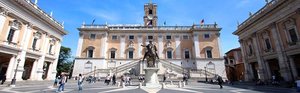 Muzea Kapitolińskie |
Rzym | 2 | Camillus and the Schoolmaster of Falerii, The Vestal Tuccia |
 Minneapolis Institute of Art |
Minneapolis | 1 | The Glorification of Andrea Doria |
 Walters Art Museum |
Baltimore | 1 | Allegory of Painting |
 Scottish National Portrait Gallery |
Edynburg | 1 | David Allan, 1744 - 1796. Artist |
 Accademia di San Luca |
Rzym | 1 | Self-portrait |
 Museum of Fine Arts |
Boston | 1 | Virgin and Child |
Wybierz dekadę, aby zobaczyć dzieło, które ją definiuje.
The Glorification of Andrea Doria (1750), Minneapolis Institute of Art, Minneapolis. Następne są Camillus and the Schoolmaster of Falerii (1764) oraz Allegory of Painting (1764).
29 lat: The Glorification of Andrea Doria pochodzi z 1750, a Domenico Corvi urodził(a) się w 1721.
Nasz katalog zawiera 8 dzieł artysty Domenico Corvi, datowanych od 1750 do 1803.
W większości znajdują się w Muzea Kapitolińskie (Rzym), Minneapolis Institute of Art (Minneapolis) i Walters Art Museum (Baltimore). Powyższa tabela muzeów zawiera ich pełną listę.
W 1760s: 2 z 8 dzieł na tej stronie powstało w tym czasie, w tym Camillus and the Schoolmaster of Falerii.
Na tej stronie najwcześniejszy to The Glorification of Andrea Doria (1750), a najpóźniejszy Self-portrait (1803).
Camillus and the Schoolmaster of Falerii i The Vestal Tuccia: Muzea Kapitolińskie, Rzym posiada 2 dzieł widocznych na tej stronie.
Domenico Corvi was an Italian painter active during the close of the 18th century. Born in Viterbo, he moved to Rome to work under Francesco Mancini. His early career involved works in Viterbo and Palestrina, as well as the decoration of churches in and around Rome. In 1750, he won first prize at the Accademia di San Luca, later becoming a full member in 1756. During this time, he returned to his native Viterbo to participate in decorating the church of the Gonfalone, contributing roundels of the apostles Saints Simon and Jude and a scene of the Beheading of Saint John the Baptist.
Corvi's professional journey included significant commissions for various patrons. His works include:
In his later years, Corvi engaged in church decoration throughout Italy, spanning from Ravenna to Pisa, and from Venice to Spoleto. His ecclesiastical commissions included large canvases for the Cathedral of St. Ursus in Solothurn, Switzerland, featuring The Last Supper, the Coronation of the Virgin, the Incredulity of Saint Thomas, and the Pentecost.
Corvi held several official positions within the Accademia di San Luca. From 1757, he served as the director of the Scuola del Nudo at Campodoglio. His pupils included Giuseppe Cades, Francesco Alberi, and Vincenzo Camuccini. He died in Rome.