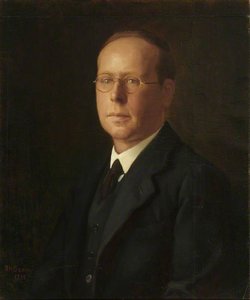
Portret Delmar Harmood Banner

Obrazy: 39 najsłynniejszych dzieł artysty Delmar Harmood Banner – spojrzenie galerii

Aktualizacja: Listopad 2026 · ranking według naszego wskaźnika popularności (liczba wyszukiwań, wizyt i zamówień dla każdego dzieła) · 39 dzieł Delmar Harmood Banner w naszym katalogu

W skrócie

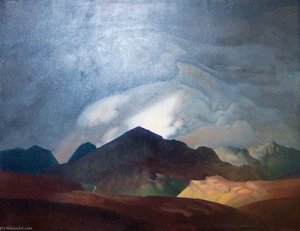
Według opinii kuratorów galerii, najsłynniejszym obrazem Delmar Harmood Banner jest Reverend Doctor David Herbert Somerset Cranage (1866–1957), Secretary of the Local Lectures Syndicate (1902), and Secretary of the Board of Extra Mural Studies (1924–1928) (1928), którego oryginał znajduje się w Madingley Hall w Cambridge. Lakeland Summits Pillar from Green Gable (1938) i 'Solitary' (The Wanderer and the Poet) dopełniają trio, które zna każde oko. Z 39 dzieł Delmar Harmood Banner w naszym katalogu, galeria prezentuje poniżej 39 najsłynniejszych prac – każda z nich jest oryginałem z podaniem roku powstania, muzeum oraz cech wyróżniających ją na tle innych.

1896 – 1983, Freiburg im Breisgau Najwięcej dzieł: Abbot Hall Art Gallery

10 najlepszych obrazów artysty Delmar Harmood Banner w galerii

Obrazy artysty Delmar Harmood Banner, uszeregowane od 11 do 39 miejsca

11Skiddaw from Great Gable (1940) autorstwa Delmar Harmood BannerSkiddaw from Great Gable1940 12Great Gable Praeludia et fuga nubium (1941) autorstwa Delmar Harmood BannerGreat Gable Praeludia et fuga nubium1941 · Abbot Hall Art Gallery 13Scafell from Walna Scar (1941) autorstwa Delmar Harmood BannerScafell from Walna Scar1941 · Bolton Museum And Art Gallery 14Bowfell from Wetherlam (1940) autorstwa Delmar Harmood BannerBowfell from Wetherlam1940 · Abbot Hall Art Gallery 15Cross Fell from Calf, Sedbergh Fells, Cumbria (1942) autorstwa Delmar Harmood BannerCross Fell from Calf, Sedbergh Fells, Cumbria1942 · Ferens Art Gallery 16Great Gable from High Stile (1946) autorstwa Delmar Harmood BannerGreat Gable from High Stile1946 17Scafell, Looking North (1945) autorstwa Delmar Harmood BannerScafell, Looking North1945 18Beatrix Potter (1866–1943), as a Young Woman (1948) autorstwa Delmar Harmood BannerBeatrix Potter (1866–1943), as a Young Woman1948 19Stone Circle, Threlkeld, Cumbria (1946) autorstwa Delmar Harmood BannerStone Circle, Threlkeld, Cumbria1946 20Lakeland Fells (1945) autorstwa Delmar Harmood BannerLakeland Fells1945 · Abbot Hall Art Gallery 21Scafell from Birker Moor, Eskdale, Cumberland (1944) autorstwa Delmar Harmood BannerScafell from Birker Moor, Eskdale, Cumberland1944 · New Walk Museum - Art Gallery 22September White Grass (1945) autorstwa Delmar Harmood BannerSeptember White Grass1945 · Wolverhampton Art Gallery 23Sketch for 'Stone Circle, Threlkeld, Cumbria' (1946) autorstwa Delmar Harmood BannerSketch for 'Stone Circle, Threlkeld, Cumbria'1946 24Coniston Fell, Lancashire, from Harter Fell, Cumberland (1947) autorstwa Delmar Harmood BannerConiston Fell, Lancashire, from Harter Fell, Cumberland1947 25Great Gable (1944) autorstwa Delmar Harmood BannerGreat Gable1944 · Grundy Art Gallery 26Yews in Mardale Church Yard before Destruction (1945) autorstwa Delmar Harmood BannerYews in Mardale Church Yard before Destruction1945 27On Top of Goatfell, Arran (1948) autorstwa Delmar Harmood BannerOn Top of Goatfell, Arran1948 28Scafell, Cumbria (1944) autorstwa Delmar Harmood BannerScafell, Cumbria1944 · Laing Art Gallery 29Scafell from Hard Knott Fell, Cumbria (1946) autorstwa Delmar Harmood BannerScafell from Hard Knott Fell, Cumbria1946 · Maidstone Museum - Bentlif Art Gallery 30Dow Crag and Old Man (1946) autorstwa Delmar Harmood BannerDow Crag and Old Man1946 · Abbot Hall Art Gallery 31Scar Fell in Storm, Viewed from Burnmoor (1945) autorstwa Delmar Harmood BannerScar Fell in Storm, Viewed from Burnmoor1945 · University of Bradford 32View of Coniston Fells autorstwa Delmar Harmood BannerView of Coniston FellsAbbot Hall Art Gallery 33Great Gable from Wandope autorstwa Delmar Harmood BannerGreat Gable from WandopeSunderland Museum - Winter Gardens 34Blencathra from Scafell autorstwa Delmar Harmood BannerBlencathra from ScafellAbbot Hall Art Gallery 35Hardknott Fell from Upper Eskdale autorstwa Delmar Harmood BannerHardknott Fell from Upper EskdaleUniversity of Bradford 36Mellbreak from Rannerdale autorstwa Delmar Harmood BannerMellbreak from RannerdaleAbbot Hall Art Gallery 37Professor Bernard Groom, Matriculated (1915) autorstwa Delmar Harmood BannerProfessor Bernard Groom, Matriculated (1915)Magdalen College, Oxford 38Georges S. F. C. Kaeckenbeeck (1892–1973), Matriculated (1914) autorstwa Delmar Harmood BannerGeorges S. F. C. Kaeckenbeeck (1892–1973), Matriculated (1914)Magdalen College, Oxford 39Joseph J. W. Gynes, Steward of the Junior Common Room (1914–1931) autorstwa Delmar Harmood BannerJoseph J. W. Gynes, Steward of the Junior Common Room (1914–1931)Magdalen College, Oxford

Tematy, które przyciągnęły wzrok Delmar Harmood Banner

Cztery motywy najczęściej powracające w tych oryginałach, z których każdy doczekał się swojego najdoskonalszego przykładu.

Muzea przechowujące oryginały Delmar Harmood Banner

8 muzeów, w których znajduje się najwięcej obrazów z tej strony.

Muzea Miasto Dzieła artysty Delmar Harmood Banner Obrazy z tej listy
Abbot Hall Art Gallery, KendalAbbot Hall Art Gallery Kendal 8 Lakeland Summits Pillar from Green Gable, Great Gable Praeludia et fuga nubium, Bowfell from Wetherlam
Magdalen College, Oxford, OxfordMagdalen College, Oxford Oxford 3 Professor Bernard Groom, Matriculated (1915), Georges S. F. C. Kaeckenbeeck (1892–1973), Matriculated (1914), Joseph J. W. Gynes, Steward of the Junior Common Room (1914–1931)
Nottingham Castle Museum And Art Gallery, NottinghamNottingham Castle Museum And Art Gallery Nottingham 2 Clement Fothergill Pitman (d.1973), Art Director and Curator of Nottingham Castle Museum (1930–1959), Coniston Fells from Upper Eskdale, Cumberland (Grey Friar, Old Man, Dow Crag, Hardknott and Upper Eskdale from Black Apron, November)
The Queen's College, OxfordThe Queen's College Oxford 2 Edward Mewburn Walker (1857–1941), Provost (1930–1933), Burnett Hillman Streeter (1874–1937), Provost (1933–1937)
University of Bradford, BradfordUniversity of Bradford Bradford 2 Scar Fell in Storm, Viewed from Burnmoor, Hardknott Fell from Upper Eskdale
Madingley Hall, CambridgeMadingley Hall Cambridge 1 Reverend Doctor David Herbert Somerset Cranage (1866–1957), Secretary of the Local Lectures Syndicate (1902), and Secretary of the Board of Extra Mural Studies (1924–1928)
Bolton Museum And Art Gallery, BoltonBolton Museum And Art Gallery Bolton 1 Scafell from Walna Scar
Ferens Art Gallery, HullFerens Art Gallery Hull 1 Cross Fell from Calf, Sedbergh Fells, Cumbria

Delmar Harmood Banner, jedno kultowe dzieło na dekadę

Dzieła według dekad

Wybierz dekadę, aby zobaczyć dzieło, które ją definiuje.

Obrazy artysty Delmar Harmood Banner: odpowiedzi galerii

Który obraz Delmar Harmood Banner jest najsłynniejszy ze wszystkich?Odkryj odpowiedź

Reverend Doctor David Herbert Somerset Cranage (1866–1957), Secretary of the Local Lectures Syndicate (1902), and Secretary of the Board of Extra Mural Studies (1924–1928) (1928), Madingley Hall, Cambridge. Następne są Lakeland Summits Pillar from Green Gable (1938) oraz 'Solitary' (The Wanderer and the Poet).

Ile lat miał Delmar Harmood Banner, gdy ukończył Reverend Doctor David Herbert Somerset Cranage (1866–1957), Secretary of the Local Lectures Syndicate (1902), and Secretary of the Board of Extra Mural Studies (1924–1928)?Odkryj odpowiedź

32 lat: Reverend Doctor David Herbert Somerset Cranage (1866–1957), Secretary of the Local Lectures Syndicate (1902), and Secretary of the Board of Extra Mural Studies (1924–1928) pochodzi z 1928, a Delmar Harmood Banner urodził(a) się w 1896.

Które to 10 najlepszych obrazów Delmar Harmood Banner?Odkryj odpowiedź

Reverend Doctor David Herbert Somerset Cranage (1866–1957), Secretary of the Local Lectures Syndicate (1902), and Secretary of the Board of Extra Mural Studies (1924–1928), Lakeland Summits Pillar from Green Gable, 'Solitary' (The Wanderer and the Poet), Clement Fothergill Pitman (d.1973), Art Director and Curator of Nottingham Castle Museum (1930–1959), Sketch for 'The Solitary Wanderer and the Poet', Edward Mewburn Walker (1857–1941), Provost (1930–1933), Burnett Hillman Streeter (1874–1937), Provost (1933–1937), Beatrix Potter (1866–1943), in Old Age, Beatrix Potter i Coniston Fells from Upper Eskdale, Cumberland (Grey Friar, Old Man, Dow Crag, Hardknott and Upper Eskdale from Black Apron, November). Powyższy ranking zawiera rok powstania oraz muzeum dla każdego z nich.

Ile dzieł stworzył/a Delmar Harmood Banner?Odkryj odpowiedź

Nasz katalog zawiera 39 dzieł artysty Delmar Harmood Banner, datowanych od 1927 do 1948.

Gdzie można znaleźć najsłynniejsze oryginały autorstwa Delmar Harmood Banner?Odkryj odpowiedź

W większości znajdują się w Abbot Hall Art Gallery (Kendal), Magdalen College, Oxford (Oxford) i Nottingham Castle Museum And Art Gallery (Nottingham). Powyższa tabela muzeów zawiera ich pełną listę.

Kiedy Delmar Harmood Banner stworzył swoje najsłynniejsze obrazy?Odkryj odpowiedź

W 1940s: 21 z 39 dzieł na tej stronie powstało w tym czasie, w tym Skiddaw from Great Gable.

Które z najsłynniejszych dzieł Delmar Harmood Banner należą do jego najwcześniejszych i najpóźniejszych prac?Odkryj odpowiedź

Na tej stronie najwcześniejszy to Clement Fothergill Pitman (d.1973), Art Director and Curator of Nottingham Castle Museum (1930–1959) (1927), a najpóźniejszy Beatrix Potter (1866–1943), as a Young Woman (1948).

Do jakich tematów Delmar Harmood Banner powracał najczęściej?Odkryj odpowiedź

Mountain landscape (4), Lake district (3) i Scenic view (2), w ramach 39 dzieł na tej stronie.

Które oryginały artysty Delmar Harmood Banner znajdują się w zbiorach Abbot Hall Art Gallery?Odkryj odpowiedź

Lakeland Summits Pillar from Green Gable, Great Gable Praeludia et fuga nubium i Bowfell from Wetherlam: Abbot Hall Art Gallery, Kendal posiada 8 dzieł widocznych na tej stronie.

Delmar Harmood Banner: artysta

Delmar Harmood Banner: A Lake District Visionary

Delmar Harmood Banner (1896-1983) wasn’t a name widely recognized during his lifetime, yet his evocative paintings of the British Lake District and Cumbria have steadily gained appreciation for their atmospheric beauty and subtle mastery. Born in Freiburg im Breisgau, Germany, to British parents, Banner's early life was marked by a brief immersion in German culture before relocating to England at the age of seven. This dual heritage profoundly shaped his artistic sensibility – a grounding in European tradition blended with an intimate understanding of the rugged landscapes he would come to call home. His journey towards becoming a renowned artist began with formal training at Cheltenham College and later at Regent Street Polytechnic School of Art, where he honed his skills in watercolour and oil painting, ultimately finding his true voice amidst the dramatic scenery of the Lake District.

Early Life and Influences

Banner’s formative years were a tapestry woven with diverse influences. His German ancestry instilled a deep appreciation for light and shadow, while his English upbringing provided a connection to British artistic traditions. Crucially, his time at Regent Street Polytechnic introduced him to Josefina de Vasconcellos, a fellow artist and sculptor who became his wife and lifelong companion. Their shared passion for art and nature fueled their creative partnership, and their home in Little Langdale, nestled within the breathtaking Cumbrian fells, served as both a sanctuary and an endless source of inspiration. The close friendship he cultivated with Beatrix Potter further enriched his artistic life; her encouragement and patronage undoubtedly contributed to his growing confidence and recognition. Potter’s appreciation for detail and connection to nature resonated deeply with Banner's own artistic sensibilities, evident in the meticulous observation and serene beauty captured in his paintings.

A Landscape of Emotion: Style and Technique

Banner’s distinctive style is characterized by a remarkable ability to capture the essence of the Lake District – its dramatic light, shifting mists, and imposing mountains. He eschewed overtly romanticized depictions, instead favoring a more nuanced approach that emphasized atmosphere and mood. His brushwork is often loose and impressionistic, creating a sense of movement and depth within his landscapes. He skillfully employed color to evoke specific emotions, utilizing subtle shifts in tone to convey the changing light conditions and the ever-present drama of the weather. While rooted in realism, Banner’s paintings possess an intangible quality – a feeling of quiet contemplation and connection with the natural world. His use of oil paints allowed him to build up layers of color and texture, creating a rich and luminous surface that draws the viewer into the scene. The influence of Turner is subtly present, particularly in his masterful rendering of light and atmosphere, but Banner developed a uniquely personal vision within this established tradition.

Notable Works and Recognition

Among Banner’s most celebrated works are “Dow Crag & Old Man” (1946) and numerous depictions of the surrounding fells, including Catbells and Skiddaw. These paintings exemplify his ability to capture the grandeur and serenity of the Lake District with remarkable precision and emotional depth. His portrait of Beatrix Potter, a tender and intimate depiction of the literary icon, is held in the National Portrait Gallery collection – a testament to his skill as a portrait artist. Furthermore, Banner’s participation in the 1948 London Olympics, where he represented Great Britain in the painting event, showcased his artistic talent on an international stage. His work was exhibited at numerous galleries throughout the UK, including Abbot Hall, Ferens Art Gallery, and Leicester Museum and Art Gallery, solidifying his place as a significant figure in British landscape art.

Legacy and Enduring Appeal

Delmar Harmood Banner’s legacy extends beyond his individual paintings; he represents a vital link between the artistic traditions of Europe and the burgeoning landscape movement in Britain. His evocative depictions of the Lake District continue to resonate with viewers today, offering a glimpse into a timeless world of beauty and tranquility. His ability to capture not just the visual appearance of the landscape but also its emotional essence ensures that his work remains profoundly moving and relevant. He is remembered as a quiet yet dedicated artist who found his true calling in translating the majesty of the British countryside onto canvas, leaving behind a body of work that speaks volumes about the power of observation, sensitivity, and artistic vision.