

1


Aktualizacja: Listopad 2026 · ranking według naszego wskaźnika popularności (liczba wyszukiwań, wizyt i zamówień dla każdego dzieła) · 6 dzieł Clara Ewald w naszym katalogu
W skrócie
Według opinii kuratorów galerii, najsłynniejszym obrazem Clara Ewald jest Sir John Robert Seeley (1834–1895), Fellow, Regius Professor of Modern History (1869–1895) (1900), którego oryginał znajduje się w Christ's College w Cambridge. Rupert Brooke (1911) i Sir Clive Carey (1883–1968) (1910) dopełniają trio, które zna każde oko. Z 6 dzieł Clara Ewald w naszym katalogu, galeria prezentuje poniżej 6 najsłynniejszych prac – każda z nich jest oryginałem z podaniem roku powstania, muzeum oraz cech wyróżniających ją na tle innych.


4 muzeów, w których znajduje się najwięcej obrazów z tej strony.
| Muzea | Miasto | Dzieła artysty Clara Ewald | Obrazy z tej listy |
|---|---|---|---|
 National Portrait Gallery |
Londyn | 2 | Rupert Brooke, Albert Schweitzer |
 Christ's College |
Cambridge | 1 | Sir John Robert Seeley (1834–1895), Fellow, Regius Professor of Modern History (1869–1895) |
 Royal College of Music |
Londyn | 1 | Sir Clive Carey (1883–1968) |
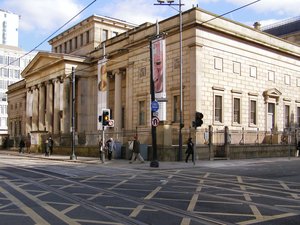 Manchester Art Gallery |
Manchester | 1 | Lake Scene |
Wybierz dekadę, aby zobaczyć dzieło, które ją definiuje.
Sir John Robert Seeley (1834–1895), Fellow, Regius Professor of Modern History (1869–1895) (1900), Christ's College, Cambridge. Następne są Rupert Brooke (1911) oraz Sir Clive Carey (1883–1968) (1910).
41 lat: Sir John Robert Seeley (1834–1895), Fellow, Regius Professor of Modern History (1869–1895) pochodzi z 1900, a Clara Ewald urodził(a) się w 1859.
Nasz katalog zawiera 6 dzieł artysty Clara Ewald, datowanych od 1900 do 1941.
W większości znajdują się w National Portrait Gallery (Londyn), Christ's College (Cambridge) i Royal College of Music (Londyn). Powyższa tabela muzeów zawiera ich pełną listę.
W 1910s: 2 z 6 dzieł na tej stronie powstało w tym czasie, w tym Rupert Brooke.
Na tej stronie najwcześniejszy to Sir John Robert Seeley (1834–1895), Fellow, Regius Professor of Modern History (1869–1895) (1900), a najpóźniejszy Portrait of a Soldier (1941).
Rupert Brooke i Albert Schweitzer: National Portrait Gallery, Londyn posiada 2 dzieł widocznych na tej stronie.
Clara Ewald was born in Düsseldorf, Kingdom of Prussia, on 22 October 1859. She studied under William-Adolphe Bouguereau, Otto Brausewetter, and Karl Gussow. Her hands learned the weight of paint and the subtle shifts of light through these teachers. After her husband passed away in 1909, she moved to an artists' colony on Lake Ammer near Munich. This landscape provided a backdrop for a life spent looking closely at the people around her.
Her work focused on the portrait. She had a way of capturing the specific presence of those who sat before her. In 1911, she painted Rupert Brooke. Later, in the 1930s, she painted Albert Schweitzer. Her brush also met the likeness of Paul Dirac, whose portrait resides at The Royal Society. These were not mere likenesses; they were studies of character held within a frame.
The later years of her life saw a change in geography. In 1938, she and her son, Peter, left Germany for Cambridge, England. They eventually moved again to Belfast, Ireland, following Peter's work at Queen's University. She remained in Belfast until she died on 15 January 1948.
Her legacy is held in several collections, including the National Portrait Gallery in London. Her paintings remain as physical records of the individuals she encountered during her travels across Europe and the British Isles.