Portret Carl Van Vechten

Obrazy: 41 najsłynniejszych dzieł artysty Carl Van Vechten – spojrzenie galerii

Aktualizacja: Listopad 2026 · ranking według naszego wskaźnika popularności (liczba wyszukiwań, wizyt i zamówień dla każdego dzieła) · 41 dzieł Carl Van Vechten w naszym katalogu

W skrócie

Według galerii najsłynniejszym obrazem Carl Van Vechten jest Rose McClendon, from the unrealized portfolio Noble Black Women The Harlem Renaissance and After (1983). Portrait of Frida Kahlo and Diego Rivera (1932) i Joe Louis, from the portfolio O Write My Name American Portraits, Harlem Heroes (1983) dopełniają trio, które zna każde oko. Z 41 dzieł Carl Van Vechten w naszym katalogu, galeria prezentuje poniżej 41 najsłynniejszych prac – każda z nich jest oryginałem z podaniem roku powstania, muzeum oraz cech wyróżniających ją na tle innych.

1880 – 1964, Cedar Rapids Harlem renaissance Najwięcej dzieł: Archives of American Art

10 najlepszych obrazów artysty Carl Van Vechten w galerii

1
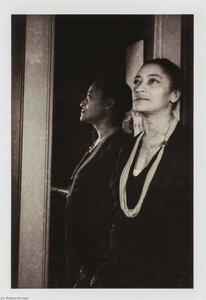
Rose McClendon, from the unrealized portfolio Noble Black Women The Harlem Renaissance and After (1983) autorstwa Carl Van Vechten

Rose McClendon, from the unrealized portfolio Noble Black Women The Harlem Renaissance and After

1983 · Black and White Photography

Two women stand poised before a doorway, their presence commanding the frame with a quiet, dignified grace. The scene is captured in monochrome, a world of deep blacks and luminous whites that strips away the distraction of color to focus on the essence of form. They are positioned on either side of the entrance, creating a balanced arrangement that draws the eye toward the dark, receding space behind them. There…

2
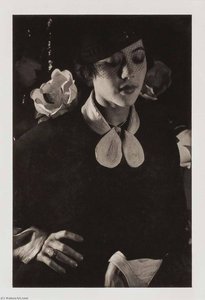
Portrait of Frida Kahlo and Diego Rivera (1932) autorstwa Carl Van Vechten

Portrait of Frida Kahlo and Diego Rivera

1932 · Black and White Photography · Archives of American Art, Washington, D.C.

In this evocative black and white photograph captured by the legendary Carl Van Vechten in 1932, we are granted a rare, unvarnished glimpse into the private world of two of the twentieth century's most formidable artistic icons. The portrait features Frida Kahlo and Diego Rivera standing side by side, caught in a quiet moment of togetherness that transcends the mere act of posing for a camera. There is an undeniable…

Obrazy artysty Carl Van Vechten, uszeregowane od 11 do 41 miejsca

11W.E.B. DuBois, from the portfolio O Write My Name American Portraits, Harlem Heroes (1983) autorstwa Carl Van VechtenW.E.B. DuBois, from the portfolio O Write My Name American Portraits, Harlem Heroes1983 12Romaine Brooks (1936) autorstwa Carl Van VechtenRomaine Brooks1936 13Josh White, from the portfolio O Write My Name American Portraits, Harlem Heroes (1983) autorstwa Carl Van VechtenJosh White, from the portfolio O Write My Name American Portraits, Harlem Heroes1983 14Bill Bojangles Robinson, from the portfolio O Write My Name American Portraits, Harlem Heroes (1983) autorstwa Carl Van VechtenBill Bojangles Robinson, from the portfolio O Write My Name American Portraits, Harlem Heroes1983 15Jacob Lawrence, from the portfolio O Write My Name American Portraits, Harlem Heroes (1983) autorstwa Carl Van VechtenJacob Lawrence, from the portfolio O Write My Name American Portraits, Harlem Heroes1983 16John W. Bubbles, from the portfolio O Write My Name American Portraits, Harlem Heroes (1983) autorstwa Carl Van VechtenJohn W. Bubbles, from the portfolio O Write My Name American Portraits, Harlem Heroes1983 17Ossie Davis, from the portfolio O Write My Name American Portraits, Harlem Heroes (1983) autorstwa Carl Van VechtenOssie Davis, from the portfolio O Write My Name American Portraits, Harlem Heroes1983 18Ruby Elzy, from the unrealized portfolio Noble Black Women The Harlem Renaissance and After (1983) autorstwa Carl Van VechtenRuby Elzy, from the unrealized portfolio Noble Black Women The Harlem Renaissance and After1983 19Horace Pippin, from the portfolio O Write My Name American Portraits, Harlem Heroes (1983) autorstwa Carl Van VechtenHorace Pippin, from the portfolio O Write My Name American Portraits, Harlem Heroes1983 20Althea Gibson, from the unrealized portfolio Noble Black Women The Harlem Renaissance and After (1983) autorstwa Carl Van VechtenAlthea Gibson, from the unrealized portfolio Noble Black Women The Harlem Renaissance and After1983 21Nora Holt, from the unrealized portfolio Noble Black Women The Harlem Renaissance and After (1983) autorstwa Carl Van VechtenNora Holt, from the unrealized portfolio Noble Black Women The Harlem Renaissance and After1983 22Lena Horne, from the unrealized portfolio Noble Black Women The Harlem Renaissance and After (1983) autorstwa Carl Van VechtenLena Horne, from the unrealized portfolio Noble Black Women The Harlem Renaissance and After1983 23Ella Fitzgerald, from the unrealized portfolio Noble Black Women The Harlem Renaissance and After (1983) autorstwa Carl Van VechtenElla Fitzgerald, from the unrealized portfolio Noble Black Women The Harlem Renaissance and After1983 24Fredi Washington, from the unrealized portfolio Noble Black Women The Harlem Renaissance and After (1983) autorstwa Carl Van VechtenFredi Washington, from the unrealized portfolio Noble Black Women The Harlem Renaissance and After1983 25James Weldon Johnson, from the portfolio O Write My Name American Portraits, Harlem Heroes (1983) autorstwa Carl Van VechtenJames Weldon Johnson, from the portfolio O Write My Name American Portraits, Harlem Heroes1983 26Mahalia Jackson, from the unrealized portfolio Noble Black Women The Harlem Renaissance and After (1983) autorstwa Carl Van VechtenMahalia Jackson, from the unrealized portfolio Noble Black Women The Harlem Renaissance and After1983 27Bessie Smith, from the unrealized portfolio Noble Black Women The Harlem Renaissance and After (1983) autorstwa Carl Van VechtenBessie Smith, from the unrealized portfolio Noble Black Women The Harlem Renaissance and After1983 28Maxine Sullivan, from the unrealized portfolio Noble Black Women The Harlem Renaissance and After (1983) autorstwa Carl Van VechtenMaxine Sullivan, from the unrealized portfolio Noble Black Women The Harlem Renaissance and After1983 29Richard Wright, from the portfolio O Write My Name American Portraits, Harlem Heroes (1983) autorstwa Carl Van VechtenRichard Wright, from the portfolio O Write My Name American Portraits, Harlem Heroes1983 30Ella Fitzgerald, from the portfolio O Write My Name American Portraits, Harlem Heroes (1983) autorstwa Carl Van VechtenElla Fitzgerald, from the portfolio O Write My Name American Portraits, Harlem Heroes1983 31Eslanda G. Robeson, from the unrealized portfolio Noble Black Women The Harlem Renaissance and After (1983) autorstwa Carl Van VechtenEslanda G. Robeson, from the unrealized portfolio Noble Black Women The Harlem Renaissance and After1983 32Romare Bearden, from the portfolio O Write My Name American Portraits, Harlem Heroes (1983) autorstwa Carl Van VechtenRomare Bearden, from the portfolio O Write My Name American Portraits, Harlem Heroes1983 33Howard Swanson, from the portfolio O Write My Name American Portraits, Harlem Heroes (1983) autorstwa Carl Van VechtenHoward Swanson, from the portfolio O Write My Name American Portraits, Harlem Heroes1983 34Mary McLeod Bethune, from the unrealized portfolio Noble Black Women The Harlem Renaissance and After (1983) autorstwa Carl Van VechtenMary McLeod Bethune, from the unrealized portfolio Noble Black Women The Harlem Renaissance and After1983 35Zora Neale Hurston, from the unrealized portfolio Noble Black Women The Harlem Renaissance and After (1983) autorstwa Carl Van VechtenZora Neale Hurston, from the unrealized portfolio Noble Black Women The Harlem Renaissance and After1983 36Esther Perkins, from the unrealized portfolio Noble Black Women The Harlem Renaissance and After (1983) autorstwa Carl Van VechtenEsther Perkins, from the unrealized portfolio Noble Black Women The Harlem Renaissance and After1983 37Ada Bricktop Smith, from the unrealized portfolio Noble Black Women The Harlem Renaissance and After (1983) autorstwa Carl Van VechtenAda Bricktop Smith, from the unrealized portfolio Noble Black Women The Harlem Renaissance and After1983 38Langston Hughes, from the portfolio O Write My Name American Portraits, Harlem Heroes (1983) autorstwa Carl Van VechtenLangston Hughes, from the portfolio O Write My Name American Portraits, Harlem Heroes1983 39Leontyne Price, from the unrealized portfolio Noble Black Women The Harlem Renaissance and After (1983) autorstwa Carl Van VechtenLeontyne Price, from the unrealized portfolio Noble Black Women The Harlem Renaissance and After1983 40Ethel Waters, from the unrealized portfolio Noble Black Women The Harlem Renaissance and After (1983) autorstwa Carl Van VechtenEthel Waters, from the unrealized portfolio Noble Black Women The Harlem Renaissance and After1983 41Dorothy Peterson, from the unrealized portfolio Noble Black Women The Harlem Renaissance and After (1983) autorstwa Carl Van VechtenDorothy Peterson, from the unrealized portfolio Noble Black Women The Harlem Renaissance and After1983

Tematy, które przyciągnęły wzrok Carl Van Vechten

Cztery motywy najczęściej powracające w tych oryginałach, z których każdy doczekał się swojego najdoskonalszego przykładu.

Muzea przechowujące oryginały Carl Van Vechten

Muzeum, w którym znajduje się najwięcej obrazów prezentowanych na tej stronie.

Muzea Miasto Dzieła artysty Carl Van Vechten Obrazy z tej listy
Archives of American Art, Washington, D.C.Archives of American Art Washington, D.C. 1 Portrait of Frida Kahlo and Diego Rivera

Carl Van Vechten, flagowe dzieła każdego roku

5 lat, od 1932 do 1936, przedstawionych na tej stronie jako pełna, ułożona chronologicznie kariera Carl Van Vechten: krótka historia ukazana rok po roku poprzez jej najsłynniejsze oryginały.

Dzieła według lat

Wybierz rok, aby zobaczyć oryginały.

Obrazy artysty Carl Van Vechten: odpowiedzi galerii

Który obraz Carl Van Vechten jest najsłynniejszy ze wszystkich?Odkryj odpowiedź

Rose McClendon, from the unrealized portfolio Noble Black Women The Harlem Renaissance and After (1983). Następne są Portrait of Frida Kahlo and Diego Rivera (1932) oraz Joe Louis, from the portfolio O Write My Name American Portraits, Harlem Heroes (1983).

Które to 10 najlepszych obrazów Carl Van Vechten?Odkryj odpowiedź

Rose McClendon, from the unrealized portfolio Noble Black Women The Harlem Renaissance and After, Portrait of Frida Kahlo and Diego Rivera, Joe Louis, from the portfolio O Write My Name American Portraits, Harlem Heroes, James Baldwin, from the portfolio O Write My Name American Portraits, Harlem Heroes, Paul Robeson, from the portfolio O Write My Name American Portraits, Harlem Heroes, Charles S. Johnson, from the portfolio O Write My Name American Portraits, Harlem Heroes, Ralph Bunche, from the portfolio O Write My Name American Portraits, Harlem Heroes, Margaret Walker, from the portfolio O Write My Name American Portraits, Harlem Heroes, Altonell Hines, from the unrealized portfolio Noble Black Women The Harlem Renaissance and After i Katherine Dunham, from the unrealized portfolio Noble Black Women The Harlem Renaissance and After. Powyższy ranking zawiera rok powstania oraz muzeum dla każdego z nich.

Ile dzieł stworzył/a Carl Van Vechten?Odkryj odpowiedź

Nasz katalog zawiera 41 dzieł artysty Carl Van Vechten, datowanych od 1932 do 1936.

Gdzie można znaleźć najsłynniejsze oryginały autorstwa Carl Van Vechten?Odkryj odpowiedź

W większości znajdują się w Archives of American Art (Washington, D.C.). Powyższa tabela muzeów zawiera ich pełną listę.

Które z najsłynniejszych dzieł Carl Van Vechten należą do jego najwcześniejszych i najpóźniejszych prac?Odkryj odpowiedź

Na tej stronie najwcześniejszy to Portrait of Frida Kahlo and Diego Rivera (1932), a najpóźniejszy Romaine Brooks (1936).

Do jakich tematów Carl Van Vechten powracał najczęściej?Odkryj odpowiedź

Women (17), Portraits (13) i Portraiture (4), w ramach 41 dzieł na tej stronie.

W jakiej technice najczęściej tworzył Carl Van Vechten?Odkryj odpowiedź

Black and White Photography, dla 2 z 41 dzieł na tej stronie.

Z jakim nurtem związany jest Carl Van Vechten?Odkryj odpowiedź

Harlem renaissance i Documentary photography, sądząc po oryginałach na tej stronie.

Carl Van Vechten: artysta

Carl Van Vechten (1880-1964): A Life Intertwined with the Avant-Garde

Carl Van Vechten, a name resonating through the annals of early 20th-century American culture, was far more than simply a writer or photographer. He was a cultural catalyst, a passionate patron, and an astute observer who navigated the vibrant currents of modernism with remarkable energy. Born in Cedar Rapids, Iowa, in 1880, into a family that valued both intellectual pursuits and artistic expression—his mother founded the local library and possessed musical talent—Van Vechten’s early life laid the foundation for his multifaceted career. His initial passions leaned towards music and theatre, but it was through writing that he first found his voice, initially as “The Chaperone,” a columnist known for its semi-autobiographical gossip and sharp criticism in Chicago. This marked the beginning of a lifelong engagement with public discourse and artistic commentary.

Early Life and Literary Beginnings

Born on June 17, 1880, Carl Van Vechten descended from a family steeped in intellectual tradition. His father, Charles Duane Van Vechten, was a prosperous banker who instilled in his son a deep appreciation for financial stability alongside scholarly pursuits. Ada Amanda Van Vechten (née Fitch), Carl’s mother, established Cedar Rapids Public Library and cultivated her own musical talent—a legacy that profoundly shaped Carl's formative years. From a young age, he demonstrated an exceptional aptitude for music and theatre, immersing himself in performances and honing his artistic sensibilities. These early influences would continue to permeate his subsequent endeavors throughout his life. He graduated from Washington High School in 1898 with honors, showcasing his dedication to education and preparing him for the challenges ahead. His formative years were marked by a yearning for intellectual stimulation beyond his hometown’s confines—he famously described Cedar Rapids as “that unloved town”—driving him to pursue higher learning at the University of Chicago. There he studied music, art, and opera, broadening his horizons and fostering connections that would prove crucial to his artistic development. As a student journalist, he honed his writing skills and cultivated an inquisitive spirit—a characteristic that would define his career as a writer and critic.

Literary Critic and Advocate for Modernism

Van Vechten’s intellectual curiosity propelled him beyond conventional literary criticism. He embarked on journeys to Europe, immersing himself in the world of opera and forging connections with influential artists and thinkers. It was during this period that he encountered Mabel Dodge Luhan, a pivotal figure who introduced him to the heart of the avant-garde movement—a transformative experience that would reshape his artistic worldview. This encounter ignited his passion for experimentation and challenged him to question established conventions. He became particularly captivated by Gertrude Stein’s innovative prose style, recognizing its radical departure from traditional literary norms. Recognizing Stein's genius, Van Vechten championed her work tirelessly, penning “How to Read Gertrude Stein” in an attempt to demystify her complex language for a wider audience—a testament to his intellectual integrity and dedication to artistic discourse. His involvement extended beyond Stein’s writings; he actively supported artists like Isadora Duncan, Anna Pavlova, and Loie Fuller, fostering dialogue and promoting the exploration of new artistic expressions. He wasn't merely observing these movements; he was actively participating in their evolution, shaping their trajectory through his patronage and advocacy.

Photography: Capturing Modernity’s Essence

A pivotal shift occurred in Van Vechten’s artistic life during the 1930s when he embraced photography—a medium that allowed him to translate his observations of modernism into visual form. Initially drawn to the art form as a means of documenting musical performances, he quickly discovered its capacity for capturing portraits with unparalleled intimacy and immediacy. He acquired a Leica camera—a revolutionary tool at the time—and began photographing prominent figures in the performing arts, literature, and graphic design—artists who embodied the spirit of their era. His photographs are characterized by meticulous composition and subtle tonal nuances—techniques honed through years of artistic practice—reflecting his profound understanding of visual aesthetics. He documented the lives and creative energies of luminaries like Marian Anderson, Pearl Bailey, James Baldwin, Truman Capote, and Georgia O’Keeffe, preserving their likenesses for posterity. These portraits are not merely representations of individuals; they convey a sense of character and emotion—a testament to Van Vechten's artistic skill and sensitivity.

Legacy and Influence

Carl Van Vechten’s impact on American art and culture extends far beyond his individual achievements. He served as Gertrude Stein’s literary executor, ensuring her groundbreaking work reached a wider audience and safeguarding her legacy for future generations—a role that underscored his commitment to artistic preservation and intellectual discourse. His unwavering support for artists during the Harlem Renaissance cemented his place in history as a champion of African American creativity and cultural expression. Furthermore, he challenged societal norms through his writing and photography—embracing controversial themes and questioning conventional perspectives—inspiring subsequent artists to push boundaries and explore uncharted territories. Today, Van Vechten’s photographs reside in prestigious collections worldwide—a tangible reminder of his artistic vision and enduring influence on the visual arts. He remains a pivotal figure in understanding the cultural landscape of early 20th-century America—a man whose life was inextricably intertwined with the avant-garde movements that continue to inspire artists and thinkers today. His legacy is one of intellectual curiosity, artistic innovation, and courageous advocacy—a testament to his remarkable contribution to American culture.