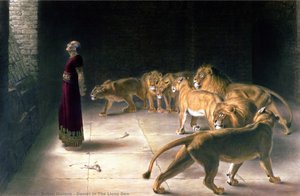
Portret Briton Rivière

Obrazy: 46 najsłynniejszych dzieł artysty Briton Rivière – spojrzenie galerii

Aktualizacja: Listopad 2026 · ranking według naszego wskaźnika popularności (liczba wyszukiwań, wizyt i zamówień dla każdego dzieła) · 46 dzieł Briton Rivière w naszym katalogu

W skrócie

Według galerii najsłynniejszym obrazem Briton Rivière jest Mother Hubbard (1882). The Last of the Garrison (1875) i Sympathy dopełniają trio, które zna każde oko. Z 46 dzieł Briton Rivière w naszym katalogu, galeria prezentuje poniżej 46 najsłynniejszych prac – każda z nich jest oryginałem z podaniem roku powstania, muzeum oraz cech wyróżniających ją na tle innych.

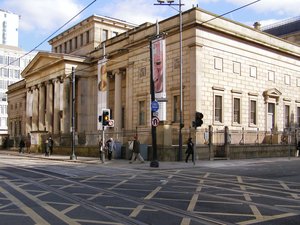
1840 – 1920, Londyn Academic art Najwięcej dzieł: Manchester Art Gallery

10 najlepszych obrazów artysty Briton Rivière w galerii

1
Mother Hubbard (1882) autorstwa Briton Rivière

Mother Hubbard

1882 · Oil On Canvas

Mother Hubbard is a portrait painted by Briton Rivière in 1882. The work depicts a woman and her dog positioned within the frame of an open doorway. This domestic scene focuses on the interaction between the two figures, presenting a moment of companionship and warmth. The subject matter centers on the quiet bond shared between the human and the animal.

2
The Last of the Garrison (1875) autorstwa Briton Rivière

The Last of the Garrison

1875 · Oil On Canvas · Manchester Art Gallery, Manchester

There is a profound stillness in this 1875 oil on canvas, a moment captured in the heavy silence following a violent upheaval. We find ourselves looking upon a scene from the English Civil War, specifically within the context of a manor house under siege. A bloodhound lies on the floor, its body heavy and still. It is the last defender of a Royalist garrison, a loyal companion whose duty has…

3
Sympathy autorstwa Briton Rivière

Sympathy

Oil On Canvas

A young girl sits perched upon the patterned steps of a staircase, her small frame draped in a blue dress with delicate ruffled sleeves. She is motionless, her chin resting in her hands as she gazes into a space only she can see. Beside her, a large white dog offers its silent presence, resting its head heavily upon her shoulder. The animal's eyes are closed, surrendered to the stillness of…

4
Fidelity (1869) autorstwa Briton Rivière

Fidelity

1869 · Oil On Canvas

The scene unfolds within the quiet, heavy atmosphere of 1869, a moment frozen in oil on canvas. This work, titled Fidelity, carries with it a secondary name, The Prisoners, suggesting a narrative tension that lingers just beneath the surface of the composition. The artist, Briton Rivière, captures a sense of stillness that feels as though the air itself has paused to witness the unfolding scene.

6
In Manus Tuas, Domine (1879) autorstwa Briton Rivière

In Manus Tuas, Domine

1879 · Oil On Canvas · Manchester Art Gallery, Manchester

A knight in gleaming armour sits atop a white horse, poised at the edge of a sinister forest. The air feels heavy, thick with the tension of a moment before a great struggle. Before him lies a dark cave, its mouth a void of shadow that seems to pull at the light. He holds his sword aloft, positioning the blade to form a cross against the gloom. Around the horse's…

7
Pride Of Place autorstwa Briton Rivière

Pride Of Place

Oil

In this oil painting, two dogs occupy a rustic outdoor setting. A large, dark-coated dog moves through the foreground, its body angled toward the viewer in a posture of alertness. Its fur is rendered with attention to the texture of the coat and the way light catches the individual hairs. Above this moving figure, a smaller dog sits upon a stone ledge or wall. This smaller animal wears a collar…

8
The Long Sleep autorstwa Briton Rivière

The Long Sleep

Oil

In this intimate work, titled The Long Sleep, we encounter a piece from 1868 by the English artist Briton Rivière. It is a work of quietude, measuring 30.6 x 23.4 cm, or 12 x 9.2 inches. The scale is modest, inviting a close, personal inspection of the scene it presents.

9
Wygnaniec z '45 autorstwa Briton Rivière

Wygnaniec z '45

Obraz olejny na płótnie · Dundee Art Gallery And Museum, Dundee

Briton Rivière i Jego „Wygnaniec z ’45” – Opowieść o Naturze i Człowieku Bryton Riviere (1840–1920), angielski malarz romantyczny, zasługuje na miejsce wśród twórców XIX wieku nie tylko za doskonałe przedstawienia zwierząt, lecz przede wszystkim za umiejętność wprawiania ich postaci w głębokie emocje i narracyjne znaczenie. Jego dzieła nie są jedynie obserwacją świata przyrody; są refleksjami ludzkiej kondycji, ukazującymi kruchość, lojalność oraz fascynujące relacje między człowiekiem a otaczającym go krajobrazem.…

10
The Old Gardener (1863) autorstwa Briton Rivière

The Old Gardener

1863 · Oil · Yale Center for British Art, New Haven

The Old Gardener is an oil painting by Briton Rivière. Created in 1863, the work captures a solitary figure in a moment of stillness. An elderly man sits within the shadows of a rustic garden shed, his presence anchored among the tools of his trade.

Obrazy artysty Briton Rivière, uszeregowane od 11 do 46 miejsca

Słynne obrazy Briton Rivière epoka po epoce

Tematy, które przyciągnęły wzrok Briton Rivière

Cztery motywy najczęściej powracające w tych oryginałach, z których każdy doczekał się swojego najdoskonalszego przykładu.

Muzea przechowujące oryginały Briton Rivière

8 muzeów, w których znajduje się najwięcej obrazów z tej strony.

Muzea Miasto Dzieła artysty Briton Rivière Obrazy z tej listy
Manchester Art Gallery, ManchesterManchester Art Gallery Manchester 3 The Last of the Garrison, In Manus Tuas, Domine, Jego Jedyny Przyjaciel
The Wilson: Cheltenham Art Gallery And Museum, CheltenhamThe Wilson: Cheltenham Art Gallery And Museum Cheltenham 2 Lost or Strayed, Michael and the Unfinished Sheepfold
Metropolitan Museum of Art, Nowy JorkMetropolitan Museum of Art Nowy Jork 1 Pallas Athena and the Herdsman's Dogs
Dundee Art Gallery And Museum, DundeeDundee Art Gallery And Museum Dundee 1 Wygnaniec z '45
Yale Center for British Art, New HavenYale Center for British Art New Haven 1 The Old Gardener
National Gallery of Victoria, MelbourneNational Gallery of Victoria Melbourne 1 A Roman holiday
Birmingham Museum and Art Gallery, BirminghamBirmingham Museum and Art Gallery Birmingham 1 Phoebus Apollo
Auckland Art Gallery Toi o Tāmaki, AucklandAuckland Art Gallery Toi o Tāmaki Auckland 1 Androcles and the Lion

Briton Rivière, jedno kultowe dzieło na dekadę

Dzieła według dekad

Wybierz dekadę, aby zobaczyć dzieło, które ją definiuje.

Obrazy artysty Briton Rivière: odpowiedzi galerii

Który obraz Briton Rivière jest najsłynniejszy ze wszystkich?Odkryj odpowiedź

Mother Hubbard (1882). Następne są The Last of the Garrison (1875) oraz Sympathy.

Ile lat miał Briton Rivière, gdy ukończył Mother Hubbard?Odkryj odpowiedź

42 lat: Mother Hubbard pochodzi z 1882, a Briton Rivière urodził(a) się w 1840.

Które to 10 najlepszych obrazów Briton Rivière?Odkryj odpowiedź

Mother Hubbard, The Last of the Garrison, Sympathy, Fidelity, Pallas Athena and the Herdsman's Dogs, In Manus Tuas, Domine, Pride Of Place, The Long Sleep, Wygnaniec z '45 i The Old Gardener. Powyższy ranking zawiera rok powstania oraz muzeum dla każdego z nich.

Ile dzieł stworzył/a Briton Rivière?Odkryj odpowiedź

Nasz katalog zawiera 46 dzieł artysty Briton Rivière, datowanych od 1863 do 1920.

Gdzie można znaleźć najsłynniejsze oryginały autorstwa Briton Rivière?Odkryj odpowiedź

W większości znajdują się w Manchester Art Gallery (Manchester), The Wilson: Cheltenham Art Gallery And Museum (Cheltenham) i Metropolitan Museum of Art (Nowy Jork). Powyższa tabela muzeów zawiera ich pełną listę.

Kiedy Briton Rivière stworzył swoje najsłynniejsze obrazy?Odkryj odpowiedź

W 1880s: 7 z 46 dzieł na tej stronie powstało w tym czasie, w tym Mother Hubbard.

Które z najsłynniejszych dzieł Briton Rivière należą do jego najwcześniejszych i najpóźniejszych prac?Odkryj odpowiedź

Na tej stronie najwcześniejszy to The Old Gardener (1863), a najpóźniejszy Michael and the Unfinished Sheepfold (1920).

Do jakich tematów Briton Rivière powracał najczęściej?Odkryj odpowiedź

Man (15), Dog (11) i Dogs (7), w ramach 46 dzieł na tej stronie.

W jakiej technice najczęściej tworzył Briton Rivière?Odkryj odpowiedź

Oil On Canvas, dla 15 z 46 dzieł na tej stronie.

Z jakim nurtem związany jest Briton Rivière?Odkryj odpowiedź

Academic art, sądząc po oryginałach na tej stronie.

Które oryginały artysty Briton Rivière znajdują się w zbiorach Manchester Art Gallery?Odkryj odpowiedź

The Last of the Garrison, In Manus Tuas, Domine i Jego Jedyny Przyjaciel: Manchester Art Gallery, Manchester posiada 3 dzieł widocznych na tej stronie.

Briton Rivière: artysta

Briton Rivière (1840–1920) - A Life Immersed in Nature and Narrative

Briton Rivière, born in London on August 14, 1840, emerged as a pivotal figure in Victorian art, celebrated for his deeply emotive animal paintings and earlier explorations into historical and literary themes. He wasn’t simply a painter of animals; he was a storyteller who imbued his subjects with psychological depth and narrative resonance, capturing moments of vulnerability, loyalty, and the complex relationship between humanity and the natural world. Rivière's artistic journey was profoundly shaped by his family heritage – his father, William Rivière, served as an art teacher and drawing master, while his uncle, Henry Parsons Rivière, was a respected watercolourist. This familial foundation provided early encouragement and guidance, though Briton’s training remained largely within this intimate circle rather than formal academic institutions. He received his education at Cheltenham College and later Oxford University, completing his degree in 1867 – an unusual path for a dedicated artist but one that perhaps fostered a unique intellectual curiosity reflected in his work.

Early Influences and Artistic Beginnings

Rivière’s artistic inclinations began early, fueled by his father's passion for art and drawing instruction. From childhood, he possessed an unwavering fascination with animals, spending considerable time sketching them at the London Zoological Gardens – a formative experience that would profoundly influence his future oeuvre. Recognizing his talent, William Rivière encouraged Briton to pursue artistic endeavors diligently, fostering a connection to visual arts that would endure throughout his life. Simultaneously, Henry Parsons Rivière’s watercolour skills instilled in Briton a meticulous attention to detail and an appreciation for capturing subtle nuances of light and colour – techniques he would later master with remarkable precision. His formal education at Cheltenham College honed his observational abilities and broadened his intellectual horizons, preparing him for the challenges of pursuing higher learning at Oxford University where he earned his BA in 1866, MA in 1873, and an honorary DCL in 1891 – achievements that underscored his dedication to scholarship alongside his artistic pursuits.

From Historical Scenes to the Animal Kingdom

Rivière’s initial artistic endeavors leaned heavily towards grand historical and literary subjects, evident in early works like “The Eve of the Spanish Armada” and scenes inspired by Shakespeare's "Romeo and Juliet." However, a significant shift occurred around 1865. Recognizing the burgeoning Pre-Raphaelite movement and its emphasis on meticulous detail, naturalism, and narrative storytelling – influences subtly woven into his distinctive style – he began to increasingly concentrate on animal paintings. This wasn’t merely a change in subject matter; it was a deepening of artistic intent. Rivière didn't simply depict animals; he sought to portray their inner lives, their emotions, and their interactions with the world around them. He possessed an exceptional ability to capture not just physical likeness but also character and feeling, often presenting his animal subjects in dramatic or poignant situations that resonated deeply with Victorian sensibilities.

The Pre-Raphaelite Legacy and Artistic Style

Rivière’s artistic style bore unmistakable marks of the Pre-Raphaelites' aesthetic principles. Like fellow artists such as Dante Gabriel Rossetti and John Everett Millais, Rivière championed a return to idealized beauty and an uncompromising commitment to realism – albeit tempered by Romantic emotion. He meticulously rendered animal anatomy with astonishing accuracy, paying particular attention to textures and colours, striving for a profound understanding of his subjects that allowed him to convey their essence with compelling realism. Furthermore, Rivière’s paintings frequently evoked a sense of narrative, inviting viewers to contemplate the stories unfolding within the canvas and connecting with the emotions portrayed – mirroring the Pre-Raphaelite tradition of elevating visual art as a vehicle for conveying moral and psychological truths.

Recognition and Enduring Legacy

Rivière's talent was widely recognized during his lifetime. He began exhibiting at the British Institution in 1857 and became a regular contributor to Royal Academy exhibitions from 1863 onwards, solidifying his position within the established art world. In 1878 he was elected an Associate of the Royal Academy, followed by full membership in 1881 – significant achievements that underscored his artistic merit. He even received an honorary Doctor of Civil Law degree from Oxford University in 1891, a testament to his broader intellectual contributions. A bid for the presidency of the Royal Academy in 1896, though narrowly unsuccessful, further demonstrated his standing within the art community. Today, Rivière’s paintings are held in prominent public collections worldwide, including the Tate, the Metropolitan Museum of Art, and Royal Holloway, University of London – ensuring that his work continues to inspire and captivate audiences. His contribution to elevating animal painting as a respected genre within Victorian art is undeniable, and his legacy extends beyond his own artistic achievements – his son, Hugh Goldwin Rivière, also became a portrait painter, while another son’s wife, Joan Riviere, distinguished herself as an eminent psychoanalyst and translator of Sigmund Freud. Briton Rivière remains a celebrated artist whose work continues to be admired for its technical skill, emotional depth, and evocative portrayal of the animal world – a testament to his enduring artistic vision.