Portret Alphonse Legros

Obrazy: 66 najsłynniejszych dzieł artysty Alphonse Legros – spojrzenie galerii

Aktualizacja: Listopad 2026 · ranking według naszego wskaźnika popularności (liczba wyszukiwań, wizyt i zamówień dla każdego dzieła) · 73 dzieł Alphonse Legros w naszym katalogu

W skrócie

Według opinii kuratorów galerii, najsłynniejszym obrazem Alphonse Legros jest Women in Prayer (1888), którego oryginał znajduje się w Tate Gallery w Londyn. Portrait of Edouard Manet (1863) i L'Angelus (1859) dopełniają trio, które zna każde oko. Z 73 dzieł Alphonse Legros w naszym katalogu, galeria prezentuje poniżej 66 najsłynniejszych prac – każda z nich jest oryginałem z podaniem roku powstania, muzeum oraz cech wyróżniających ją na tle innych.

1837 – 1911, Dijon Contemporary realism Najwięcej dzieł: National Gallery of Art

10 najlepszych obrazów artysty Alphonse Legros w galerii

1
Women in Prayer (1888) autorstwa Alphonse Legros

Women in Prayer

1888 · Oil On Canvas · Tate Gallery, Londyn

Alphonse Legros's “Women in Prayer” isn’t merely a depiction of a religious scene; it’s an invitation to contemplate the quiet power of devotion. Painted in 1888, this oil on canvas transports us to a dimly lit interior space – likely a church or chapel – where nine women are immersed in prayer. The work immediately establishes a mood of solemnity and introspection, achieved through Legros's masterful manipulation of light, tone,…

2
Portrait of Edouard Manet (1863) autorstwa Alphonse Legros

Portrait of Edouard Manet

1863 · Oil On Canvas · Petit Palais, Paryż

In this 1863 portrait, we find ourselves in a quiet, intimate space with Edouard Manet. He sits in a wooden armchair, his body relaxed yet his posture suggesting a deep, internal contemplation. There is a certain gravity to his presence, a weight that comes from the way he rests his head against his hand, lost in thought. The composition is deliberate, placing him slightly off-center to create a sense of…

3
L'Angelus (1859) autorstwa Alphonse Legros

L'Angelus

1859 · Oil

In 1859, Alphonse Legros painted L'Angelus, a work that captures a quiet pause in the rhythm of labor. The scene focuses on a group of peasants caught in a moment of prayer. They exist within the heavy, still air of their daily lives, their bodies bowed in a shared act of devotion. This depiction of the working class avoids the grand or the theatrical, choosing instead to find weight in…

4
The Lectern (1865) autorstwa Alphonse Legros

The Lectern

1865 · Oil · Petit Palais, Paryż

The Lectern is an oil painting by Alphonse Legros, created about 1865. The work depicts four male figures dressed in religious attire during a moment of liturgical solemnity. The scene captures a religious ceremony, likely a Mass or a formal reading, within a quiet and focused setting. The composition centers on the interaction between the clerics as they participate in the ritual.

5
The Baptism (1869) autorstwa Alphonse Legros

The Baptism

1869 · Oil On Canvas

The Baptism is an oil painting on canvas by Alphonse Legros. Created about 1869, the work depicts a scene within a dimly lit, gothic-style church. Three women are positioned around an infant, with the central figure holding the baby. To the left, a statue of a saint is visible against the architectural backdrop. The setting is defined by arches and columns that frame the figures.

6
Le Repas des Pauvres (1877) autorstwa Alphonse Legros

Le Repas des Pauvres

1877 · Oil

In the quiet, shadowed corners of a dimly lit interior, three men gather for a meal. This is Le Repas des Pauvres, a work by Alphonse Legros. The scene unfolds around a rectangular table, where the simple presence of bowls and single glasses speaks to a life of profound modesty. There is a heavy, somber weight to the air as the figures occupy their shallow space, their worn clothing and…

7
The Geography Lesson (1874) autorstwa Alphonse Legros

The Geography Lesson

1874 · Oil On Canvas · Wallraf-Richartz-Museum, Kolonia

In The Geography Lesson, Alphonse Legros captures a quiet moment of instruction. The scene is set within a classroom where a female teacher gestures toward a large terrestrial globe. Around her, six young girls gather in a tight semi-circle. They lean inward, their gazes fixed upon the sphere. This shared focus creates a sense of stillness. The air in the room feels heavy with the weight of learning.

8
Portrait of a Woman (1880) autorstwa Alphonse Legros

Portrait of a Woman

1880 · Oil On Canvas · Petit Palais, Paryż

The Portrait of a Woman by Alphonse Legros captures a single female figure in a moment of quietude. This profile portrait, rendered in oil, presents the subject looking toward the left edge of the frame. The artist, Alphonse Legros, focuses on the contours of the face and the texture of the hair, creating a sense of stillness. It is a study of a person caught in a private, contemplative gaze.

9
The Reverend Robert Burn (1880) autorstwa Alphonse Legros

The Reverend Robert Burn

1880 · Oil On Canvas · Fitzwilliam College, Cambridge

Alphonse Legros' "The Reverend Robert Burn," painted in 1880, is more than just a portrait; it’s a carefully constructed tableau of Victorian sensibilities and the quiet contemplation of a man steeped in faith. This oil-on-canvas work, currently residing within The Fitzwilliam Museum’s collection, offers a glimpse into a bygone era – an era defined by meticulous detail, restrained emotion, and a profound respect for tradition. Legros, a French-British artist who…

10
Cupid and Psyche (1867) autorstwa Alphonse Legros

Cupid and Psyche

1867 · Oil On Canvas · Tate Gallery, Londyn

The world of art is replete with masterpieces that have stood the test of time, and one such work is the captivating oil on canvas painting, Cupid and Psyche, by the renowned artist Alphonse Legros. Created in 1867, this piece is a testament to the enduring power of love and beauty, themes that have been central to art throughout history. Today, it resides at the prestigious Tate Gallery in London,…

Obrazy artysty Alphonse Legros, uszeregowane od 11 do 66 miejsca

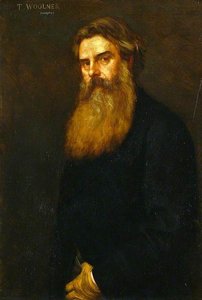
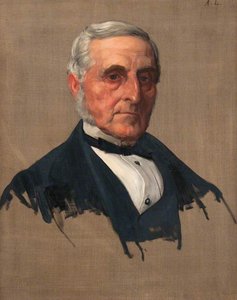
11Interior with an Organist and a Procession (1865) autorstwa Alphonse LegrosInterior with an Organist and a Procession1865 · Ashmolean Museum of Art and Archaeology 12William Cosens Way (1833–1905) (1862) autorstwa Alphonse LegrosWilliam Cosens Way (1833–1905)1862 13Rehearsing the Service (1870) autorstwa Alphonse LegrosRehearsing the Service1870 · Tate Gallery 14The Pilgrimage (1871) autorstwa Alphonse LegrosThe Pilgrimage1871 15Sir Edward Burne Jones (1833–1898), ARA (1869) autorstwa Alphonse LegrosSir Edward Burne Jones (1833–1898), ARA1869 16The Communion (1865) autorstwa Alphonse LegrosThe Communion1865 17The Sermon (1871) autorstwa Alphonse LegrosThe Sermon1871 · Scottish National Gallery 18Centaur Woman (1911) autorstwa Alphonse LegrosCentaur Woman1911 19Death and the Woodcutter (1877) autorstwa Alphonse LegrosDeath and the Woodcutter1877 · Narodowa Galeria Kanady 20Portrait of a Woman (1875) autorstwa Alphonse LegrosPortrait of a Woman1875 · National Gallery of Art 21The Tinker (1874) autorstwa Alphonse LegrosThe Tinker1874 22Tired Wanderer (1878) autorstwa Alphonse LegrosTired Wanderer1878 23Blessing the Sea (1872) autorstwa Alphonse LegrosBlessing the Sea1872 24Portrait of Léon Gambetta (1875) autorstwa Alphonse LegrosPortrait of Léon Gambetta1875 25Head of a Man Looking Upwards and Sideways (1877) autorstwa Alphonse LegrosHead of a Man Looking Upwards and Sideways1877 26Thomas Carlyle (1795–1881), Historian and Essayist (1877) autorstwa Alphonse LegrosThomas Carlyle (1795–1881), Historian and Essayist1877 · Scottish National Portrait Gallery 27Study of a Head (1878) autorstwa Alphonse LegrosStudy of a Head1878 · Walker Art Gallery 28Saint Jerome (1881) autorstwa Alphonse LegrosSaint Jerome1881 · Manchester Art Gallery 29John Gray (1883) autorstwa Alphonse LegrosJohn Gray1883 30Alexander Walker, LLD (1880) autorstwa Alphonse LegrosAlexander Walker, LLD1880 31Head of an Old Man (1881) autorstwa Alphonse LegrosHead of an Old Man1881 · Manchester Art Gallery 32J. Dove Wilson (1833–1908), LLD (1882) autorstwa Alphonse LegrosJ. Dove Wilson (1833–1908), LLD1882 33Sir Edward Coley Burne Jones (1833–1898) (1879) autorstwa Alphonse LegrosSir Edward Coley Burne Jones (1833–1898)1879 34Portrait of a Lady (1879) autorstwa Alphonse LegrosPortrait of a Lady1879 · Sunderland Museum - Winter Gardens 35Robert Browning (1812–1889) (1879) autorstwa Alphonse LegrosRobert Browning (1812–1889)1879 36Thomas Dixon (1831–1880) (1879) autorstwa Alphonse LegrosThomas Dixon (1831–1880)1879 · Sunderland Museum - Winter Gardens 37Professor John Marshall (1818–1891), FRS, Surgeon (1879) autorstwa Alphonse LegrosProfessor John Marshall (1818–1891), FRS, Surgeon1879 38Thomas Huxley (1825–1895), FRS (1880) autorstwa Alphonse LegrosThomas Huxley (1825–1895), FRS1880 39George Wallis (1811–1891), FSA, Keeper of the Art Collections in the South Kensington Museum (1863–1891) (1891) autorstwa Alphonse LegrosGeorge Wallis (1811–1891), FSA, Keeper of the Art Collections in the South Kensington Museum (1863–1891)1891 40An Approaching Storm (1897) autorstwa Alphonse LegrosAn Approaching Storm1897 41Head of a Man with Upturned Eyes autorstwa Alphonse LegrosHead of a Man with Upturned EyesNational Gallery of Art 42The Confession autorstwa Alphonse LegrosThe Confession 43Thomas Woolner autorstwa Alphonse LegrosThomas Woolner 44Le Calvaire autorstwa Alphonse LegrosLe CalvaireMusée d'Orsay 45Le Christ mort autorstwa Alphonse LegrosLe Christ mort 46Study of a Head autorstwa Alphonse LegrosStudy of a Head 47Léon Gambetta autorstwa Alphonse LegrosLéon GambettaMusée d'Orsay 48UNE AMENDE HONORABLE autorstwa Alphonse LegrosUNE AMENDE HONORABLEMusée d'Orsay 49Charles G. Milnes Gaskell, Chairman of the County Council of the West Riding of Yorkshire (1893–1910) autorstwa Alphonse LegrosCharles G. Milnes Gaskell, Chairman of the County Council of the West Riding of Yorkshire (1893–1910)Wakefield County Hall 50Landscape with a Stream and Hills (1882) autorstwa Alphonse LegrosLandscape with a Stream and Hills1882 · Victoria and Albert Museum 51Landscape with a Road over a Hill (1885) autorstwa Alphonse LegrosLandscape with a Road over a Hill1885 · Victoria and Albert Museum 52Interior of a Church with kneeling Figures (1865) autorstwa Alphonse LegrosInterior of a Church with kneeling Figures1865 · Ashmolean Museum 53Interior with an Organist and a Procession (1865) autorstwa Alphonse LegrosInterior with an Organist and a Procession1865 · Ashmolean Museum 54A May Service for Young Women (1868) autorstwa Alphonse LegrosA May Service for Young Women1868 · Victoria and Albert Museum 55Hilly Landscape (1876) autorstwa Alphonse LegrosHilly Landscape1876 · Victoria and Albert Museum 56Portrait of an Old Man autorstwa Alphonse LegrosPortrait of an Old ManNational Gallery of Art 57Memory Copy of Holbein's Erasmus autorstwa Alphonse LegrosMemory Copy of Holbein's ErasmusNational Gallery of Art 58Landscape autorstwa Alphonse LegrosLandscape 59John Bolton, Kendal Town Clerk autorstwa Alphonse LegrosJohn Bolton, Kendal Town Clerk 60Thomas Woolner autorstwa Alphonse LegrosThomas Woolner 61Portrait of a Gentleman autorstwa Alphonse LegrosPortrait of a Gentleman 62John Polson, Esq autorstwa Alphonse LegrosJohn Polson, EsqPaisley Art Institute Collection 63Portrait of a Gentleman autorstwa Alphonse LegrosPortrait of a Gentleman 64John Bolton, Kendal Town Clerk (1832–1874) autorstwa Alphonse LegrosJohn Bolton, Kendal Town Clerk (1832–1874)Kendal Town Hall 65Interior with an Organist and three Figures autorstwa Alphonse LegrosInterior with an Organist and three FiguresAshmolean Museum of Art and Archaeology 66The Tinker autorstwa Alphonse LegrosThe Tinker

Słynne obrazy Alphonse Legros epoka po epoce

Tematy, które przyciągnęły wzrok Alphonse Legros

Cztery motywy najczęściej powracające w tych oryginałach, z których każdy doczekał się swojego najdoskonalszego przykładu.

Muzea przechowujące oryginały Alphonse Legros

8 muzeów, w których znajduje się najwięcej obrazów z tej strony.

Muzea Miasto Dzieła artysty Alphonse Legros Obrazy z tej listy
National Gallery of Art, WaszyngtonNational Gallery of Art Waszyngton 4 Portrait of a Woman, Head of a Man with Upturned Eyes, Portrait of an Old Man
Victoria and Albert Museum, LondynVictoria and Albert Museum Londyn 4 Landscape with a Stream and Hills, Landscape with a Road over a Hill, A May Service for Young Women
Tate Gallery, LondynTate Gallery Londyn 3 Women in Prayer, Cupid and Psyche, Rehearsing the Service
Petit Palais, ParyżPetit Palais Paryż 3 Portrait of Edouard Manet, The Lectern, Portrait of a Woman
Musée d'Orsay, ParyżMusée d'Orsay Paryż 3 Le Calvaire, Léon Gambetta, UNE AMENDE HONORABLE
Ashmolean Museum of Art and Archaeology, OksfordAshmolean Museum of Art and Archaeology Oksford 2 Interior with an Organist and a Procession, Interior with an Organist and three Figures
Manchester Art Gallery, ManchesterManchester Art Gallery Manchester 2 Saint Jerome, Head of an Old Man
Sunderland Museum - Winter Gardens, SunderlandSunderland Museum - Winter Gardens Sunderland 2 Portrait of a Lady, Thomas Dixon (1831–1880)

Alphonse Legros, jedno kultowe dzieło na dekadę

Dzieła według dekad

Wybierz dekadę, aby zobaczyć dzieło, które ją definiuje.

Obrazy artysty Alphonse Legros: odpowiedzi galerii

Który obraz Alphonse Legros jest najsłynniejszy ze wszystkich?Odkryj odpowiedź

Women in Prayer (1888), Tate Gallery, Londyn. Następne są Portrait of Edouard Manet (1863) oraz L'Angelus (1859).

Ile lat miał Alphonse Legros, gdy ukończył Women in Prayer?Odkryj odpowiedź

51 lat: Women in Prayer pochodzi z 1888, a Alphonse Legros urodził(a) się w 1837.

Które to 10 najlepszych obrazów Alphonse Legros?Odkryj odpowiedź

Women in Prayer, Portrait of Edouard Manet, L'Angelus, The Lectern, The Baptism, Le Repas des Pauvres, The Geography Lesson, Portrait of a Woman, The Reverend Robert Burn i Cupid and Psyche. Powyższy ranking zawiera rok powstania oraz muzeum dla każdego z nich.

Ile dzieł stworzył/a Alphonse Legros?Odkryj odpowiedź

Nasz katalog zawiera 73 dzieł artysty Alphonse Legros, datowanych od 1859 do 1911.

Gdzie można znaleźć najsłynniejsze oryginały autorstwa Alphonse Legros?Odkryj odpowiedź

W większości znajdują się w National Gallery of Art (Waszyngton), Victoria and Albert Museum (Londyn) i Tate Gallery (Londyn). Powyższa tabela muzeów zawiera ich pełną listę.

Kiedy Alphonse Legros stworzył swoje najsłynniejsze obrazy?Odkryj odpowiedź

W 1870s: 20 z 66 dzieł na tej stronie powstało w tym czasie, w tym Le Repas des Pauvres.

Które z najsłynniejszych dzieł Alphonse Legros należą do jego najwcześniejszych i najpóźniejszych prac?Odkryj odpowiedź

Na tej stronie najwcześniejszy to L'Angelus (1859), a najpóźniejszy Centaur Woman (1911).

Do jakich tematów Alphonse Legros powracał najczęściej?Odkryj odpowiedź

Landscape (5), Portrait (4) i Church interior (4), w ramach 66 dzieł na tej stronie.

W jakiej technice najczęściej tworzył Alphonse Legros?Odkryj odpowiedź

Oil On Canvas, dla 12 z 66 dzieł na tej stronie.

Z jakim nurtem związany jest Alphonse Legros?Odkryj odpowiedź

Contemporary realism, sądząc po oryginałach na tej stronie.

Które oryginały artysty Alphonse Legros znajdują się w zbiorach National Gallery of Art?Odkryj odpowiedź

Portrait of a Woman, Head of a Man with Upturned Eyes i Portrait of an Old Man: National Gallery of Art, Waszyngton posiada 4 dzieł widocznych na tej stronie.

Alphonse Legros: artysta

Życie łączące narody: Artystyczna podróż Alphonse Legrosa

Alphonse Legros, urodzony w 1837 roku w Dijon we Francji, był artystą, którego życie i twórczość stanowiły fascynujące skrzyżowanie nurtów artystycznych oraz tożsamości narodowych. Jego droga nie była naznaczona natychmiastowym triumfem, lecz raczej stopniowym rozkwitem talentu, pielęgnowanego przez oddane studiom i gotowość do przyjmowania ewoluujących ideałów estetycznych. Od skromnych początków jako syn księgowego w Véronnes, młody Alphonse odnajdywał wczesną inspirację w wiejskich krajobrazach otaczających jego rodzinę – scenach, które później przenikały znaczną część jego dorobku artystycznego. Jego wstępne szkolenie rozpoczęło się w szkole artystycznej w Dijon, gdzie odbywał praktykę u dekoratora wnętrz; było to doświadczenie uziemiające, które zaszczepiło w nim praktyczne zrozumienie materiałów i formy. Następnie przyszedł czas na okres wędrówki jako czeladnik malarz, pracujący w Lyonie, szlifujący swoje umiejętności przy realizacji większych projektów dekoracyjnych. Te formacyjne lata nie dotyczyły jedynie biegłości technicznej; polegały one na chłonięty otaczającego go świata – tekstur wiejskiego życia, gry światła na kamieniu oraz godności codziennej pracy – elementów, które stały się znakami rozpoznawczymi jego dojrzałego stylu.

Od realizmu do odrodzenia akwaforty: Rozwój artystyczny i wpływy

Przyjazd Legrosa do Paryża w 1851 roku stał się punktem zwrotnym. Zanurzył się on w tętniącym życiem środowisku artystycznym, studiując u Charlesa-Antoine Cambona, malarza scenografów, oraz uczęszczając do prestiżdżowej szkoły rysunku Lecoq de Boisbaudran, gdzie spotkał innych wybitnych twórców, takich jak Auguste Rodin czy Jules Dalou. Ten okres przyniósł jego pierwsze kroki w systemie Salonu, przynosząc uznanie za portrety, które przyciągnęły uwagę wpływowych postaci, m.in. Champfleury’ego, rzecznika ruchu realistycznego prowadzonego przez Gustave'a Courbeta. Wczesne dzieła Legrosa, takie jak L'Angelus (1859), demonstrowały oddanie w przedstawianiu scen z codziennego życia z uczciwością i głębią emocjonalną. Jednak to właśnie eksploracja techniki akwaforty naprawdę wyróżniła go na tle innych. W zasadzie sam nauczył się tej techniki, urzeczony jej potencjałem do uchwycenia subtelnych niuansów tonu i tekstury. To poświęcenie ostatecznie doprowadziło go do stania się kluczową postacią brytyjskiego odrodzenia akwaforty. W 1863 roku, zachęcony przez Jamesa McNeilla Whistlera, Legros przeniósł się do Anglii, co była decyzją, która głęboko ukształtowała jego karierę. Szybko ugruntował swoją pozycję jako wpływowy nauczyciel, najpierw w South Kensington School of Art, a później jako profesor Slade w University College London, wychowując pokolenia artystów w sztuce miedziorytu i akwaforty.

Mistrz wielu mediów: Malarstwo, rzeźba i medalierstwo

Choć Legros jest często celebrowany ze względu na swoje akwaforty, definiowanie go wyłącznie przez pryzmat tego medium byłoby krzywdą dla jego wieloaspektowego talentu. Był równie biegły jako malarz i rzeźbiarz, a także tworzył znaczące medale. Jego malarstwo często przedstawiało sceny religijnej pobożności – wnętrza kościołów z klęczącymi postaciami, oddające cichą intensywność wiary – oraz portrety, które ujawniały przenikliwą wnikliwość psychologiczną wobec swoich modeli. Prace te charakteryzują się powściągliwą paletą barw, skrupulatnym detalem i poczuciem powagi. Nie interesowały go wielkie narracje ani krzykliwe widowiska; zamiast tego skupiał się na intymnych momentach ludzkiego doświadczenia. Jego twórczość rzeźbiarska, choć mniej płodna niż malarstwo i grafika, wykazywała podobne przywiązanie do realizmu i głębi emocjonalnej. Co więcej, umiejętności Legrosa rozciągały się na sztukę medalierstwa, tworząc dzieła podziwiane za kunszt i wartość artystyczną. Każdemu medium podchodził z oddaniem dla mistrzostwa technicznego i pragnieniem przekazania głębokiego znaczenia.

Dziedzictwo i znaczenie historyczne

Alphonse Legros zmarł w Watford w 1911 roku, pozostawiając po sobie bogate dziedzictwo zarówno jako artysta, jak i pedagog. Jego wpływ na brytyjską scenę artystyczną był ogromny, szczególnie dzięki nauczaniu w Slade School of Art, gdzie zaszczepił rygorystyczne podejście do rysunku i akwaforty u niezliczonych studentów. Stał na straży tradycyjnych wartości artystycznych – znaczenia warsztatu, uważnej obserwacji i umiejętności technicznych – jednocześnie otwierając się na nowe idee i techniki. Twórczość Legrosa pozostaje świadectwem potęgi cichej kontemplacji oraz trwałego uroku estetyki realistycznej. Jego obrazy i grafiki można odnaleźć w prominentnych muzeach, takich jak Ashmolean Museum w Oksfordzie czy Tate Gallery w Londynie, co sprawia, że jego artystyczna wizja nadal inspiruje i zachwyca współczesną publiczność. Artysta ten stanowi pomost między francuską a brytyjską tradycją artystyczną, ucieleśniając oddanie zarówno doskonałości technicznej, jak i emocjonalnej szczerości – cechom, które nieustannie rezonują zarówno w widzach, jak i u innych twórców. Jego poświęcenie dla pielęgnowania talentów artystycznych utwierdziło jego miejsce jako kluczowej postaci w rozwoju nowoczesnej sztuki brytyjskiej.