Early Life & Classical Foundations: Crocetti’s Formative Years
Modernism was an early 20th-century movement in literature, visual arts, performing arts, and music that emphasized experimentation, abstraction, and subjective experience. Philosophy, politics, architecture, and social issues were all aspects of thi...
Venanzo Crocetti, born in the Adriatic coastal town of Giulianova, Abruzzo in 1913, emerged from a landscape steeped in history and artistic tradition. While not immediately apparent in his later, more abstract works, Crocetti's early education was profoundly shaped by classical ideals. His initial training wasn’t focused on breaking with the past but rather mastering it – a rigorous apprenticeship in traditional sculpting techniques that would become the bedrock of his innovative style. This foundation is crucial to understanding the depth and resonance of his later explorations; he didn’t reject form, but *transformed* it. The Italian peninsula itself served as an open-air museum for the young Crocetti, imbuing him with a sensitivity to proportion, anatomy, and the enduring power of figurative representation. This early immersion in classical aesthetics wasn't merely academic; it instilled a deep respect for the human form and its capacity to convey emotion and narrative – qualities that would remain central to his oeuvre even as he ventured into increasingly modernist territory.
The Venice Biennale Triumph & Rise to Prominence (1938-1960)
The year 1938 marked a pivotal moment in Crocetti’s career: the Grand Prize at the prestigious Venice Biennale. This recognition wasn't simply an accolade; it was a validation of his burgeoning talent and a signal to the art world that a significant new voice had arrived. It propelled him into the forefront of Italian sculpture, a period characterized by both nationalistic fervor and a growing interest in international artistic currents. Crocetti’s work during this era demonstrates a fascinating interplay between these forces. While embracing modernist principles – simplification of form, dynamic composition – he resisted complete abstraction, retaining a recognizable human presence in his sculptures. Works from this period often feature elongated figures, imbued with a sense of both power and vulnerability. This ability to balance classical grace with modern dynamism quickly established him as a leading figure within the Italian artistic landscape, attracting commissions and critical acclaim.
Sculpting Public Space: Urban Commissions and Monumental Works
 The Young Knight of Peace
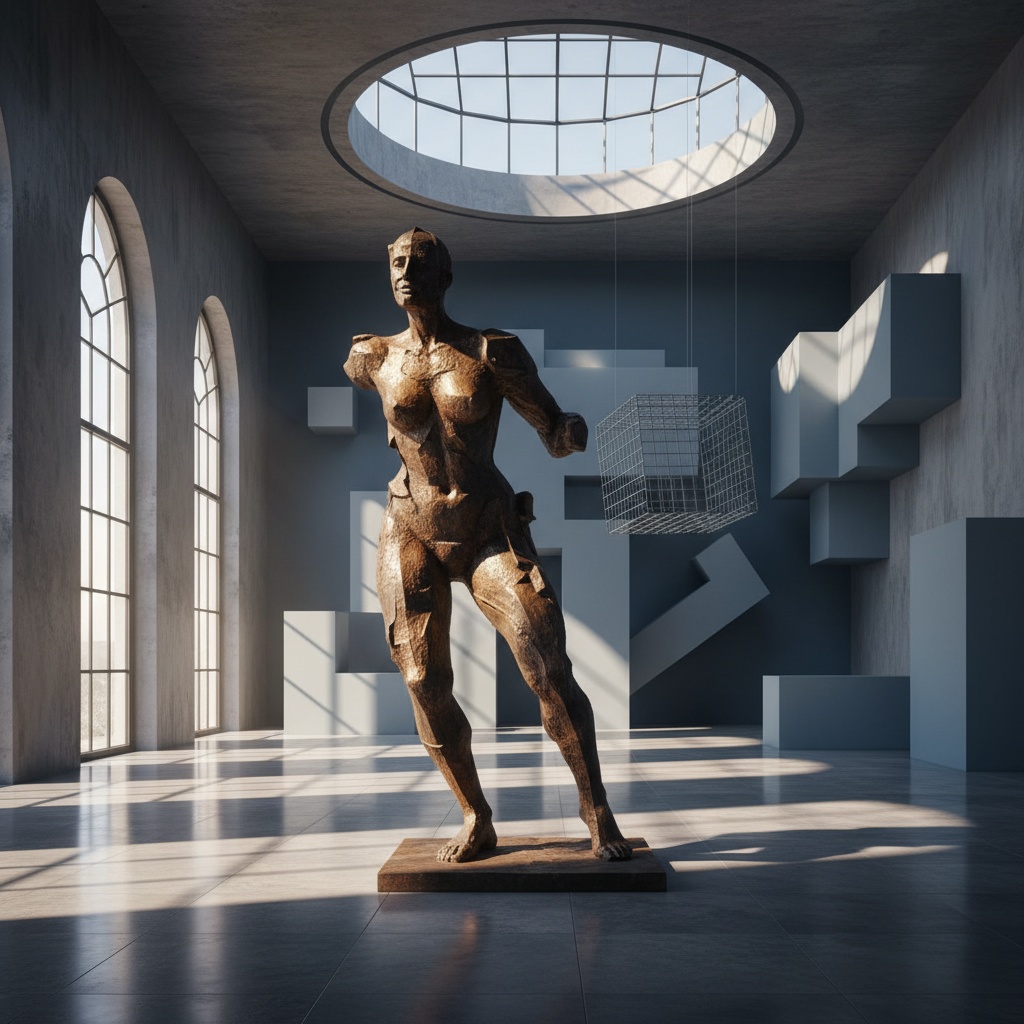
Venanzo Crocetti’s ‘The Young Knight of Peace’ – a bronze statue juxtaposing classical sculpture & modern architecture. Explore this evocative urban artwork.
Crocetti’s ambition extended beyond the confines of galleries and studios; he sought to integrate his art into the fabric of everyday life. He believed sculpture should not be confined to private collections but rather accessible to all, enriching public spaces and fostering a sense of collective identity. This conviction led to numerous urban commissions throughout Italy, transforming city squares and gardens with his monumental works. “The Young Knight of Peace”, for example, exemplifies this approach – a bronze statue that juxtaposes classical sculptural ideals with the realities of modern architecture, creating a dialogue between past and present. These weren’t merely decorative pieces; they were statements about civic pride, cultural heritage, and the enduring human spirit. Crocetti skillfully navigated the challenges of large-scale public art, ensuring his sculptures resonated with both aesthetic beauty and symbolic meaning.
‘The Door of the Sacraments’ & Crocetti's Sacred Commissions
Perhaps one of Crocetti’s most significant achievements is “The Door of the Sacraments” for St. Peter’s Basilica, completed in 1966. This monumental work represents a profound engagement with religious iconography and a masterful display of sculptural technique. The doors are not simply ornamental; they function as a visual narrative, depicting scenes from the sacraments with remarkable detail and emotional depth. The commission itself was a testament to Crocetti’s reputation and artistic skill, entrusted with adorning one of the most sacred sites in Christendom. “The Door of the Sacraments” showcases his ability to synthesize classical form with religious symbolism, creating a work that is both deeply spiritual and aesthetically compelling. The project demanded not only technical prowess but also a nuanced understanding of theological themes – a challenge Crocetti met with exceptional grace and artistry.
Crocetti’s Legacy: The Museum & Continued Influence on Italian Art
The establishment of the Museo Crocetti in Rome serves as a lasting tribute to his prolific career. Housed within his former studio, the museum offers an intimate glimpse into the artist's creative process and showcases over 100 sculptures and paintings spanning decades of work. It’s more than just a collection; it’s a testament to a life dedicated to artistic exploration and innovation. Crocetti’s influence on Italian art continues to be felt today, inspiring generations of sculptors with his unique blend of classical foundations and modernist sensibilities. His commitment to public art, coupled with his masterful technique and profound understanding of form and symbolism, cemented his place as one of Italy's most important 20th-century artists. For collectors seeking works that embody both artistic excellence and cultural significance, Venanzo Crocetti represents a compelling and enduring investment. OriginalUniqueArt.com offers a curated selection of reproductions allowing you to experience the power and beauty of his work firsthand.