The Alchemy of Light: How Impressionists Captured the Sun's Radiance
To step into the world of Impressionism is to surrender oneself to the ephemeral dance of light. For those of us who have spent decades admiring the way a morning mist clings to a lily pond or how the late afternoon sun dissolves the edges of a cathedral, there is a profound magic in this movement. It was not merely a change in technique, but a revolution of perception. The Impressionists sought to capture the instant—that fleeting, breathless moment before the light shifts and the world transforms once more. They moved away from the rigid, studio-bound shadows of the Academy, choosing instead to chase the sun across the landscapes of France, seeking to translate the warmth of a summer day onto the canvas through a delicate alchemy of color and atmosphere.
This pursuit of luminosity required a departure from traditional black and earth tones. Instead, these masters discovered that shadows themselves are filled with reflected light, often composed of deep violets, cerulean blues, and soft ochres. By observing how sunlight interacts with the atmosphere, they learned to paint not just objects, but the very air that surrounds them. This creates a sense of breathing space within the frame, inviting the viewer to feel the warmth on their skin and the gentle breeze through the trees, making each masterpiece a window into a luminous, eternal afternoon.
Golden Hours: Exploring Warm Palettes in Monet and Renoir
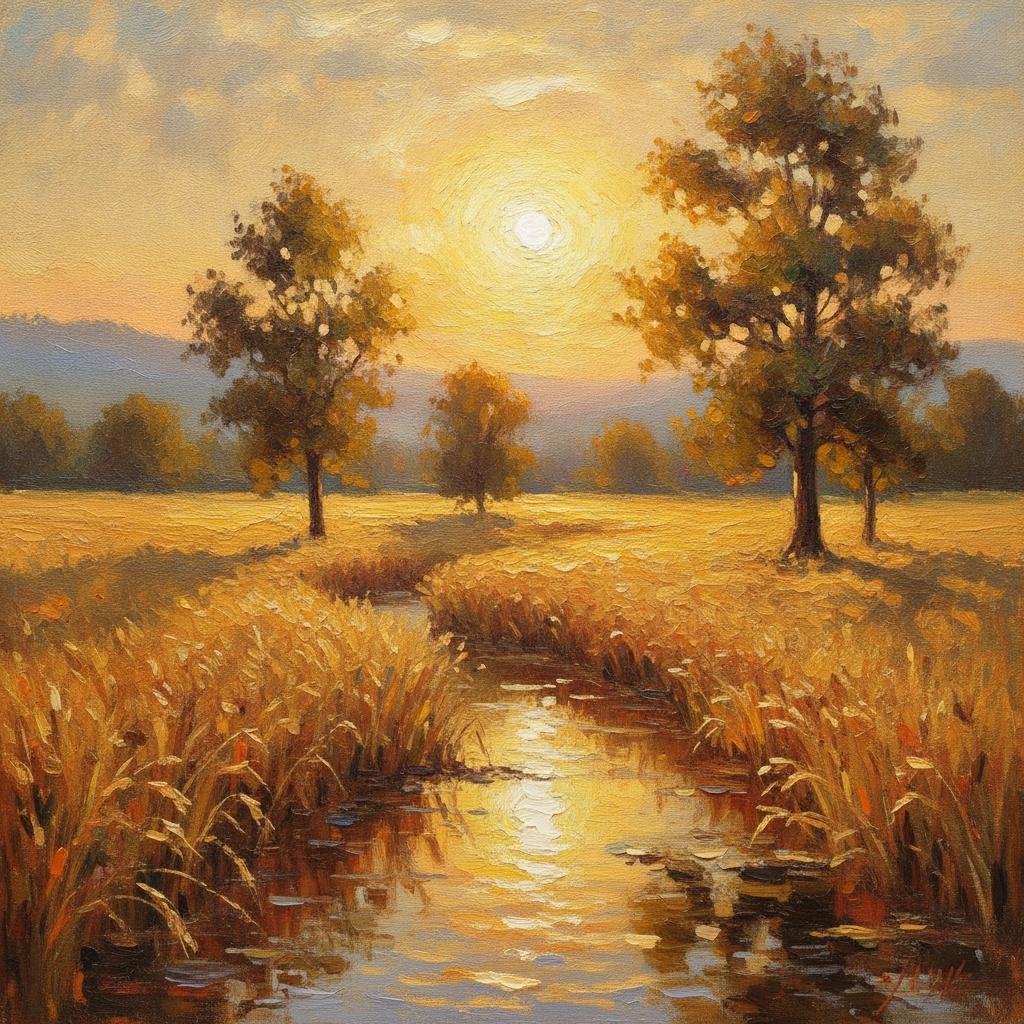
There is a particular tenderness found in the works of Claude Monet and Pierre-Auguste Renoir, where the palette seems to glow from within. When we contemplate Monet’s series, such as his iconic Rouen Cathedral or his serene Water Lilies, we are witnessing a masterclass in the study of light's progression. He understood that the sun is a transformative force; a single subject, viewed at dawn, noon, and dusk, becomes an entirely different entity. In his most radiant moments, the canvas is bathed in a golden hue that feels almost liquid, as if the sunlight has been captured and held captive within the layers of oil paint.
Renoir, conversely, brought this golden warmth to the human form and the social fabric of Parisian life. His brushwork often carries a soft, pearlescent quality, where the light seems to caress the skin of his subjects with an intimate, gentle touch. In his scenes of garden parties and sun-dappled dances, the interplay of light and shadow creates a sense of joy and vitality. For the collector, these works offer more than mere decoration; they provide a sanctuary of warmth, a way to invite the most beautiful hours of the day into the quiet corners of one's home, reminding us of the enduring beauty found in life's simplest, sunlit moments.
Beyond the Surface: The Tactile Beauty of Impasto and Gilded Textures
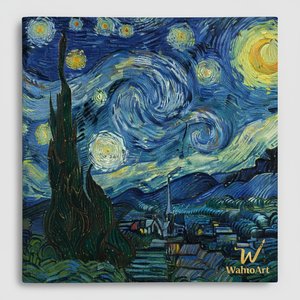
While the visual brilliance of Impressionism is undeniable, much of its emotional power resides in the physical texture of the paint itself. This is where the movement transcends the two-dimensional plane and becomes a sculptural experience. Through the technique of impasto, artists like Vincent van Gogh or even the later Post-Impressionists applied paint with such vigor and thickness that the canvas takes on a rhythmic, undulating topography. These heavy, visible brushstrokes do more than represent light; they catch it. As light hits the ridges of dried oil, it creates tiny, real-world shadows and highlights, adding a kinetic energy to the work.
There is a profound luxury in this tactile depth. When we look at a high-quality reproduction that honors these thick, sculptural textures, we feel the artist's hand—the very pulse of their creative struggle. This physical presence is often complemented by the use of luminous tones that mimic the effect of gold leaf or gilded light. The way a heavy stroke of cream or pale yellow sits atop a darker base creates a sense of relief and brilliance, much like the precious metals found in ancient treasures. It is this marriage of light and texture that allows a painting to command a room, offering a sensory richness that a flat print can never replicate.
A Symphony of Color: Capturing Sunlight through Post-Impressionist Vibrancy
As the Impressionist movement evolved into Post-Impressionism, the capture of light became even more structured and symbolic. Artists like Georges Seurat and Paul Cézanne took the fleeting observations of their predecessors and infused them with a deeper, more permanent sense of color theory. Seurat’s pointillism is perhaps the most scientific approach to luminosity; by placing tiny, distinct dots of pure color side-by-side, he allowed the viewer's eye to optically mix them, creating a shimmering, vibrating light that feels as though it is humming on the canvas.
Cézanne, meanwhile, used color to build form, using patches of warm and cool tones to create a sense of weight and permanence. In his landscapes, the sunlight is not just a passing visitor but a structural element that defines the very bones of the earth. This era brought a new intensity to the palette—vibrant yellows, deep oranges, and electric blues—that pushed the boundaries of what color could communicate. It was no longer just about seeing the light; it was about feeling the emotional resonance of color, using a symphony of hues to evoke feelings of stability, passion, or profound peace.
Bringing the Glow Home: Curating Luminous Masterpieces for Your Private Collection
For the dedicated lover of art, the ultimate joy lies in surrounding oneself with the works that have shaped our aesthetic sensibilities. Integrating these luminous, light-drenched masterpieces into a modern interior requires a thoughtful approach to curation. Much like an interior designer uses gold accents to add sophistication, a collector uses Impressionist works to introduce warmth and soul. A large-scale, multi-panel reproduction of a Monet landscape can act as a breathtaking focal point for a wide wall, creating a sense of expansive, sunlit vistas within a room.
When selecting pieces for your collection, consider the interplay between the artwork and your existing light sources. A painting with heavy impasto and golden tones will truly come alive under soft, warm lamp lighting, while works with cooler, blue-toned shadows may find their strength in bright, natural daylight. Whether you are looking to transform a quiet study with the meditative gold of a textured study or seeking to revitalize a grand hallway with the vibrant energy of a Post-Impressionist landscape, art is a lasting legacy. It is an invitation to pause, to breathe, and to forever hold onto the radiant, golden light of the masters.
At OriginalUniqueArt.com, we share this lifelong passion for the Impressionist era. We specialize in creating museum-quality, hand-painted oil reproductions that honor the true essence of these masters—from the thick, expressive brushstrokes of Van Gogh to the ethereal, light-filled landscapes of Monet. Our artists, trained in the finest academies, work meticulously on 100% cotton canvas to ensure every highlight and shadow is captured with academic precision. We invite you to explore our curated collections and perhaps find that perfect, luminous piece to illuminate your home.