

 Zobacz w skali 1:1
 Wyślij
 Udostępnij
 Szczegóły

 Pobierz plik obrazu
 Podobne obiekty
 RTG
RTG Pokaz slajdów
 Statystyki
Pan i Pani Andrews
 Olej na płótnie
- Sztuka ścienna
- Rococo Elegance
 1748
1748- Wczesna nowożytność
 70.0 x 119.0 cm
 Narodowa Galeria Sztuki
 Czytaj więcej
Ręcznie malowana reprodukcja olejowa
Ręcznie malowany obraz olejny na płótnie, wykonany na zamówienie przez naszych artystów w wybranym przez Ciebie wymiarze i oprawie. ( Przełącz na wersję drukowaną Przełącz na wersję cyfrową)




P118B $10

P118H $10

P118W $10

P438Z $10

P508JH $12

P508YH $12

P805H $10

P805Z $10

P919BZ $10

P919G $10

P919XJ $10

P959ZH $10

P968JZ $12

W106C $8

W218G $10

W218JH $8

W218Y $10

W307PJ $10

W316G $10

W316PJ $8

W316Y $10

W398PJ $8

W4111J $10

W500HY $15

W500JH $15

W692G $12

W849H $8

W940BG $15

W953PJ $8




Wybierz spośród naszych standardowych rozmiarów, które zachowują oryginalne proporcje dzieła sztuki.

Możesz wprowadzić własne wymiary, aby dopasować obraz do konkretnej ramy lub przestrzeni. Jeśli wybrany rozmiar nie będzie odpowiadał proporcjom oryginału, przytniecie dzieło sztuki lub rozszerzymy je o dodatkowe elementy, ręcznie domalowane przez artystę. Przed rozpoczęciem produkcji wyślemy projekt cyfrowy do Twojej akceptacji.
Należy pamiętać, że podgląd na ekranie nie odzwierciedla rzeczywistego przycinania ani rozszerzania obrazu. Tylko projekt dokładnie pokaże ostateczną kompozycję.
Choć oferujemy możliwość zamówienia niestandardowych rozmiarów, zalecamy wybór wymiaru z gotowej listy, aby zachować oryginalne proporcje dzieła.
Po złożeniu zamówienia zespół OriginalUniqueArt.com skontaktuje się z klientem drogą mailową w celu uzyskania instrukcji i prześle wizualizację projektu
Dostawa na całym świecie () w ciągu 3–4 tygodni zamiast standardowych 5 tygodni. (17 Wrzesień). Bez kompromisów w kwestii jakości.

Bezpłatna ekspresowa wysyłka na cały świat

Wysokiej jakości płótno lniane

Pełne ubezpieczenie transportowe

Gwarancja zwrotu należności celnych i podatków importowych

Gwarancja idealnego odwzorowania barw

100-dniowy okres na zwrot dzieła w przypadku wykrycia wad produkcyjnych

Gwarancja 100% zwrotu pieniędzy

Oferta przy zakupie wielu sztuk
 Opcja ze szkłem jest dostępna wyłącznie w rozmiarach poniżej 110 cm

Pan i Pani Andrews
Technika wykonania
Rozmiar reprodukcji
-


Suma do zapłaty
$ 325
Mr and Mrs Andrews – A Portrait of Georgian Elegance
Thomas Gainsborough’s “Mr and Mrs Andrews,” painted in 1748, transcends the simple depiction of a marital portrait; it embodies the spirit of the English Enlightenment and offers a profound glimpse into the social fabric of Georgian Britain. This masterpiece resides within the National Gallery in London, captivating viewers with its masterful blend of formal grandeur and intimate observation. It’s more than just paint on canvas—it's a testament to Gainsborough’s artistic vision and his ability to capture the essence of human connection against a backdrop of serene rural beauty.Subject & Composition: Reflecting Status and Harmony
The painting portrays Robert Andrews, a landowner and moneylender, alongside his wife, Frances. Gainsborough skillfully positions them centrally beneath a sprawling oak tree—a deliberate choice symbolizing prosperity and rootedness – reflecting the aspirations of the landed gentry during this period. Mr. Andrews stands with dignified composure, subtly gesturing towards their expansive estate, conveying both personal pride and social responsibility. Beside him sits Mrs. Andrews, radiating grace and elegance as she observes the landscape. The inclusion of a loyal hunting dog and rifle isn’t merely decorative; it speaks to the couple's active engagement in rural pursuits—a visual declaration of wealth and dominion over their land. This balanced composition reinforces the prevailing belief that true nobility resided not only in lineage but also in virtuous conduct and connection with nature.Style & Artistic Technique: Rococo Refinement Illuminated
“Mr and Mrs Andrews” is quintessential Rococo art, characterized by its delicate ornamentation and luminous color palettes. Gainsborough’s technique showcases an unparalleled mastery of glazing—a layering process that imbues the canvas with a breathtaking radiance. Observe how light dances across Mr. Andrews' face and Mrs. Andrews’ gown, enhancing their three-dimensionality while softening edges – creating an ethereal quality. The landscape background is rendered with meticulous detail; Gainsborough painstakingly captures atmospheric perspective, utilizing subtle tonal variations to convey depth and realism. His innovative approach elevates portraiture by seamlessly integrating it with the grandeur of the natural world, establishing a harmonious dialogue between human presence and environmental beauty.Historical Context: The Georgian Ideal
Painted during the reign of George II, “Mr and Mrs Andrews” reflects the broader cultural preoccupation with pastoral ideals—the belief that happiness could be found in simplicity and communion with rural life. This artistic trend mirrored societal values, emphasizing moral virtue and familial piety alongside material success. Gainsborough’s depiction aligns perfectly with this ethos, portraying a couple embodying stability, refinement, and contentment within their idyllic surroundings – an image emblematic of the Georgian era's aspiration for civilized harmony.Symbolism & Emotional Impact: Beyond Representation
The painting transcends mere visual representation; it communicates profound symbolic meanings. The oak tree represents strength and longevity—a metaphor for the Andrews’ enduring marriage and prosperous estate. Similarly, the dog symbolizes loyalty and guardianship – mirroring the virtues expected of a gentleman during this time. More importantly, Gainsborough captures an intangible emotion: the quiet serenity of companionship and the understated beauty of rural life. Viewing “Mr and Mrs Andrews” evokes feelings of tranquility, admiration for refined taste, and contemplation on the enduring values of family and tradition—a legacy that continues to inspire artists and collectors alike.Biografia artysty
A Suffolk Beginning: The Early Life and Artistic Awakening
The story of Thomas Gainsborough, one of Britain’s most celebrated artists, unfolds not within the confines of a grand academy or bustling metropolis, but in the tranquil market town of Sudbury, Suffolk. Born in 1727, the youngest son of John Gainsborough, a weaver and wool merchant, young Thomas displayed an innate artistic sensibility from a remarkably early age. While his siblings pursued more conventional paths, Thomas’s world rapidly became consumed by drawing and painting – miniature self-portraits and delicate landscapes blossoming from his hand even before he reached ten years old. This precocious talent wasn't merely a childhood pastime; it was the burgeoning of a vision that would reshape British art. His father, recognizing this unique gift, encouraged its development, setting young Thomas on a path diverging sharply from the family trade. The Suffolk countryside itself became his first studio, imbuing his later works with a deep and abiding love for the natural world – a characteristic that would distinguish him throughout his career. This early immersion in landscape wasn’t simply about replicating what he saw; it was about *feeling* the essence of the English countryside, an emotional resonance that would permeate his canvases for decades to come.London and the Shaping of a Style: Influences and Early Commissions
In 1740, at the age of thirteen, Gainsborough journeyed to London, embarking on formal artistic training under Hubert Gravelot, a French engraver renowned for his elegant rococo style. This exposure proved pivotal, introducing him to refined techniques and fashionable aesthetics. However, it was his association with William Hogarth and the St Martin’s Lane Academy that truly began to mold his artistic identity. Initially influenced by Hogarth's narrative approach – his focus on social commentary and moral lessons – Gainsborough soon charted his own course, developing a distinctive style characterized by its lightness of touch, fluid brushwork, and subtle color palettes. He absorbed lessons from various masters, including the Dutch landscape painters whose atmospheric effects he admired, yet resisted strict adherence to any single school, forging a path that blended observation with imagination. Returning to Sudbury after marrying Margaret Burr in 1746, Gainsborough established himself as a portraitist for the local gentry. This period honed his skills in capturing likenesses and character, but it was during his subsequent move to Ipswich, and later Bath, that he began attracting a more sophisticated clientele – individuals who appreciated not just accurate representation, but also artistic flair and emotional depth.Bath and Beyond: Portraiture, Landscape, and Royal Patronage
The years spent in Bath (1759-1774) marked a significant turning point in Gainsborough’s career. The city was a hub of fashionable society, providing him with ample opportunities to paint portraits of the wealthy and influential. He quickly gained renown for his ability to capture not only physical resemblance but also the personality and social standing of his sitters. His portraits weren't merely depictions; they were statements about identity and status. He experimented with new techniques, incorporating elements of Rococo style while retaining a distinctly English sensibility. However, even amidst the demands of portraiture, Gainsborough never abandoned his passion for landscape painting. In fact, he often seamlessly integrated landscapes into his portraits, creating compositions that celebrated both human subjects and the beauty of the natural world. This innovative approach – a hallmark of his style – set him apart from many of his contemporaries. The culmination of his success came with his move to London in 1774, where he established a studio on Pall Mall and became a founding member of the Royal Academy. He also secured royal patronage, becoming a favorite painter of King George III and Queen Charlotte, further solidifying his position as one of Britain’s leading artists. *Mrs. Thomas Gainsborough*, painted in 1785, exemplifies this period – an elegant portrait showcasing rococo style and muted tones.A Legacy of Innovation: Enduring Appeal and Influence
Thomas Gainsborough died in 1788, leaving behind a body of work that continues to captivate audiences today. His influence on subsequent generations of British artists is undeniable. He liberated portraiture from rigid formality, infusing it with spontaneity and emotional resonance. His loose brushwork and atmospheric effects paved the way for the Impressionists, while his lyrical landscapes inspired artists like John Constable, who deeply admired Gainsborough’s ability to capture the spirit of the English countryside. Gainsborough's legacy extends beyond technique; it lies in his profound understanding of human character and his unwavering commitment to artistic expression. He wasn’t simply a painter of portraits or landscapes; he was a storyteller, a poet of light and color, and a visionary who transformed British art.Exploring Gainsborough's World Today
Gainsborough’s House, in his birthplace of Sudbury, stands as a testament to his life and work, offering visitors an intimate glimpse into his early influences and artistic development. Christchurch Mansion in Ipswich houses a significant collection of Gainsborough paintings alongside works by Constable and other masters. Numerous museums across the United Kingdom and internationally display his masterpieces, including the National Gallery in London and the Metropolitan Museum of Art in New York. His work continues to be studied, analyzed, and celebrated, ensuring that his artistic vision will endure for generations to come. The enduring appeal of Gainsborough’s art lies not only in its technical brilliance but also in its timeless beauty and emotional depth – qualities that resonate with viewers across centuries. His paintings are a testament to the power of observation, imagination, and the enduring allure of the English landscape.
Tomasz Gainsborough
1727 - 1788 , Wielka Brytania
Najważniejsze informacje
- Artistic Movement Or Style: Rokok, Portret
- Artists Or Movements Influenced By This Artist:
- John Constable
- Impressioniści
- Artists Who Influenced This Artist:
- Hubert Gravelot
- William Hogarth
- Date Of Birth: 1727
- Date Of Death: 1788
- Full Name: Thomas Gainsborough
- Nationality: Brytyjski
- Notable Artworks:
- Pan i Pani Andrews
- Chłopiec niebieski
- Place Of Birth (City And Country): Sudbury, Anglia
Zobacz także powiązane artykuły
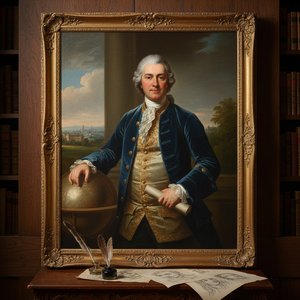
Thomas Hudson: A Study in 18th-Century Portraiture & British Artistic Identity
Explore the life & work of Thomas Hudson, a leading 18th-century British portraitist. Discover his mastery of the 'Grand Manner,' influential style, and lasting impact on British art. Learn about his notable portraits like Judge William Noel & Alexander Van Aken.

Top 10 arcydzieł epoki rokoka: artyści, historia i dekoracje wnętrz | OriginalUniqueArt.com
Odkryj 10 arcydzieł epoki rokoka! Poznaj Watteau, Boucher’a i Fragonarda – artystów, którzy zdefiniowali ten styl. Inspiracje wnętrzarskie, pastelowe kolory i reprodukcje obrazów najwyższej jakości na OriginalUniqueArt.com. Eksploruj kolekcję online!
Arcydzieła XVIII Wieku: 10 Obrazów, Które Zdefiniowały Epokę | OriginalUniqueArt
Odkryj 10 arcydzieł XVIII wieku! Poznaj historie Watteau, Fragonarda i Canaletta. Reprodukcje obrazów w stylu rokoko i klasycyzmu idealne do Twojego wnętrza. Inspiracje artystyczne na OriginalUniqueArt.com

Rokokowy przepych: Bunt i rozkosz w sztuce XVIII wieku
Poznaj fascynujący świat rokoka – stylu pełnego wdzięku i przepychu! Odkryj historię, charakterystykę oraz wpływ tego nurtu na sztukę XVIII wieku. Ekspercka analiza i inspiracje dla miłośników historii sztuki.

Joseph Highmore: Moral Tales & Domestic Genre in 18th-Century British Art
Explore the captivating world of Joseph Highmore, a leading British Rococo painter. Discover his elegant portraits, insightful 'Pamela' illustrations & contributions to 18th-century art history. Learn more at OriginalUniqueArt.


