De Stijl · 1928
Composition with half values (Theo van Doesburg, 1928)
Theo van Doesburg (1883–1931) stworzył Composition with half values. Dzieło pochodzi z 1928. Należy do nurtu De Stijl. Wykonano w technice Oil On Canvas. Przechowywane jest w Kunstmuseum Basel w Bazylea, Szwajcaria. Wymiary to 50 × 50 cm.
- 1928
- Oil On Canvas
- 50 × 50 cm
- Kunstmuseum Basel, Bazylea

 Podgląd w skali 1:1

 Ręcznie malowany obraz olejny
 Wyślij jako kartkę
 Udostępnij
 Karta informacyjna


 Pobierz obraz
 Podobne obiekty
 RTG
 Pokaz slajdów
 Pytania i odpowiedzi

 Statystyki
Composition with half values w skrócie
- Tytuł
- Composition with half values
- Artysta
- Theo van Doesburg (1883–1931)
- Miejsce urodzenia artysty
- Utrecht, Holandia
- Data powstania
- 1928
- Technika wykonania
- Oil On Canvas
- Wymiary
- 50 × 50 cm
- Gdzie można je zobaczyć
- Kunstmuseum Basel, Bazylea, Szwajcaria
- Ruch
- De Stijl
- Epoka
- Modern
- Temat
- abstract, geometric, composition, rectangles, primary colors, de stijl
Co przedstawia Composition with half values?
Composition with Half Values: A De Stijl Masterpiece
Theo van Doesburg's "Composition with half values," created in 1928, stands as a pivotal work within the De Stijl movement. This oil on canvas painting exemplifies the artist’s dedication to geometric abstraction and his exploration of visual harmony through carefully balanced forms and colors. Housed in the Kunstmuseum Basel, Switzerland, this piece is more than just an aesthetic arrangement; it's a testament to a revolutionary artistic philosophy.
The De Stijl Movement and Its Principles
To fully appreciate "Composition with half values," understanding the De Stijl movement is crucial. Founded in 1917 by Piet Mondrian and van Doesburg, De Stijl (meaning “The Style” in Dutch) aimed to create a universal artistic language based on pure abstraction. The movement rejected representational art, believing that it distracted from underlying mathematical principles of harmony and order. Key tenets included:
- Geometric Forms: A preference for straight lines, squares, and rectangles over curves or organic shapes.
- Primary Colors: Limited palette consisting primarily of red, yellow, blue, black, white, and grey.
- Spatial Relationships: Emphasis on the relationships between forms and colors to create a sense of balance and dynamism.
- Rejection of Perspective: A flattening of space, eliminating traditional perspective techniques.
De Stijl artists believed that by reducing art to its essential elements, they could reveal universal truths about the universe and contribute to a more harmonious society.
Analyzing "Composition with Half Values"
The painting itself is a striking example of these principles. It features a grid-like structure dominated by rectangular shapes in muted blues and whites. A large, vibrant blue square disrupts the otherwise orderly arrangement at the top, while a yellow rectangle anchors the composition at the bottom. The interplay between these elements creates a dynamic tension.
The title "Composition with half values" refers to van Doesburg's exploration of visual balance. He sought to create compositions where opposing forces – like color and shape – were in equilibrium, representing a sense of harmony. While Mondrian favored strict right angles, van Doesburg later reintroduced diagonals into his work, as seen here, pushing the boundaries of De Stijl’s established rules.
Symbolism and Emotional Impact
Although abstract, "Composition with half values" evokes a range of emotions. The rigid geometry can convey a sense of order and control, while the contrasting colors introduce an element of surprise and visual excitement. The painting's lack of representational imagery encourages viewers to engage directly with the forms and colors themselves, prompting introspection and contemplation.
Beyond its aesthetic qualities, the artwork symbolizes a search for universal harmony and balance through reduction to fundamental geometric elements. It reflects a broader cultural shift towards abstraction in the early 20th century, as artists sought new ways to express their ideas and challenge traditional artistic conventions. "Composition with half values" remains a powerful testament to the enduring legacy of De Stijl and its profound influence on modern art and design.
W którym muzeum znajduje się Composition with half values?
Kunstmuseum Basel
Bazylea, Szwajcaria
Początki i historia Kunstmuseum Basel Historia Kunstmuseum Basel ma swoje korzenie w przejęciu Gabinetu Amerbach. Ta niezwykła kolekcja, która stała się fundamentem instytucji, została zakupiona przez miasto Bazylea oraz Uniwersytet Bazylejski w 1671 roku. Decyzja o udostępnieniu tych dzieł szerokiej publiczności sprawiła, że muzeum stało się pierwszą w swoim rodzaju publiczną kolekcją sztuki.


Zdjęcia w wysokiej rozdzielczości dzieła Composition with half values
Domena publiczna: artysta zmarł w 1931.
Theo van Doesburg, Composition with half values (1928), Kunstmuseum Basel. Domena publiczna
Odpowiedzi na pytania dotyczące Composition with half values
W którym muzeum znajduje się oryginał "Composition with half values"?
„Composition with half values” – Theo van Doesburg znajduje się w zbiorach Kunstmuseum Basel, Bazylea, Szwajcaria. Informacja o muzeum dotyczy oryginału, a nie reprodukcji.
W którym roku powstało dzieło "Composition with half values"?
"Composition with half values" powstało w 1928 roku. Data ta pozwala umiejscowić dzieło w kontekście twórczości Theo van Doesburg oraz epoki, w której powstało.
Z jakiej techniki wykorzystano "Composition with half values"?
Technika wykonania dzieła „Composition with half values” – Theo van Doesburg to Oil On Canvas. Reprodukcje mają na celu wierne oddanie wyglądu tej techniki.
Jakie są rzeczywiste wymiary dzieła „Composition with half values” – Theo van Doesburg?
Oryginalny utwór „Composition with half values” – Theo van Doesburg ma wymiary 50 x 50 cm.
Co przedstawia „Composition with half values” – Theo van Doesburg?
Tematyka dzieła "Composition with half values" to abstract, geometric, composition, rectangles, primary colors, de stijl, grid, minimalism.
Czy obraz „Composition with half values” – Theo van Doesburg można swobodnie reprodukować?
„Composition with half values” – Theo van Doesburg znajduje się w domenie publicznej (należy do domeny publicznej – autorskie prawa majątkowe wygasły). Status ten określa zasady reprodukcji obrazu tego dzieła.
Któremu artyście przypisuje się "Composition with half values"?
Autorstwo dzieła "Composition with half values" przypisuje się Theo van Doesburg.
Do jakiego nurtu w sztuce należy „Composition with half values” – Theo van Doesburg?
Nurt związany z „Composition with half values” – Theo van Doesburg to De Stijl. Ta klasyfikacja sytuuje dzieło wśród pokrewnych artystów i dzieł sztuki.
Do którego okresu twórczości Theo van Doesburg należy dzieło „Composition with half values”?
W dorobku artystycznym Theo van Doesburg dzieło „Composition with half values” przypada na Mature Period. Ten etap pozwala zestawić je z innymi pracami twórcy.
O artyście: Theo van Doesburg

1883–1931, Holandia
Theo van Doesburg
The Architect of Abstraction: A Life in Geometric Harmony Theo van Doesburg, born Christian Emil Marie Küpper in 1883 in Utrecht, Netherlands, wasn’t merely a painter; he was a revolutionary force who fundamentally reshaped the landscape of modern art. His journey began amidst the lingering echoes of Impressionism and Post-Impressionism – initially mirroring styles reminiscent of Vincent van Gogh – both in subject matter and emotional intensity. However, this early phase served as a crucial prelude, a necessary stepping stone toward the radical transformation that would define his enduring legacy. A pivotal moment arrived in 1913 with his encounter with Wassily Kandinsky’s *Rückblicke*.
Inne prace Theo van Doesburg
 Counter composition XV1925
 Rhythm of a Russian Dance
 Troelstra1910
 Study for Composition VIII (The Cow)1918
Eseje o Composition with half values
 Geometry with Purpose: Distinguishing Suprematism from ConstructivismMaster the differences between Suprematism and Constructivism with our expert guide. Discover the soul of the Russian avant-garde now.
 De Stijl and Bauhaus: Distinguishing Two Pillars of Modern DesignMaster the distinctions between De Stijl and Bauhaus design. Explore the history of these modern pillars now.
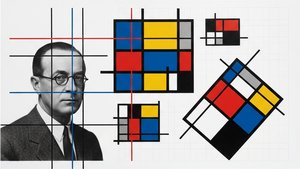 Theo van Doesburg: Pioneering De Stijl & the Evolution of Neo-PlasticismExplore the revolutionary De Stijl movement & Neo-Plasticism with our expert guide. Discover Piet Mondrian, Theo van Doesburg, and the last…