
 Podgląd w skali
 Wyślij jako kartkę
 Udostępnij
 Szczegóły dzieła

 Pobierz
 Podobne obiekty
 RTG
RTG Pokaz slajdów
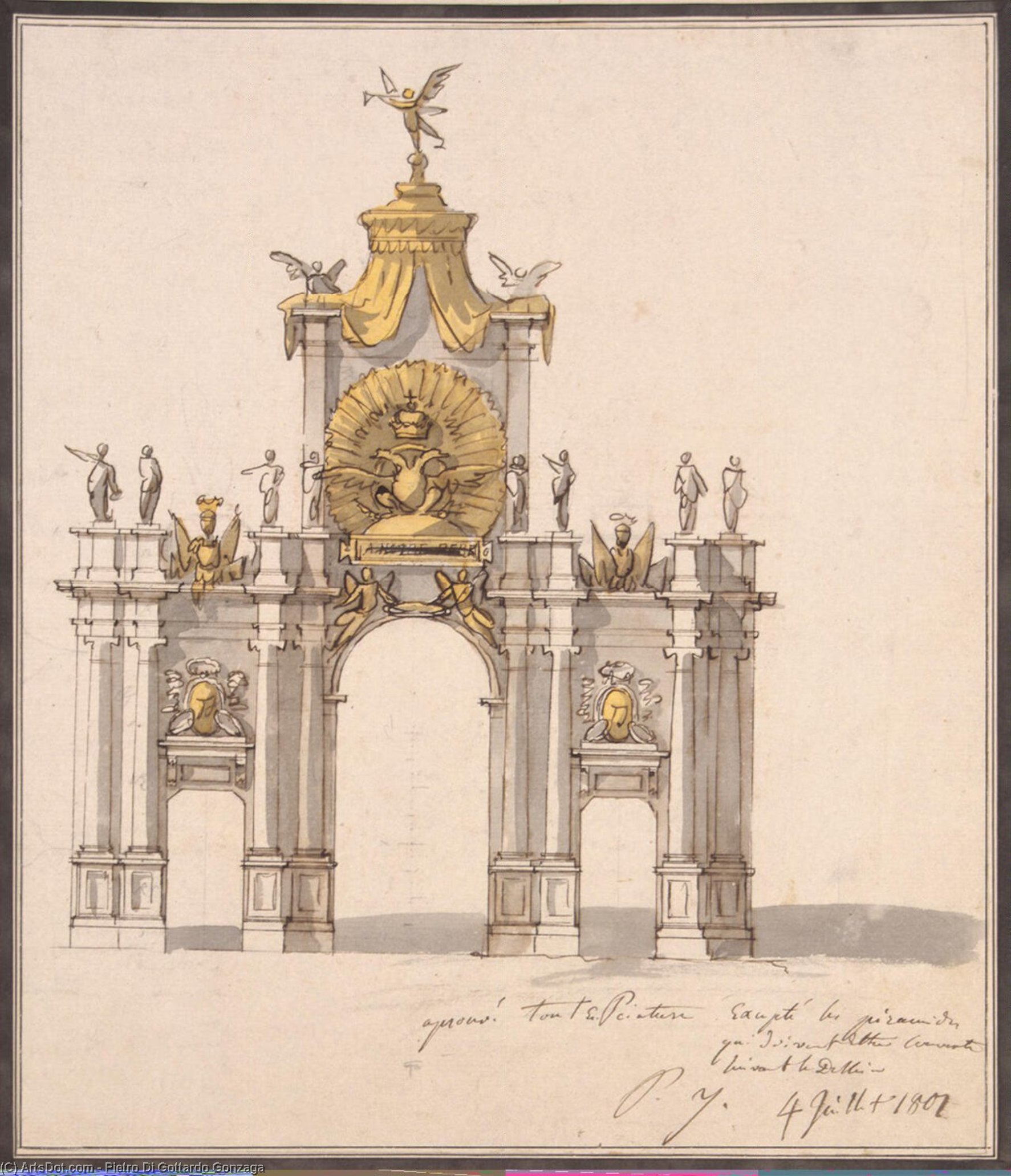
Projekt dekoracji dla triumfalnej czerwonej bramy w Moskwie
 Akryl na płótnie
- Sztuka ścienna
- Romanticism
 1797
1797 365.0 x 320.0 cm
 Muzeum Ermitażu
 Rozwiń treść
Ręcznie malowana reprodukcja olejowa
Ręcznie malowany obraz olejny na płótnie, wykonany na zamówienie przez naszych artystów w wybranym przez Ciebie wymiarze i oprawie. ( Zamów wydruk Przełącz na obraz)




P118B $10

P118H $10

P118W $10

P438Z $10

P508JH $12

P508YH $12

P805H $10

P805Z $10

P919BZ $10

P919G $10

P919XJ $10

P959ZH $10

P968JZ $12

W106C $8

W218G $10

W218JH $8

W218Y $10

W307PJ $10

W316G $10

W316PJ $8

W316Y $10

W398PJ $8

W4111J $10

W500HY $15

W500JH $15

W692G $12

W849H $8

W940BG $15

W953PJ $8




Wybierz spośród naszych standardowych rozmiarów, które zachowują oryginalne proporcje dzieła sztuki.

Możesz wprowadzić własne wymiary, aby dopasować obraz do konkretnej ramy lub przestrzeni. Jeśli wybrany rozmiar nie będzie odpowiadał proporcjom oryginału, przytniecie dzieło sztuki lub rozszerzymy je o dodatkowe elementy, ręcznie domalowane przez artystę. Przed rozpoczęciem produkcji wyślemy projekt cyfrowy do Twojej akceptacji.
Należy pamiętać, że podgląd na ekranie nie odzwierciedla rzeczywistego przycinania ani rozszerzania obrazu. Tylko projekt dokładnie pokaże ostateczną kompozycję.
Choć oferujemy możliwość zamówienia niestandardowych rozmiarów, zalecamy wybór wymiaru z gotowej listy, aby zachować oryginalne proporcje dzieła.
Po złożeniu zamówienia zespół OriginalUniqueArt.com skontaktuje się z klientem drogą mailową w celu uzyskania instrukcji i prześle wizualizację projektu
Dostawa na całym świecie () w ciągu 3–4 tygodni zamiast standardowych 5 tygodni. (7 Sierpień). Bez kompromisów w kwestii jakości.

Bezpłatna ekspresowa wysyłka na cały świat

Wysokiej jakości płótno lniane

Pełne ubezpieczenie przesyłki

Gwarancja zwrotu należności celnych i podatków importowych

Gwarancja wiernego odwzorowania kolorów

Polityka 60-dniowego zwrotu (tylko w przypadku wad)

Gwarancja 100% zwrotu kosztów

Zniżka przy zamówieniu wielu produktów
 Opcja ze szkłem jest dostępna wyłącznie w rozmiarach poniżej 110 cm

Projekt dekoracji dla triumfalnej czerwonej bramy w Moskwie
Technika reprodukcji
Wymiary reprodukcji
-


Cena całkowita
$ 300
Opis dzieła
Design of the Decoration for the Triumphal Red Gate in Moscow
Pietro di Gottardo Gonzaga’s “Design of the Decoration for the Triumphal Red Gate in Moscow” stands as a testament to Venetian artistic sensibilities during the Enlightenment, capturing not merely architectural grandeur but also the spirit of imperial ambition. Executed in 1797, this intricate drawing—now housed within the Hermitage Museum—offers a glimpse into a pivotal moment in Russian history: Pavel I’s coronation ceremony and the desire to commemorate it with an opulent monument. Gonzaga, deeply influenced by classical principles and masterful in capturing atmospheric perspective, skillfully blended pen and ink with watercolour and Indian ink to achieve a remarkable illusion of depth and realism. The drawing itself depicts a triumphal arch—a symbol universally recognized for celebrating victory and commemorating significant events—dominated by statues representing figures embodying imperial power and prestige. The central element is a clock, meticulously rendered, symbolizing time’s relentless march forward and emphasizing the importance of this ceremonial occasion. Surrounding it are several statues depicting noblemen and dignitaries, reflecting the social hierarchy prevalent during Pavel I's reign. Two birds perched atop the arch add to the decorative flourish, representing freedom and aspiration—themes central to Enlightenment ideals. Gonzaga’s meticulous attention to detail is evident in every stroke, demonstrating a profound understanding of trompe-l'œil techniques designed to deceive the eye and heighten the visual impact. Gonzaga’s artistic approach aligns perfectly with the broader trends of Romanticism, which championed emotion and imagination alongside reason and observation. Unlike many artists preoccupied with grand commissions for churches or palaces, Gonzaga focused on architectural studies—a deliberate choice reflecting a fascination with capturing the beauty of space and conveying complex narratives through visual representation. His work embodies the Venetian tradition of combining technical precision with artistic expression, resulting in images that resonate with both intellectual curiosity and aesthetic pleasure. The drawing’s enduring appeal lies not only in its impressive scale but also in its ability to evoke feelings of awe and grandeur. Gonzaga successfully translated historical significance into a captivating visual experience—a feat achieved through masterful draughtsmanship and an unwavering commitment to capturing the essence of his subject matter. “Design of the Decoration for the Triumphal Red Gate in Moscow” remains a compelling example of Venetian art’s contribution to architectural design and its capacity to inspire contemplation about power, time, and aspiration.- Artist: Pietro di Gottardo Gonzaga
- Year: 1797
- Medium: Pen and Brush, Indian Ink, Watercolour and Ink
- Location: Hermitage Museum, St. Petersburg
O artyście
The Architect of Illusions: The Life and Vision of Pietro di Gottardo Gonzaga
Born in the serene landscape of Longarone, Italy, in 1751, Pietro di Gottardo Gonzaga emerged as a singular force within the Venetian artistic tradition. While many of his contemporaries sought the patronage of grand ecclesiastical institutions or the opulent halls of Italian palaces, Gonzaga carved out a niche that bridged the gap between architectural precision and theatrical enchantment. His early life was deeply rooted in the tactile world of art; as the son of the painter and sculptor Giovanni Battista Gonzaga, he was raised amidst the scent of pigments and the dust of marble. This familial immersion provided him with a foundational mastery of form and light, which he would later refine under the guidance of Giuseppe Bolognese, a master of chiaroscuro whose influence is visible in the dramatic shadows and luminous depths of Gonzaga’s most celebrated works.
As his career matured, Gonzaga’s artistry transcended simple representation, evolving into what he himself poetically described as "music for the eyes." This philosophy—the idea that perspective and visual composition could mirror the emotional fluctuations of a musical score—became the heartbeat of his creative output. He was not merely a painter but a master of trompe-l’œil, an artist capable of deceiving the eye through the sheer brilliance of his technical skill. His work often functioned as a bridge between reality and fantasy, particularly in his renowned stage designs. Whether working in Italy or later within the Russian Empire, Gonzaga possessed the uncanny ability to manipulate space, using pen, ink, and wash to create architectural vistas that felt both monumentally solid and ethereally dreamlike.
A Legacy of Stone and Stage
The breadth of Gonzaga’s oeuvre is a fascinating study in duality, ranging from the rigorous technicality of architectural studies to the sweeping grandeur of imperial celebrations. His sketches for temple designs and religious iconography reflect the Enlightenment's reverence for classical antiquity and humanist ideals. In these works, one finds a profound engagement with the principles of Andrea Palladio, as he sought to revive the dignity of ancient Roman structures through meticulous detail and balanced composition. His contributions to San Pietro Martire in Venice stand as enduring testaments to this period, where his frescoes breathed life into sacred spaces through dynamic narratives and a luminous palette.
However, it was perhaps in the realm of the theatrical and the monumental that Gonzaga’s imagination truly soared. His designs for the Russian court, particularly during the reign of Emperor Paul I, showcased an ambitious vision of imperial splendor. Notable achievements include:
- The Triumphal Red Gate in Moscow: A breathtaking 1797 design that utilized trompe-l’œil illusionism to celebrate imperial victory, featuring intricate statues and symbolic figures that embodied the nobility of the era.
- Architectural Vedutismo: His precise sepia drawings, such as those depicting the Nikolskaya Tower in Moscow, which serve as vital historical documents of urban grandeur and technical precision.
- Theatrical Set Design: Innovative stagecraft that utilized light and shadow to create "fantastic yet deceptively realistic" environments, influencing the evolution of scenic design across Europe.
Ultimately, the historical significance of Pietro di Gottardo Gonzaga lies in his ability to harmonize the technical demands of an architect with the emotive power of a storyteller. He did not merely document the world; he reimagined it through a lens of classical beauty and theatrical wonder. Even as the centuries have passed, his "music for the eyes" continues to resonate, inviting viewers to step through the thresholds of his imagined temples and into a realm where art and architecture become one.

pietro di gottardo gonzaga
1751 - 1831 , Italy
Krótka nota
- Artistic Movement Or Style: Venetian Art
- Artists Or Movements Influenced By This Artist: ['']
- Artists Who Influenced This Artist: ['']
- Date Of Birth: 1751
- Full Name: Pietro di Gottardo Gonzag
- Nationality: Italian
- Notable Artworks: ['Temple design']
- Place Of Birth: Longarone, Italy
Powiązane artykuły
25 Arcydzieł Metropolitańskiego Muzeum Sztuki: Inspiracje dla Twojego Domu
Odkryj 25 arcydzieł Metropolitańskiego Muzeum Sztuki! Van Gogh, Monet, Renoir i inni – historie artystów, techniki i inspiracje dla Twojego wnętrza. Reprodukcje najwyższej jakości na OriginalUniqueArt.com. Eksploruj kolekcję online!

25 Arcydzieł Detroit Institute of Arts: Historia, Sztuka i Dekoracja Domu
Odkryj 25 arcydzieł Detroit Institute of Arts! Poznaj historie Van Gogha, Moneta i Rembrandta. Inspiracje do dekoracji wnętrz z reprodukcjami najwyższej jakości na OriginalUniqueArt.com – sztuka dla Twojego domu.

James Abbott McNeill Whistler: 25 Arcydzieł Sztuki Pejzażowej i Portretowej | OriginalUniqueArt
Odkryj 25 arcydzieł Jamesa Abbotta McNeilla Whistler'a! Poznaj historię impresjonistycznych pejzaży, portretów i słynnych 'Nokturnów'. Reprodukcje obrazów najwyższej jakości na OriginalUniqueArt.com – inspiracje dla Twojego wnętrza.
25 Arcydzieł Galerii Narodowej w Waszyngtonie: Sztuka, Historia i Inspiracje dla Domu
Odkryj 25 arcydzieł Galerii Narodowej w Waszyngtonie! Poznaj historie Cézanne'a, Matisse'a i Picassa. Inspiracje wnętrzarskie, reprodukcje obrazów najwyższej jakości na OriginalUniqueArt.com – sztuka dla Twojego domu.
Henri Matisse: 25 Arcydzieł Koloru i Inspiracji | OriginalUniqueArt.com
Odkryj 25 arcydzieł Henri Matisse’a – od żywych kolorów fauwizmu po ikoniczne kompozycje. Poznaj historię, technikę i inspiracje malarstwa francuskiego. Reprodukcje obrazów najwyższej jakości na OriginalUniqueArt.com! Eksploruj kolekcję online.



