Podgląd w skali
 Wyślij jako kartkę
 Udostępnij
 Szczegóły dzieła

 Pobierz
 Podobne obiekty
 RTG
RTG Pokaz slajdów
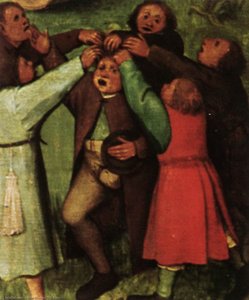
Walka między karnawałem a Wielkim Poście


 Rozwiń treść
Ręcznie malowana reprodukcja olejowa
Ręcznie malowany obraz olejny na płótnie, wykonany na zamówienie przez naszych artystów w wybranym przez Ciebie wymiarze i oprawie. ( Zamów wydruk Kup obraz wysokiej rozdzielczości)




P118B $10

P118H $10

P118W $10

P438Z $10

P508JH $12

P508YH $12

P805H $10

P805Z $10

P919BZ $10

P919G $10

P919XJ $10

P959ZH $10

P968JZ $12

W106C $8

W218G $10

W218JH $8

W218Y $10

W307PJ $10

W316G $10

W316PJ $8

W316Y $10

W398PJ $8

W4111J $10

W500HY $15

W500JH $15

W692G $12

W849H $8

W940BG $15

W953PJ $8




Wybierz spośród naszych standardowych rozmiarów, które zachowują oryginalne proporcje dzieła sztuki.

Możesz wprowadzić własne wymiary, aby dopasować obraz do konkretnej ramy lub przestrzeni. Jeśli wybrany rozmiar nie będzie odpowiadał proporcjom oryginału, przytniecie dzieło sztuki lub rozszerzymy je o dodatkowe elementy, ręcznie domalowane przez artystę. Przed rozpoczęciem produkcji wyślemy projekt cyfrowy do Twojej akceptacji.
Należy pamiętać, że podgląd na ekranie nie odzwierciedla rzeczywistego przycinania ani rozszerzania obrazu. Tylko projekt dokładnie pokaże ostateczną kompozycję.
Choć oferujemy możliwość zamówienia niestandardowych rozmiarów, zalecamy wybór wymiaru z gotowej listy, aby zachować oryginalne proporcje dzieła.
Po złożeniu zamówienia zespół OriginalUniqueArt.com skontaktuje się z klientem drogą mailową w celu uzyskania instrukcji i prześle wizualizację projektu
Dostawa na całym świecie () w ciągu 3–4 tygodni zamiast standardowych 5 tygodni. (25 Sierpień). Bez kompromisów w kwestii jakości.

Bezpłatna ekspresowa wysyłka na cały świat

Wysokiej jakości płótno lniane

Pełne ubezpieczenie przesyłki

Gwarancja zwrotu należności celnych i podatków importowych

Gwarancja wiernego odwzorowania kolorów

Polityka 60-dniowego zwrotu (tylko w przypadku wad)

Gwarancja 100% zwrotu kosztów

Zniżka przy zamówieniu wielu produktów
 Opcja ze szkłem jest dostępna wyłącznie w rozmiarach poniżej 110 cm

Walka między karnawałem a Wielkim Poście
Technika reprodukcji
Wymiary reprodukcji
-


Cena całkowita
$ 300
Opis dzieła
Pieter Bruegel the Elder: A Vision of Rural Faith Amidst Festive Excess
Pieter Bruegel the Elder stands as one of the titans of Northern Renaissance painting, an artist whose canvases breathe life into the everyday realities of peasant existence while simultaneously grappling with profound theological questions. Born around 1525 in Brugge (Bruges), Belgium – though precise biographical details remain somewhat elusive – his formative years coincided with a period of dramatic transformation across Europe, as the grandeur of Florentine High Renaissance ideals yielded to the burgeoning complexities and expressive individualism characteristic of Northern artistic sensibilities. His early training under Pieter Coecke van Aelst instilled in him not merely technical proficiency but also exposure to humanist thought, fostering an appreciation for observation and detail that would define his oeuvre. Van Aelst’s workshop served as a crucible where Bruegel honed his skills in oil painting and drawing, preparing him for a career dedicated to capturing the spirit of his time.The Fight Between Carnival and Lent: Symbolism Rooted in Societal Tension
“The Fight Between Carnival and Lent,” completed in 1559, exemplifies Bruegel’s unparalleled ability to distill complex ideas into visually arresting scenes. Currently housed at the Kunsthistorisches Museum in Vienna, Austria, this monumental panel depicts a captivating confrontation between two opposing forces – Carnival and Lent – rendered with breathtaking precision and imbued with layers of symbolic meaning. The painting unfolds within a meticulously crafted rural landscape, populated by hundreds of figures representing diverse social strata, from wealthy merchants to humble laborers. This panoramic vista is elevated by a high horizon line, offering the viewer an immersive perspective reminiscent of the world landscape style—a technique favored by Bruegel and his contemporaries.A Masterful Blend of Technique and Composition
Bruegel’s masterful command of oil on panel allowed him to achieve remarkable textural richness and luminosity, enhancing the dramatic impact of the scene. The artist skillfully employs chiaroscuro – the interplay of light and shadow – to sculpt forms and guide the viewer's gaze, emphasizing the central conflict between Carnival and Lent. Each element within the composition contributes to the narrative’s urgency and emotional resonance; the figures are arranged in dynamic groupings that convey movement and interaction. Furthermore, Bruegel’s meticulous attention to detail extends beyond mere representation—he captures subtle expressions of emotion and nuanced gestures that bring his characters to life. The sheer scale of the painting – approximately 180 x 240 cm – underscores its ambition and reinforces its status as a cornerstone of Northern Renaissance art.Exploring Underdrawings: A Window into Bruegel’s Creative Process
Modern scientific techniques, notably infrared reflectography, have revolutionized our understanding of Bruegel's artistic process. These imaging methods reveal hidden underdrawings—pencil sketches that lie beneath the painted surface—providing invaluable insight into the artist’s initial conceptualization and compositional planning. The underdrawings demonstrate Bruegel’s methodical approach to creating his masterpieces, revealing preparatory studies that illuminate the intricacies of his creative vision. They underscore the importance of observation and careful planning in achieving artistic excellence.An Enduring Legacy: Influence on Dutch Art and Beyond
Pieter Bruegel the Elder's influence extends far beyond the confines of Flemish art history. His distinctive style—characterized by detailed landscapes, expressive figures, and a humanist sensibility—became a foundational element of Dutch Baroque painting, shaping the artistic sensibilities of generations to come. “The Fight Between Carnival and Lent” remains an iconic image of its era, embodying the tensions between earthly pleasures and spiritual devotion that preoccupied artists and intellectuals alike. Its enduring appeal testifies to Bruegel’s genius in capturing the complexities of human experience and conveying profound moral truths—a legacy that continues to inspire admiration and scholarly inquiry today.O artyście
A Life Rooted in Renaissance Transformation
Pieter Bruegel the Elder emerged during a period of profound transformation, a time when the artistic landscape of Europe was shifting from the High Renaissance ideals of Italy towards the burgeoning complexities of Northern European expression. Born sometime between 1525 and 1530, likely in Breda – though details surrounding his early life remain somewhat elusive – Bruegel’s formative years unfolded amidst religious upheaval and a flourishing merchant culture. He began his artistic journey around 1545 as an apprentice to Pieter Coecke van Aelst, a respected Antwerp painter known for both his artistry and his designs for tapestries. This apprenticeship provided Bruegel with a solid grounding in the technical skills of oil painting and drawing, but perhaps more importantly, it exposed him to the humanist currents that were beginning to permeate intellectual circles. Van Aelst’s workshop was not merely a place of artistic instruction; it was a crucible where traditional techniques met new ideas, shaping Bruegel's future vision.Wanderings and the Forging of a Unique Vision
Following his apprenticeship, Bruegel embarked on extensive travels that would indelibly mark his artistic development. Between 1551 and 1553, he journeyed through France, Switzerland, and Italy, sketching landscapes and immersing himself in diverse cultures. These were not mere sightseeing trips; they were expeditions of observation and learning. While in Italy, Bruegel encountered the works of Renaissance masters – Michelangelo, Raphael, and Titian – yet his artistic temperament remained distinctly Northern European. He didn’t simply adopt Italianate styles but rather absorbed their influence and filtered them through his own unique sensibility. The Alps, with their dramatic peaks and valleys, left a lasting impression, influencing the compositional structure and atmospheric perspective found in many of his later landscapes. He was particularly struck by the way Italian artists depicted light and shadow, which he would later masterfully employ in his own work. Upon returning to Antwerp in 1553, he was admitted as a free master into the Guild of Saint Luke, signifying his professional independence and establishing him as a recognized artist within the vibrant artistic community of the city. This marked a significant step towards establishing himself as an independent creator, moving beyond the patronage system that had previously dictated much of his early career.Beyond Myth and Religion: A New Focus for Art
Bruegel’s true innovation lay in his subject matter. He boldly departed from the established conventions of Renaissance painting, which often focused on religious narratives or classical mythology. Instead, he turned his attention to the everyday lives of ordinary people – peasants laboring in fields, villagers celebrating festivals, hunters traversing snowy landscapes. This wasn't a rejection of traditional themes but rather an elevation of the mundane to the level of high art. His landscapes were not merely backdrops; they were active participants in the narrative, often imbued with symbolic meaning and reflecting a deep understanding of nature’s power and beauty. *The Triumph of Death*, for example, is a haunting and apocalyptic vision of mortality, filled with grotesque imagery and a sense of impending doom. Paintings like *Peasant Wedding* offer remarkably detailed and nuanced portrayals of rural life, capturing the boisterous energy and social customs of a Flemish village. He masterfully employed chiaroscuro – the dramatic interplay of light and shadow – to create depth, realism, and emotional resonance in his compositions. His scenes weren’t necessarily critical; they were realistic observations, capturing both the humor and hardship inherent in human existence.Technique and Style: A Master of Detail
Bruegel's artistic style evolved significantly throughout his career. Initially influenced by the meticulous detail of Pieter Coecke van Aelst, he gradually developed a more expressive and dynamic approach. His early works are characterized by a precise rendering of objects and figures, often executed with remarkable accuracy. However, as he matured, he began to prioritize composition and narrative over technical perfection. He employed a technique known as *trompe-l'oeil*, creating the illusion of three-dimensionality on a two-dimensional surface, particularly in his landscapes. This heightened realism was further enhanced by his masterful use of color – earthy tones contrasted with vibrant hues to create visual interest and convey mood. He also developed a distinctive style of engraving, characterized by intricate detail and a remarkable ability to capture the nuances of human expression. His work is often described as "peasant art" due to its focus on rural life, but it transcends simple genre painting; it’s a profound meditation on humanity's place in the world.Lasting Legacy: An Influence Across Centuries
Pieter Bruegel the Elder's influence on subsequent generations of artists is undeniable. He laid the groundwork for the Dutch Golden Age painters, inspiring artists like Isaac van Ostade and Adriaen Brouwer with his realistic depictions of peasant life. His innovative approach to landscape painting also paved the way for later developments in the genre, influencing artists who sought to capture the beauty and grandeur of the natural world. Beyond painting, Bruegel’s work has continued to resonate with modern audiences, appearing in films like Andrei Tarkovsky's *Solaris* (1972) and Lars von Trier’s *Melancholia* (2011), demonstrating the enduring power of his imagery. His paintings offer a timeless reflection on the human condition – our relationship with nature, our struggles with mortality, and our capacity for both joy and sorrow. He died in Brussels in 1569 at the relatively young age of forty-three, leaving behind a body of work that continues to captivate and inspire, solidifying his place as one of the most important figures in the history of art.Notable Works and Enduring Themes
- Landscape with the Flight into Egypt: A serene yet subtly symbolic depiction of the Holy Family’s journey, showcasing Bruegel's mastery of atmospheric perspective.
- The Triumph of Death: A haunting and apocalyptic vision of mortality, filled with grotesque imagery and a sense of impending doom.
- Peasant Wedding: A vibrant and detailed portrayal of rural life, capturing the boisterous energy and social customs of a Flemish village.
- Hunters in the Snow: Part of a series depicting the seasons, this iconic painting is celebrated for its atmospheric beauty and realistic depiction of winter landscapes.
- The Tower of Babel: A monumental work illustrating human ambition and divine judgment, showcasing Bruegel’s skill in creating complex compositions with intricate details.

Pieter Bruegel Starszy
1525 - 1569 , Belgia
Krótka nota
- Artistic Movement Or Style: Renesans flamand
- Artists Or Movements Influenced By This Artist: ['Złota Era Holandia']
- Artists Who Influenced This Artist: ['Bosch Hieronymus']
- Date Of Birth: c. 1525
- Date Of Death: 1569
- Full Name: Pieter Bruegel the Elder
- Nationality: Flamand
- Notable Artworks:
- Peasant Wedding
- Triumph Mort
- Hunters Śnież.
- Wieża Babel
- Place Of Birth: Breda, Holandia
Powiązane artykuły
Arcydzieła Północnego Renesansu: 10 Obrazów, które Zmieniły Sztukę | OriginalUniqueArt.com
Poznaj 10 arcydzieł Północnego Renesansu! Odkryj historie van Eycka, Dürera i Holbeina. Reprodukcje obrazów najwyższej jakości dla Twojego wnętrza. Inspiracje i zakup dzieł sztuki na OriginalUniqueArt.com.

Golden Light & Dutch Skies: The Timeless Magic of Dutch Golden Age Landscapes
Discover the breathtaking beauty of Dutch Golden Age landscapes. Explore the mastery of light, chiaroscuro, and 17th-century realism through an expert art history lens, celebrating the enduring legacy of the Dutch Masters for discerning collectors and art lovers.

Złoty Wiek Holandii: 10 arcydzieł, które zmieniły historię sztuki | OriginalUniqueArt.com
Odkryj 10 arcydzieł Złotego Wieku Holandii! Poznaj historię Rembrandta, Vermeera i innych mistrzów. Reprodukcje obrazów najwyższej jakości do Twojego wnętrza – OriginalUniqueArt.com.

Mastering Light & Shadow: A Journey Through the Dutch Golden Age's Luminous Legacy
Embark on a cultural journey through the Dutch Golden Age. Explore the masterful interplay of light and shadow in 17th-century masterpieces, from Rembrandt to Vermeer, and discover how this era of profound realism continues to inspire fine art collectors today.

Północny Renesans: Rozkwit Realizmu, Reformacji Religijnej i Artystycznych Innowacji
Poznaj fascynujący świat Północnego Renesansu! Odkryj realizm flamandzkich mistrzów, wpływ reformacji na sztukę i arcydzieła van Eycka, Weydena i Boscha. Ekspercka analiza historii i innowacji artystycznych.