
 Podgląd w skali
 Wyślij jako kartkę
 Udostępnij
 Szczegóły dzieła

 Pobierz
 Podobne obiekty
 RTG
RTG Pokaz slajdów
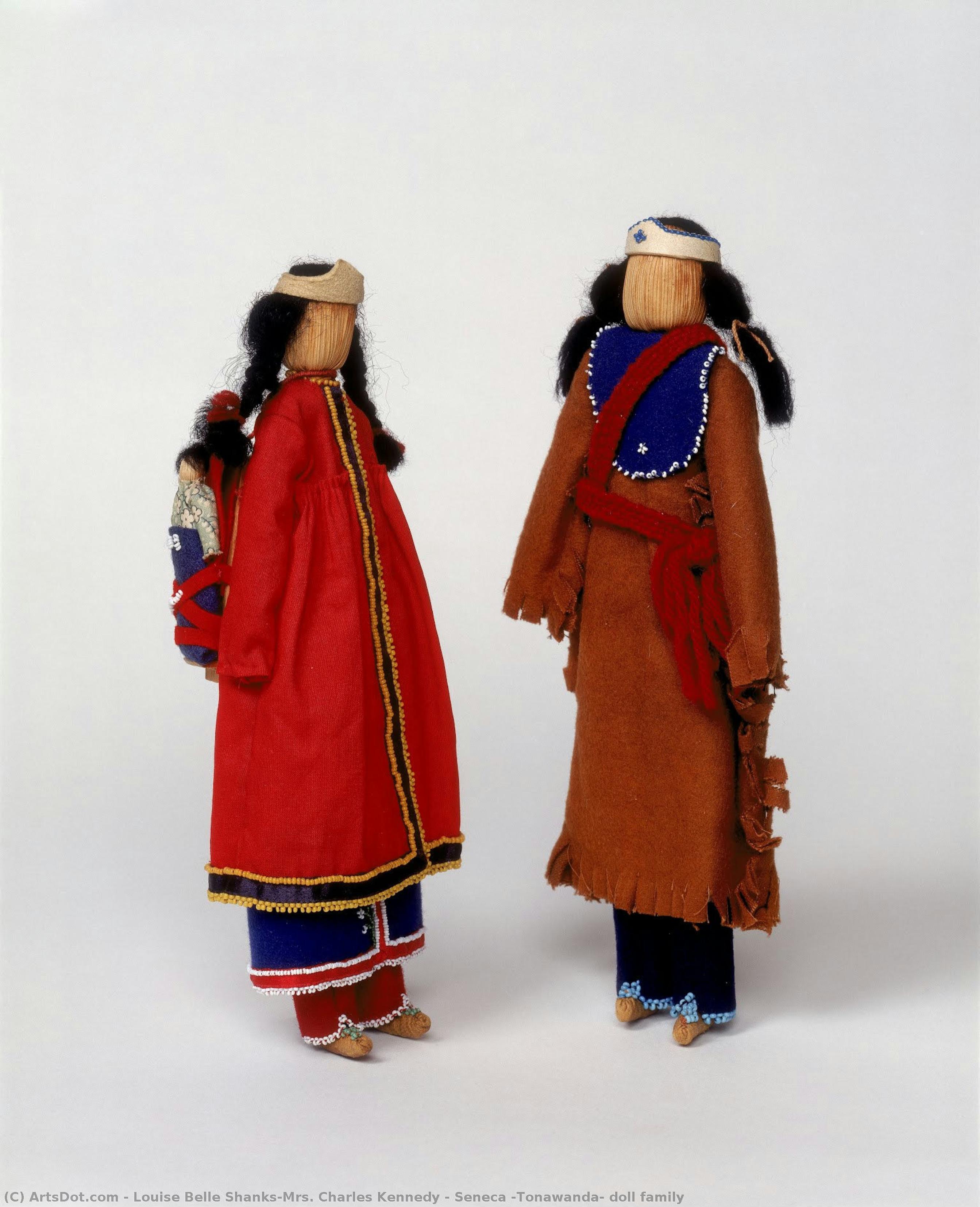
Rodzina kukieł Seneca (Tonawanda)
 Akryl na płótnie
- Sztuka ścienna
- Modern Abstract Expressionism
 1930
1930 24.0 x 11.0 cm
 National Museum of the American Indian
 Rozwiń treść
Ręcznie malowana reprodukcja olejowa
Ręcznie malowany obraz olejny na płótnie, wykonany na zamówienie przez naszych artystów w wybranym przez Ciebie wymiarze i oprawie. ( Zamów wydruk Kup obraz wysokiej rozdzielczości)




P118B $10

P118H $10

P118W $10

P438Z $10

P508JH $12

P508YH $12

P805H $10

P805Z $10

P919BZ $10

P919G $10

P919XJ $10

P959ZH $10

P968JZ $12

W106C $8

W218G $10

W218JH $8

W218Y $10

W307PJ $10

W316G $10

W316PJ $8

W316Y $10

W398PJ $8

W4111J $10

W500HY $15

W500JH $15

W692G $12

W849H $8

W940BG $15

W953PJ $8




Wybierz spośród naszych standardowych rozmiarów, które zachowują oryginalne proporcje dzieła sztuki.

Możesz wprowadzić własne wymiary, aby dopasować obraz do konkretnej ramy lub przestrzeni. Jeśli wybrany rozmiar nie będzie odpowiadał proporcjom oryginału, przytniecie dzieło sztuki lub rozszerzymy je o dodatkowe elementy, ręcznie domalowane przez artystę. Przed rozpoczęciem produkcji wyślemy projekt cyfrowy do Twojej akceptacji.
Należy pamiętać, że podgląd na ekranie nie odzwierciedla rzeczywistego przycinania ani rozszerzania obrazu. Tylko projekt dokładnie pokaże ostateczną kompozycję.
Choć oferujemy możliwość zamówienia niestandardowych rozmiarów, zalecamy wybór wymiaru z gotowej listy, aby zachować oryginalne proporcje dzieła.
Po złożeniu zamówienia zespół OriginalUniqueArt.com skontaktuje się z klientem drogą mailową w celu uzyskania instrukcji i prześle wizualizację projektu
Dostawa na całym świecie () w ciągu 3–4 tygodni zamiast standardowych 5 tygodni. (14 Sierpień). Bez kompromisów w kwestii jakości.

Bezpłatna ekspresowa wysyłka na cały świat

Wysokiej jakości płótno lniane

Pełne ubezpieczenie przesyłki

Gwarancja zwrotu należności celnych i podatków importowych

Gwarancja wiernego odwzorowania kolorów

Polityka 60-dniowego zwrotu (tylko w przypadku wad)

Gwarancja 100% zwrotu kosztów

Zniżka przy zamówieniu wielu produktów
 Opcja ze szkłem jest dostępna wyłącznie w rozmiarach poniżej 110 cm

Rodzina kukieł Seneca (Tonawanda)
Technika reprodukcji
Wymiary reprodukcji
-


Cena całkowita
$ 300
Opis dzieła
Seneca (Tonawanda) Doll Family – A Window into Native American Tradition
Louise Belle Shanks’s photograph, titled “Doll Family,” offers a remarkable glimpse into the cultural heritage of the Seneca tribe residing in Tonawanda Reservation during the 1930s. Captured with meticulous detail by Mrs. Charles Kennedy, this artwork transcends mere documentation; it embodies a profound respect for craftsmanship and represents a pivotal moment in preserving indigenous artistry. The image showcases two intricately carved wooden dolls dressed in vibrant red and brown garments adorned with beadwork and fringe – attire characteristic of traditional Seneca dress.- Subject Matter: The photograph focuses entirely on these two dolls, serving as tangible symbols of Seneca identity and history.
- Style: Documentary photography—a deliberate choice prioritizing accuracy and capturing the essence of the subject matter without embellishment.
- Technique: Employing a macro lens ensures exceptional clarity and reveals the textures of both the dolls’ bodies and their elaborate clothing, demonstrating a commitment to technical precision.
Historical Context & Significance
Created during the Great Depression era, “Doll Family” speaks volumes about the efforts undertaken to document and celebrate Native American culture amidst challenging socio-economic circumstances. Louise Belle Shanks’s work aligns with a broader artistic movement—the exploration of vernacular art forms—that sought to elevate everyday objects into subjects worthy of artistic contemplation. The photograph serves as an invaluable record of Seneca traditions and artistry during this period, offering insights into the material culture of the tribe.Symbolism & Artistic Merit
The dolls themselves represent more than just inanimate objects; they embody the spirit of Seneca heritage—a legacy passed down through generations. The beadwork and fringe adorning their garments symbolize connection to the land and ancestral practices, reflecting a deep understanding of cultural symbolism. Shanks’s artistic skill lies in her ability to transform these simple forms into powerful visual representations of identity and history.Emotional Impact & Artistic Inspiration
“Doll Family” evokes a sense of nostalgia for a bygone era while simultaneously celebrating the enduring beauty of indigenous artistry. Its quiet dignity and meticulous detail inspire contemplation on themes of cultural preservation, artistic craftsmanship, and the importance of honoring traditions. This photograph stands as a testament to Louise Belle Shanks’s dedication to capturing authentic moments in time—a captivating piece that resonates with collectors and interior designers alike seeking pieces imbued with history and artistic integrity.O artyście
Piet Mondrian: Architect of Abstraction
Piet Mondrian, a name synonymous with modern art’s radical shift towards abstraction, was far more than simply a painter; he was a theorist, an architect of visual language, and a fervent believer in the power of art to transcend the mundane. Born Pieter Cornelis Mondriaan on March 7, 1872, in Amersfoort, Netherlands, his artistic journey began within a family steeped in tradition – his father, a schoolmaster, and uncle, an artist associated with the Hague School’s landscape movement. This grounding in both practical education and artistic heritage would profoundly shape his later approach to art. Initially pursuing a career in teaching, Mondrian's passion for painting ultimately led him to Amsterdam’s Rijksakademie, where he honed his skills and began experimenting with various styles before arriving at the revolutionary aesthetic that would define his legacy. His life, tragically cut short by illness on February 1, 1944, in New York City, remains a testament to an artist relentlessly pursuing a vision of universal harmony through pure form.Early Influences and the Transition to Abstraction
Mondrian’s early artistic development was marked by a fascination with landscape painting, mirroring his family's connection to the Hague School. However, around 1908, he began to explore new avenues, influenced by movements like Pointillism and Symbolism. A pivotal moment arrived in 1911 when he encountered Cubism – particularly the work of Picasso and Braque – at an exhibition in Amsterdam. This encounter proved transformative, challenging his understanding of representation and laying the groundwork for his eventual embrace of abstraction. He recognized that Cubism’s fragmentation of form offered a pathway to stripping away superfluous detail and revealing the underlying structure of objects. Crucially, Mondrian didn't simply adopt Cubist techniques; he pushed them further, moving beyond mere imitation towards a purely abstract language. This shift wasn’t arbitrary; it was driven by a deeply held belief that art should transcend the limitations of the physical world and express universal truths.The Development of Neo-Plasticism
Following his relocation to Paris in 1914, Mondrian embarked on a period of intense experimentation and refinement. The outbreak of World War I disrupted his life, forcing him to settle in Domburg, where he spent five years developing what he termed “Neo-Plasticism” (Neoplasticisme). This wasn’t merely a style but a philosophy – a systematic reduction of artistic elements to their most essential components. Mondrian distilled his visual vocabulary to the absolute minimum: straight lines, right angles, primary colors (red, blue, and yellow), and black, white, and gray. He believed that these simple forms could represent the underlying structure of reality, offering a pathway to spiritual enlightenment. His paintings during this period – works like *Composition with Red, Blue and Yellow* – are characterized by their stark geometric arrangements and intense color contrasts. This rigorous approach was further solidified through his involvement in *De Stijl*, an international art movement founded with Theo van Doesburg that championed these principles of abstraction and universal harmony.Key Works and Lasting Legacy
Mondrian’s most iconic works, including *Broadway Boogie Woogie* (1942-43) and *Composition with Red, Blue and Yellow* (1920-21), are instantly recognizable for their dynamic yet balanced compositions. *Broadway Boogie Woogie*, painted during his time in New York, reflects the energy of the city while simultaneously adhering to the principles of Neo-Plasticism. The painting’s fragmented lines and vibrant colors create a sense of movement and rhythm, suggesting an exploration of urban space and its underlying structure. Similarly, *Composition with Red, Blue and Yellow* exemplifies his belief in the power of color to evoke universal emotions and spiritual truths. Throughout his career, Mondrian produced a significant body of work that profoundly influenced generations of artists. His emphasis on abstraction paved the way for movements like Constructivism and Minimalism, while his theoretical writings provided a framework for understanding abstract art as a means of achieving a higher level of aesthetic experience. His legacy extends beyond painting, impacting architecture, design, and even fashion, demonstrating the enduring influence of his radical vision.A Universalist’s Vision
Piet Mondrian's artistic journey wasn't simply about creating beautiful images; it was a quest for universal harmony and spiritual truth. He believed that art should be independent of reality, offering a direct path to the “spiritual” realm. His relentless pursuit of this ideal led him to systematically reduce his visual vocabulary, ultimately arriving at the austere geometric forms that define his most celebrated works. He famously declared in 1914: "Art is higher than reality and has no direct relation to reality. To approach the spiritual in art, one will make as little use as possible of reality, because reality is opposed to the spiritual." This conviction fueled his lifelong dedication to abstraction, solidifying his place as a pivotal figure in the history of modern art – an architect who designed a visual language for a more harmonious world.
louise belle shanks/mrs. charles kennedy
1872 - 1952 , United States of America
Krótka nota
- Artistic Movement Or Style:
- Neo-Plasticism
- De Stijl
- Abstract art
- Artists Or Movements Influenced By This Artist:
- Vasily Kandinsky
- Kazimir Malevich
- Artists Who Influenced This Artist:
- Simon Mans
- Abraham Kuyper
- Date Of Birth: March 7, 1872
- Date Of Death: February 1, 1944
- Full Name: Pieter Cornelis Mondriaan
- Nationality: Dutch
- Notable Artworks:
- Composition with Red Blue and Yellow
- Broadway Boogie Woogie
- Victory Boogie Woogie
- Place Of Birth: Amersfoort, Netherlands
Powiązane artykuły
Gordon Parks: A Poetic Lens on American Life – Photography, Social Justice & Storytelling
Explore the profound work of Gordon Parks, a groundbreaking photographer who documented American life with unparalleled empathy and artistry. Discover his iconic images & lasting impact on social justice through Life magazine & beyond.

Beyond the Lens: Photography's Enduring Influence on Modern & Contemporary Art
Explore photography's pivotal role in shaping modern & contemporary art. Discover key movements, influential artists like Stieglitz, and expert collecting advice from OriginalUniqueArt.

Grant Wood & American Regionalism: Identity, Myth & the Rural Landscape
Explore the world of Grant Wood & American Regionalism with OriginalUniqueArt. Discover the symbolism behind 'American Gothic', recurring themes, and the movement's lasting impact on art history. High-quality reproductions available.
Shadow Catcher: Edward S. Curtis & the Ethnographic Portraiture of a Vanishing West
Explore the life & work of Edward S. Curtis, the 'Shadow Catcher,' and his groundbreaking photographic documentation of Native American cultures. Discover iconic images from *The North American Indian* and a critical look at his lasting legacy.

Monochromatyczne Wizje: Estetyka i Historyczne Znaczenie Fotografii Czarno-Białej
Odkryj fascynujący świat fotografii czarno-białej! Poznaj historię, techniki i arcydzieła monochromatycznej sztuki. Inspiracje, porady i analiza wpływu na współczesną estetykę. OriginalUniqueArt.com.


