

 Zobacz w skali 1:1
 Wyślij
 Udostępnij
 Szczegóły
 Guide
Guide

 Pobierz plik obrazu
 Podobne obiekty
 RTG
RTG Pokaz slajdów
 Statystyki
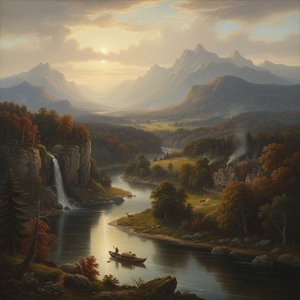
Rustic Mill - Łącząc się z naturą i spokojem krajobrazowym Alberta Bierstadta
 Olej na płótnie
- Sztuka ścienna
- Hudson River School
 1855
1855- – XIX wiek
 279.0 x 376.0 cm
 Czytaj więcej
Ręcznie malowana reprodukcja olejowa
Ręcznie malowany obraz olejny na płótnie, wykonany na zamówienie przez naszych artystów w wybranym przez Ciebie wymiarze i oprawie. ( Przełącz na wersję drukowaną Przełącz na wersję cyfrową)




P118B $10

P118H $10

P118W $10

P438Z $10

P508JH $12

P508YH $12

P805H $10

P805Z $10

P919BZ $10

P919G $10

P919XJ $10

P959ZH $10

P968JZ $12

W106C $8

W218G $10

W218JH $8

W218Y $10

W307PJ $10

W316G $10

W316PJ $8

W316Y $10

W398PJ $8

W4111J $10

W500HY $15

W500JH $15

W692G $12

W849H $8

W940BG $15

W953PJ $8




Wybierz spośród naszych standardowych rozmiarów, które zachowują oryginalne proporcje dzieła sztuki.

Możesz wprowadzić własne wymiary, aby dopasować obraz do konkretnej ramy lub przestrzeni. Jeśli wybrany rozmiar nie będzie odpowiadał proporcjom oryginału, przytniecie dzieło sztuki lub rozszerzymy je o dodatkowe elementy, ręcznie domalowane przez artystę. Przed rozpoczęciem produkcji wyślemy projekt cyfrowy do Twojej akceptacji.
Należy pamiętać, że podgląd na ekranie nie odzwierciedla rzeczywistego przycinania ani rozszerzania obrazu. Tylko projekt dokładnie pokaże ostateczną kompozycję.
Choć oferujemy możliwość zamówienia niestandardowych rozmiarów, zalecamy wybór wymiaru z gotowej listy, aby zachować oryginalne proporcje dzieła.
Po złożeniu zamówienia zespół OriginalUniqueArt.com skontaktuje się z klientem drogą mailową w celu uzyskania instrukcji i prześle wizualizację projektu
Dostawa na całym świecie () w ciągu 3–4 tygodni zamiast standardowych 5 tygodni. (20 Wrzesień). Bez kompromisów w kwestii jakości.

Bezpłatna ekspresowa wysyłka na cały świat

Wysokiej jakości płótno lniane

Pełne ubezpieczenie transportowe

Gwarancja zwrotu należności celnych i podatków importowych

Gwarancja idealnego odwzorowania barw

100-dniowy okres na zwrot dzieła w przypadku wykrycia wad produkcyjnych

Gwarancja 100% zwrotu pieniędzy

Oferta przy zakupie wielu sztuk
 Opcja ze szkłem jest dostępna wyłącznie w rozmiarach poniżej 110 cm

Rustic Mill - Łącząc się z naturą i spokojem krajobrazowym Alberta Bierstadta
Technika wykonania
Rozmiar reprodukcji
-


Suma do zapłaty
$ 325
Pastoralne arcydzieło
Zanurz się w kojącym pięknie tego urzekającego pejzażu autorstwa Alberta Bierstadta. Dzieło to, powstałe w 1855 roku, zaprasza widza do spokojnej, wiejskiej scenerii, w której centralne miejsce zajmuje majestat natury. Kompozycja przedstawia rustykalny dom ukryty wśród bujnej zieleni i strzelistych drzew, przywołując poczucie pokoju oraz harmonii ze światem przyrody.Styl i technika
Mistrzowska technika Bierstadta jaśnieje w tym szczegółowym przedstawieniu pasterskiego krajobrazu. Dzieło to stanowi doskonały przykład stylu Szkoły Hudson River, charakteryzującego się niezwykłą dbałością o detal oraz romantycznym ujęciem natury. Artysta posłużył się bogatą, ziemistą paletą barw, gdzie głębokie zielenie, ciepłe brązy i miękkie błękity tworzą harmonijną mieszankę, która jest jednocześnie kojąca i wizualnie uderzająca. Wykorzystanie naturalnego oświetlenia nadaje scenie głębi i trójwymiarowości, a cienie oraz rozświetlenia zostały oddane z niezwykłą biegłością, by wzmocnić efekt przestrzenności. Widoczne pociągnięcia pędzla dodają tekstury i witalności, ożywiając krajobraz i zapraszając odbiorcę, by zatracił się w jego pięknie.Kontekst historyczny
Jako kluczowa postać Szkoły Hudson River, Albert Bierstadt był częścią ruchu artystycznego, który celebrował nieskażone krajobrazy Ameryki. Obraz ten odzwierciedla fascynację ówczesnej epoki światem naturalnym oraz pragnienie uwiecznienia jego majestatu na płótnie. Choć prace Bierstadta często przedstawiały sceny z amerykańskiego Zachodu, to właśnie ten fragment jego twórczości ukazuje niezwykłą zdolność artysty do odnajdywania piękna w bardziej skromnych, wiejskich sceneriach.Symbolika i oddziaływanie emocjonalne
Rustykalny dom oraz wijący się strumień symbolizują odpowiednio trwałość i nieustanny przepływ życia. Ogólny nastrój dzieła to stan spokoju i sielankowości, oferujący wytchnienie od zgiełku współczesnego świata. Umiejętne wykorzystanie perspektywy przez Bierstadta wciąga widza w głąb sceny, tworząc immersyjne doświadczenie, które przenosi go na spokojną, wiejską krainę.Dlaczego to dzieło wyróżnia się na tle innych
Ten obraz jest świadectwem zdolności Bierstadta do uchwycenia esencji natury z niespotykaną precyzją i kunsztem. Gra światła i cienia, szczegółowe przedstawienie elementów przyrody oraz harmonijna paleta barw sprawiają, że dzieło to stanowi wyjątkowy klejnot w każdej kolekcji.Idealne dla miłośników sztuki i kolekcjonerów
Dla pasjonatów sztuki oraz kolekcjonerów poszukujących wysokiej jakości reprodukcji, obraz ten oferuje szansę na wprowadzenie cząstki amerykańskiego dziedzictwa artystycznego do własnych domów. Jego ponadczasowy urok i spokojne piękno czynią go doskonałym uzupełnieniem każdej przestrzeni wnętrzarskiej, dodając jej nuty elegancji i ukojenia.Doskonałe do projektowania wnętrz
Projektanci wnętrz z pewnością docenią wszechstronność tego dzieła. Bez względu na to, czy zostanie umieszczone w przytulnym salonie, spokojnej sypialni czy eleganckiej jadalni, obraz ten wzbogaca atmosferę swoją uspokajającą obecnością. Bogate, ziemiste tony doskonale komponują się z różnorodnymi schematami kolorystycznymi, czyniąc go uniwersalnym wyborem dla każdego projektu aranżacyjnego. Doświadcz ponadczasowego piękna tego arcydzieła i wprowadź cząstkę historii amerykańskiej sztuki do swojej przestrzeni dzięki wysokiej jakości reprodukcji obrazu „Rustic Mill” autorstwa Alberta Bierstadta.Biografia artysty
A Pioneer of the American West: The Life and Art of Albert Bierstadt
Albert Bierstadt’s story is deeply intertwined with the very formation of America's identity – a journey from Prussian roots to becoming one of the most celebrated painters of the American West. Born in Solingen, Germany, in 1830, his early life was marked by an emigration to New Bedford, Massachusetts, when he was just a toddler, setting the stage for a lifelong fascination with the landscapes that would ultimately define his artistic legacy. Initially self-taught, sketching with crayons as a youth, Bierstadt quickly recognized the need for formal training and embarked on studies in Düsseldorf, Germany, in 1853 – an experience that profoundly shaped his technical skills and understanding of light and atmosphere. It wasn’t merely replication he sought; it was to capture the *feeling* of these vast landscapes, a way to convey their sublime power and beauty.Capturing the Majesty: The Hudson River School and Beyond
Upon returning to the United States in 1857, Bierstadt swiftly became associated with the Hudson River School – a group of artists dedicated to portraying the American landscape with both accuracy and romantic idealism. While sharing this reverence for nature, Bierstadt distinguished himself through his ambitious scale and dramatic compositions. He wasn’t content with simply painting pretty pictures; he aimed to create immersive experiences that transported viewers directly into the heart of the wilderness. His breakthrough came in 1858 with a Swiss landscape exhibited at the National Academy of Design in New York City, earning him immediate acclaim and honorary membership. However, it was his subsequent expeditions westward – beginning with land surveyor Frederick W. Lander in 1859, and later with author Fitz Hugh Ludlow in 1863 to Yosemite Valley – that truly ignited his artistic vision. These journeys weren’t merely observational; they were deeply immersive experiences, allowing Bierstadt to absorb the grandeur of the Rocky Mountains, the vastness of the plains, and the awe-inspiring scale of canyons and waterfalls. He meticulously documented these scenes, translating them onto canvas with a remarkable ability to evoke emotion and wonder.The Painter of Empires: Shaping Perceptions of the West
Bierstadt’s paintings weren't simply landscapes; they were statements about national identity and Manifest Destiny. His canvases – often enormous in size – depicted the American West not as a harsh, untamed frontier, but as a land of promise, abundance, and divine beauty. The Rocky Mountains, Lander’s Peak, completed in 1863 and purchased for an astonishing $25,000 (equivalent to nearly $400,000 today), exemplifies this approach. The painting isn't a precise topographical rendering; it’s a carefully constructed vision of idealized grandeur, bathed in golden light and imbued with a sense of spiritual significance. This ability to evoke emotion, to inspire awe, made Bierstadt immensely popular during his lifetime. He wasn’t just an artist; he was a cultural ambassador, shaping how Americans – and the world – perceived the West. His work fueled westward expansion by presenting it as a noble and divinely ordained undertaking. The dramatic lighting, often referred to as *luminism*, played a crucial role in creating this effect, emphasizing the majesty of nature and suggesting a connection to the divine.Technique and Style: A Master of Light and Detail
Bierstadt’s artistic style was characterized by meticulous detail, a masterful understanding of light and shadow, and an ambitious scale that rivaled classical history paintings. He employed a technique known as *atmospheric perspective*, creating a sense of depth and distance through subtle variations in color and tone. His brushwork was often loose and expressive, yet always controlled and deliberate. Bierstadt’s use of color was particularly noteworthy – he favored warm, saturated hues to evoke the golden light of the setting sun or the vibrant colors of wildflowers. He also paid close attention to detail, meticulously rendering every tree, rock, and stream in his paintings. This combination of technical skill and artistic vision allowed him to create landscapes that were both visually stunning and emotionally resonant. His work was heavily influenced by the Düsseldorf School of painting, which emphasized realism and a deep understanding of light and color.Legacy and Influence: A Lasting Impression
While Bierstadt’s popularity waned somewhat in the late 19th century as artistic tastes shifted towards Impressionism and photography gained prominence, his influence on American landscape painting remains undeniable. He demonstrated the power of large-scale canvases to create immersive experiences – a technique later adopted by many artists. His meticulous attention to detail and masterful use of light continue to inspire painters today. Beyond his technical achievements, Bierstadt’s work serves as a valuable historical document, offering insights into the evolving perceptions of the American West during a period of rapid change and expansion. He captured a moment in time – a vision of pristine wilderness before it was irrevocably altered by human intervention. His paintings are not just beautiful images; they are windows into a pivotal era in American history, reminding us of both the promise and the cost of westward expansion. His legacy endures, ensuring that his breathtaking landscapes will continue to captivate and inspire generations to come.
Albert Bierstadt
1830 - 1902 , Niemcy
Najważniejsze informacje
- Artistic Movement Or Style: Szkoła Hudsona
- Artists Or Movements Influenced By This Artist: ['Renesans']
- Artists Who Influenced This Artist: ['Düsseldorf']
- Date Of Birth: 7 stycznia 1830
- Date Of Death: 18 lutego 1902
- Full Name: Albert Bierstadt
- Nationality: Niemiecko-amerykański
- Notable Artworks:
- Krajobraz zachodni
- Scena wybrzeża
- Place Of Birth: Solingen, Niemcy
Zobacz także powiązane artykuły

Sublime Krajobrazy: Narodziny Amerykańskiej Tożsamości Artystycznej i Rola Szkoły Hudson River
Odkryj fascynującą historię Szkoły Hudson River i narodziny amerykańskiej tożsamości artystycznej. Poznaj kluczowych artystów, techniki malarskie i inspiracje. Reprodukcje najwyższej jakości na OriginalUniqueArt.com!

Albert Bierstadt: Luminosity, Landscape & the American Ideal
Explore the breathtaking landscapes of Albert Bierstadt, master of the American West & a leading figure in the Hudson River School. Discover his luminous style and iconic paintings – a timeless investment for art lovers.
Capturing the American Spirit: A Journey Through Iconic Landscapes and the Legacy of the Hudson River School
Explore the profound beauty of American art history. From the Hudson River School to iconic landscapes, discover a curated journey through the masterpieces that defined a nation's spirit and the enduring legacy of American Romanticism.
Szkoła Rzeki Hudson: 10 arcydzieł, które ukształtowały pejzaż amerykańskiej sztuki | OriginalUniqueArt
Odkryj 10 arcydzieł Szkoły Rzeki Hudson – malarstwo krajobrazowe Cole'a, Churcha i Bierstadta. Poznaj historię artystów i inspiracje romantyzmu amerykańskiego. Reprodukcje obrazów najwyższej jakości na OriginalUniqueArt.com! Eksploruj kolekcję online.

Robert Spencer: Luminism, Narrative & the American Landscape Tradition
Explore the captivating world of Luminism & the Hudson River School with our expert analysis. Discover the history, artists, and enduring beauty of 19th-century American landscape painting. Find museum-quality reproductions at OriginalUniqueArt.


