

 Zobacz w skali 1:1
 Wyślij
 Udostępnij
 Szczegóły
 Przewodnik

 Pobierz plik obrazu
 Podobne obiekty
 RTG
RTG Pokaz slajdów
 Statystyki
Krishna


 Czytaj więcej
Ręcznie malowana reprodukcja olejowa
Ręcznie malowany obraz olejny na płótnie, wykonany na zamówienie przez naszych artystów w wybranym przez Ciebie wymiarze i oprawie. ( Przełącz na wersję drukowaną Przełącz na wersję cyfrową)




P118B zł10

P118H zł10

P118W zł10

P438Z zł10

P508JH zł12

P508YH zł12

P805H zł10

P805Z zł10

P919BZ zł10

P919G zł10

P919XJ zł10

P959ZH zł10

P968JZ zł12

W106C zł8

W218G zł10

W218JH zł8

W218Y zł10

W307PJ zł10

W316G zł10

W316PJ zł8

W316Y zł10

W398PJ zł8

W4111J zł10

W500HY zł15

W500JH zł15

W692G zł12

W849H zł8

W940BG zł15

W953PJ zł8




Wybierz spośród naszych standardowych rozmiarów, które zachowują oryginalne proporcje dzieła sztuki.

Wpisz wymaganą szerokość i wysokość, aby obraz pasował do Twojej ramy lub ściany. Ponieważ jest to dzieło malowane ręcznie, w przypadku rozmiaru o innym proporcji artysta może domalować nieco więcej wokół obrazu lub przyciąć fragmenty — wybór należy do Ciebie. Przed rozpoczęciem pracy prześlemy Ci cyfrową wizualizację do zatwierdzenia. Obraz widoczny na tej stronie nie przedstawia rzeczywistego efektu — jedynie wizualizacja oddaje realny rezultat.
Po złożeniu zamówienia zespół OriginalUniqueArt.com skontaktuje się z klientem drogą mailową w celu uzyskania instrukcji i prześle wizualizację projektu
Dostawa na całym świecie () w ciągu 3–4 tygodni zamiast standardowych 5 tygodni. (24 Październik). Bez kompromisów w kwestii jakości.

Bezpłatna ekspresowa wysyłka na cały świat

Wysokiej jakości płótno lniane

Pełne ubezpieczenie transportowe

Gwarancja zwrotu należności celnych i podatków importowych

Gwarancja idealnego odwzorowania barw

100-dniowy okres na zwrot dzieła w przypadku wykrycia wad produkcyjnych

Gwarancja 100% zwrotu pieniędzy

Oferta przy zakupie wielu sztuk
 Opcja ze szkłem jest dostępna wyłącznie w rozmiarach poniżej 110 cm

Krishna
Technika wykonania
Rozmiar reprodukcji
-


Suma do zapłaty
zł 1151
A Divine Gathering: The Soul of Raja Ravi Varma’s Krishna
In the luminous realm of early 20th-century Indian art, few names command as much reverence as Raja Ravi Varma. His masterpiece, Krishna, dating from 1905, serves as a breathtaking window into a world where the celestial and the terrestrial intertwine. This painting is not merely a depiction of a deity; it is a profound narrative of community, devotion, and the shared spiritual pulse of a culture. As the eye wanders through the composition, one is immediately struck by the masterful way Varma captures the essence of a sacred moment. The central figure of Krishna, poised with a sense of divine purpose, holds a rope or string—a subtle yet powerful symbol of the threads of destiny that bind all living beings to the divine. Surrounded by a gathering of men in traditional Indian attire, the scene breathes with the warmth of human connection and the quiet dignity of religious ritual.
The technique employed in this work is a testament to Varma’s unique position as a cultural bridge. Having mastered European academic realism, he infused his subjects with a lifelike three-dimensionality that was revolutionary for his time. The textures of the turbans, the heavy folds of the traditional garments, and the subtle play of light on the skin of the figures all suggest a tactile reality that invites the viewer to step into the scene. There is a deliberate, rhythmic quality to the arrangement of the figures; some are lost in intimate conversation, while others gaze toward the center, creating a sense of movement that leads the eye across the canvas. The inclusion of humble objects—a simple bowl resting on the ground, a solitary chair tucked to the side—grounds this divine encounter in the tangible, everyday world, making the miraculous feel intimately accessible.
The Intersection of Tradition and Realism
Raja Ravi Varma’s legacy is defined by his ability to marry the grandeur of Indian mythology with the precision of Western oil painting techniques. In Krishna, this fusion creates a sense of presence that is almost palpable. The artist does not merely paint a legend; he breathes life into it, presenting the divine through a lens of human emotion and social reality. For the discerning collector or interior designer, this piece offers much more than mere aesthetic beauty; it provides an emotional anchor for any space. The painting’s ability to evoke a sense of peace and spiritual connection makes it a profound addition to a curated collection, offering a window into the heart of Indian heritage.
To possess a reproduction of such a significant work is to invite a piece of history into one's home. Whether placed in a grand salon or a quiet study, the painting’s rich palette and narrative depth serve as a conversation starter, reflecting a sophisticated appreciation for the evolution of modern Indian art. It stands as a tribute to an era where the boundaries between the sacred and the mundane were blurred by the stroke of a master's brush, leaving behind a legacy that continues to inspire awe and devotion across generations.
Pytania i odpowiedzi
Czy mogę przyjrzeć się bliżej dziełu "Krishna"?
Widok rentgenowski dzieła „Krishna” autorstwa Raja Ravi Varma znajduje się na stronie Prześwietlenie utworu: to interaktywna analiza obrazu poprzez jedenaście warstw optycznych.
Czy „Krishna” autorstwa Raja Ravi Varma to obraz, rysunek czy grafika?
"Krishna" to dzieło typu WallArt.
Jak jasny jest Krishna w ogólnym ujęciu?
Postrzegana jasność dzieła „Krishna” autorstwa Raja Ravi Varma wynosi balanced. Można ją dopasować do oświetlenia w docelowym pomieszczeniu.
Biografia artysty
The Princely Brush: Raja Ravi Varma and the Dawn of Modern Indian Painting
Raja Ravi Varma, a name that resonates with artistic innovation in India, emerged from the royal lineage of Kilimanoor Palace in Kerala during the mid-19th century. Born on April 29, 1848, his life was steeped in both aristocratic tradition and an innate creative spirit. He wasn’t merely a painter; he was a cultural bridge, skillfully blending European academic techniques with the rich tapestry of Indian mythology and aesthetics. His family's long-standing connection to the Travancore royal house – indeed, two of his daughters were later adopted into that very family – provided both privilege and a deep understanding of Indian courtly life, which would profoundly influence his artistic vision. From an early age, Ravi Varma displayed a remarkable aptitude for art, nurtured by his uncle Raja Raja Varma, who initiated him into the world of drawing and painting, primarily within the Tanjore School tradition. However, young Ravi’s ambition extended beyond imitation; he sought to master techniques that would allow him to capture not just likeness but also emotion and narrative depth.A Fusion of Worlds: Technique and Inspiration
Varma's artistic journey took a pivotal turn when he encountered the works of European masters, particularly during his travels and through interactions with British officials stationed in India. He was captivated by the realism and technical precision of academic painting, diligently studying its principles – perspective, anatomy, light, and shadow. Yet, unlike many of his contemporaries who simply mimicked Western styles, Varma ingeniously adapted these techniques to serve distinctly Indian subjects. His canvases became vibrant stages for scenes from the Ramayana, the Mahabharata, and the Puranas, populated by gods and goddesses rendered with a newfound naturalism. He didn’t merely illustrate religious stories; he imbued them with human emotion and psychological complexity. Consider, for example, his portrayal of *Hansa Damayanthi*, where the heroine's longing gaze and delicate posture convey a depth of feeling rarely seen in Indian art before. This was revolutionary. Before Varma, depictions of deities often adhered to rigid iconographic conventions. He dared to portray them as relatable figures, beautiful and powerful yet accessible to the common viewer. His mastery of oil painting – a relatively new medium in India at the time – allowed him to achieve an unprecedented level of detail and luminosity, further enhancing the emotional impact of his work. The Maharani of Travancore, with its regal composure and intricate detailing, exemplifies Varma’s ability to capture both outward appearance and inner character.Democratizing Art: Lithographs and Public Appeal
Raja Ravi Varma’s influence extended far beyond the elite circles of royalty and art connoisseurs. Recognizing that original paintings were inaccessible to most Indians, he established the Raja Ravi Varma Fine Arts Lithographic Press in 1894. This groundbreaking venture allowed for the mass production of affordable lithographs based on his paintings. Suddenly, images of Hindu deities and mythological scenes were no longer confined to temples or palaces; they adorned homes across India, becoming objects of worship and cultural pride. The lithographs weren’t simply reproductions; they were carefully crafted interpretations that captured the essence of Varma's originals. This act of “democratizing art” had a profound impact on Indian society, fostering a wider appreciation for visual culture and shaping popular perceptions of religious iconography. Shakuntala, perhaps one of his most beloved works, found its way into countless homes through these lithographs, transforming the aesthetic landscape of India.Royal Patronage and Artistic Development
Ravi Varma’s early artistic development was profoundly shaped by royal patronage. Born into a family deeply intertwined with the Travancore court, he received an exceptional education that combined traditional Indian art forms – particularly those practiced in the Tanjore School – with Western academic techniques. His uncle, Raja Raja Varma, recognized his talent and provided him with formal training, introducing him to painting within the palace environment. This early exposure instilled in him a deep appreciation for both tradition and innovation. Later, he benefited from the guidance of Theodor Jenson, a Danish-born British artist who served as court painter in Travancore. Jenson’s expertise in oil painting proved invaluable, allowing Varma to master this challenging medium and achieve a level of realism previously unseen in Indian art. His travels across India, documenting diverse cultures and landscapes, further broadened his artistic horizons and informed his distinctive style.Legacy and Enduring Influence
Raja Ravi Varma passed away in 1906, leaving behind a legacy that continues to resonate today. His work not only transformed the landscape of Indian painting but also laid the foundation for modern Indian art. He challenged conventional norms, embraced innovation, and skillfully blended tradition with modernity. His influence can be seen in the works of subsequent generations of Indian artists who sought to create a distinctly national artistic identity. Museums like The Raja Ravi Varma Heritage Foundation in Bangalore and The Ganesh Shivaswamy Foundation preserve and celebrate his art, ensuring that his vision endures for future generations. His paintings remain powerful testaments to his genius – masterpieces that capture the beauty, spirituality, and cultural richness of India. His ability to connect with audiences on both an aesthetic and emotional level cemented his place as a true pioneer, forever changing the way Indians perceived art and their own cultural heritage.Exploring Varma’s World Today
For those seeking to delve deeper into the world of Raja Ravi Varma, numerous resources are available. The Kiran Nadar Museum of Art in New Delhi houses a selection of his works alongside other modern and contemporary Indian artists. Online platforms like OriginalUniqueArt offer high-quality reproductions of his iconic paintings, allowing art enthusiasts worldwide to experience his artistry firsthand. Furthermore, scholarly articles and books continue to shed light on his life, techniques, and lasting impact. The Wikipedia page dedicated to Raja Ravi Varma provides a comprehensive overview of his biography and artistic achievements, while Google Arts & Culture offers insightful stories about his life and work, including contributions from his great-great granddaughter.- Explore artworks: Discover masterpieces like "Portrait of a Gentleman," "Hansa Damayanthi," and "The Maharani of Travancore" through online databases.
- Visit museums: Immerse yourself in Varma’s legacy at The Raja Ravi Varma Heritage Foundation, The Ganesh Shivaswamy Foundation, and the Kiran Nadar Museum of Art.
- Further research: Consult Wikipedia and Google Arts & Culture for detailed biographical information and scholarly insights.
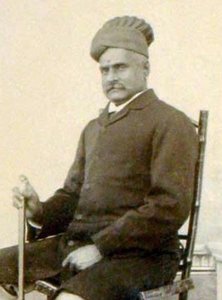
Raja Ravi Varma
1848 - 1906 , Indie
Najważniejsze informacje
- Artistic Movement Or Style: Fusion art
- Artists Or Movements Influenced By This Artist: ['Nowoczesne sztuki Indii']
- Artists Who Influenced This Artist: ['Europejscy mistrzowie']
- Date Of Birth: 29 kwietnia 1848
- Date Of Death: 2 października 1906
- Full Name: Raja Ravi Varma
- Nationality: Indie
- Notable Artworks:
- Shakuntala
- Hansa Damayanthi
- Place Of Birth: Kilimanoor, Indie
Zobacz także powiązane artykuły
Echa Olimpu: Mity w sztuce Zachodu – od antycznych korzeni do współczesnych reinterpretacji
Odkryj fascynującą historię mitów w sztuce Zachodu! Analizujemy wpływ greckich bogów na ikonografię, reinterpretacje klasycznych opowieści i ich obecność we współczesnej kulturze. Ekspercka wiedza dla miłośników sztuki.
Timeless Legends: A Curated Guide to the Eternal Allure of Mythological Masterpieces
Embark on a sophisticated journey through the eternal allure of mythological art. Discover how master painters breathe life into ancient legends, from Greek deities to Baroque masterpieces, and learn to curate these timeless narratives within your own exquisite art collection.
Osobiste Mitologie: Przekształcanie Idei w Symboliczne Arcydzieła – Sztuka Narracji Wizualnej i Indywidualnego Wyrazu
Odkryj fascynujący świat symbolizmu w sztuce! Analiza dzieł Moreau, Redona i Muncha, historia polskiego symbolizmu oraz praktyczne wskazówki wyboru reprodukcji. Ekspercka wiedza dla kolekcjonerów i miłośników sztuki.

Raja Ravi Varma: Bridging Tradition & Modernity in 19th-Century Indian Art
Explore the life & art of Raja Ravi Varma, a pioneer who fused European techniques with Indian iconography. Discover his iconic paintings, lasting legacy, and influence on modern Indian art at OriginalUniqueArt.

Timeless Legends: The Eternal Allure of Mythological Figures in Masterpiece Art
Explore the profound beauty of mythological figures through the lens of art history. From Renaissance masterpieces to custom oil reproductions, discover how legendary tales of heroism and divinity are immortalized in fine art for discerning collectors.


