Post-Impressionism · 1925
The Windows (Pierre Bonnard, 1925)
Pierre Bonnard (1867–1947) stworzył The Windows. Dzieło pochodzi z 1925. Należy do nurtu Post-Impressionism. Wykonano w technice Oil On Canvas.
- 1925
- Oil On Canvas

 Podgląd w skali 1:1

 Ręcznie malowany obraz olejny
 Wyślij jako kartkę
 Udostępnij
 Karta informacyjna


 Pobierz obraz
 Podobne obiekty
 RTG
 Pokaz slajdów
 Pytania i odpowiedzi

 Statystyki
The Windows w skrócie
- Tytuł
- The Windows
- Artysta
- Pierre Bonnard (1867–1947)
- Miejsce urodzenia artysty
- Fontenay-aux-Roses, Francja
- Data powstania
- 1925
- Technika wykonania
- Oil On Canvas
- Epoka
- 19th Century
- Temat
- mediterranean view, interior landscape, window composition, post-impressionism art, light and shadow, domestic scene
Co przedstawia The Windows?
A Window on Memory: Pierre Bonnard’s ‘The Windows’
Pierre Bonnard's “The Windows,” painted in 1925, is more than just a still life; it’s an intimate meditation on light, memory, and the quiet beauty of domesticity. The artwork immediately draws the viewer into a warmly lit interior space, a room imbued with a palpable sense of tranquility. Through the open window, a vibrant Mediterranean town unfolds – a distant echo of warmth and color that subtly shapes the mood of the scene. Bonnard’s masterful use of perspective creates a layered composition, guiding our eye from the tangible objects within the room—a book titled ‘Marie,’ a paintbrush, an inkwell—to the expansive vista beyond, blurring the boundaries between the personal and the universal.
- Post-Impressionist Vision: “The Windows” firmly establishes Bonnard’s place within the Post-Impressionist movement. Influenced heavily by Paul Gauguin's bold color palettes and flattened perspective, Bonnard rejects strict realism in favor of a subjective interpretation of reality. The visible brushstrokes, applied with a confident hand, contribute to a richly textured surface that invites close inspection.
- Technique & Materials: Executed in oil paints on canvas, the artwork showcases Bonnard’s signature impasto technique – thick layers of paint built up to create a tactile and luminous effect. This is particularly evident in the window frame and the book cover, where the paint seems to shimmer with reflected light.
- Color as Emotion: Bonnard's color choices are deliberately emotive, eschewing naturalistic representation for hues that evoke specific feelings. The warm yellows, oranges, and reds of the interior contrast dramatically with the cooler blues and greens of the distant landscape, creating a dynamic visual tension.
Decoding the Symbolism
Beyond its technical brilliance, “The Windows” is rich in symbolic potential. The inclusion of ‘Marie,’ a book bearing this name, has been interpreted as representing love or memory – perhaps a cherished recollection brought to life through the artist’s gaze. The window itself acts as a portal, not just to a physical location but also to a realm of contemplation and introspection. The simplified shapes and organic forms throughout the composition suggest a desire to capture the essence of things rather than their precise details, aligning with Bonnard's broader artistic philosophy.
- The Mediterranean Landscape: The distant town, rendered in atmospheric perspective – paler colors and less detail for objects further away – symbolizes escape, longing, or perhaps a nostalgic yearning for the sun-drenched landscapes of Southern France, where Bonnard spent much of his life.
- Domestic Objects as Vessels of Memory: The carefully arranged objects within the room—the book, paintbrush, inkwell—are not merely props; they are imbued with personal significance, suggesting a connection to Bonnard’s own experiences and emotions.
Historical Context & Artistic Legacy
Painted in 1925, “The Windows” reflects the evolving artistic landscape of early 20th-century France. Bonnard was working at a pivotal moment, navigating between the traditions of Impressionism and the radical experimentation of Cubism and other avant-garde movements. His work, though rooted in observation, is profoundly subjective, prioritizing emotional resonance over objective representation. This approach anticipated many of the developments that would shape modern art.
Artist Information: Pierre Bonnard (1867-1947) was a prominent figure in the Post-Impressionist movement, renowned for his evocative depictions of domestic interiors and landscapes. His distinctive style, characterized by bold color choices, loose brushwork, and a focus on capturing light and atmosphere, continues to captivate audiences today.Zdjęcia w wysokiej rozdzielczości dzieła The Windows

Domena publiczna: artysta zmarł w 1947.
Inne rozmiary, kadrowanie i cytowanie →Pierre Bonnard, The Windows (1925). Domena publiczna
Odpowiedzi na pytania dotyczące The Windows
W którym roku powstało dzieło „The Windows” – Pierre Bonnard?
"The Windows" powstało w 1925 roku. Data ta pozwala umiejscowić dzieło w kontekście twórczości Pierre Bonnard oraz epoki, w której powstało.
W jakiej technice wykonano „The Windows” – Pierre Bonnard?
Pierre Bonnard wykorzystał/a technikę Oil On Canvas w pracy „The Windows”. Technika ta definiuje materię oryginalnego dzieła.
Co przedstawia „The Windows” – Pierre Bonnard?
Tematyka obecna w „The Windows” – Pierre Bonnard obejmuje mediterranean view, interior landscape, window composition, post-impressionism art, light and shadow, domestic scene, color palette study. Razem stanowią one podsumowanie tematyki dzieła.
Czy dzieło "The Windows" znajduje się w domenie publicznej?
„The Windows” – Pierre Bonnard znajduje się w domenie publicznej (należy do domeny publicznej – autorskie prawa majątkowe wygasły). Status ten określa zasady reprodukcji obrazu tego dzieła.
Któremu artyście przypisuje się "The Windows"?
„The Windows” zostało stworzone przez Pierre Bonnard. Informacje na tej stronie dotyczą oryginalnego dzieła autorstwa Pierre Bonnard.
Do jakiego nurtu w sztuce należy „The Windows” – Pierre Bonnard?
Nurt związany z „The Windows” – Pierre Bonnard to Post-Impressionism. Ta klasyfikacja sytuuje dzieło wśród pokrewnych artystów i dzieł sztuki.
Do którego okresu twórczości Pierre Bonnard należy dzieło "The Windows"?
„The Windows” pochodzi z okresu Mature Period w twórczości Pierre Bonnard. Klasyfikacja ta wiąże dzieło z rozwojem artysty.
Ile lat miał(a) Pierre Bonnard, tworząc "The Windows" w 1925 roku?
Pierre Bonnard stworzył/a "The Windows" w wieku 58 lat. Artysta urodził/a się w 1867, a datowanie dzieła to 1925.
Co wyjaśnia sytuację prawną dotyczącą praw autorskich do „The Windows” – Pierre Bonnard?
Dzieło "The Windows" autorstwa Pierre Bonnard znajduje się w należy do domeny publicznej – autorskie prawa majątkowe wygasły. Okres ochrony praw autorskich liczony jest od daty śmierci artysty, a Pierre Bonnard zmarł(a) w 1947.
O artyście: Pierre Bonnard
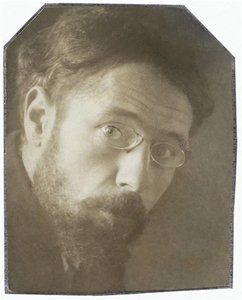
1867–1947, Francja
Pierre Bonnard
Wczesne lata, rodzina i kształcenie Pierre Bonnard przyszedł na świat 3 października 1867 roku w Fontenay-aux-Roses w departamencie Hauts-de-Seine we Francji. Urodził się w rodzinie naznaczonej surowymi oczekiwaniami; jego ojciec, Eugène Bonnard, zajmował wysokie stanowisko w francuskim Ministerstwie Wojny. Choć jego korzenie tkwiły w administracyjnej stabilności państwa, domowa sfera Pierre’a została ukształtowana przez matkę, Élisabeth Mertzdorff, pochodzącą z Alzacji. Dorastał u boku brata Charlesa oraz siostry Andrée, w domu, w którym jego siostra miała w przyszłości poślubić kompozytora Claude’a Terrasse’a.
Inne prace Pierre Bonnard
 Nuda1920
 La toilette, ca Private1932
 The almond tree in blossom
 Le placard rouge (The Red Cupboard),1939

Eseje o The Windows
 10 Arcydzieł Impresjonizmu, które Zrewolucjonizowały Świat Sztuki | OriginalUniqueArtOdkryj 10 arcydzieł impresjonizmu – Monet, Renoir, Degas i inni. Poznaj historie powstania kultowych obrazów, techniki malarskie i paletę b…
 Capturing Emotion: The Enchanting World of Romantic Illustration and the Art of Visual PoeticsExplore the evocative beauty of Romantic illustration. From Art Nouveau to Victorian classics, discover how master illustrators capture pro…
 Chasing the Sun: The Ethereal Magic of Window Light in Impressionist MasterpiecesDiscover the ethereal beauty of window light in Impressionist masterpieces. Explore a visual journey through Monet, Bonnard, and Van Gogh, …