
 Zobacz w skali 1:1
 Wyślij
 Udostępnij
 Szczegóły
 Przewodnik

 Pobierz plik obrazu
 Podobne obiekty
 RTG
RTG Pokaz slajdów
 Statystyki
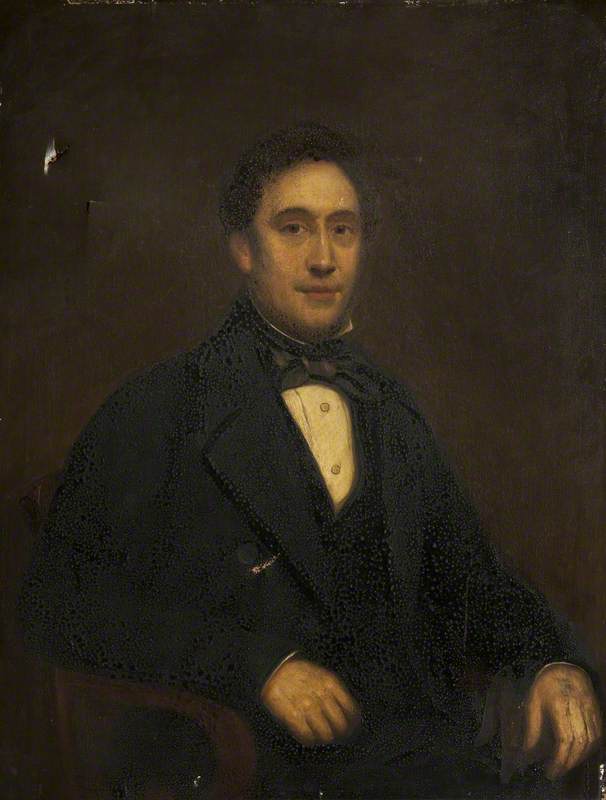
Stephen Simpson
 1860
1860 92.0 x 72.0 cm
 Harris Museum - Art Gallery
 Czytaj więcej
Giclée / Wydruk artystyczny
Wydruki giclée lub płótna o jakości muzealnej, szybka realizacja i szeroki wybór opcji wykończenia. ( Kup ręcznie malowany obraz Przełącz na wersję cyfrową)




































Wybierz spośród naszych standardowych rozmiarów, które zachowują oryginalne proporcje dzieła sztuki.

Możesz wprowadzić własne wymiary, aby dopasować dzieło do konkretnej ramy lub przestrzeni. Jeśli wybrany rozmiar nie będzie odpowiadał proporcjom oryginalnego obrazu, przytniecie dzieło lub rozszerzymy obraz za pomocą odbicia lustrzanego lub jednolitego wypełnienia krawędzi. Przed rozpoczęciem produkcji prześlemy cyfrową wizualizację do Twojej akceptacji.
Prosimy pamiętać, że podgląd na ekranie nie odzwierciedla faktycznego przycinania ani rozszerzania. Tylko wizualizacja dokładnie pokaże końcową kompozycję.
Mimo dostępności niestandardowych rozmiarów, zalecamy wybór wymiaru z listy zdefiniowanej, aby zachować oryginalne proporcje.
Dostawa na cały świat () w ciągu 2 tygodni zamiast standardowych 4/5 tygodni. (26 Wrzesień)

Bezpłatna ekspresowa wysyłka na cały świat

Wysokiej jakości płótno lniane

Pełne ubezpieczenie transportowe

Gwarancja zwrotu należności celnych i podatków importowych

Gwarancja idealnego odwzorowania barw

100-dniowy okres na zwrot dzieła w przypadku wykrycia wad produkcyjnych

Gwarancja 100% zwrotu pieniędzy

Oferta przy zakupie wielu sztuk
 Opcja ze szkłem jest dostępna wyłącznie w rozmiarach poniżej 110 cm

Stephen Simpson
Giclée / Wydruk artystyczny
Rozmiar reprodukcji
-


Suma do zapłaty
$ 80
Biografia artysty
The Soul Behind the Surface: The Life and Legacy of Philipp Hoyoll
In the grand, sweeping tapestry of nineteenth-century British art, few threads are as finely woven as those left by Philipp Hoyoll. A master of Victorian portraiture, Hoyoll possessed a rare, almost supernatural ability to bridge the gap between mere physical likeness and the profound psychological depth of his subjects. Born in 1816, his life unfolded during an era of immense transformation in England—a time when the rigid structures of the past were beginning to dance with the burgeoning complexities of a modernizing world. While much of his early life remains shrouded in the soft mists of history, his artistic presence is undeniably luminous, marked by a commitment to meticul and realism that captured the very essence of the British elite.
The foundation of Hoyoll’s brilliance can be traced back to his formative training under the legendary Thomas Hudson. To study under Hudson was to inherit the mantle of the "Grand Manner," a prestigious tradition that demanded clarity, restraint, and an idealized sense of beauty rooted in classical ideals. From this mentorship, Hoyoll absorbed more than just technical proficiency; he learned the art of storytelling through the gaze and the subtle positioning of a sitter. He understood that a portrait was not merely a record of a face, but a window into a character, a way to immortalize the inner life of the individual through the careful application of light and shadow.
A Mastery of Detail and the Victorian Spirit
Hoyoll’s work is characterized by an unwavering dedication to anatomical accuracy and a breathtaking command over subtle tonal gradations. When one observes his portraits, there is an immediate sense of intimacy, as if the viewer has been granted a private audience with history itself. His brushwork, though precise, never felt clinical; rather, it breathed life into the textures of silk, the weight of velvet, and the soft luminescence of skin. This technical prowess allowed him to navigate the complex social landscape of his time, securing prestigious commissions from some of the most influential figures of the Victorian age.
His portfolio serves as a gallery of the era's prominent personalities, reflecting the social hierarchy and the philanthropic spirit of the nineteenth century. Notable among his achievements are his depictions of:
- Thomas Thwaites, JP: A portrait that captures the dignity of a respected landowner and philanthropist, embodying the stability of the landed gentry.
- James Taylor Staton: A masterful rendering of the prominent barrister and diplomat, showcasing Hoyoll's ability to convey professional gravitas and intellectual depth.
Through these works, Hoyoll did more than paint faces; he documented the social fabric of an empire. His ability to balance the formal conventions of his era with a burgeoning interest in psychological realism allowed him to transcend the limitations of traditional portraiture. He captured the ennui, the pride, and the quiet strength of his subjects, ensuring that their legacies would endure long after the era of the Grand Manner had faded into memory.
Historical Significance and Enduring Resonance
As the nineteenth century progressed, the art world began to shift toward more experimental and impressionistic styles, yet the work of Philipp Hoyoll remained a steadfast pillar of classical excellence. His contribution to British portraiture lies in his ability to maintain the dignity of the subject while infusing the canvas with a palpable sense of humanity. He stood at the intersection of tradition and evolution, using the tools of the old masters to explore the complexities of a new age.
Though he passed away around 1875 or 1876, leaving behind a body of work that continues to fascinate historians and art enthusiasts alike, Hoyoll’s impact remains. His paintings are not merely relics of a bygone period; they are vibrant, breathing testimonies to the human condition. To study Hoyoll is to encounter the heart of Victorian England—a world of elegance, duty, and an enduring search for identity through the mirror of art.

philipp hoyoll
1816 - 1876
Najważniejsze informacje
- Artistic Movement Or Style: Realism
- Artists Or Movements Influenced By This Artist: ['Grand Manner']
- Artists Who Influenced This Artist: ['George Hayter']
- Date Of Death: 1876
- Full Name: Philipp Hoyoll
- Nationality: British
- Notable Artworks:
- Thomas Thwaites Portrait
- James Taylor Staton Portrait
- Place Of Birth: England