Gotyk · 1379
Portret (Piotr Parler, 1379)
Piotr Parler (1330–1399) stworzył Portret. Dzieło pochodzi z 1379. Należy do nurtu Gotyk. Wykonano w technice Akryl na płótnie. Przechowywane jest w Katedra w Praga, Czechia.
- 1379
- Akryl na płótnie
- Katedra, Praga

 Podgląd w skali 1:1

 Ręcznie malowany obraz olejny
 Wyślij jako kartkę
 Udostępnij
 Przewodnik


 Pobierz obraz
 Podobne obiekty
 RTG
 Pokaz slajdów
 Pytania i odpowiedzi

 Statystyki
Portret: najważniejsze informacje
- Tytuł
- Portret
- Artysta
- Piotr Parler (1330–1399)
- Miejsce urodzenia artysty
- Schwaebisch Guemund, Niemcy
- Data powstania
- 1379
- Technika wykonania
- Akryl na płótnie
- Gdzie można je zobaczyć
- Katedra, Praga, Czechia
- Ruch
- Gotyk
- Temat
- sculpture, self-portrait, medieval art, czech republic, cathedral architecture, renaissance influence
Co przedstawia Portret?
Peter Parler’s Self-Portrait: A Testament to Gothic Innovation
Pietro Cavallini, choć jego życie było krótkie – zakończyło się około 1330 roku w Rzymie – pozostawił po sobie niezwykle znaczący ślad w historii sztuki włoskiej. Jego twórczość wyznaczyła nowe kierunki dla późniejszej epoki renesansu i gothiczu, łącząc elementy klasycznej refleksji z głębokimi emocjami oraz doskonałą techniką wykonania. Sam obraz „Portret własny” Petera Parlera stanowi fascynujące świadectwo tej wyjątkowej umiejętności artystycznej i stanowi istotną część bogatej historii architektury czeskiego Świątyni Najświętszego Sakramentu w Pradze – monumentalnego dzieła sztuki, które dziś zachwyca zwiedzających.- Subject Matter: The sculpture depicts a self-representation of the artist himself, capturing his contemplative gaze and serene demeanor. This intimate portrayal reflects Parler’s personal introspection and ambition to express his identity through art.
- Style: The artwork embodies the Late Gothic style prevalent in Bohemia during Parler's lifetime. It distinguishes itself from earlier gothic forms by incorporating elements of Roman naturalism, a trend that sought to emulate classical ideals of beauty and proportion.
- Technique: Crafted with meticulous attention to detail, the sculpture showcases Parler’s mastery of stone carving – a technique characterized by its durability and ability to convey subtle nuances of expression. The artist skillfully utilized chisels and hammers to sculpt the facial features, hair, and clothing folds, achieving remarkable realism.
- Historical Context: Created in 1379, “Self-Portrait” reflects the intellectual fervor of the period, marked by renewed interest in classical learning and artistic inspiration. Parler’s work aligns with broader trends shaping European art during the fourteenth century – a time of profound transformation and cultural exchange.
- Symbolism: The hooded cloak worn by Parler symbolizes humility and piety—values deeply rooted in medieval spirituality. Furthermore, the closed eyes suggest inner peace and contemplation, conveying a message of spiritual serenity that transcends temporal concerns.
Architectural Setting & Influence
The sculpture’s placement within St. Vitus Cathedral underscores its significance as part of a larger architectural project—a testament to Parler's ambition and artistic vision. The cathedral itself, begun in 1368, represents the pinnacle of Gothic architecture in Prague and embodies the aspirations of Bohemian Christendom. Parler’s contribution to this monumental edifice cemented his reputation as one of Bohemia’s foremost architects and profoundly impacted the stylistic development of subsequent generations of builders.Emotional Impact & Legacy
“Self-Portrait” transcends mere representation; it communicates a palpable sense of emotion—a quiet dignity born from profound contemplation. The sculpture's enduring appeal lies in its ability to resonate with viewers across centuries, prompting reflection on themes of identity, spirituality, and artistic achievement. Peter Parler’s legacy continues to inspire artists today, reminding us that true artistry resides not only in technical skill but also in conveying the deepest human experiences.Reproductions & Appreciation
A high-quality reproduction of “Self-Portrait” allows admirers of art history and design to experience the beauty and sophistication of Parler’s masterpiece firsthand. OriginalUniqueArt offers exceptional reproductions that faithfully capture the sculpture's textures, colors, and subtle nuances of expression—bringing a piece of Gothic innovation into your home or studio. Explore our collection today!W którym muzeum znajduje się Portret?
Katedra
Praga, Czechia
Gotycka Wizja: Katedra św. Wita i Dusza Pragi Wznosząca się nad czerwonymi dachami Pragi niczym modlitwa utrwalona w kamieniu, Katedra św. Wita to nie tylko zabytkowiec – to ucieleśnienie czeskiej historii, wiary i aspiracji artystycznych.
Portret w wysokiej rozdzielczości
Domena publiczna: artysta zmarł w 1399.
Piotr Parler, Portret (1379), Katedra. Domena publiczna
Ekspert ds. cyfrowych weryfikuje kolory względem oryginału i retuszuje plik, zachowując wierność pociągnięciom pędzla artysty.
Kup obraz w wysokiej rozdzielczościPytania o Portret
Gdzie można zobaczyć oryginał „Portret” – Piotr Parler?
„Portret” – Piotr Parler znajduje się w zbiorach Katedra, Praga, Czechia. Informacja o muzeum dotyczy oryginału, a nie reprodukcji.
W którym roku powstało dzieło "Portret"?
„Portret” – Piotr Parler powstało w 1379.
W jakiej technice wykonano „Portret” – Piotr Parler?
„Portret” wykonano w technice Akryl na płótnie.
Co przedstawia „Portret” – Piotr Parler?
Tematyka dzieła "Portret" to sculpture, self-portrait, medieval art, czech republic, cathedral architecture, renaissance influence, german sculpture.
Czy dzieło "Portret" znajduje się w domenie publicznej?
Jeśli chodzi o prawa autorskie, "Portret" znajduje się w należy do domeny publicznej – autorskie prawa majątkowe wygasły.
Kto stworzył "Portret"?
„Portret” zostało stworzone przez Piotr Parler. Informacje na tej stronie dotyczą oryginalnego dzieła autorstwa Piotr Parler.
Do jakiego nurtu należy "Portret"?
Nurt związany z „Portret” – Piotr Parler to Gotyk. Ta klasyfikacja sytuuje dzieło wśród pokrewnych artystów i dzieł sztuki.
Do którego okresu twórczości Piotr Parler należy dzieło "Portret"?
„Portret” pochodzi z okresu Mature Period w twórczości Piotr Parler. Klasyfikacja ta wiąże dzieło z rozwojem artysty.
Ile lat miał Piotr Parler, gdy powstało dzieło „Portret”?
Gdy w 1379 roku powstało dzieło „Portret”, Piotr Parler – urodzony/a w 1330 – miał/a 49 lat.
O artyście: Piotr Parler

1330–1399, Niemcy
Piotr Parler
A Master of Stone and Spirit In the heart of the Late Middle Ages, a period defined by soaring spires and profound devotion, Peter Parler emerged as one of the most influential architects and sculptors of his era. Born into a distinguished dynasty of master builders, he carried the weight of tradition while simultaneously forging a new, expressive language for European architecture. Known variously as Peter von Gemünd or Petr Parléř, his identity was inextricably linked to the Parler family, a lineage of craftsmen whose influence stretched across much of Central Europe. His journey began in the town of Schwäbisch Gmünd, Germany, where he received his early training, eventually leading him to work at significant medieval building sites including Strasbourg, Cologne, and Nuremberg.
Inne prace Piotr Parler
 Head of Charles IV1375
 Self-portrait1379
 Tomb of Ottokar II
Eseje o Portret
 Echo Samorefleksji: Temat Własnego Obrazu w Historii Sztuki i Współczesnej PraktyceOdkryj fascynującą historię autoportretu w sztuce! Analiza arcydzieł van Eycka, Repina i Kirchnera. Poradnik dla kolekcjonerów: wartość inw…
 James Abbott McNeill Whistler: 25 Arcydzieł Sztuki Pejzażowej i Portretowej | OriginalUniqueArtOdkryj 25 arcydzieł Jamesa Abbotta McNeilla Whistler'a! Poznaj historię impresjonistycznych pejzaży, portretów i słynnych 'Nokturnów'. Repr…
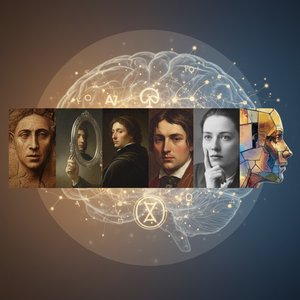 Reflecting the Self: A History of Portraiture & Psychological InsightExplore the fascinating history of self-portraiture from Renaissance masters like Dürer & Rembrandt to modern interpretations. Discover the…