Romantic Academic Style
Charon (Gustave Doré)
Gustave Doré (1832–1883) stworzył Charon. Należy do nurtu Romantic Academic Style. Wykonano w technice Rytownictwo.
- Rytownictwo

 Podgląd w skali 1:1

 Ręcznie malowany obraz olejny
 Wyślij jako kartkę
 Udostępnij
 Karta informacyjna


 Pobierz obraz
 Podobne obiekty
 RTG
 Pokaz slajdów
 Pytania i odpowiedzi

 Statystyki
Charon w skrócie
- Tytuł
- Charon
- Artysta
- Gustave Doré (1832–1883)
- Miejsce urodzenia artysty
- Strasburg, Francja
- Technika wykonania
- Rytownictwo
- Epoka
- – Wiek XIX
- Temat
- greek mythology, underworld journey, charon ferryman, death symbolism, stormy landscape, religious imagery
Co przedstawia Charon?
Charon: A Journey Into Darkness – Gustave Doré’s Dramatic Engraving
Gustave Doré's "Charon" isn’t merely an illustration; it’s a visceral plunge into the heart of Greek mythology and a masterful demonstration of Romantic artistic principles. Executed in 1872, this wood engraving captures the chilling moment when souls embark on their perilous voyage across the River Styx toward Hades – a scene steeped in symbolism and rendered with breathtaking detail that continues to resonate with viewers today.- Composition & Narrative Depth: Doré’s genius lies in his ability to convey profound emotion through visual storytelling. The engraving depicts Charon, the ferryman of souls, steadfastly guiding a multitude of figures – desperate men and women – into the abyss. The chaotic arrangement emphasizes the struggle for survival and underscores the inescapable reality of death. Diagonal lines dominate the composition, propelling the eye across the frame and amplifying the sense of movement and unease.
- Technical Brilliance: Doré’s technique is undeniably impressive. Employing meticulous hatching and cross-hatching—a hallmark of Romantic engraving—he achieves remarkable tonal variation and depth. The artist skillfully simulates the rough texture of stone and water, creating a palpable atmosphere of gloom and foreboding. The use of metal etching ensures exceptional precision and luminosity, capturing every nuance of expression and gesture.
- Symbolism & Mythological Significance: Beyond its aesthetic qualities, “Charon” embodies core themes from Homer’s Odyssey and Virgil's Aeneid. Charon himself represents authority and judgment – the inescapable gatekeeper between life and death. The shadowy landscape beneath a stormy sky symbolizes the unknown realm of Hades, mirroring the anxieties surrounding mortality prevalent in Victorian England.
- Historical Context: Doré’s engraving emerged during a period marked by intellectual ferment—the Romantic movement championed emotion and imagination as responses to scientific rationalism. Artists like Doré sought to evoke powerful feelings through dramatic narratives and evocative imagery, reflecting a broader cultural preoccupation with death and the afterlife. The work directly references Dante Alighieri's Inferno, cementing its place within the canon of Western literature.
- Emotional Impact: Viewing “Charon” evokes a profound sense of melancholy and apprehension. Doré’s masterful use of chiaroscuro—the dramatic interplay between light and shadow—intensifies the emotional impact, drawing viewers into the scene's unsettling atmosphere. The engraving serves as a timeless reminder of humanity’s confrontation with mortality and underscores the enduring power of Romantic art to inspire contemplation and provoke emotion.
Zdjęcia w wysokiej rozdzielczości dzieła Charon
Domena publiczna: artysta zmarł w 1883.
Gustave Doré, Charon. Domena publiczna
Odpowiedzi na pytania dotyczące Charon
Z jakiej techniki wykorzystano "Charon"?
Technika wykonania dzieła „Charon” – Gustave Doré to Rytownictwo. Reprodukcje mają na celu wierne oddanie wyglądu tej techniki.
Co przedstawia "Charon"?
Tematyka obecna w „Charon” – Gustave Doré obejmuje greek mythology, underworld journey, charon ferryman, death symbolism, stormy landscape, religious imagery, memento mori. Razem stanowią one podsumowanie tematyki dzieła.
Czy dzieło "Charon" znajduje się w domenie publicznej?
Jeśli chodzi o prawa autorskie, "Charon" znajduje się w należy do domeny publicznej – autorskie prawa majątkowe wygasły.
Kto stworzył "Charon"?
„Charon” zostało stworzone przez Gustave Doré. Informacje na tej stronie dotyczą oryginalnego dzieła autorstwa Gustave Doré.
Do jakiego nurtu w sztuce należy „Charon” – Gustave Doré?
„Charon” to dzieło należące do nurtu Romantic Academic Style. Nurt ten określa tradycję artystyczną, w której osadzone jest dzieło.
Do którego okresu twórczości Gustave Doré należy dzieło „Charon”?
W dorobku artystycznym Gustave Doré dzieło „Charon” przypada na Romantic Academic Style. Ten etap pozwala zestawić je z innymi pracami twórcy.
Czy dzieło „Charon” autorstwa Gustave Doré znajduje się w domenie publicznej i dlaczego?
„Charon” – Gustave Doré jest należy do domeny publicznej – autorskie prawa majątkowe wygasły. Okres ochrony praw autorskich liczony jest od śmierci artysty, która nastąpiła w 1883.
Co łączy "Charon" z resztą twórczości Gustave Doré?
"Charon" dzieli z innymi dziełami Gustave Doré styl właściwy dla Romantic Academic Style oraz powracające motywy: biblical narrative inspiration, dramatic romantic expression, symbolic death imagery, doré’s distinctive style legacy.
Czy "Charon" wpisuje się w typową tematykę twórczości Gustave Doré?
Wśród motywów charakterystycznych dla twórczości Gustave Doré – takich jak biblical narrative inspiration, dramatic romantic expression, symbolic death imagery, doré’s distinctive style legacy – dzieło „Charon” wprowadza własne skupienie na greek mythology, underworld journey, charon ferryman, death symbolism, stormy landscape, religious imagery, memento mori.
O artyście: Gustave Doré
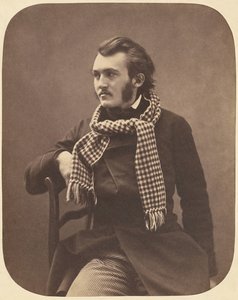
1832–1883, Francja
Gustave Doré
Życie Gustawa Doré Strasburg, Francja, 6 stycznia 1832 roku. To tutaj rozpoczyna się historia Paula Gustava Louisa Christophe’a Doré. Wkracza on w świat pełen zmieniających się prądów artystycznych, wędrując od brzegów Renu aż po tętniące życiem ulice Paryża. Już w wieku piętnastu lat porusza się w satyrycznym krajobrazie Le Journal pour rire, pracując jako karykaturzysta.
Inne prace Gustave Doré
 Akrobaci
 Chrześcijańscy męczennicy
 Piekło, Cantica IX, wersy 87-89. Do bramy podszedł i dotknął jej swym kosturem, po czym otworzyła się bez przeszkód.
 Raj utracony
Eseje o Charon
 Masterpieces of Gustave Doré: The Top 25 Iconic ArtworksExplore 25 iconic Gustave Doré engravings. Discover the genius behind his timeless illustrations. Explore the full collection on OriginalUn…
 Beauty or Meaning? Distinguishing Aestheticism from SymbolismMaster the nuances between Aestheticism and Symbolism with our expert art history guide. Learn to decode the secrets of these movements now.
 Master of Shadows: The Top 25 Iconic Artworks by Gustave DoréStep into the dramatic world of Gustave Doré. Explore 25 iconic masterpieces of light and shadow, from epic biblical engravings to gothic t…