PYRAMUS and THISBE (Max Klinger)
Max Klinger (1857–1920) stworzył PYRAMUS and THISBE.

 Podgląd w skali 1:1

 Ręcznie malowany obraz olejny
 Wyślij jako kartkę
 Udostępnij
 Karta informacyjna


 Pobierz obraz
 Podobne obiekty
 RTG
 Pokaz slajdów
 Pytania i odpowiedzi

 Statystyki
PYRAMUS and THISBE w skrócie
- Tytuł
- PYRAMUS and THISBE
- Artysta
- Max Klinger (1857–1920)
- Miejsce urodzenia artysty
- Lipsk, Niemcy
Zdjęcia w wysokiej rozdzielczości dzieła PYRAMUS and THISBE
Domena publiczna: artysta zmarł w 1920.
Max Klinger, PYRAMUS and THISBE. Domena publiczna
Odpowiedzi na pytania dotyczące PYRAMUS and THISBE
Czy obraz „PYRAMUS and THISBE” – Max Klinger można swobodnie reprodukować?
„PYRAMUS and THISBE” – Max Klinger znajduje się w domenie publicznej (należy do domeny publicznej – autorskie prawa majątkowe wygasły). Status ten określa zasady reprodukcji obrazu tego dzieła.
Któremu artyście przypisuje się "PYRAMUS and THISBE"?
Autorstwo dzieła "PYRAMUS and THISBE" przypisuje się Max Klinger.
Czy dzieło „PYRAMUS and THISBE” autorstwa Max Klinger znajduje się w domenie publicznej i dlaczego?
Status praw autorskich do dzieła „PYRAMUS and THISBE” – należy do domeny publicznej – autorskie prawa majątkowe wygasły – wynika z faktu, że artysta zmarł w 1920.
O artyście: Max Klinger

1857–1920, Niemcy
Max Klinger
The Shadowed World of Max Klinger: A Pioneer of Symbolism Max Klinger, born in Leipzig in 1857, emerged as a pivotal figure bridging the gap between Realism and the burgeoning world of Symbolism. His artistic journey wasn’t one of immediate recognition but rather a gradual unfolding of a unique vision—a descent into the psychological depths that would profoundly influence modern art. Klinger's early training at the Academy of Fine Arts in Karlsruhe, under Karl Gussow, provided him with a solid foundation in traditional techniques, yet it was his fascination with the etchings of artists like Menzel and Goya that truly ignited his imagination. These masters demonstrated the power of printmaking to convey not merely visual representation but also narrative complexity and emotional intensity—qualities Klinger would masterfully employ throughout his career.
Inne prace Max Klinger
 The death peeing
 The Isle of the Dead
 Presa
 Y sin embargo!
Eseje o PYRAMUS and THISBE
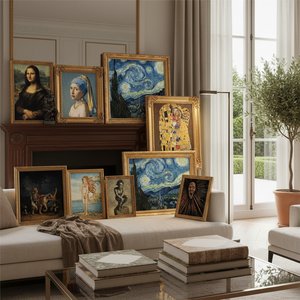 Klasyka w sztuce: 10 arcydzieł dla ponadczasowego wnętrza | OriginalUniqueArt.comOdkryj 10 klasycznych arcydzieł malarstwa, od Rembrandta po Van Gogha! Poznaj historie artystów i techniki tworzenia ponadczasowych obrazów…
 25 Must-See Masterpieces at La Biennale di Venezia: A Journey Through Venice's Greatest ArtEmbark on a visual journey through La Biennale di Venezia. Discover 25 iconic masterpieces, from avant-garde installations to timeless fine…
 Masterpieces of Impressionism: The Top 25 Artworks by James McNeill WhistlerExplore 25 iconic masterpieces by James McNeill Whistler. Discover the essence of Tonalism and Impressionism. Explore the full collection o…