

 Zobacz w skali 1:1
 Wyślij
 Udostępnij
 Szczegóły
 Przewodnik

 Pobierz plik obrazu
 Podobne obiekty
 RTG
RTG Pokaz slajdów
 Statystyki
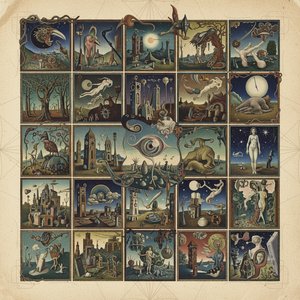
Bird's hell


 Czytaj więcej
Giclée / Wydruk artystyczny
Wydruki giclée lub płótna o jakości muzealnej, szybka realizacja i szeroki wybór opcji wykończenia. ( Kup ręcznie malowany obraz Przełącz na wersję cyfrową)




P118B zł10

P118H zł10

P118W zł10

P438Z zł10

P508JH zł12

P508YH zł12

P805H zł10

P805Z zł10

P919BZ zł10

P919G zł10

P919XJ zł10

P959ZH zł10

P968JZ zł12

W106C zł8

W218G zł10

W218JH zł8

W218Y zł10

W307PJ zł10

W316G zł10

W316PJ zł8

W316Y zł10

W398PJ zł8

W4111J zł10

W500HY zł15

W500JH zł15

W692G zł12

W849H zł8

W940BG zł15

W953PJ zł8




Wybierz spośród naszych standardowych rozmiarów, które zachowują oryginalne proporcje dzieła sztuki.

Wpisz wymaganą szerokość i wysokość, aby dopasować grafikę do ramy lub ściany. Wydruk można jedynie przyciąć, nigdy nie powiększając go poza oryginalny obraz, dlatego format o innym proporcji spowoduje utratę części kompozycji. Przed rozpoczęciem druku prześlemy Ci cyfrowy podgląd do zatwierdzenia. Obraz wyświetlany na tej stronie nie pokazuje rzeczywistego przycięcia — jedynie podgląd oddaje ten efekt.
Dostawa na cały świat () w ciągu 2 tygodni zamiast standardowych 4/5 tygodni. (18 Październik)

Bezpłatna ekspresowa wysyłka na cały świat

Wysokiej jakości płótno lniane

Pełne ubezpieczenie transportowe

Gwarancja zwrotu należności celnych i podatków importowych

Gwarancja idealnego odwzorowania barw

100-dniowy okres na zwrot dzieła w przypadku wykrycia wad produkcyjnych

Gwarancja 100% zwrotu pieniędzy

Oferta przy zakupie wielu sztuk
 Opcja ze szkłem jest dostępna wyłącznie w rozmiarach poniżej 110 cm

Bird's hell
Giclée / Wydruk artystyczny
Rozmiar reprodukcji
-


Suma do zapłaty
zł 304
A Symphony of Chaos: Exploring Max Beckmann's "Bird's Hell"
To stand before Max Beckmann’s Bird's Hell is not merely to observe a painting; it is to be enveloped by an atmosphere—a vibrant, unsettling confluence of human drama and avian frenzy. This masterpiece from 1938 captures a moment suspended in time, yet vibrating with palpable energy. The scene unfolds within what appears to be an over-furnished, almost claustrophobic interior space. It is a tableau vivant of disarray, where the mundane objects of daily life—bowls, cups, bottles, and vases—seem to have accumulated until they form part of the very psychological landscape.
The sheer density of figures is breathtaking. Dozens of people are interwoven into the composition, some engaged in quiet contemplation, others caught mid-gesture, creating a sense of collective, yet individualized, turmoil. This teeming humanity, coupled with the riotous presence of numerous birds fluttering and perching everywhere, transforms the room into something mythic and deeply unsettling. It speaks to an overstimulation, a sensory overload that mirrors the anxieties of the era in which it was conceived.
Style, Technique, and Beckmann's Vision
Beckmann’s technique here is masterful in its ability to convey both meticulous detail and utter chaos. While his early work might have leaned toward academic precision, Bird's Hell showcases a mature style that channels the distorted energy of modernism. His influences—from the stained-glass narratives of medieval art to the emotional depth of Van Gogh—are visible in how he renders light and shadow across the cluttered surfaces. The application of paint is rich, giving weight to every discarded object while allowing the movement of the birds to suggest an almost ephemeral quality.
The composition itself is a masterclass in controlled pandemonium. Nothing feels accidental; every scattered item, every entangled limb, contributes to a narrative tension that pulls the viewer deeper into its depths. For those considering bringing this powerful aesthetic home through a reproduction, understanding this balance between meticulous rendering and emotional abandon is key—it promises drama without sacrificing artistic integrity.
Symbolism of Disorder and Humanity
The symbolism within Bird's Hell is notoriously rich and open to interpretation, which only enhances its enduring power. The birds, often symbols of the spirit or freedom, here seem almost predatory in their numbers, adding a layer of wildness to the human predicament. Coupled with the sheer accumulation of domestic clutter—the bowls, the cups—the painting suggests a critique of modern existence itself: a life so saturated with material possessions and social interaction that it verges on collapse. It is a meditation on excess, on the beautiful burden of too much being.
The sense of disorder does not equate to meaninglessness; rather, Beckmann elevates this chaos into a profound commentary on the human condition—a place where individual souls struggle against overwhelming societal pressures and sensory input. It invites us to pause our own hurried lives and examine what we are accumulating, both materially and emotionally.
Emotional Resonance for the Modern Collector
For the art lover or interior designer seeking a piece with undeniable narrative weight, Bird's Hell offers an unparalleled emotional anchor. It is not a painting meant to soothe; it is one designed to provoke thought, conversation, and deep introspection. Reproducing this work allows one to harness its dramatic energy within a contemporary setting. Imagine the visual impact of such a complex, emotionally charged piece anchoring a room—it becomes the focal point around which all other design elements must orbit.
Owning or displaying a reproduction of Bird's Hell is an embrace of complexity. It suggests that beauty can be found not just in serene perfection, but within the vibrant, messy, and utterly compelling reality of shared human experience.
Pytania i odpowiedzi
Czy „Bird's hell” autorstwa Max Beckmann to jasne czy ciemne dzieło?
Postrzegana jasność dzieła „Bird's hell” autorstwa Max Beckmann wynosi deep_shadow. Można ją dopasować do oświetlenia w docelowym pomieszczeniu.
Gdzie mogę znaleźć przewodnik do "Bird's hell"?
Przewodnik po "Bird's hell" to strona Przewodnik dzieła sztuki – nadrukowalna karta informacyjna prezentująca utwór wraz z podpisem, informacją o autorstwie oraz tabelą danych (artysta, daty, technika, wymiary oryginału, kolekcja).
Czy istnieją dzieła podobne do „Bird's hell”?
Dzieła podobne do „Bird's hell” autorstwa Max Beckmann zostały zgromadzone na stronie Podobne dzieła danego dzieła.
Biografia artysty
Early Life and Artistic Development
Max Carl Friedrich Beckmann (ur. 12 lutego 1884 w Lipsku, zm. 27 grudnia 1950 w Nowym Jorku) – niemiecki malarz, rysownik, rzeźbiarz, grafik i pisarz. Członek Berlińskiej Secesji. Jego twórczość rozpoczęła się od obrazów wiernych akademickim zasadom, które później przekształciły się w deformacje postaci i przestrzeni, odzwierciedlając jego zmieniony obraz ludzkości po służbie jako lekarz podczas I wojny światowej. Jego edukacja odbyła się w Lipsku, gdzie ojciec był młynarzem. Po wybuchu konfliktu międzynarodowego Beckmann został jego gorącym przeciwnikiem, gdyż uważał ją za narodowe nieszczęście. W 1915 przeżył poważną kryzys psychiczną. Te wydarzenia znacząco wpłynęły na jego twórczość i zainspirowały go do eksperymentów z różnymi technikami artystycznymi oraz tematami filozoficznymi. Jego pierwszym obrazem był dzieło inspirowane sztuką Cézanne’a i Van Gogha, które odzwierciedlało wpływ impresjonizmu na jego młodych twórczych lat.Artistic Style and Influences
Beckmann's style, rooted in the imagery of medieval stained glass, was profoundly influenced by numerous artists. Among them were Cézanne, Van Gogh, Blake, Rembrandt, and Rubens – figures who championed expressive brushwork and bold color palettes. He drew inspiration from Northern European artists of the late Middle Ages and early Renaissance, such as Bosch, Grünewald, and Matthias Grünewald, whose works explored themes of morality and symbolism with unsettling detail. Beckmann’s artistic vision was shaped by a fascination for psychological depth and an uncompromising commitment to portraying human experience in its rawest form. Jego twórczość odzwierciedlała zainteresowanie filozofią oraz refleksję nad kondycją człowieka w obliczu tragedii i przemiany świata.Notable Works and Exhibitions
Beckmann’s oeuvre encompasses a remarkable range of styles and mediums, reflecting his evolving artistic sensibilities throughout his life. He gained recognition for monumental triptychs that tackled complex theological and philosophical questions, demonstrating his mastery of visual storytelling and symbolic representation. His most celebrated paintings include *The Bark*, acquired by the National Gallery in Berlin – a haunting depiction of human suffering and resilience – and *Self-Portrait in Tuxedo*, which captures a moment of introspective contemplation. Beckmann’s works were showcased in prestigious exhibitions across Europe, cementing his place as one of the foremost artists of his era. Jego twórczość była prezentowana na międzynarodowych wystawach sztuki i osiągnęła ogromną popularność wśród krytyków oraz kolekcjonerów.Later Life and Exile
Beckmann’s life took a dramatic turn with the rise of Adolf Hitler, leading to his dismissal from the Frankfurt Art School and the confiscation of over 500 of his paintings – a devastating blow to his artistic career. Forced into exile, he resided in Amsterdam for ten years, facing insurmountable obstacles in securing permission to immigrate to the United States. Despite these hardships, Beckmann continued to produce art during his self-imposed seclusion, demonstrating unwavering dedication to his craft and intellectual pursuits. Jego twórczość powstała podczas okresu emigracji i była świadectwem jego odporności ducha oraz umiejętności przekształcania trudnych doświadczeń w inspirację dla sztuki. Podczas II wojny światowej Beckmann pozostał wiernym swoim przekonaniom politycznym i wyrażał swoje sprzeciw wobec nazistowskiego reżimu poprzez twórczość artystyczną. Jego ostatnie lata spędził w Nowym Jorku, gdzie kontynuował pracę nad obrazami oraz prowadził działalność pedagogiczną. Max Beckmann zmarł na atak serca w 1950 roku, pozostawiając po sobie bogate dziedzictwo kulturalne i wpływowe dzieła sztuki. Jego twórczość jest analizowana przez krytyków i historyków sztuki jako jedno z najważniejszych osiągnięć ekspresjonizmu niemieckiego oraz refleksję nad kondycją człowieka w XX wieku.Legacy
Beckmann’s legacy extends beyond his artistic output, encompassing his role as a teacher and mentor who nurtured the talents of aspiring artists. His retrospective exhibitions in Saint Louis and Basel captivated audiences worldwide, reaffirming his enduring relevance to contemporary art discourse. Max Beckmann Gallery, Germany – houses a comprehensive collection of his paintings and prints, offering visitors an unparalleled opportunity to immerse themselves in the artist’s visionary aesthetic. Jego twórczość jest analizowana przez krytyków i historyków sztuki jako jedno z najważniejszych osiągnięć ekspresjonizmu niemieckiego oraz refleksję nad kondycją człowieka w XX wieku.
Max Beckmann
1884 - 1950 , Niemcy
Najważniejsze informacje
- Artistic Movement Or Style: Ekspresjonizm
- Artists Or Movements Influenced By This Artist:
- Rembrandt
- Bosch
- Artists Who Influenced This Artist:
- Georges Seurat
- Vincent van Gogh
- Date Of Birth: 2 lutego 1884
- Date Of Death: 27 grudnia 1950
- Full Name: Max Carl Friedrich Beckmann
- Nationality: Niemiec
- Notable Artworks:
- The Bark
- Portret w smokingu
- Place Of Birth: Lipsk, Niemcy
Zobacz także powiązane artykuły
Max Ernst: 25 Arcydzieł Surrealizmu dla Kolekcjonerów i Miłośników Sztuki | OriginalUniqueArt
Odkryj 25 najbardziej fascynujących dzieł Maxa Ernsta – pioniera surrealizmu. Poznaj historię, techniki i inspiracje tego niemieckiego artysty. Reprodukcje obrazów najwyższej jakości na OriginalUniqueArt.com. Eksploruj pełną kolekcję online!

Max Beckmann: Navigating Trauma & Modernity Through a Distorted Lens
Explore the powerful world of Max Beckmann's art – a journey through trauma, modernity & distortion. Discover his key works, influences, and lasting legacy with expert analysis.

Odbitki Giclée: Jakość Archiwalna i Estetyczne Niuanse dla Wymagającego Kolekcjonera
Poznaj sekrety druku giclée – technologii zapewniającej najwyższą jakość reprodukcji sztuki i trwałość archiwalaną. Poradnik dla wymagających kolekcjonerów o wyborze papieru, tuszy i profilach kolorystycznych.

10 Arcydzieł Ekspresjonizmu Niemieckiego, Które Zdefiniowały Epokę | OriginalUniqueArt
Poznaj 10 arcydzieł ekspresjonizmu niemieckiego – od Kirchnera po Muncha. Odkryj historię, emocje i techniki tych ikonicznych dzieł sztuki. Reprodukcje najwyższej jakości na OriginalUniqueArt.com. Eksploruj kolekcję online!

The Enduring Legacy of Fine Art Prints: Technique, History & Aesthetic Impact
Explore the rich history & techniques of fine art prints. Discover investment potential, assess authenticity, and learn how to preserve your collection with expert guidance. Trusted insights for discerning collectors.


