Color Field Painting · 1964
Untitled – Monument do Ciszy: Eksploracja Malarstwa Rothko z 1964 roku (Mark Rothko, 1964)
Mark Rothko (1903–1970) stworzył Untitled – Monument do Ciszy: Eksploracja Malarstwa Rothko z 1964 roku. Dzieło pochodzi z 1964. Należy do nurtu Color Field Painting. Wykonano w technice Obraz olejny na płótnie. Wymiary to 185 × 177 cm.
- 1964
- Obraz olejny na płótnie
- 185 × 177 cm

 Podgląd w skali 1:1

 Ręcznie malowany obraz olejny
 Wyślij jako kartkę
 Udostępnij
 Karta informacyjna


 Pobierz obraz
 Podobne obiekty
 RTG
 Pokaz slajdów
 Pytania i odpowiedzi

 Statystyki
Untitled – Monument do Ciszy: Eksploracja Malarstwa Rothko z 1964 roku w skrócie
- Tytuł
- Untitled – Monument do Ciszy: Eksploracja Malarstwa Rothko z 1964 roku
- Artysta
- Mark Rothko (1903–1970)
- Miejsce urodzenia artysty
- Daugavpils, Łotwa
- Data powstania
- 1964
- Technika wykonania
- Obraz olejny na płótnie
- Wymiary
- 185 × 177 cm
- Epoka
- Modernizm
- Temat
- minimalism, color harmony, emotional depth, geometric forms, quiet contemplation, rothko style
Co przedstawia Untitled – Monument do Ciszy: Eksploracja Malarstwa Rothko z 1964 roku?
Untitled: A Monument to Quietude – Exploring Rothko’s 1964 Composition
This monumental artwork by Mark Rothko—a cornerstone of Color Field painting—commands attention not through representational imagery but through a profound engagement with the viewer's inner landscape. Created in 1964, it transcends mere visual perception, inviting contemplation and fostering an experience akin to spiritual communion. Measuring an impressive 185 x 177 cm, this canvas embodies Rothko’s unwavering belief that art should elicit emotion rather than simply informing the intellect.Abstract Expressionism & The Color Field Movement: Seeds of Revolution
Emerging from the aftermath of World War II, Abstract Expressionism represented a radical departure from traditional artistic conventions. Artists like Jackson Pollock and Willem de Kooning prioritized spontaneous gesture and visceral energy—a reaction against the formalism prevalent in European art circles. Rothko, alongside Barnett Newman and Clyfford Still, spearheaded Color Field painting, pushing this movement further into uncharted territory. This stylistic innovation rejected narrative storytelling altogether, focusing instead on harnessing the transformative power of large expanses of color to provoke a direct emotional response. As Rothko himself eloquently stated, “I want people to experience something beyond themselves.”Technique & Materiality: Layers of Light and Shadow
Rothko’s meticulous approach to painting distinguishes him from many of his contemporaries. Rather than building up textured surfaces—a technique favored by Impressionists and Cubists—he employed a deceptively simple method: thin washes of oil paint layered painstakingly over time. This layering process isn't merely additive; it subtly manipulates light, creating luminous depths within each rectangular field and generating an ethereal quality that contributes significantly to the painting’s overall mood. The edges between colors aren’t sharply delineated but soften gradually, blurring boundaries and fostering a sense of serenity—a deliberate antithesis to the turbulent anxieties of the era. Careful consideration was given to material selection; Rothko utilized canvas stretched tautly on wooden frames, ensuring optimal surface stability and maximizing the impact of color luminosity.Decoding The Composition: Form & Symbolism – Silence Speaks Volumes
The composition is strikingly reductive—characterized by stacked rectangular forms that dominate the canvas. A central reddish-brown rectangle anchors the piece, framed by a darker brownish-purple border against an almost black background. While devoid of explicit iconography or narrative content, these shapes can be interpreted as representing fundamental concepts: containment, boundaries, and perhaps even portals to inner reflection. The deliberate absence of detail encourages viewers to project their own emotions onto the canvas—to find solace in its quietude and to contemplate the mysteries of existence. Critics have noted similarities between Rothko’s work and meditative practices, suggesting a conscious effort to evoke states of heightened awareness.Historical Context & Emotional Resonance: A Reflection of Existential Concerns
Painted during the Cold War years, this artwork reflects the pervasive anxieties surrounding nuclear proliferation and ideological conflict. However, Rothko's intention wasn't to engage in political commentary; rather, he sought to grapple with universal themes—mortality, loss, and the yearning for transcendence—themes that resonated deeply within the collective consciousness of his time. The painting’s subdued palette—primarily browns, purples, and near-black—mirrors the somber mood of the period, conveying a sense of melancholy and introspection. It stands as a testament to Rothko's profound belief in art’s capacity to communicate emotions beyond words—a legacy that continues to inspire artists and collectors alike.- Size: 185 x 177 cm
- Date: 1964
Zdjęcia w wysokiej rozdzielczości dzieła Untitled – Monument do Ciszy: Eksploracja Malarstwa Rothko z 1964 roku
Chronione prawem autorskim: pliki te służą wyłącznie do osobistego wglądu i nie stanowią licencji na ich powielanie.
Mark Rothko, Untitled – Monument do Ciszy: Eksploracja Malarstwa Rothko z 1964 roku (1964).
Odpowiedzi na pytania dotyczące Untitled – Monument do Ciszy: Eksploracja Malarstwa Rothko z 1964 roku
W którym roku powstało dzieło „Untitled – Monument do Ciszy: Eksploracja Malarstwa Rothko z 1964 roku” – Mark Rothko?
Powstanie „Untitled – Monument do Ciszy: Eksploracja Malarstwa Rothko z 1964 roku” – Mark Rothko datuje się na 1964.
Z jakiej techniki wykorzystano "Untitled – Monument do Ciszy: Eksploracja Malarstwa Rothko z 1964 roku"?
Mark Rothko wykorzystał/a technikę Obraz olejny na płótnie w pracy „Untitled – Monument do Ciszy: Eksploracja Malarstwa Rothko z 1964 roku”. Technika ta definiuje materię oryginalnego dzieła.
Jakie są wymiary oryginalnego dzieła „Untitled – Monument do Ciszy: Eksploracja Malarstwa Rothko z 1964 roku” – Mark Rothko?
Wymiary dzieła „Untitled – Monument do Ciszy: Eksploracja Malarstwa Rothko z 1964 roku” – Mark Rothko to 185 x 177 cm. Reprodukcje można zamówić w innych rozmiarach, zachowując te same proporcje.
Co przedstawia "Untitled – Monument do Ciszy: Eksploracja Malarstwa Rothko z 1964 roku"?
Tematyka dzieła "Untitled – Monument do Ciszy: Eksploracja Malarstwa Rothko z 1964 roku" to minimalism, color harmony, emotional depth, geometric forms, quiet contemplation, rothko style, american art, abstraction.
Czy obraz „Untitled – Monument do Ciszy: Eksploracja Malarstwa Rothko z 1964 roku” – Mark Rothko można swobodnie reprodukować?
„Untitled – Monument do Ciszy: Eksploracja Malarstwa Rothko z 1964 roku” – Mark Rothko znajduje się w domenie publicznej (nadal objęte ochroną prawa autorskiego). Status ten określa zasady reprodukcji obrazu tego dzieła.
Kto stworzył "Untitled – Monument do Ciszy: Eksploracja Malarstwa Rothko z 1964 roku"?
Autorem dzieła „Untitled – Monument do Ciszy: Eksploracja Malarstwa Rothko z 1964 roku” jest Mark Rothko. Praca ta figuruje w katalogu pod nazwiskiem Mark Rothko.
Do jakiego nurtu należy "Untitled – Monument do Ciszy: Eksploracja Malarstwa Rothko z 1964 roku"?
Nurt związany z „Untitled – Monument do Ciszy: Eksploracja Malarstwa Rothko z 1964 roku” – Mark Rothko to Color Field Painting. Ta klasyfikacja sytuuje dzieło wśród pokrewnych artystów i dzieł sztuki.
Do którego okresu twórczości Mark Rothko należy dzieło "Untitled – Monument do Ciszy: Eksploracja Malarstwa Rothko z 1964 roku"?
„Untitled – Monument do Ciszy: Eksploracja Malarstwa Rothko z 1964 roku” pochodzi z okresu Mature Period w twórczości Mark Rothko. Klasyfikacja ta wiąże dzieło z rozwojem artysty.
Ile lat miał(a) Mark Rothko, tworząc "Untitled – Monument do Ciszy: Eksploracja Malarstwa Rothko z 1964 roku" w 1964 roku?
Mark Rothko stworzył/a "Untitled – Monument do Ciszy: Eksploracja Malarstwa Rothko z 1964 roku" w wieku 61 lat. Artysta urodził/a się w 1903, a datowanie dzieła to 1964.
O artyście: Mark Rothko

1903–1970, Łotwa
Mark Rothko
Wczesne lata życia Marka Rothko Mark Rothko urodził się w 1903 roku jako Markus Yakovlevich Rothkowitz. Jego korzenie sięgają Dwińska w Rosji, w miejscu znanym dziś jako Daugavpils w Łotwie. Jego rodzina żyła w obrębie Pasu Osadniczego, regionu naznaczonego niepokojami politycznymi i nieustannym cieniem pogromów. Ta atmosfera niestabilności towarzyszyła rodzinie również podczas emigracji do Stanów Zjednoczonych w 1913 roku.
Inne prace Mark Rothko
 White Center1950
 Bez. 1
 Nr 61 (Rdza i błękit)1953
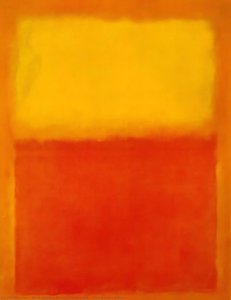 Pomarańczowy i żółty1956
Eseje o Untitled – Monument do Ciszy: Eksploracja Malarstwa Rothko z 1964 roku
 Color & Emotion: The 25 Most Iconic Masterpieces by Mark RothkoImmerse yourself in the profound emotion of Abstract Expressionism. Explore 25 iconic Mark Rothko masterpieces, from his signature color fi…
 Understanding Mark Rothko: The Emotional Power of Color Field AbstractionMaster the emotional depth of Mark Rothko's color field abstraction. Explore his technique and evolution through expert art history analysi…
 Color Fields of Calm: Transform Luxury Interiors with Minimalist ArtElevate your space with the profound serenity of Color Field art. Discover how minimalist masterpieces and bespoke hand-painted reproductio…