Neoclassicism
Wesley (John Jackson)
John Jackson (1778–1831) stworzył Wesley. Należy do nurtu Neoclassicism. Wykonano w technice Oil On Canvas.
- Oil On Canvas

 Podgląd w skali 1:1

 Ręcznie malowany obraz olejny
 Wyślij jako kartkę
 Udostępnij
 Karta informacyjna


 Pobierz obraz
 Podobne obiekty
 RTG
 Pokaz slajdów
 Pytania i odpowiedzi

 Statystyki
Wesley w skrócie
- Tytuł
- Wesley
- Artysta
- John Jackson (1778–1831)
- Miejsce urodzenia artysty
- Lastingham, Wielka Brytania
- Technika wykonania
- Oil On Canvas
- Ruch
- Neoclassicism
- Epoka
- Early Modern
- Temat
- portrait, clergy, dignified, formal, neoclassical, authority
Co przedstawia Wesley?
Identification of the Portrait of Wesley
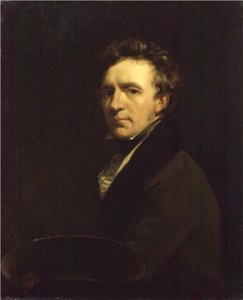
In this portrait, titled Wesley, the artist John Jackson presents a formal and dignified depiction of his subject. The work focuses on an elderly man, whose presence suggests the weight of a significant role, likely that of a clergyman or a judge. There is a quiet authority in his steady, contemplative expression, which meets the viewer with a sense of seasoned wisdom. The portrait captures a moment of stillness, focusing on the character and intellect of the sitter through a direct and serious gaze.
The subject is rendered in traditional clerical attire, which provides immediate insight into his social standing and professional life. He wears a long white wig and a black robe, accented by a stole that emphasizes his religious or judicial vocation. This specific choice of clothing, combined with the formal composition, establishes the sitter as a man of importance and discipline. The dark, indistinct background ensures that the viewer's attention remains fixed entirely upon the man and the textures of his garments.
Composition and Visual Elements
The composition is centered on the subject's head and shoulders, creating an immediate sense of presence. This focused arrangement draws the eye directly to the man's face, where a serious and contemplative expression suggests a life of deep thought. He is dressed in traditional clerical attire, characterized by a long white wig and a black robe that anchors the figure within the frame. The background remains dark and indistinct, a murky expanse that prevents distraction and pushes the subject into the foreground.
Lighting is used with a deliberate, dramatic intent. Strong highlights strike the face and the folds of the robes, carving out the form against the shadows. This chiaroscuro effect provides a sense of volume and weight to the figure. While the portrait feels intimate, the perspective is linear, utilizing subtle converging lines to suggest a sense of depth within the space. The interplay of light and shadow defines the contours of the clothing and the texture of the hair, grounding the figure in a tangible, physical reality.
Technique and Artistic Materials
The work is executed in oil paints on canvas, a choice that allows for a profound sense of depth and presence. Jackson employs a meticulous technique, characterized by careful observation and skillful brushwork that defines the contours of the face and the heavy folds of the clerical attire. There is a deliberate precision in how the light is handled, creating a sense of solidity through the careful application of pigment.
The texture of the piece is notably rich and layered. Through the use of impasto techniques, the artist has built up the surface to create a tangible quality, particularly visible in the rendering of the white wig and the heavy robes. This tactile approach provides a physical weight to the subject, ensuring that the interplay of light and shadow feels grounded and real rather than merely painted.
Related Works by John Jackson
Beyond this portrait, Jackson’s oeuvre reveals a consistent interest in the psychological depth of his subjects. His catalog includes Reginald Macdonald, a work that reflects his ability to handle formal portraiture. He also produced several self-portraits, which offer a more intimate look at the artist himself, providing a glimpse into his own character and the introspective nature of his practice. These works demonstrate his capacity to move between the public persona of a sitter and the private reality of the individual.
The artist’s technical range is further evidenced by his various studies, such as Flaxman. In these pieces, one can observe his command over oil textures and his specific approach to directional lighting. His ability to manipulate light and shadow is a recurring element across his various commissions. Whether working on a formal portrait or a focused study, Jackson maintained a commitment to capturing the essential presence of the person before him.
Zdjęcia w wysokiej rozdzielczości dzieła Wesley
Domena publiczna: artysta zmarł w 1831.
John Jackson, Wesley. Domena publiczna
Odpowiedzi na pytania dotyczące Wesley
W jakiej technice wykonano „Wesley” – John Jackson?
Technika wykonania dzieła „Wesley” – John Jackson to Oil On Canvas. Reprodukcje mają na celu wierne oddanie wyglądu tej techniki.
Co przedstawia "Wesley"?
Tematyka obecna w „Wesley” – John Jackson obejmuje portrait, clergy, dignified, formal, neoclassical, authority, wisdom, religious. Razem stanowią one podsumowanie tematyki dzieła.
Czy obraz „Wesley” – John Jackson można swobodnie reprodukować?
„Wesley” – John Jackson znajduje się w domenie publicznej (należy do domeny publicznej – autorskie prawa majątkowe wygasły). Status ten określa zasady reprodukcji obrazu tego dzieła.
Kto jest autorem dzieła "Wesley"?
Autorem dzieła „Wesley” jest John Jackson. Praca ta figuruje w katalogu pod nazwiskiem John Jackson.
Do jakiego nurtu w sztuce należy „Wesley” – John Jackson?
Nurt związany z „Wesley” – John Jackson to Neoclassicism. Ta klasyfikacja sytuuje dzieło wśród pokrewnych artystów i dzieł sztuki.
Do którego etapu twórczości John Jackson należy dzieło „Wesley”?
W dorobku artystycznym John Jackson dzieło „Wesley” przypada na Mature Period. Ten etap pozwala zestawić je z innymi pracami twórcy.
Czy dzieło „Wesley” autorstwa John Jackson znajduje się w domenie publicznej i dlaczego?
„Wesley” – John Jackson jest należy do domeny publicznej – autorskie prawa majątkowe wygasły. Okres ochrony praw autorskich liczony jest od śmierci artysty, która nastąpiła w 1831.
Co łączy "Wesley" z resztą twórczości John Jackson?
"Wesley" dzieli z innymi dziełami John Jackson styl właściwy dla Neoclassicism oraz powracające motywy: reflects jackson's skill, demonstrates mastery, typical of his portraits, established style, classical ideals, roman portraiture, neoclassical style, formal composition.
W jaki sposób tematyka dzieła "Wesley" odnosi się do typowych motywów twórczości John Jackson?
Powracające motywy w twórczości John Jackson obejmują reflects jackson's skill, demonstrates mastery, typical of his portraits, established style, classical ideals, roman portraiture, neoclassical style, formal composition; „Wesley” koncentruje się na portrait, clergy, dignified, formal, neoclassical, authority, wisdom, religious.
O artyście: John Jackson
1778–1831, Wielka Brytania
John Jackson
Wczesne lata i terminowanie: Niechętny początek John Jackson, urodzony 31 maja 1778 roku w urokliwej jorkshire'skiej wiosce Lastingham, wkroczył na ścieżkę dalece odbiegającą od jego pierwotnego przeznaczenia. Jego ojciec, praktyczny krawiec, widział dla syna podobny fach i młody John został odpowiednio przyuczony do zawodu. Jednak nawet wśród tkanin i szwów w nim rozkwitała niepodważalna skłonność artystyczna. Potajemnie szkicował portrety przyjaciół i znajomych, co stanowiło cichy bunt przeciwko rodzinnym oczekiwaniom.
Inne prace John Jackson
 Portrait of a Man1822
 Reverend William Holwell Carr1827
 Portrait of a Gentleman1810
 Frederick, Duke of York (1763-1827)1822
Eseje o Wesley
 The Artistry and Process of Bespoke Oil Painting: From Concept to CanvasMaster the technical artistry of bespoke oil painting from glazing to impasto. Discover the secrets of fine art commissions today.
 25 Essential Portraits by François Clouet: A Guide to His Finest WorksExplore 25 iconic François Clouet portraits from the French Renaissance. Discover the full collection online at OriginalUniqueArt.com.
 25 Essential John Collier Paintings: Iconic Portraits and Narrative ScenesExplore 25 iconic John Collier paintings and Pre-Raphaelite portraits. Discover the full collection online at OriginalUniqueArt.com.