Contemporary Realism · 1928
Night Windows (Edward Hopper, 1928)
Edward Hopper (1882–1967) stworzył Night Windows. Dzieło pochodzi z 1928. Należy do nurtu Contemporary Realism. Wykonano w technice Painting. Przechowywane jest w MoMA - Museum of Modern Art w Nowy Jork, Stany Zjednoczone Ameryki. Wymiary to 73 × 86 cm.
- 1928
- Painting
- 73 × 86 cm
- MoMA - Museum of Modern Art, Nowy Jork

 Podgląd w skali 1:1

 Ręcznie malowany obraz olejny
 Wyślij jako kartkę
 Udostępnij
 Karta informacyjna


 Pobierz obraz
 Podobne obiekty
 RTG
 Pokaz slajdów
 Pytania i odpowiedzi

 Statystyki
Night Windows w skrócie
- Tytuł
- Night Windows
- Artysta
- Edward Hopper (1882–1967)
- Miejsce urodzenia artysty
- Upper Nyack, Stany Zjednoczone
- Data powstania
- 1928
- Technika wykonania
- Painting
- Wymiary
- 73 × 86 cm
- Gdzie można je zobaczyć
- MoMA - Museum of Modern Art, Nowy Jork, Stany Zjednoczone Ameryki
- Epoka
- Modern
- Temat
- urban isolation, nocturne scene, window view, domestic interior, voyeurism, light darkness contrast
Co przedstawia Night Windows?
A Window Into Solitude: Exploring Edward Hopper’s Night Windows
Edward Hopper, a name synonymous with the quiet contemplation of modern existence, wasn't merely capturing landscapes; he was distilling the very essence of American urban life onto canvas. Born in Nyack, New York, in 1882, to parents steeped in Dutch heritage, his formative years instilled within him an unwavering dedication to observation and artistic expression—a passion evident from his earliest sketches meticulously documented and signed. Initially steered toward commercial illustration by his pragmatic family, Hopper’s artistic aspirations stubbornly clung to the realm of fine art, propelling him towards the New York School of Art where he honed his skills under William Merritt Chase and Robert Henri. These influential mentors fostered not only technical proficiency but also a profound appreciation for realism and a commitment to portraying the world as perceived through a discerning eye—a perspective that would define his oeuvre.- Subject Matter: Hopper’s ‘Night Windows,’ painted in 1928, presents a deceptively simple scene: a woman seated alone in a chair overlooking another room bathed in the muted glow of lamplight. This seemingly unremarkable tableau belies its significance as a cornerstone of Hopper's nocturne series and, crucially, embodies his masterful exploration of urban isolation.
- Style & Technique: Executed in stark black and white—a deliberate choice reflecting Hopper’s stylistic preference for tonal realism—the painting utilizes precise linework and subtle shading to create a palpable sense of atmosphere. The artist eschews dramatic lighting effects, favoring instead the diffused illumination characteristic of city nights, thereby amplifying the feeling of quiet detachment.
Historical Context & Influences
‘Night Windows’ resides firmly within the broader context of Hopper's artistic journey—a period marked by a fascination with American realism and an admiration for Impressionist masters like Degas. Hopper’s own stylistic sensibilities were profoundly shaped by these influences, mirroring Degas’s preoccupation with capturing fleeting moments of everyday life and conveying psychological nuance. The painting speaks to the anxieties and uncertainties prevalent in the Jazz Age, reflecting a societal shift toward individualism and questioning traditional social norms—themes that resonate powerfully even today.- Symbolism: Hopper’s masterful use of visual language transcends mere depiction; it communicates profound symbolic ideas. The woman's posture – slumped slightly, her gaze fixed on the distant figure – embodies a poignant stillness, mirroring the pervasive loneliness experienced by individuals navigating the complexities of urban life. Furthermore, the breeze rustling through the window serves as a subtle reminder of movement and connection—a counterpoint to the overarching sense of isolation.
- Reception & Significance: Contemporary critics recognized ‘Night Windows’ for its evocative power, describing it as “one of those glimpses into other lives which one suddenly catches from the window of a passing El,” capturing “that momentary sense of the mystery and intensity of the thousands of lives pressing close to each other.” This astute observation encapsulates Hopper's ability to distill the essence of New York City—a feat achieved through meticulous detail and understated emotional resonance.
Emotional Impact & Legacy
Ultimately, ‘Night Windows’ transcends its formal elements to deliver a deeply affecting experience for the viewer. It invites contemplation on themes of solitude, observation, and unspoken connection—questions that continue to intrigue audiences decades after its creation. Hopper's enduring legacy rests upon his unwavering commitment to portraying human experience with unflinching honesty and sensitivity—a testament to his artistic genius and his profound understanding of the human condition. Its timeless appeal ensures that ‘Night Windows’ will forever hold a place among the most celebrated images of 20th-century art.W którym muzeum znajduje się Night Windows?
MoMA - Museum of Modern Art
Nowy Jork, Stany Zjednoczone Ameryki
Początki i historia MoMA - Museum of Modern Art Fundamenty MoMA - Museum of Modern Art zostały położone w 1929 roku. Powstała z wizji Abby Aldrich Rockefeller, Lillie P. Bliss oraz Mary Quinn Sullivan, instytucja ta wyłoniła się w czasie głębokich, globalnych przemian.


Zdjęcia w wysokiej rozdzielczości dzieła Night Windows

Protected by copyright: these files are for personal reference, not a licence to republish.
Edward Hopper, Night Windows (1928), MoMA - Museum of Modern Art.
Odpowiedzi na pytania dotyczące Night Windows
Gdzie można obecnie zobaczyć dzieło „Night Windows” – Edward Hopper?
„Night Windows” – Edward Hopper znajduje się w zbiorach MoMA - Museum of Modern Art, Nowy Jork, Stany Zjednoczone Ameryki. Informacja o muzeum dotyczy oryginału, a nie reprodukcji.
W którym roku powstało „Night Windows” – Edward Hopper?
"Night Windows" powstało w 1928 roku. Data ta pozwala umiejscowić dzieło w kontekście twórczości Edward Hopper oraz epoki, w której powstało.
W jakiej technice wykonano „Night Windows” – Edward Hopper?
Technika wykonania dzieła „Night Windows” – Edward Hopper to Painting. Reprodukcje mają na celu wierne oddanie wyglądu tej techniki.
Jakie są wymiary oryginału "Night Windows"?
Oryginalne wymiary dzieła „Night Windows” to 86 x 73 cm. Znajomość pierwotnej skali może być pomocna przy wyborze odpowiedniego rozmiaru reprodukcji.
Co przedstawia "Night Windows"?
Tematyka dzieła "Night Windows" to urban isolation, nocturne scene, window view, domestic interior, voyeurism, light darkness contrast, quiet contemplation, american realism.
Czy obraz „Night Windows” – Edward Hopper można swobodnie reprodukować?
„Night Windows” – Edward Hopper znajduje się w domenie publicznej (nadal objęte ochroną prawa autorskiego). Status ten określa zasady reprodukcji obrazu tego dzieła.
Kto stworzył "Night Windows"?
„Night Windows” zostało stworzone przez Edward Hopper. Informacje na tej stronie dotyczą oryginalnego dzieła autorstwa Edward Hopper.
Do jakiego nurtu w sztuce należy „Night Windows” – Edward Hopper?
Nurt związany z „Night Windows” – Edward Hopper to Contemporary Realism. Ta klasyfikacja sytuuje dzieło wśród pokrewnych artystów i dzieł sztuki.
Do którego okresu twórczości Edward Hopper należy dzieło "Night Windows"?
„Night Windows” pochodzi z okresu Mature Period w twórczości Edward Hopper. Klasyfikacja ta wiąże dzieło z rozwojem artysty.
O artyście: Edward Hopper
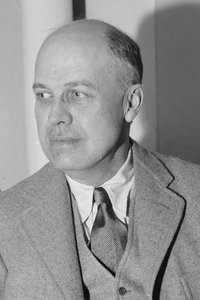
1882–1967, Stany Zjednoczone
Edward Hopper
Cisza amerykańskiego krajobrazu Edward Hopper urodził się w Upper Nyack, w Stanach Zjednoczonych. Jego wczesne lata upłynęły na obserwowaniu świata uważnym okiem, co zapoczątkowały dziecięce szkice, skrupulatnie datowane i podpisane. Choć rodzice sugerowali mu praktyczną ścieżkę w postaci ilustracji komercyjnej, jego serce pozostało przy sztuce wysokiej. Studiował w New York School of Art pod okiem William Merritt Chase oraz Robert Henri.
Inne prace Edward Hopper
 Nocne Ptaki, Instytut Sztuki w Chicago, Chica1942
 Automat (mały)
 Dom przy torach1925
 Nowojorski Film1939
Eseje o Night Windows
 Mastering Solitude: The Top 25 Iconic Artworks by Edward HopperStep into the quiet world of American Realism with our curated guide to the top 25 Edward Hopper artworks. Explore the light, shadow, and s…
 10 Iconic Masterpieces That Defined American RealismJourney through the soul of American Realism. Explore 10 iconic masterpieces, from Edward Hopper to classic landscapes, and learn the stori…
 10 Iconic Masterpieces That Defined Contemporary RealismJourney through the soul of Contemporary Realism. Explore 10 iconic masterpieces, their legendary artists, and the breathtaking techniques …