() ·

A painting made for you, by hand

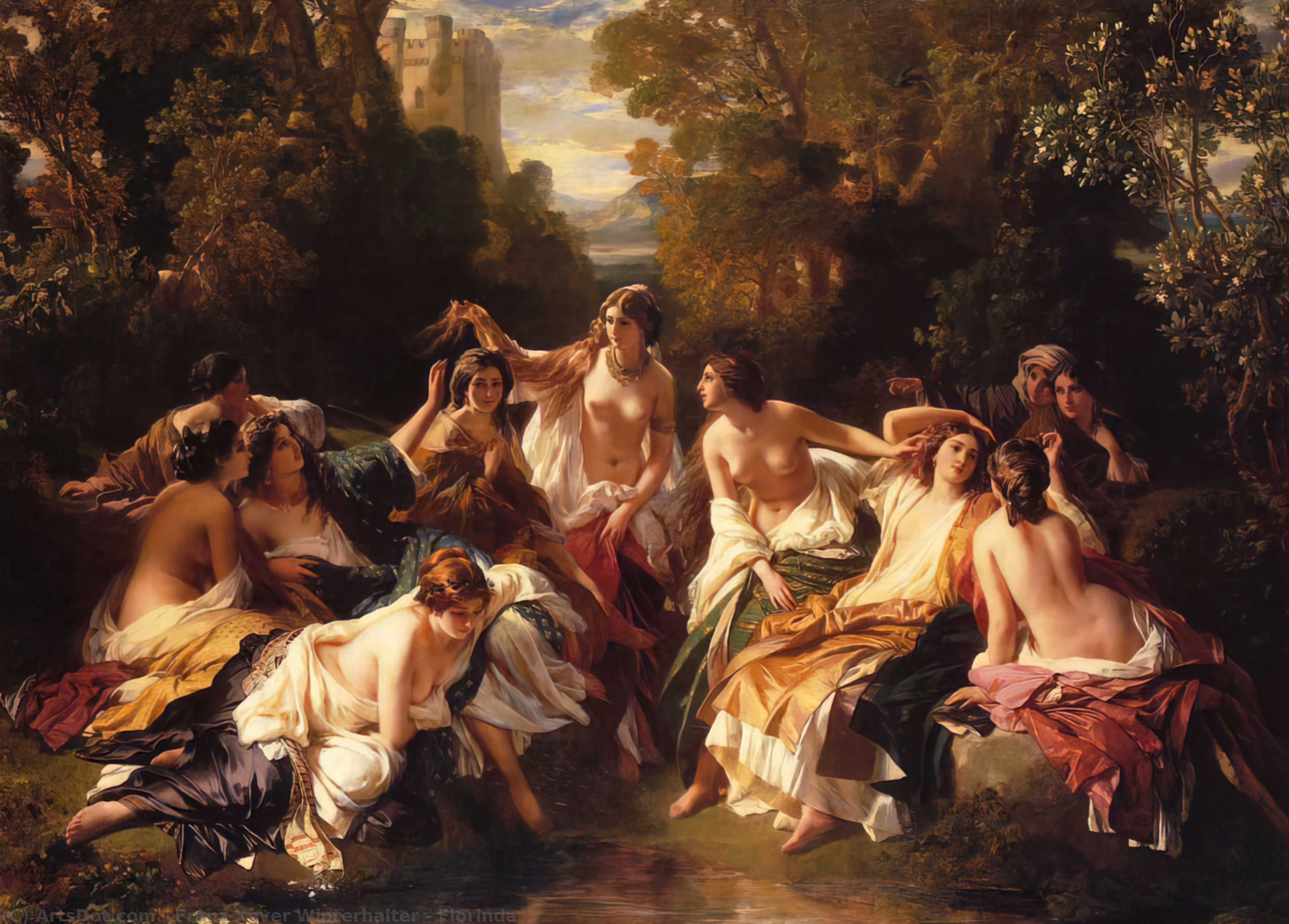
Florinda

Ręcznie malowana reprodukcja olejowa

Ręcznie malowany obraz olejny na płótnie, wykonany na zamówienie przez naszych artystów w wybranym przez Ciebie wymiarze i oprawie. ( Przełącz na wydania drukowane Przejdź do wersji cyfrowej)

Opis obiektu

Zaskakująca kompozycja 'Florinda' Winterhaltera z 1853 roku – elegancka scena spotkania w naturze. Bogate barwy, mistrzowska technika i historyczny kontekst. Odkryj piękno tego arcydzieła!

Biografia artysty

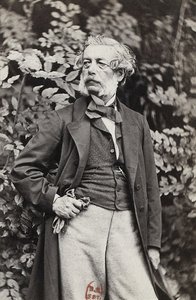
Franz Xaver Winterhalter – sławny malarz portretowy, znany z eleganckich obrazów królewskich i arystokracji epoki wiktoriańskiej. Mistrz florytu, uchwycił splendor europejskich tronów.

from ·

Chapter 1

How large should it be?

Slide to change the size; the picture on the left shows the frame at its real width. The proportions of the original are kept.

Standardowy format
personalizowane
CM
INCH

Wybierz spośród naszych standardowych rozmiarów, które zachowują oryginalne proporcje dzieła sztuki.

szerokość
wysokość

Wpisz wymaganą szerokość i wysokość, aby obraz pasował do Twojej ramy lub ściany. Ponieważ jest to dzieło malowane ręcznie, w przypadku rozmiaru o innych proporcjach artysta może domalować nieco więcej wokół obrazu lub przyciąć jego fragmenty — wybór należy do Ciebie. Przed rozpoczęciem pracy prześlemy Ci cyfrową wizualizację do zatwierdzenia. Obraz widoczny na tej stronie nie przedstawia rzeczywistego efektu — jedynie wizualizacja oddaje realny rezultat.

Chapter 2

How should it arrive?

Choose the edges of the stretched canvas

Choose your frame

Corner sample of the WhiteWrap canvas edge finish, stretched on lite drewno bars
White zł1
Corner sample of the BlurSideWrap canvas edge finish, stretched on lite drewno bars
Blurside zł1
Corner sample of the ExtendedWrap canvas edge finish, stretched on lite drewno bars
Extended zł1
Corner sample of the P118B picture frame: polistyren formowany, 5 cm wide and 3 cm thick
P118B zł10
Corner sample of the P118H picture frame: polistyren formowany, 5 cm wide and 3 cm thick
P118H zł10
Corner sample of the P118W picture frame: polistyren formowany, 5 cm wide and 3 cm thick
P118W zł10
Corner sample of the P438Z picture frame: polistyren formowany, 5.5 cm wide and 3.5 cm thick
P438Z zł10
Corner sample of the P508JH picture frame: polistyren formowany, 7 cm wide and 3.5 cm thick
P508JH zł12
Corner sample of the P508YH picture frame: polistyren formowany, 7 cm wide and 3.5 cm thick
P508YH zł12
Corner sample of the P805H picture frame: polistyren formowany, 5 cm wide and 3.5 cm thick
P805H zł10
Corner sample of the P805Z picture frame: polistyren formowany, 5 cm wide and 3.5 cm thick
P805Z zł10
Corner sample of the P919BZ picture frame: polistyren formowany, 7 cm wide and 3.5 cm thick
P919BZ zł10
Corner sample of the P919G picture frame: polistyren formowany, 7 cm wide and 3.5 cm thick
P919G zł10
Corner sample of the P919XJ picture frame: polistyren formowany, 7 cm wide and 3.5 cm thick
P919XJ zł10
Corner sample of the P959ZH picture frame: polistyren formowany, 5 cm wide and 3 cm thick
P959ZH zł10
Corner sample of the P968JZ picture frame: polistyren formowany, 6 cm wide and 4 cm thick
P968JZ zł12
Corner sample of the W106C picture frame: lite drewno, 5 cm wide and 3 cm thick
W106C zł8
Corner sample of the W218G picture frame: lite drewno, 5 cm wide and 3 cm thick
W218G zł10
Corner sample of the W218JH picture frame: lite drewno, 5 cm wide and 3 cm thick
W218JH zł8
Corner sample of the W218Y picture frame: lite drewno, 5 cm wide and 3 cm thick
W218Y zł10
Corner sample of the W307PJ picture frame: lite drewno, 6 cm wide and 3 cm thick
W307PJ zł10
Corner sample of the W316G picture frame: lite drewno, 6 cm wide and 3 cm thick
W316G zł10
Corner sample of the W316PJ picture frame: lite drewno, 6 cm wide and 3 cm thick
W316PJ zł8
Corner sample of the W316Y picture frame: lite drewno, 6 cm wide and 3 cm thick
W316Y zł10
Corner sample of the W398PJ picture frame: lite drewno, 5 cm wide and 3 cm thick
W398PJ zł8
Corner sample of the W4111J picture frame: lite drewno, 6.5 cm wide and 3.5 cm thick
W4111J zł10
Corner sample of the W500HY picture frame: lite drewno, 7 cm wide and 5 cm thick
W500HY zł15
Corner sample of the W500JH picture frame: lite drewno, 7 cm wide and 5 cm thick
W500JH zł15
Corner sample of the W692G picture frame: lite drewno, 8 cm wide and 4 cm thick
W692G zł12
Corner sample of the W849H picture frame: lite drewno, 5 cm wide and 3 cm thick
W849H zł8
Corner sample of the W940BG picture frame: lite drewno, 7.5 cm wide and 4.5 cm thick
W940BG zł15
Corner sample of the W953PJ picture frame: lite drewno, 6 cm wide and 3.5 cm thick
W953PJ zł8
Corner sample of the H24-GOLD picture frame: rzeźbione drewno pokryte gipsem, 10 cm wide and 6 cm thick
H24-GOLD zł30
Corner sample of the H24-SILVER picture frame: rzeźbione drewno pokryte gipsem, 10 cm wide and 6 cm thick
H24-SILVER zł30
Corner sample of the H36-GOLD picture frame: rzeźbione drewno pokryte gipsem, 15 cm wide and 6.5 cm thick
H36-GOLD zł45
Corner sample of the H36-SILVER picture frame: rzeźbione drewno pokryte gipsem, 15 cm wide and 6.5 cm thick
H36-SILVER zł45

Moulding: . Overall size with the frame: .

Chapter 3

Who paints it, and should anything change?

Examples of what can be changed: Replace face with customer photo; Add pet (e.g., replace cat with dog); Include hidden message in background; Change background landscape or elements.
After order, OriginalUniqueArt.com team will email client for instructions and provide a mockup preview

Dostawa na całym świecie () w ciągu 3–4 tygodni zamiast standardowych 5 tygodni. (1 Listopad). Bez kompromisów w kwestii jakości.

Chapter 4

The finishing touches

A nameplate, as in a museum?

Szczegóły grawerowanej brązowej tabliczki

This elegant plaque features the artist's name and the title of the artwork, finely engraved for a timeless presentation.

It is made from bronze with a refined, elegant finish. The text is precisely laser-engraved for a sharp and permanent result. Measuring 9x2 cm, the plaque is compact yet easy to read. It's built to be durable and scratch-resistant, offering a professional, museum-quality look. Mounting is simple thanks to the included adhesive backing.

Szczegóły przezroczystej tabliczki akrylowej

The plaque includes essential engraved details such as the artist's name, the title of the artwork, the date it was created, the type of media used-like oil on canvas or watercolor-a brief description of the piece, and a QR code that links to the complete artwork information.

It is crafted from clear acrylic, offering a sleek, modern appearance. The text is UV-engraved in black to ensure strong visual contrast. With a size of 10x15 cm, it ensures optimal readability. It comes equipped with two metal hooks for secure wall mounting. The plaque is designed to be weather-resistant, making it suitable for various environments, and it includes interactive features that work seamlessly with smartphone scanning.

Szczegóły czarnej tabliczki akrylowej

This elegant plaque includes engraved information such as the artist's name, the title of the artwork, the date it was created, the type of media used (like oil on canvas or watercolor), a short description of the artwork, and a QR code for quick access to more information.

The plaque itself is made from refined black acrylic with a premium finish. The text is laser-engraved in white for high contrast and readability. Its size is 10x15 cm, designed to be easy to read. It comes with two metal hooks for professional mounting. The design is sleek and fits any interior style. It is also weather-resistant and durable, with built-in digital integration for mobile compatibility.

A protective varnish?

When do you need it?

Chapter 5

Your painting, as you ordered it

Florinda

Technika reprodukcji

Wymiary reprodukcji

-

Wybitny mistrz artystyczny

Większa szczegółowość, finezja i dodatkowy czas na realizację

-

Opcje oprawy reprodukcji

-

-

W przypadku dzieł sztuki lub reprodukcji, których którykolwiek z boków przekracza 105 cm (około 41 cali), rama zostanie wysłana w formie zestawu do samodzielnego montażu. Metoda ta zapewnia bezpieczną dostawę i zapobiega uszkodzeniom podczas transportu.

Wymagany profesjonalny montaż – nie jest to produkt typu DIY.
Zestaw musi zostać złożony, a płótno naciągnięte przez doświadczonego profesjonalnego ramiarza, przy użyciu kleju do drewna (brak w zestawie), kleszczy do naciągania płótna oraz ścisków, które utrzymają krosna w równej pozycji podczas schnięcia kleju. Nieprawidłowy montaż lub nierównomierne napięcie płótna może trwale uszkodzić dzieło sztuki i nie podlega naszej gwarancji.

  • W zestawie znajdują się wszystkie listwy z litego drewna, precyzyjnie docięte do wymiarów.

  • Montaż odbywa się przy użyciu dołączonych wkrętów oraz kleju do drewna do łączenia narożników, którego zestaw nie zawiera i który musi zostać dostarczony przez ramiarza.

  • Wymagane są profesjonalne narzędzia, których nie ma w zestawie: kleszcze do naciągania płótna (napinacz) oraz zaciski, które pozwolą utrzymać listwy w równej pozycji podczas schnięcia kleju.

Ważne:
Do połączenia narożników niezbędny jest klej do drewna, listwy należy unieruchomić za pomocą ścisków do momentu całkowitego wyschnięcia kleju, a naciągnięcie płótna na złożoną ramę wymaga użycia kleszczy do naciągania płótna. Żaden z tych elementów nie jest dołączony do zestawu. Przed zamówieniem tego rozmiaru zalecamy konsultację z doświadczonym ramiarzem.

Etykieta obiektu

-

-

Lakier ochronny

Lakier z połyskiem (pogłębia kolory, chroni przed światłem i wilgocią)

-

Personalizacja dzieła

Przykłady możliwości personalizacji: zastąp twarz zdjęciem klienta; dodaj zwierzę domowe (np. zamień kota na psa); umieść ukrytą wiadomość w tle; zmień krajobraz lub elementy tła.

-

Ekspresowa

Dostawa na cały świat () w ciągu 3–4 tygodni zamiast standardowych 5 tygodni. (1 Listopad). Bez kompromisów w kwestii jakości.

-

Przesyłka ekspresowa

Dostawa na cały świat () w ciągu 5 tygodni. (8 Listopad).

W cenie

Cena całkowita

zł 1945

Suma całkowita zł 1945

Opcja ze szkłem jest dostępna wyłącznie w rozmiarach poniżej 110 cm

Included with every order

  • Bezpłatna ekspresowa wysyłka na cały świat
  • Wysokiej jakości płótno lniane
  • Pełne ubezpieczenie przesyłki
  • Gwarancja zwrotu należności celnych i podatków importowych
  • Gwarancja wiernego odwzorowania kolorów
  • 100-dniowa polityka zwrotów (tylko w przypadku wad)
  • Gwarancja 100% zwrotu pieniędzy
  • Zniżka przy zakupie wielu sztuk

An Enchanting Vision of Leisure: Exploring Winterhalter’s “Florinda”

Franz Xaver Winterhalter's "Florinda," painted in 1853, is more than just a depiction of nude figures; it’s an invitation to step into a world of aristocratic leisure and serene beauty. This captivating oil painting transports us to a sun-drenched landscape where a group of women – seemingly plucked from the pages of classical mythology – engage in a moment of shared joy and quiet contemplation. Winterhalter, renowned for his portraits of European royalty, masterfully blends realism with a romantic sensibility, creating an image that resonates with both historical significance and timeless appeal.

The composition itself is a testament to Winterhalter’s skill. A central gathering of figures forms a loose, circular arrangement, suggesting intimacy and connection. The artist employs fluid lines and organic shapes – mirroring the natural world surrounding them – to evoke a sense of movement and vitality. Notice how the figures are not rigidly posed but appear caught in spontaneous interaction, their limbs gracefully curved and flowing. The careful balance of light and shadow adds depth and dimension, drawing the viewer’s eye into the scene and highlighting the textures of fabric and skin with remarkable detail. The overall effect is one of harmonious dynamism, a visual representation of effortless grace.

A Palette of Earth and Light

Dominating the canvas is a warm, earthy palette – browns, golds, and greens – punctuated by softer hues that create a sense of tranquility. This deliberate choice in color evokes a connection to nature, subtly reinforcing the painting’s symbolic meaning. The artist skillfully uses light and shadow not merely for realism but as an expressive tool. The strong, upper-lighting casts dramatic highlights on the figures' bodies, emphasizing their form and creating a luminous quality that elevates the scene beyond simple representation. This masterful manipulation of light contributes significantly to the emotional impact of the work, imbuing it with a sense of warmth and serenity.

Historical Context and Mythic Echoes

Franz Xaver Winterhalter’s success stemmed from his ability to capture the essence of aristocratic society while subtly flattering his subjects. “Florinda” exemplifies this talent; the figures are presented with an idealized beauty, reflecting the prevailing aesthetic values of the mid-19th century. While primarily known for royal portraits, this painting demonstrates Winterhalter's versatility and artistic range. Interestingly, the scene draws inspiration from a legend surrounding Roderick, the last king of the Visigoths – a tale of mistaken identity and romantic intrigue. The distant structure glimpsed in the background may represent civilization or a place of significance, adding another layer of narrative to the composition. The painting’s historical context reveals Winterhalter's keen understanding of his audience and his ability to craft images that were both visually stunning and politically astute.

Symbolism and Emotional Resonance

"Florinda" is rich in symbolic meaning. The natural setting, with its lush foliage and tranquil waters, can be interpreted as a symbol of purity or a connection to the earth – a deliberate choice reflecting the Romantic movement’s fascination with nature. The figures themselves embody ideals of beauty, grace, and leisure, inviting viewers to contemplate themes of pleasure, harmony, and perhaps even a touch of sensuality. The painting's emotional tone is undeniably joyful and convivial, capturing a moment of shared experience that transcends time. It’s a powerful reminder of the enduring appeal of beauty, connection, and the simple pleasures of life – qualities that continue to resonate with audiences today.

Pytania i odpowiedzi

Czy istnieje karta informacyjna o „Florinda” – Franz Xaver Winterhalter przeznaczona dla studentów?

Strona Karta informacyjna dla uczniów dzieła „Florinda” – Franz Xaver Winterhalter oferuje dwustronicową kartę informacyjną w formacie do druku: samo dzieło wraz z tabelą identyfikacyjną, oś czasu umieszczającą je w latach życia artysty, inne prace tego twórcy, zmierzoną paletę kolorystyczną oraz gotowe do skopiowania cytaty w czterech stylach.

Do jakiego nurtu artystycznego należy „Florinda” – Franz Xaver Winterhalter?

„Florinda” to dzieło należące do nurtu Romantic Realism. Nurt ten określa tradycję artystyczną, w której osadzone jest dzieło.

Kto stworzył "Florinda" i kiedy?

Autorem dzieła "Florinda" jest Franz Xaver Winterhalter, a datowanie pracy pochodzi z 1853 roku.

More about this painting

Podgląd w skali 1:1 Podgląd AR Przełącz na wydania drukowane Przejdź do wersji cyfrowej Wyślij jako kartkę
Szczegóły dzieła Przewodnik Dodaj do ulubionych Pobierz obraz Podobne obiekty RTG Pokaz slajdów Q&A Statystyki

In numbers

  • 1853the year it was painted
  • 29frames to choose from
  • standard sizes, in its own proportions
  • 5weeks to paint and deliver it
Franz Xaver Winterhalter

Franz Xaver Winterhalter

1805 - 1873, Niemcy

Quick facts about Franz Xaver Winterhalter

  • Artistic Movement Or Style: Romanticizm, portret
  • Artists Or Movements Influenced By This Artist: ['Stieler']
  • Artists Who Influenced This Artist:
    • Peter von Cornelius
    • Joseph Karl Stieler
  • Date Of Birth: 20 Apr. 1805
  • Date Of Death: 8 July 1873
  • Full Name: Franz Xaver Winterhalter
  • Nationality: Niemiec
  • Notable Artworks:
    • Empress Eugenie...
    • Florinda
    • Il dolce farniente
  • Place Of Birth: Menzenschwand, Niemcy

Biografia artysty

A Painter of Kings and Queens: The Life and Art of Franz Xaver Winterhalter

Born in the secluded Black Forest village of Menzenschwand in 1805, Franz Xaver Winterhalter ascended from humble beginnings to become one of Europe’s most sought-after portraitists. His story is not merely that of an artist achieving technical mastery, but of a man who captured an era – the age of burgeoning Romanticism giving way to Victorian propriety and imperial grandeur. The son of a farmer and resin producer, Winterhalter's early life was steeped in the rhythms of rural Germany, yet his artistic inclinations quickly set him apart. A strong family bond, particularly with his painter brother Hermann, nurtured his creative spirit, while formal training at a Benedictine monastery and later under Karl Ludwig Schüler in Freiburg provided foundational skills in drawing and engraving. This initial grounding proved crucial as he transitioned to Munich, securing support from Baron von Eichtal and eventually studying at the Academy of Arts, though finding its academic rigidity somewhat stifling. It was Joseph Karl Stieler, a master of fashionable portraiture, who truly guided his development during these formative years.

From Karlsruhe to Parisian Heights: Establishing a Royal Reputation

Winterhalter’s breakthrough arrived in 1828 when he became drawing master to Sophie Margravine of Baden at Karlsruhe. This appointment wasn't simply a job; it was an entry point into the intricate world of European royalty. His talent for capturing likeness and imbuing his subjects with an air of elegance quickly gained recognition, leading to commissions from Grand Duke Leopold of Baden and his wife. However, it was Paris that truly cemented Winterhalter’s fame. Arriving in the French capital in the 1830s, he skillfully navigated the artistic landscape, exhibiting genre scenes like *Il dolce Farniente* and *Il Decameron*, which showcased his academic training while hinting at a burgeoning Romantic sensibility. These works garnered critical attention, but it was his portraits that truly captivated the aristocracy. He became a favorite of King Louis-Philippe, executing over thirty commissions for the royal family and establishing himself as the go-to portraitist for those seeking to project an image of power, refinement, and dynastic legitimacy. His ability to blend realism with flattery – to present his sitters at their most idealized while remaining recognizably themselves – proved irresistible.

The Victorian Embrace: A Painter of Imperial Majesty

Winterhalter’s reputation extended beyond France, reaching the British Isles and capturing the attention of Queen Victoria. In 1841, he was summoned to England, initiating a prolific relationship that would see him create over one hundred portraits for the Royal Collection. These weren't merely official commissions; they were intimate glimpses into the lives of the royal family, often commissioned as personal gifts. His portrait of Queen Victoria in 1843, a small and exquisitely detailed work, exemplifies his ability to capture not just physical likeness but also a sense of personality and emotion. The painting, gifted by Victoria to Prince Albert, depicts the young queen with a vulnerable intimacy that belies her regal status. This success solidified Winterhalter’s position as *the* portraitist of European royalty, sought after by Empress Eugénie in France, Empress Elisabeth of Austria, and countless other noble figures. He became a master of dynastic image-making, shaping how these powerful families presented themselves to the world.

Style and Legacy: Beyond Likeness

While often criticized by artistic circles for prioritizing flattery over innovation, Winterhalter’s work holds a significant place in art history. His style is characterized by its meticulous detail, luminous color palette, and ability to capture the textures of fabrics and jewels with breathtaking realism. He skillfully blended Romantic sensibilities with Neoclassical precision, creating portraits that were both visually stunning and psychologically insightful. His paintings weren’t simply representations; they were carefully constructed narratives about power, status, and identity. Though he wasn't a revolutionary in the same vein as Delacroix or Courbet, his influence was pervasive. He established a standard for royal portraiture that endured for decades, and his works provide invaluable historical documentation of 19th-century European society. His legacy lies not just in the beauty of his paintings but also in their ability to transport us back to an era of opulent courts, intricate diplomacy, and unwavering social hierarchies. Today, his artworks continue to fascinate, offering a window into a world of elegance, ambition, and enduring artistic skill.

A Lasting Impression

Franz Xaver Winterhalter died in Frankfurt in 1873, leaving behind a vast body of work that continues to be celebrated for its technical brilliance and historical significance. His paintings can be found in prominent museums and royal collections around the world, including the National Portrait Gallery in London, the Musée d’Orsay in Paris, and Buckingham Palace.
  • His ability to capture the essence of his sitters, combined with his mastery of technique, ensured his place as a leading portraitist of his time.
  • He remains an important figure for understanding the visual culture of 19th-century Europe and the role of art in shaping perceptions of power and status.
  • His works offer a captivating glimpse into the lives of royalty and aristocracy, providing invaluable insights into their world.
Winterhalter’s story is a testament to the enduring power of portraiture – its ability to not only capture likeness but also to tell stories, shape perceptions, and leave an indelible mark on history.

Najważniejsze informacje

  • Year: 1853
  • Medium: Olej na płótnie
  • Subject: Spotkanie w naturze
  • Artistic style: Realizm, romantyczny
  • Title: Florinda
  • Influences:
    • Renesans
    • Barok

Quiz o sztuce

Do każdego pytania dotyczy tylko jedna poprawna odpowiedź.

Pytanie 1:
Jaki styl artystyczny dominował w obrazie "Florinda"?
Pytanie 2:
Jaką kolorystykę przeważnie charakteryzuje się obraz "Florinda"?
Pytanie 3:
Kto był głównym przedstawicielem w stylu portretowym, którego prace są podobne do "Florinda"?
Pytanie 4:
Jakie elementy w obrazie mogą symbolizować związek z naturą?
Pytanie 5:
W jakim okresie historycznym powstał obraz "Florinda"?
Odkryj dzieła sztuki uporządkowane według tematów, stylów i cech charakterystycznych.