Symbolic Expressionism · 1912
Studium gry baseballa (Ferdinand Hodler, 1912)
Ferdinand Hodler (1853–1918) stworzył Studium gry baseballa. Dzieło pochodzi z 1912. Należy do nurtu Symbolic Expressionism. Wykonano w technice Akryl na płótnie. Przechowywane jest w Muzeum Narodowe Bośni i Hercegowiny w Sarajewo, Bośnia i Hercegowina. Wymiary to 25 × 29 cm.
- 1912
- Akryl na płótnie
- 25 × 29 cm
- Muzeum Narodowe Bośni i Hercegowiny, Sarajewo

 Podgląd w skali 1:1

 Ręcznie malowany obraz olejny
 Wyślij jako kartkę
 Udostępnij
 Karta informacyjna


 Pobierz obraz
 Podobne obiekty
 RTG
 Pokaz slajdów
 Pytania i odpowiedzi

 Statystyki
Studium gry baseballa w skrócie
- Tytuł
- Studium gry baseballa
- Artysta
- Ferdinand Hodler (1853–1918)
- Miejsce urodzenia artysty
- Berno, Szwajcaria
- Data powstania
- 1912
- Technika wykonania
- Akryl na płótnie
- Wymiary
- 25 × 29 cm
- Gdzie można je zobaczyć
- Muzeum Narodowe Bośni i Hercegowiny, Sarajewo, Bośnia i Hercegowina
- Temat
- baseball, athlete, landscape, figure drawing, monochromatic print, human form
Co przedstawia Studium gry baseballa?
Ferdinand Hodler: A Vision of Quiet Intensity – The Study for Banknote
Ferdinand Hodler’s oeuvre is defined by an unwavering fascination with the human figure rendered in strikingly simplified forms, imbued with a profound sense of melancholy and contemplation. This preoccupation stems from a formative childhood marked by devastating loss—the premature deaths of his father and two brothers instilled within him a deeply ingrained awareness of mortality's inescapable grip. Yet, amidst this sorrowful introspection lies an extraordinary capacity for perceiving beauty, particularly in the serene landscapes that served as constant companions throughout his artistic journey. Hodler’s distinctive style eschews meticulous realism, prioritizing instead expressive gesture and tonal modulation to convey emotion with remarkable subtlety. He achieved this effect primarily through pen drawings executed with a deliberate fluidity—a technique characterized by loose lines and subtle shading—resulting in images that possess an ethereal quality.- Subject Matter: The artwork depicts a solitary male figure positioned amidst a tranquil expanse of verdant hillsides bathed in soft sunlight. This seemingly idyllic setting serves as a foil to the figure’s subdued posture, highlighting the tension between outward serenity and inner turmoil.
- Style: Hodler's style aligns firmly with Symbolism, rejecting naturalistic representation in favor of conveying psychological states through abstracted forms and evocative color palettes. The simplified musculature of the figure embodies a deliberate rejection of academic conventions.
Technique & Material Considerations
Hodler’s masterful control over tonal gradation—the layering of shades to create depth and luminosity—is evident throughout ‘Study for Banknote.’ He achieved this remarkable feat using graphite pencil on paper, meticulously blending marks to produce a velvety surface texture that captures the nuances of light and shadow. The artist's deliberate choice of medium underscores his commitment to capturing not merely what is seen but also what is felt—a cornerstone of Symbolist artistic practice.- Material: Graphite pencil on paper – a humble yet powerful combination that allows for exceptional expressive potential.
- Process: Hodler employed a layering technique, applying graphite in successive passes to build up tonal values gradually. This meticulous process ensured that every mark contributed to the overall impression of quiet contemplation.
Historical Context & Symbolic Resonance
Created in 1912, ‘Study for Banknote’ emerged during a period of significant artistic experimentation and intellectual ferment—the apex of Symbolism's influence on European art. Hodler sought to transcend the limitations of objective observation, delving into the realm of subconscious emotion and exploring universal themes of grief, solitude, and spiritual yearning. The figure’s gaze directs upwards towards the horizon, symbolizing aspiration for transcendence and hinting at a longing for connection with something beyond the confines of earthly existence.- Symbolism: The upward gaze represents hope and spiritual contemplation amidst despair – a recurring motif in Hodler's oeuvre.
- Era: Symbolist Art (Early 20th Century) - Reflecting the anxieties and aspirations of a generation grappling with profound existential questions.
Emotional Impact & Artistic Legacy
‘Study for Banknote’ transcends mere visual representation, captivating viewers with its palpable sense of melancholy and inner peace. Hodler's ability to distill complex psychological states into deceptively simple forms speaks volumes about the enduring power of Symbolist aesthetics. It remains a testament to his unwavering dedication to capturing not just what is seen but also what is felt—a legacy that continues to inspire artists and collectors alike.W którym muzeum znajduje się Studium gry baseballa?
Muzeum Narodowe Bośni i Hercegowiny
Sarajewo, Bośnia i Hercegowina
Przystań Odporności: Dusza Sarajewa W samym sercu Sarajewa, miasta, które przetrwało najgłębsze burze XX wieku, wznosi się Narodowa Galeria Bośni i Hercegowiny jako świetlisty testament nieprzemijającej potęgi ludzkiej kreatywności. Przekroczenie jej progów to wejście do przestrzeni, w której blizny historii spotykają się z triumfem artystycznego ducha, oferując głęboki dialog między burzliwą przeszłością a pełną nadziei przyszłością. Galeria służy jako sanktuarium, w którym zbiorowa pamięć narodu zostaje utrwalona w delikatnych pociągnięciach pędzla i ciężkich teksturach kamienia.


Zdjęcia w wysokiej rozdzielczości dzieła Studium gry baseballa

Domena publiczna: artysta zmarł w 1918.
Inne rozmiary, kadrowanie i cytowanie →Ferdinand Hodler, Studium gry baseballa (1912), Muzeum Narodowe Bośni i Hercegowiny. Domena publiczna
Odpowiedzi na pytania dotyczące Studium gry baseballa
Gdzie można obecnie zobaczyć dzieło „Studium gry baseballa” – Ferdinand Hodler?
Oryginał dzieła „Studium gry baseballa” można zobaczyć w Muzeum Narodowe Bośni i Hercegowiny, Sarajewo, Bośnia i Hercegowina.
W którym roku powstało dzieło "Studium gry baseballa"?
"Studium gry baseballa" powstało w 1912 roku. Data ta pozwala umiejscowić dzieło w kontekście twórczości Ferdinand Hodler oraz epoki, w której powstało.
W jakiej technice wykonano „Studium gry baseballa” – Ferdinand Hodler?
Technika wykonania dzieła „Studium gry baseballa” – Ferdinand Hodler to Akryl na płótnie. Reprodukcje mają na celu wierne oddanie wyglądu tej techniki.
Jakie są wymiary oryginału "Studium gry baseballa"?
Oryginalne wymiary dzieła „Studium gry baseballa” to 25 x 29 cm. Znajomość pierwotnej skali może być pomocna przy wyborze odpowiedniego rozmiaru reprodukcji.
Co przedstawia „Studium gry baseballa” – Ferdinand Hodler?
Tematyka dzieła "Studium gry baseballa" to baseball, athlete, landscape, figure drawing, monochromatic print, human form, swiss art, early 20th century.
Czy „Studium gry baseballa” – Ferdinand Hodler znajduje się w domenie publicznej?
Status praw autorskich dla „Studium gry baseballa” – Ferdinand Hodler: dzieło znajduje się w należy do domeny publicznej – autorskie prawa majątkowe wygasły. Określa to, czy reprodukcje obrazu mogą być sporządzane swobodnie.
Któremu artyście przypisuje się "Studium gry baseballa"?
Autorem dzieła „Studium gry baseballa” jest Ferdinand Hodler. Praca ta figuruje w katalogu pod nazwiskiem Ferdinand Hodler.
Do jakiego nurtu należy "Studium gry baseballa"?
„Studium gry baseballa” – Ferdinand Hodler należy do nurtu Symbolic Expressionism. Nurt ten stanowi stylistyczny kontekst dzieła.
Do którego okresu twórczości Ferdinand Hodler należy dzieło "Studium gry baseballa"?
"Studium gry baseballa" reprezentuje Mature Style twórczości Ferdinand Hodler.
O artyście: Ferdinand Hodler
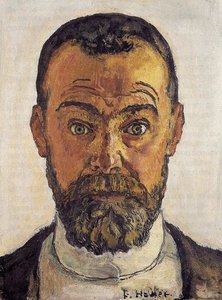
1853–1918, Szwajcaria
Ferdinand Hodler
Architektura śmiertelności Urodzony w 1853 roku w Bernie, w Szwajcarii, Ferdinand Hodler spędził wczesne lata w cieniu cichej, nieustającej żałoby. Zanim osiągnął wiek dojrzewania, gruźlica, która zabrała jego ojca i dwóch młodszych braci, pozostawiła pustkę w jego domu. To wczesne spotkanie ze stratą stało się powracającym motywem w jego twórczości, cieniem, który towarzyszył mu od skromnych początków praktyki rzemieślniczej aż po szczyty kariery zawodowej. Rozpoczął naukę jako malarz dekorator, pomagając ojczymowi w pracach przy komercyjnych szyldach, co dało mu praktyczne wykształcenie i wykształciło w nim precyzyjną kontrolę nad linią i formą.
Inne prace Ferdinand Hodler
 Eiger, Monch and Jungfrau in Moonlight1908
 Woman in Ecstasy1911
 Sunset on Lake Geneva1915
 Study of two figures1897

Eseje o Studium gry baseballa
 Speed vs. Stillness: Distinguishing Futurism and Novecento ItalianoMaster the differences between Futurism and Novecento Italiano art. Discover the history behind these iconic Italian movements now.
 Distinguishing the Styles: Bay Area Figurative vs. Abstract ExpressionismMaster the differences between Bay Area Figurative and Abstract Expressionism. Learn to identify these iconic mid-century art movements now.
 19th century Swiss painters19th-century Swiss painters like Arnold Böcklin, Ferdinand Hodler, and Henry Fuseli defined an era. Find museum-quality reproductions on Or…