1872
Thermopylae (Edward Lear, 1872)
Edward Lear (1812–1888) stworzył Thermopylae. Dzieło pochodzi z 1872. Przechowywane jest w Ashmolean Museum of Art and Archaeology w Oksford, Wielka Brytania. Wymiary to 34 × 54 cm.
- 1872
- 34 × 54 cm
- Ashmolean Museum of Art and Archaeology, Oksford

 Podgląd w skali 1:1

 Ręcznie malowany obraz olejny
 Wyślij jako kartkę
 Udostępnij
 Karta informacyjna


 Pobierz obraz
 Podobne obiekty
 RTG
 Pokaz slajdów
 Pytania i odpowiedzi

 Statystyki
Thermopylae w skrócie
- Tytuł
- Thermopylae
- Artysta
- Edward Lear (1812–1888)
- Miejsce urodzenia artysty
- Highgate, Wielka Brytania
- Data powstania
- 1872
- Wymiary
- 34 × 54 cm
- Gdzie można je zobaczyć
- Ashmolean Museum of Art and Archaeology, Oksford, Wielka Brytania
- Epoka
- 19th Century
- Temat
- landscape, mountains, nature, people, vista, outdoors
Co przedstawia Thermopylae?
A Vista of Eternal Grandeur
In his 1872 masterpiece, Thermopylae, Edward Lear invites the viewer to step beyond the boundaries of the everyday and into a realm where the majesty of the earth meets the quiet contemplation of the human spirit. The painting presents a breathtaking panorama, capturing a group of figures perched upon a verdant hilltop, their gazes lost in the infinite expanse of a distant mountain range. There is a profound sense of scale at play here; the vastness of the horizon serves as a silent protagonist, dwarfing the small assembly of people while simultaneously connecting them to the ancient, rugged landscape. Lear, a master of capturing both the whimsical and the sublime, uses this composition to explore the delicate equilibrium between humanity and the untamed natural world.
The technique employed in this work reflects the exquisite precision characteristic of the Victorian era's fascination with landscape realism. Through a masterful application of light and shadow, Lear breathes life into the undulating terrain, creating a sense of depth that pulls the eye from the textured foreground toward the hazy, ethereal peaks of the far distance. The brushwork, while controlled, possesses an organic fluidity that mimics the movement of wind through the valleys and the soft diffusion of light across the mountain slopes. For the discerning collector or interior designer, this piece offers a sophisticated interplay of color and atmosphere, making it an ideal focal point for spaces that require a sense of tranquility and intellectual depth.
The Soul of the Landscape
Beyond its visual splendor, Thermopylae resonates with a deep emotional intelligence. The figures within the scene are not merely spectators; they are embodiments of awe. Their presence imbues the landscape with a narrative of shared experience and quiet reverence. There is an inherent symbolism in the choice of the Thermopylae setting—a location steeped in historical weight—yet Lear strips away the violence of conflict to focus on the enduring, peaceful permanence of the earth itself. The painting suggests that even amidst the fleeting nature of human life, there exists a monumental beauty that remains unchanged by time.
For those seeking to curate an environment of inspiration, this reproduction serves as more than just decoration; it is a window into a moment of pure connection. The soft palette and sweeping vistas evoke a feeling of "the sublime," a concept central to 19th-century Romanticism, where the beauty of nature inspires both wonder and a touch of melancholy. Integrating such a work into a home or gallery space provides an anchor of serenity, inviting guests to pause, breathe, and reflect upon the magnificent scale of the world around them.
W którym muzeum znajduje się Thermopylae?
Ashmolean Museum of Art and Archaeology
Oksford, Wielka Brytania
Początki i historia muzeum Historia Ashmolean Museum of Art and Archaeology bierze swój początek w prywatnych zbiorach Eliasa Ashmole'a, antykwariusza, który w 1677 roku podarował swoje skarby Uniwersytetowi. Ten akt szczodrości położył fundamenty pod instytucję, która stała się pierwszym publicznym muzeum w Wielkiej Brytanii. Pierwszy budynek wzniesiono w latach 1678–1683, aby pomieścić te niezwykłe osobliwości, wśród których znajdowały się rzymskie monety oraz egipskie mumie.


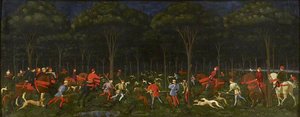
Zdjęcia w wysokiej rozdzielczości dzieła Thermopylae
Domena publiczna: artysta zmarł w 1888.
Edward Lear, Thermopylae (1872), Ashmolean Museum of Art and Archaeology. Domena publiczna
Odpowiedzi na pytania dotyczące Thermopylae
Gdzie można zobaczyć oryginał „Thermopylae” – Edward Lear?
„Thermopylae” – Edward Lear znajduje się w zbiorach Ashmolean Museum of Art and Archaeology, Oksford, Wielka Brytania. Informacja o muzeum dotyczy oryginału, a nie reprodukcji.
W którym roku powstało dzieło „Thermopylae” – Edward Lear?
"Thermopylae" powstało w 1872 roku. Data ta pozwala umiejscowić dzieło w kontekście twórczości Edward Lear oraz epoki, w której powstało.
Jakie są wymiary oryginalnego dzieła „Thermopylae” – Edward Lear?
Oryginalne wymiary dzieła „Thermopylae” to 34 x 54 cm. Znajomość pierwotnej skali może być pomocna przy wyborze odpowiedniego rozmiaru reprodukcji.
Co przedstawia „Thermopylae” – Edward Lear?
Tematyka dzieła "Thermopylae" to landscape, mountains, nature, people, vista, outdoors.
Czy „Thermopylae” – Edward Lear znajduje się w domenie publicznej?
„Thermopylae” – Edward Lear znajduje się w domenie publicznej (należy do domeny publicznej – autorskie prawa majątkowe wygasły). Status ten określa zasady reprodukcji obrazu tego dzieła.
Kto jest autorem dzieła "Thermopylae"?
Autorem dzieła „Thermopylae” jest Edward Lear. Praca ta figuruje w katalogu pod nazwiskiem Edward Lear.
Do którego etapu twórczości Edward Lear należy dzieło „Thermopylae”?
"Thermopylae" reprezentuje Mature Period twórczości Edward Lear.
W jakim wieku Edward Lear stworzył(a) "Thermopylae"?
Edward Lear stworzył/a "Thermopylae" w wieku 60 lat. Artysta urodził/a się w 1812, a datowanie dzieła to 1872.
Z czego wynika obecny status praw autorskich dzieła "Thermopylae"?
Dzieło "Thermopylae" autorstwa Edward Lear znajduje się w należy do domeny publicznej – autorskie prawa majątkowe wygasły. Okres ochrony praw autorskich liczony jest od daty śmierci artysty, a Edward Lear zmarł(a) w 1888.
O artyście: Edward Lear

1812–1888, Wielka Brytania
Edward Lear
A Life Painted in Nonsense and Light Edward Lear, a name inextricably linked with whimsical verse and delightfully peculiar illustrations, was far more than simply the creator of limericks and fantastical creatures. Born in 1812 in Holloway, North London, into a family numbering an astonishing twenty-one children – six of whom tragically succumbed to illness – his early life was shaped by both profound financial instability and a remarkably nascent artistic talent. His father, Jeremiah Lear, faced considerable hardship following the Napoleonic Wars, forcing young Edward to begin earning a living through his drawings at the tender age of fifteen. This early necessity, however, ignited a lifelong passion that would propel him across continents, capturing the world in vibrant hues and playfully inventive lines.
Inne prace Edward Lear
 Cogoleto, Italy
 Crescenza
 Blue And Yellow Macaw
 View of Taormina in Sicily with Etna in the distance1852
Eseje o Thermopylae
 Whispers of Antiquity: The Ethereal Beauty of Ruins in Impressionist ArtStep into a world where time meets light. Explore the enchanting beauty of ruins in Impressionist masterpieces. At OriginalUniqueArt.com, w…
 25 Masterpieces of Giorgio de Chirico: Exploring Metaphysical ArtStep into the haunting dreamscapes of Giorgio de Chirico. Explore 25 iconic Metaphysical paintings, from eerie shadows to surrealist enigma…
 James Abbott McNeill Whistler: 25 Arcydzieł Sztuki Pejzażowej i Portretowej | OriginalUniqueArtOdkryj 25 arcydzieł Jamesa Abbotta McNeilla Whistler'a! Poznaj historię impresjonistycznych pejzaży, portretów i słynnych 'Nokturnów'. Repr…