American Realism
Intermission (small) (Edward Hopper)
Edward Hopper (1882–1967) stworzył Intermission (small). Należy do nurtu American Realism. Wykonano w technice Acrylic On Canvas.
- Acrylic On Canvas

 Podgląd w skali 1:1

 Ręcznie malowany obraz olejny
 Wyślij jako kartkę
 Udostępnij
 Karta informacyjna


 Pobierz obraz
 Podobne obiekty
 RTG
 Pokaz slajdów
 Pytania i odpowiedzi

 Statystyki
Intermission (small) w skrócie
- Tytuł
- Intermission (small)
- Artysta
- Edward Hopper (1882–1967)
- Miejsce urodzenia artysty
- Upper Nyack, Stany Zjednoczone
- Technika wykonania
- Acrylic On Canvas
- Ruch
- American Realism
- Temat
- theater, isolation, loneliness, woman, interior, light
Co przedstawia Intermission (small)?
Edward Hopper’s Solitary Stage: Unpacking “Intermission”
Edward Hopper's "Intermission" (1963) isn’t merely a painting; it’s a distilled moment of American solitude, a poignant tableau captured with the artist’s signature mastery of light and shadow. Completed in the twilight years of his career, this work represents a culmination of Hopper’s lifelong fascination with theater and urban life—a subject that consistently explored themes of isolation, detachment, and the quiet dramas unfolding within everyday spaces. The painting depicts a woman seated alone in an empty theater, bathed in the cool, diffused light of the house lights, suggesting a pause between acts, a moment of reflection before returning to the performance. It’s a scene both familiar and profoundly unsettling, instantly transporting the viewer into Hopper's carefully constructed world of understated emotion. The deliberate simplicity of the composition—the woman, the seats, the darkened stage—amplifies the sense of loneliness, creating an atmosphere that lingers long after the eye has moved on.A Masterclass in Realist Light and Composition
Hopper’s technical skill is immediately apparent in "Intermission." He employs a restrained palette – primarily blues, greens, and browns – to create a mood of quiet melancholy. The use of light is particularly striking; it doesn't illuminate the scene with warmth or vibrancy but rather casts long shadows, emphasizing the emptiness and highlighting the woman’s isolation. Notice how Hopper uses directional lighting to sculpt the space, drawing attention to the architectural details of the theater while simultaneously obscuring any sense of depth or perspective. The composition itself is carefully balanced—the woman occupies a central position, yet she feels utterly detached from her surroundings. The diagonal lines created by the rows of seats and the stage wall subtly guide the viewer’s eye through the scene, reinforcing the feeling of being an observer rather than a participant. The painting's dimensions – 40 x 60 inches – contribute to its impact, allowing Hopper to render intricate details with precision while maintaining a sense of scale that anchors the subject within a recognizable space.Symbolism and the American Psyche
“Intermission” resonates deeply because it taps into a fundamental aspect of the American experience: the feeling of being alone in a crowd. The theater, traditionally a place of communal engagement, becomes here a stage for individual contemplation. Hopper’s choice to depict a woman—a figure often associated with domesticity and social roles—in this solitary state is particularly significant. It speaks to the changing role of women in American society during his time, as well as the broader anxieties about identity and belonging that characterized the mid-20th century. The closed curtain and darkened exit door further reinforce the sense of being trapped or suspended in a moment of uncertainty. Some art historians interpret this image as reflecting Hopper’s own feelings of alienation and detachment, while others see it as a more generalized representation of the human condition—a recognition that even within moments of shared experience, individuals can remain profoundly isolated.The Legacy of Hopper's Theater Series
“Intermission” is part of a larger series of paintings by Hopper focused on theaters and cinemas, reflecting his lifelong passion for these spaces. These works aren’t simply depictions of theatrical settings; they are explorations of the human psyche—portraying individuals grappling with loneliness, boredom, and the unspoken dramas of everyday life. Hopper meticulously studied theater productions, taking notes and sketching scenes, imbuing his paintings with a deep understanding of stagecraft and performance. "Intermission" stands as one of the most poignant examples of this series, capturing the essence of Hopper’s unique vision—a world where light and shadow reveal not just physical spaces but also the hidden emotions within the human heart. Its enduring appeal lies in its ability to evoke a sense of familiarity and recognition, reminding us that even in the midst of bustling urban life, moments of quiet solitude can be profoundly moving.Bringing “Intermission” Home: A High-Quality Reproduction
OriginalUniqueArt offers meticulously hand-painted reproductions of Edward Hopper’s "Intermission," allowing you to experience this iconic masterpiece in stunning detail and vibrant color. Our skilled artists replicate Hopper's masterful use of light, shadow, and composition with the utmost care, ensuring that your reproduction captures the essence of the original painting. Whether for a living room wall or a study, a OriginalUniqueArt reproduction of “Intermission” will serve as a timeless reminder of Hopper’s profound insights into the human condition—a testament to the beauty and melancholy of modern American life. Explore our collection today and bring this evocative image into your space.Zdjęcia w wysokiej rozdzielczości dzieła Intermission (small)
Chronione prawem autorskim: pliki te służą wyłącznie do osobistego wglądu i nie stanowią licencji na ich powielanie.
Edward Hopper, Intermission (small).
Odpowiedzi na pytania dotyczące Intermission (small)
W jakiej technice wykonano „Intermission (small)” – Edward Hopper?
Technika wykonania dzieła „Intermission (small)” – Edward Hopper to Acrylic On Canvas. Reprodukcje mają na celu wierne oddanie wyglądu tej techniki.
Co przedstawia „Intermission (small)” – Edward Hopper?
„Intermission (small)” – Edward Hopper przedstawia: theater, isolation, loneliness, woman, interior, light, shadow, modernity.
Czy obraz „Intermission (small)” – Edward Hopper można swobodnie reprodukować?
Jeśli chodzi o prawa autorskie, "Intermission (small)" znajduje się w nadal objęte ochroną prawa autorskiego.
Kto stworzył "Intermission (small)"?
Autorstwo dzieła "Intermission (small)" przypisuje się Edward Hopper.
Do jakiego nurtu należy "Intermission (small)"?
Nurt związany z „Intermission (small)” – Edward Hopper to American Realism. Ta klasyfikacja sytuuje dzieło wśród pokrewnych artystów i dzieł sztuki.
Do którego okresu twórczości Edward Hopper należy dzieło "Intermission (small)"?
"Intermission (small)" reprezentuje Late Period twórczości Edward Hopper.
Z czego wynika obecny status praw autorskich dzieła "Intermission (small)"?
Dzieło "Intermission (small)" autorstwa Edward Hopper znajduje się w nadal objęte ochroną prawa autorskiego. Okres ochrony praw autorskich liczony jest od daty śmierci artysty, a Edward Hopper zmarł(a) w 1967.
Jakie miejsce w dorobku twórczym Edward Hopper zajmuje dzieło "Intermission (small)"?
"Intermission (small)" wpisuje się w nurt American Realism w twórczości Edward Hopper, której charakterystyczne motywy obejmują hopper’s realism, urban isolation, theater as metaphor for life, american modernism, solitude themes, late period introspective scenes, exploring human experience quietly.
W jaki sposób tematyka dzieła "Intermission (small)" odnosi się do typowych motywów twórczości Edward Hopper?
Wśród motywów charakterystycznych dla twórczości Edward Hopper – takich jak hopper’s realism, urban isolation, theater as metaphor for life, american modernism, solitude themes, late period introspective scenes, exploring human experience quietly – dzieło „Intermission (small)” wprowadza własne skupienie na theater, isolation, loneliness, woman, interior, light, shadow, modernity.
O artyście: Edward Hopper
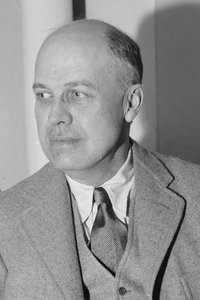
1882–1967, Stany Zjednoczone
Edward Hopper
Cisza amerykańskiego krajobrazu Edward Hopper urodził się w Upper Nyack, w Stanach Zjednoczonych. Jego wczesne lata upłynęły na obserwowaniu świata uważnym okiem, co zapoczątkowały dziecięce szkice, skrupulatnie datowane i podpisane. Choć rodzice sugerowali mu praktyczną ścieżkę w postaci ilustracji komercyjnej, jego serce pozostało przy sztuce wysokiej. Studiował w New York School of Art pod okiem William Merritt Chase oraz Robert Henri.
Inne prace Edward Hopper
 Nocne Ptaki, Instytut Sztuki w Chicago, Chica1942
 Automat (mały)
 Dom przy torach1925
 Nowojorski Film1939
Eseje o Intermission (small)
 Edward Hopper: 25 Arcydzieł Malarstwa Pełnych Emocji i Amerykańskiej Duszy | OriginalUniqueArt.comOdkryj 25 arcydzieł Edwarda Hoppera – malarstwa pełnych samotności, realizmu i amerykańskiej duszy. Poznaj historie kultowych obrazów, insp…
 Przemiana Krajobrazu w Sen Impressionistów: Personalizacja Fotografii i Trwała Wartość Malarstwa OlejnegoPrzemień swoje wspomnienia w arcydzieło! OriginalUniqueArt tworzy ręcznie malowane obrazy olejne na zamówienie, z dbałością o każdy detal. …
 Atmospheric Precision: A Study of Stillness in Serene Landscape CompositionsExplore the mastery of atmospheric landscapes from Constable to Corot. Discover the art of stillness and dive into the collection now.