Contemporary Realism
Evening Wind (Edward Hopper)
Edward Hopper (1882–1967) stworzył Evening Wind. Należy do nurtu Contemporary Realism. Wykonano w technice Etching.
- Etching

 Podgląd w skali 1:1

 Ręcznie malowany obraz olejny
 Wyślij jako kartkę
 Udostępnij
 Karta informacyjna


 Pobierz obraz
 Podobne obiekty
 RTG
 Pokaz slajdów
 Pytania i odpowiedzi

 Statystyki
Evening Wind w skrócie
- Tytuł
- Evening Wind
- Artysta
- Edward Hopper (1882–1967)
- Miejsce urodzenia artysty
- Upper Nyack, Stany Zjednoczone
- Technika wykonania
- Etching
- Epoka
- Modern
- Temat
- solitude, femininity, interior space, bedtime, darkness, light contrast
Co przedstawia Evening Wind?
Identification of Evening Wind by Edward Hopper
The scene unfolds in 1930, a moment frozen in the quietude of Evening Wind. Edward Hopper captures a singular instance of stillness, presenting a portrait of quiet contemplation that feels as though it is happening right now, just beyond the reach of the viewer. The air seems to hold its breath as the subject settles into a private, internal world.
In this work, Edward Hopper focuses on the weight of a single, unspoken thought. The composition centers on a woman, her presence defined by a sense of vulnerability and the soft, restless movement of fabric. It is a study of the human condition caught in a pause, where the external world recedes to make room for the gravity of the individual experience.
Composition and Visual Elements
The scene unfolds from a slightly elevated perspective, as if the viewer is looking down into a private, quiet moment. At the heart of this arrangement, a figure sits kneeling near the edge of a bed. The composition relies on a striking interplay of geometry and movement. Strong vertical lines rise from the bedpost, anchoring the space with a sense of structural permanence. These rigid, upright forms clash against the fluid, contrasting curves of the figure's body and the billowing fabric of the sheets.
A dynamic tension pulls at the eye, caught between the unyielding verticality of the furniture and the restless, sweeping motion of the draped cloth. Behind the woman, the world falls away into a dark, undefined space. This void pushes the subject forward, heightening the sense of isolation within the room. The arrangement directs all attention to the central figure, making the stillness of the woman feel heavy against the sudden, outward surge of the linens.
Technique and Material Details
The artist works with a steady hand, pressing a needle tool into a metal plate to etch fine, decisive lines. This process of drypoint etching or engraving requires a meticulous touch to transfer the image onto the surface, which is typically composed of copper or zinc. Every stroke of the needle carves a path for the ink, preparing the plate for the moment of contact with paper. There is a rhythmic precision in how these marks are laid down, capturing the subtle textures of the scene through sheer physical effort.
Once the plate is prepared, ink is applied across the surface, settling into the grooves and depressions created by the tool. The printing process pulls this ink onto the paper, revealing a world of tonal nuance. To build depth and define the forms of the woman and the billowing fabric, the artist employs extensive hatching and cross-hatching. These dense networks of fine lines create the illusion of shadow and light, allowing the eye to perceive volume and texture where there is only ink and paper. The interplay of these marks gives the sheets a sense of movement and the shadows a palpable weight.
Color Palette and Lighting Effects
The scene unfolds within a strict monochrome grayscale scheme. There is no color to distract the eye, only a deliberate arrangement of light and shadow. Shades of gray stretch from the deepest, ink-like blacks to the palest, most fragile whites. This limited range forces the viewer to focus on the essential architecture of the moment, emphasizing the heavy texture of the fabric and the sharp contours of the room. Every tonal shift defines a shape or a surface, making the interplay of light feel tangible.
An unseen source of illumination cuts through the stillness, casting dramatic shadows that stretch across the space. This light creates a sharp, heavy contrast between the bright highlights and the dark, receding corners. The way the light hits the billowing sheets and the figure's form gives the composition a sense of volume and depth. It is a study in how darkness can define a space just as clearly as the light itself, carving out a sense of presence within the quiet, shadowed interior.
Subject Matter and Emotional Themes
A private moment unfolds in the stillness of a room, centered on a woman kneeling beside a bed. She exists in a state of quiet contemplation, her posture revealing a profound sense of vulnerability. Around her, the sheets billow outward, caught in an unseen movement that suggests a sudden, restless energy. These shifting fabrics act as metaphors for an internal emotional turbulence, mirroring a spirit that cannot find rest even in the sanctuary of a domestic space.
The atmosphere carries a heavy weight of quiet melancholy. There is a palpable sense of solitude here, as if the air itself is thick with unspoken thoughts. The scene invites a feeling of longing, pulling the viewer into a space defined by introspection and the heavy silence of a life lived in the margins of the everyday. One wonders what occupies her mind in this solitary hour, as the shadows deepen around her figure.
Related Works by Edward Hopper
The artist's earlier explorations reveal a steady gaze that began long before this intimate moment. In 1903, an Edward Hopper Self-Portrait captures a younger version of the man who would eventually master the art of stillness. By 1912, the work squam light shows a developing eye for the way illumination interacts with its surroundings. These early pieces hint at the profound ability to find meaning in the quietude of a single scene.
Other works from his career echo the themes of solitude and the subtle tension of human presence. In Night on the El Train, a sense of silence settles between figures, much like the unspoken narratives found in domestic interiors. The artist also turned his attention to simpler, more direct subjects, such as the nautical scene in The Catboat. Each piece reflects a persistent interest in the intersection of physical space and the private, internal experiences of those caught within it.
Zdjęcia w wysokiej rozdzielczości dzieła Evening Wind
Protected by copyright: these files are for personal reference, not a licence to republish.
Edward Hopper, Evening Wind.
Odpowiedzi na pytania dotyczące Evening Wind
W jakiej technice wykonano „Evening Wind” – Edward Hopper?
Technika wykonania dzieła „Evening Wind” – Edward Hopper to Etching. Reprodukcje mają na celu wierne oddanie wyglądu tej techniki.
Co przedstawia „Evening Wind” – Edward Hopper?
Tematyka dzieła "Evening Wind" to solitude, femininity, interior space, bedtime, darkness, light contrast, domesticity, vulnerability.
Czy dzieło "Evening Wind" znajduje się w domenie publicznej?
„Evening Wind” – Edward Hopper znajduje się w domenie publicznej (nadal objęte ochroną prawa autorskiego). Status ten określa zasady reprodukcji obrazu tego dzieła.
Któremu artyście przypisuje się "Evening Wind"?
Autorem dzieła „Evening Wind” jest Edward Hopper. Praca ta figuruje w katalogu pod nazwiskiem Edward Hopper.
Do jakiego nurtu należy "Evening Wind"?
„Evening Wind” – Edward Hopper należy do nurtu Contemporary Realism. Nurt ten stanowi stylistyczny kontekst dzieła.
Do którego okresu twórczości Edward Hopper należy dzieło "Evening Wind"?
„Evening Wind” pochodzi z okresu Mature Period w twórczości Edward Hopper. Klasyfikacja ta wiąże dzieło z rozwojem artysty.
Co wyjaśnia sytuację prawną dotyczącą praw autorskich do „Evening Wind” – Edward Hopper?
„Evening Wind” – Edward Hopper jest nadal objęte ochroną prawa autorskiego. Okres ochrony praw autorskich liczony jest od śmierci artysty, która nastąpiła w 1967.
W jaki sposób "Evening Wind" wpisuje się w tematykę i styl twórczości Edward Hopper?
"Evening Wind" wpisuje się w nurt Contemporary Realism w twórczości Edward Hopper, której charakterystyczne motywy obejmują realism, psychological depth, urban isolation, domestic tranquility, hopper’s signature style.
Jakie miejsce zajmuje „Evening Wind” wśród powracających motywów w twórczości Edward Hopper?
Wśród motywów charakterystycznych dla twórczości Edward Hopper – takich jak realism, psychological depth, urban isolation, domestic tranquility, hopper’s signature style – dzieło „Evening Wind” wprowadza własne skupienie na solitude, femininity, interior space, bedtime, darkness, light contrast, domesticity, vulnerability.
O artyście: Edward Hopper
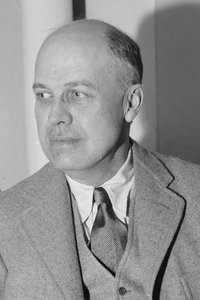
1882–1967, Stany Zjednoczone
Edward Hopper
Cisza amerykańskiego krajobrazu Edward Hopper urodził się w Upper Nyack, w Stanach Zjednoczonych. Jego wczesne lata upłynęły na obserwowaniu świata uważnym okiem, co zapoczątkowały dziecięce szkice, skrupulatnie datowane i podpisane. Choć rodzice sugerowali mu praktyczną ścieżkę w postaci ilustracji komercyjnej, jego serce pozostało przy sztuce wysokiej. Studiował w New York School of Art pod okiem William Merritt Chase oraz Robert Henri.
Inne prace Edward Hopper
 Nocne Ptaki, Instytut Sztuki w Chicago, Chica1942
 Automat (mały)
 Dom przy torach1925
 Nowojorski Film1939
Eseje o Evening Wind
 Norwegian artworks of the 1920sNorwegian 1920s art by Edvard Munch and Nikolai Astrup defines an era of expressionism. View the full collection online at OriginalUniqueAr…
 Edward Hopper: 25 Arcydzieł Malarstwa Pełnych Emocji i Amerykańskiej Duszy | OriginalUniqueArt.comOdkryj 25 arcydzieł Edwarda Hoppera – malarstwa pełnych samotności, realizmu i amerykańskiej duszy. Poznaj historie kultowych obrazów, insp…
 The Incised Line: A Technical and Historical Study of Intaglio PrintmakingMaster the technical nuances of intaglio, from engraving to mezzotint. Explore the history of the recessed line now.