Rococo · 1764
Soap Bubbles (Charles Amédée Philippe Van Loo, 1764)
Charles Amédée Philippe Van Loo (1719–1795) stworzył Soap Bubbles. Dzieło pochodzi z 1764. Należy do nurtu Rococo. Wykonano w technice Oil On Canvas. Przechowywane jest w National Gallery of Art w Waszyngton, USA. Wymiary to 89 × 89 cm.
- 1764
- Oil On Canvas
- 89 × 89 cm
- National Gallery of Art, Waszyngton

 Podgląd w skali 1:1

 Ręcznie malowany obraz olejny
 Wyślij jako kartkę
 Udostępnij
 Karta informacyjna


 Pobierz obraz
 Podobne obiekty
 RTG
 Pokaz slajdów
 Pytania i odpowiedzi

 Statystyki
Soap Bubbles w skrócie
- Tytuł
- Soap Bubbles
- Artysta
- Charles Amédée Philippe Van Loo (1719–1795)
- Miejsce urodzenia artysty
- Rivoli, Włochy
- Data powstania
- 1764
- Technika wykonania
- Oil On Canvas
- Wymiary
- 89 × 89 cm
- Gdzie można je zobaczyć
- National Gallery of Art, Waszyngton, USA
- Ruch
- Rococo
- Epoka
- Early Modern
- Temat
- children, soap bubbles, chair, mirror, portrait
Co przedstawia Soap Bubbles?
A Moment Suspended in Time
In the delicate dance of light and air captured within Charles Amédée Philippe Van Loo’s Soap Bubbles, we find ourselves transported to the heart of the 18th-century Rococo era. This exquisite oil on canvas, painted in 1764, is far more than a mere depiction of childhood play; it is a masterclass in capturing the ephemeral. The scene centers on three children, their faces alight with the pure, unadulterated joy of a fleeting moment. As they blow iridescent spheres into the atmosphere, the bubbles catch the light, shimmering with a spectrum of colors that seem to defy the stillness of the frame. Van Loo employs a breathtaking trompe-l'oeil technique, presenting the children through what appears to be an oval window, creating an intimate sense of peering into a private, enchanted world.
The composition is balanced with a sophisticated grace characteristic of the French school. To the left, a solitary chair anchors the scene, while a mirror in the background provides a subtle depth, reflecting the room and expanding the viewer's perception of space. This clever use of reflection not only adds dimension but also invites us to contemplate the layers of reality presented within the painting. The soft, luminous textures of the children's clothing and the translucent quality of the bubbles demonstrate Van Loo’s extraordinary command over oil pigments, allowing him to manipulate light to create a sense of tactile softness and ethereal brilliance.
The Poignant Symbolism of the Vanitas
Beyond its surface beauty, Soap Bubbles carries a profound philosophical weight. To the discerning eye, the bubbles serve as a classic Vanitas motif—a symbolic reminder of the transience of life and the impermanence of earthly pleasures. Just as a soap bubble is beautiful yet destined to burst in an instant, so too are the moments of youth and human existence. This layer of melancholy hidden beneath the playful exterior provides a captivating tension that elevates the work from a charming genre painting to a deep meditation on mortality. It is this duality—the celebration of life alongside the recognition of its fragility—that gives the piece such enduring emotional resonance.
For collectors and decorators alike, this painting offers a unique opportunity to introduce a narrative of depth into a living space. The artwork’s historical prestige, having once graced the collections of the Prussian imperial family, brings an air of aristocratic elegance to any interior. Whether placed in a sun-drenched morning room or a sophisticated study, a high-quality reproduction of this masterpiece serves as a conversation piece that invites contemplation. It is a work that does not merely decorate a wall; it breathes life, history, and a touch of poetic nostalgia into the very soul of a home.
W którym muzeum znajduje się Soap Bubbles?
National Gallery of Art
Waszyngton, USA
Początki i historia National Gallery of Art National Gallery of Art została założona prywatnie w 1937 roku z myślą o amerykańskim narodzie. Jej powstanie było wynikiem wspólnej rezolucji Kongresu Stanów Zjednoczonych. Instytucja ta narodziła się z wizji Andrew W.


Zdjęcia w wysokiej rozdzielczości dzieła Soap Bubbles

Domena publiczna: artysta zmarł w 1795.
Inne rozmiary, kadrowanie i cytowanie →Charles Amédée Philippe Van Loo, Soap Bubbles (1764), National Gallery of Art. Domena publiczna
Odpowiedzi na pytania dotyczące Soap Bubbles
W którym muzeum znajduje się oryginał "Soap Bubbles"?
„Soap Bubbles” – Charles Amédée Philippe Van Loo znajduje się w zbiorach National Gallery of Art, Waszyngton, USA. Informacja o muzeum dotyczy oryginału, a nie reprodukcji.
W którym roku powstało dzieło „Soap Bubbles” – Charles Amédée Philippe Van Loo?
"Soap Bubbles" powstało w 1764 roku. Data ta pozwala umiejscowić dzieło w kontekście twórczości Charles Amédée Philippe Van Loo oraz epoki, w której powstało.
W jakiej technice wykonano „Soap Bubbles” – Charles Amédée Philippe Van Loo?
Technika wykonania dzieła „Soap Bubbles” – Charles Amédée Philippe Van Loo to Oil On Canvas. Reprodukcje mają na celu wierne oddanie wyglądu tej techniki.
Jakie są wymiary oryginału "Soap Bubbles"?
Wymiary dzieła „Soap Bubbles” – Charles Amédée Philippe Van Loo to 89 x 89 cm. Reprodukcje można zamówić w innych rozmiarach, zachowując te same proporcje.
Co przedstawia "Soap Bubbles"?
„Soap Bubbles” – Charles Amédée Philippe Van Loo przedstawia: children, soap bubbles, chair, mirror, portrait.
Czy dzieło "Soap Bubbles" znajduje się w domenie publicznej?
„Soap Bubbles” – Charles Amédée Philippe Van Loo znajduje się w domenie publicznej (należy do domeny publicznej – autorskie prawa majątkowe wygasły). Status ten określa zasady reprodukcji obrazu tego dzieła.
Kto jest autorem dzieła "Soap Bubbles"?
Autorstwo dzieła "Soap Bubbles" przypisuje się Charles Amédée Philippe Van Loo.
Do jakiego nurtu należy "Soap Bubbles"?
„Soap Bubbles” – Charles Amédée Philippe Van Loo należy do nurtu Rococo. Nurt ten stanowi stylistyczny kontekst dzieła.
Do którego okresu twórczości Charles Amédée Philippe Van Loo należy dzieło „Soap Bubbles”?
"Soap Bubbles" reprezentuje Mature Period twórczości Charles Amédée Philippe Van Loo.
O artyście: Charles Amédée Philippe Van Loo

1719–1795, Włochy
Charles Amédée Philippe Van Loo
Charles Amédée Philippe Van Loo: Mistrz Rocaille’owej Gracji i Dramatycznej Narracji Świat sztuki francuskiej XVIII wieku często kojarzony jest z przepychną wspaniałością, intrygującym detalem i głębokim poczuciem teatralności. W samym sercu tej tętniącej życiem sceny stał Charles Amédée Philippe Van Loo (1719 – 1795), malarz, którego kariera trwała dziesięciolecia i obejmowała niezwykły wachlarz tematów – od alegorycznych scen przepełnionych postaciami mitologicznymi po uderzająco realistyczne portrety, które chwytały istotę jego arystokratycznych patronów. Więcej niż tylko wykwalifikowanym rzemieślnikiem, Van Loo był mistrzem opowieści, tkającym narracje o władzy, cnocie i ludzkim dramacie w każde płótno, którego dotknął. Urodzony w Aix-en-Provence, artystyczna podróż Van Loo rozpoczęła się pod okiem jego ojca, Jean-Baptiste van Loo – szanowanego malarza – w Turynie i Rzymie.
O Charles Amédée Philippe Van Loo Najważniejsze dzieła Charles Amédée Philippe Van Loo
Inne prace Charles Amédée Philippe Van Loo
 Presumed Portrait of Livio Vernet (1747 - after 1827) lawyer, son of Joseph Vernet1750
 Amor is disarmed by Diana1750
 Erigone, also called Autumn1750
 The Satyrs1761

Eseje o Soap Bubbles
 25 Must-See Masterpieces at the Kröller-Müller Museum: A Van Gogh PilgrimageExplore 25 iconic Van Gogh and modern masterpieces at Kröller-Müller Museum. Discover the full collection online at OriginalUniqueArt.com.
 Charles-André van Loo: A Study in Rococo Portraiture & the French Court's Artistic DynamicsExplore the elegant world of Charles-André van Loo, a master of Rococo portraiture at the French court. Discover his life, techniques, and …
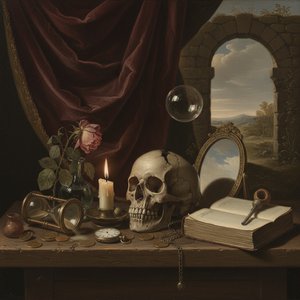 The Memento Mori Aesthetic: Decoding the Profound Symbolism of Vanitas ArtExplore the profound symbolism of Vanitas art. From Dutch Golden Age masterpieces to the haunting beauty of Memento Mori, uncover how class…