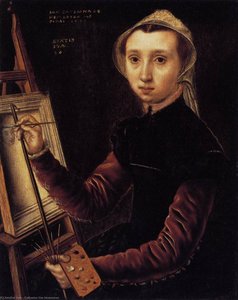
Self-Portrait
Oil On Canvas
WallArt
Early Netherlandish Painting
1548
32.0 x 25.0 cm
Öffentliche Kunstsammlung Basel
Ręcznie malowana reprodukcja olejowa
Ręcznie malowany olej na płótnie w Twoim wymiarze i ramie, tworzony na zamówienie przez naszych artystów.
P118B $10
P118H $10
P118W $10
P438Z $10
P508JH $12
P508YH $12
P805H $10
P805Z $10
P919BZ $10
P919G $10
P919XJ $10
P959ZH $10
P968JZ $12
W106C $8
W218G $10
W218JH $8
W218Y $10
W307PJ $10
W316G $10
W316PJ $8
W316Y $10
W398PJ $8
W4111J $10
W500HY $15
W500JH $15
W692G $12
W849H $8
W940BG $15
W953PJ $8
Wybierz spośród naszych predefiniowanych rozmiarów, które zachowują oryginalne proporcje dzieła sztuki.
Możesz wprowadzić własne wymiary, aby dopasować obraz do konkretnej ramy lub przestrzeni. Jeśli wybrany rozmiar nie będzie odpowiadał proporcjom oryginału, przytniecie dzieło sztuki lub rozszerzymy je o dodatkowe elementy, ręcznie domalowane przez artystę. Przed rozpoczęciem produkcji wyślemy projekt cyfrowy do Twojej akceptacji.
Należy pamiętać, że podgląd na ekranie nie odzwierciedla rzeczywistego przycinania ani rozszerzania obrazu. Tylko projekt dokładnie pokaże ostateczną kompozycję.
Choć oferujemy możliwość zamówienia niestandardowych rozmiarów, zalecamy wybór wymiaru z gotowej listy, aby zachować oryginalne proporcje dzieła.
Po złożeniu zamówienia zespół OriginalUniqueArt.com skontaktuje się z klientem drogą mailową w celu uzyskania instrukcji i prześle wizualizację projektu
Dostawa na całym świecie () w ciągu 3/4 tygodni zamiast standardowych 5 tygodni. (20 Lipiec). Bez kompromisów w kwestii jakości.
Bezpłatna ekspresowa wysyłka na cały świat
Wysokiej jakości płótno lniane
Pełne ubezpieczenie przesyłki
Gwarancja zwrotu należności celnych
Gwarancja pełnego zgodności kolorystycznej
Polityka 60-dniowego zwrotu (tylko w przypadku wad)
Gwarancja 100% zwrotu pieniędzy
Zniżka przy większych zamówieniach
Self-Portrait
Technika reprodukcji
Wymiary reprodukcji
-
Cena całkowita
-
Opis dzieła
A Pioneer's Vision: Catharina van Hemessen’s Self-Portrait – A Window into Renaissance Femininity
Catharina van Hemessen (1528 – after 1565) stands as a beacon of artistic achievement amidst the constraints imposed upon women during the sixteenth century. Her legacy transcends mere biographical details; it resides in her groundbreaking self-portrait, executed in 1548 at the tender age of twenty, which remains one of the earliest paintings depicting an artist actively engaged in their craft—a bold assertion of identity and creativity rarely celebrated within the artistic circles of her time. This remarkable artwork isn’t simply a depiction of herself; it's a meticulously crafted symbol reflecting the burgeoning spirit of Renaissance humanism and offering invaluable insight into the challenges faced by female artists striving for recognition.- Subject Matter: The portrait captures Van Hemessen seated at an easel, holding a paintbrush poised above a blank canvas—a deliberate gesture signifying her role as creator and embodying the humanist ideal of active engagement with the world. Her gaze directs outwards, establishing a direct connection with the viewer and inviting contemplation on the act of artistic representation itself.
- Style: Van Hemessen’s style aligns closely with Early Netherlandish painting traditions—characterized by exceptional realism and an unwavering attention to detail. The composition is centered around her figure, prioritizing intimacy and conveying a profound sense of dignity.
- Technique: Employing the masterful technique of oil paint on panel, Van Hemessen achieved remarkable luminosity and textural nuance through layering thin glazes – a hallmark of Renaissance painting that allowed for subtle variations in color and depth. This meticulous approach underscores her dedication to capturing the essence of her subject with unparalleled accuracy.
Historical Context: Challenging Societal Norms
Symbolism and Emotional Resonance
Legacy and Influence
Biografia artysty
A Pioneering Vision: The Life and Art of Catharina van Hemessen
The 16th century, a period synonymous with the flourishing Renaissance, witnessed an extraordinary surge in artistic innovation. Yet, within this vibrant landscape, the contributions of women artists often remained obscured by societal constraints. Among those who dared to challenge these norms was Catharina van Hemessen, a Flemish painter whose talent and determination carved a unique space for her in art history. Born in Antwerp around 1528, into a family steeped in artistic tradition—her father, Jan Sanders van Hemessen, being a prominent Mannerist painter—Catharina benefited from an unusual advantage: direct tutelage within the home. This familial arrangement circumvented the typical obstacles faced by aspiring female artists of the time, namely the restrictive apprenticeship system that demanded years of living and working under the guidance of a master, a situation often impractical or unacceptable for women. Her father’s influence was foundational, providing her with not only technical skills but also access to a network within the burgeoning Antwerp art scene.Intimate Worlds: Style and Subject Matter
Van Hemessen's artistic focus centered primarily on portraiture, specifically small-scale depictions of women. These works are characterized by an exquisite realism, delicate rendering of features, and meticulous attention to costume—all set against dark, atmospheric backgrounds that create a sense of intimacy and quiet contemplation. Her portraits weren’t merely representations of physical likeness; they offered glimpses into the inner lives of her sitters, hinting at their social standing, education, and perhaps even their personalities. Girl at the Virginal (1548), possibly portraying her sister Christina, exemplifies this approach, showcasing a young woman engaged in music-making—a symbol of refinement and cultural accomplishment. The careful depiction of the instrument itself, along with the sitter’s poised demeanor, speaks to a world of privilege and artistic appreciation. While she also ventured into religious compositions, it was within the realm of portraiture that her talent truly shone, capturing a nuanced humanity often absent in more formal or grandiose depictions.A Self-Portrait for the Ages: Breaking Barriers
However, Catharina van Hemessen’s most enduring legacy rests upon her Self-Portrait (1548). This remarkable work is not simply a depiction of an artist; it's a statement. At just twenty years old, she presented herself actively engaged in the act of painting, seated before an easel with palette and brushes in hand. This image holds immense historical significance as it’s widely considered the earliest surviving self-portrait of an artist—male or female—depicting themselves *at work*. It's a bold assertion of her professional identity, challenging conventional expectations about women’s roles and capabilities. The composition itself is carefully constructed: she gazes directly at the viewer with confidence, while the reflection in the mirror behind her offers another perspective, subtly acknowledging the complexities of representation. The painting isn’t just a self-representation; it's a meditation on the very nature of artistic creation.Recognition and Legacy
Van Hemessen’s talent did not go unnoticed during her lifetime. She became a master in the Guild of Saint Luke, an exceptional achievement for a woman in the 16th century, demonstrating both her skill and recognition within the artistic community. Her success attracted the attention of Maria of Austria, Queen of Hungary and Bohemia, who became a significant patron. In 1556, van Hemessen was invited to join the Spanish court alongside Maria, further solidifying her position as a respected artist. While details surrounding the later years of her life remain somewhat scarce—she married musician Chrétien de Morien around 1554 and appears to have ceased painting shortly thereafter—her impact on art history is undeniable. She paved the way for future generations of female artists, demonstrating that women could not only excel in a traditionally male-dominated field but also challenge prevailing societal norms through their creative expression. Her work continues to inspire, reminding us of the importance of recognizing and celebrating the contributions of all artists, regardless of gender or background.- Her self-portrait remains an iconic image of female artistic agency.
- She challenged the limitations placed upon women in Renaissance society.
- Van Hemessen’s intimate portraits offer valuable insights into the lives and status of women during her time.
Catharina van Hemessen
1528 - 1587 , Belgium
Kluczowe informacje
- Artistic Movement Or Style: Flemish Renaissance
- Artists Who Influenced This Artist: ['Jan Sanders van Hemessen']
- Date Of Birth: c. 1528
- Date Of Death: After 1565
- Full Name: Catharina van Hemessen
- Nationality: Flemish
- Notable Artworks:
- Self-Portrait (1548)
- Girl at the Virginal
- Portrait of a Woman
- Place Of Birth: Antwerp, Belgium

Opcja szkła jest dostępna wyłącznie w rozmiarach poniżej 110 cm