Romantic Industrialization · 1823
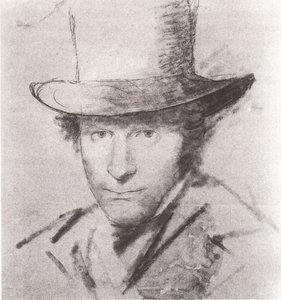
Self-Portrait (Carl Blechen, 1823)
Carl Blechen (1798–1840) stworzył Self-Portrait. Dzieło pochodzi z 1823. Należy do nurtu Romantic Industrialization. Wykonano w technice Acrylic. Przechowywane jest w Nationalgalerie w Berlin, Niemcy. Wymiary to 26 × 20 cm.
- 1823
- Acrylic
- 26 × 20 cm
- Nationalgalerie, Berlin

 Podgląd w skali 1:1

 Ręcznie malowany obraz olejny
 Wyślij jako kartkę
 Udostępnij
 Karta informacyjna


 Pobierz obraz
 Podobne obiekty
 RTG
 Pokaz slajdów
 Pytania i odpowiedzi

 Statystyki
Self-Portrait w skrócie
- Tytuł
- Self-Portrait
- Artysta
- Carl Blechen (1798–1840)
- Miejsce urodzenia artysty
- Chociebuż, Niemcy
- Data powstania
- 1823
- Technika wykonania
- Acrylic
- Wymiary
- 26 × 20 cm
- Gdzie można je zobaczyć
- Nationalgalerie, Berlin, Niemcy
- Temat
- self-portrait, landscape painting, romanticism, german art, baroque style, artist’s vision
Co przedstawia Self-Portrait?
A Visionary Encounter with Industry’s Dawn
- Subject Matter: This striking self-portrait by Carl Blechen captures a contemplative gaze directed downwards, presenting an image of intellectual introspection amidst the burgeoning industrial landscape. The artist's posture exudes seriousness and thoughtfulness—a deliberate contrast to the prevailing Romantic preoccupation with sublime landscapes.
- Style: Blechen’s work exemplifies the Romantic Industrialization movement, marking a pivotal shift away from traditional artistic conventions. While rooted in Romantic ideals of emotion and imagination, he simultaneously confronts the realities of industrial progress with unflinching honesty. The portrait eschews idealized beauty for a psychologically nuanced depiction.
- Technique: Executed in black and white lithograph printing, Blechen skillfully employs tonal gradation to convey depth and texture. Lithography, a relatively new technique at the time, allowed for precise reproductions of detail—a testament to Blechen’s artistic vision and his willingness to experiment with innovative methods.
- Historical Context: Created in 1823, this portrait emerged during a period of intense social and intellectual ferment. The Industrial Revolution was reshaping Europe, prompting artists like Blechen to grapple with questions of modernity, alienation, and the human condition. It reflects a broader artistic dialogue concerning how nature and humanity coexist within an evolving world.
- Symbolism: Beyond its formal representation, the self-portrait carries symbolic weight. The downward gaze suggests introspection and contemplation—a desire to reconcile Romantic idealism with the tangible pressures of industrial society. Furthermore, the suit symbolizes professionalism and social responsibility, mirroring Blechen’s own aspirations as he navigated his artistic career.
Lithograph Printing: A Revolutionary Medium
The choice of lithograph printing was particularly significant for Blechen's time. Unlike oil paints or watercolor—the dominant mediums of the Romantic era—lithography offered unparalleled precision and tonal control. Developed in France during the preceding decade, it allowed artists to achieve photographic realism without resorting to camera obscura techniques. This method ensured that Blechen’s portrait would retain its intricate detail and expressive atmosphere for generations to come.Romantic Industrialization: Bridging Imagination and Reality
Blechen's artistic trajectory represents a fascinating intersection between Romantic idealism and the burgeoning realities of industrialization. While acknowledging the sublime beauty of nature—a hallmark of Romantic art—he simultaneously recognized its vulnerability to encroachment by technological advancements. This duality is powerfully conveyed in his self-portrait, prompting viewers to consider the complexities inherent in reconciling aesthetic ideals with societal transformations.Emotional Resonance: A Portrait of Quiet Contemplation
Ultimately, Blechen’s self-portrait transcends mere visual representation; it communicates a profound emotional resonance. The artist's gaze—directed downwards—suggests a preoccupation with internal reflection and a yearning for understanding amidst the turbulent currents of his era. It invites contemplation on themes of identity, purpose, and the enduring human spirit—a timeless message that continues to captivate audiences today.W którym muzeum znajduje się Self-Portrait?
Nationalgalerie
Berlin, Niemcy
Historia Nationalgalerie w Berlinie Nationalgalerie stanowi integralną część Muzeów Państwowych w Berlinie, będąc żywym świadectwem ewolucji estetycznej wielu pokoleń. Jej korzenie sięgają kolekcji znanej pierwotnie jako Wagenersche und Nationalgalerie, która stała się fundamentem dla imponującego repozytorium sztuki XIX, XX i XXI wieku. Przez dziesięciolecia instytucja ta rozszerzała swoje horyzonty, obejmując różnorodne lokalizacje, wśród których kluczowe miejsce zajmuje Alte Nationalgalerie na Wyspie Muzeów oraz Neue Nationalgalerie zlokalizowana w Kulturforum.


Zdjęcia w wysokiej rozdzielczości dzieła Self-Portrait

Domena publiczna: artysta zmarł w 1840.
Inne rozmiary, kadrowanie i cytowanie →Carl Blechen, Self-Portrait (1823), Nationalgalerie. Domena publiczna
Odpowiedzi na pytania dotyczące Self-Portrait
Gdzie można obecnie zobaczyć dzieło „Self-Portrait” – Carl Blechen?
Oryginał dzieła „Self-Portrait” – Carl Blechen znajduje się w Nationalgalerie, Berlin, Niemcy. Reprodukcja pozwala na eksponowanie pracy w domu.
W którym roku powstało dzieło „Self-Portrait” – Carl Blechen?
"Self-Portrait" powstało w 1823 roku. Data ta pozwala umiejscowić dzieło w kontekście twórczości Carl Blechen oraz epoki, w której powstało.
Z jakiej techniki wykorzystano "Self-Portrait"?
Technika wykonania dzieła „Self-Portrait” – Carl Blechen to Acrylic. Reprodukcje mają na celu wierne oddanie wyglądu tej techniki.
Jakie są rzeczywiste wymiary dzieła „Self-Portrait” – Carl Blechen?
Oryginalny utwór „Self-Portrait” – Carl Blechen ma wymiary 26 x 20 cm.
Co przedstawia "Self-Portrait"?
Tematyka dzieła "Self-Portrait" to self-portrait, landscape painting, romanticism, german art, baroque style, artist’s vision, psychological depth.
Czy obraz „Self-Portrait” – Carl Blechen można swobodnie reprodukować?
Jeśli chodzi o prawa autorskie, "Self-Portrait" znajduje się w należy do domeny publicznej – autorskie prawa majątkowe wygasły.
Kto jest autorem dzieła "Self-Portrait"?
Autorem dzieła „Self-Portrait” jest Carl Blechen. Praca ta figuruje w katalogu pod nazwiskiem Carl Blechen.
Do jakiego nurtu w sztuce należy „Self-Portrait” – Carl Blechen?
„Self-Portrait” to dzieło należące do nurtu Romantic Industrialization. Nurt ten określa tradycję artystyczną, w której osadzone jest dzieło.
Do którego etapu twórczości Carl Blechen należy dzieło „Self-Portrait”?
"Self-Portrait" reprezentuje Early Romanticism twórczości Carl Blechen.
O artyście: Carl Blechen
1798–1840, Niemcy
Carl Blechen
Pionier Romantycznego Przemysłu: Życie i Twórczość Carla Blechena Carl Eduard Ferdinand Blechen, urodzony w 1798 roku w Cottbusie w Niemczech, zajmuje wyjątkowe i często niedoceniane miejsce w tradycji malarstwa krajobrazowego. Jego życie naznaczone było zarówno artystycznym geniuszem, jak i osobistymi trudnościami – dwoistość, która głęboko ukształtowała jego sugestywne i przełomowe dzieła. Początkowo skazany na pragmatyczną karierę bankiera z powodu ograniczeń finansowych rodziny, Blechen ostatecznie poddał się swoim wrodzonym artystycznym inklinacjom. Studiował w Berlińskiej Akademii Sztuk w 1822 roku, rozpoczynając ścieżkę, która uczyniła go jednym z pierwszych artystów mierzących się z estetycznymi wyzwaniami – i możliwościami – wczesnej industrializacji.
Inne prace Carl Blechen
 Sanssouci Palace1830
 The Interior of the Palm House on the Pfaueninsel Near Potsdam1834
 Tarantella1830
 Afternoon on Capri1829
Eseje o Self-Portrait
 Echo Samorefleksji: Temat Własnego Obrazu w Historii Sztuki i Współczesnej PraktyceOdkryj fascynującą historię autoportretu w sztuce! Analiza arcydzieł van Eycka, Repina i Kirchnera. Poradnik dla kolekcjonerów: wartość inw…
 Wewnętrzny krajobraz: Badanie tematów introspekcji w sztuce wizualnej na przestrzeni ruchów i epokOdkryj fascynujący świat introspekcji w sztuce wizualnej! Analizujemy kluczowe ruchy artystyczne, od romantyzmu po współczesność, i badamy …
 Romantic Realism's Finest: 10 Masterpieces for Your Home | OriginalUniqueArtExplore 10 defining masterpieces of Romantic Realism! Discover Courbet, Millet & Daumier's powerful paintings—capturing emotion and social …