Basque pilgrimage (Aurelio Arteta)
Aurelio Arteta (1879–1940) stworzył Basque pilgrimage. Wykonano w technice Oil.
- Oil

 Podgląd w skali 1:1

 Ręcznie malowany obraz olejny
 Wyślij jako kartkę
 Udostępnij
 Karta informacyjna


 Pobierz obraz
 Podobne obiekty
 RTG
 Pokaz slajdów
 Pytania i odpowiedzi

 Statystyki
Basque pilgrimage w skrócie
- Tytuł
- Basque pilgrimage
- Artysta
- Aurelio Arteta (1879–1940)
- Miejsce urodzenia artysty
- Bilbao, Hiszpania
- Technika wykonania
- Oil
- Epoka
- Modern
- Temat
- people
Co przedstawia Basque pilgrimage?
A Celebration of Basque Spirit
In the evocative masterpiece Basque Pilgrimage, the legendary Spanish painter Aurelio Arteta invites us into a moment of profound communal joy. The canvas unfolds as a vibrant tapestry of human connection, capturing a large gathering of people nestled within a lush, verdant field. As one gazes upon the scene, there is an immediate sense of movement and life; figures are scattered across the landscape, some seated peacefully upon the grass while others engage in the rhythmic grace of dance. The atmosphere is thick with the spirit of festivity, punctuated by the delicate glint of wine glasses held aloft and the casual presence of bottles and bowls that suggest a shared feast. It is not merely a depiction of a social event, but a soulful tribute to the enduring strength of community traditions.
Arteta, a master of blending the structural clarity of Cubism with the emotive depth of Social Realism, employs a technique that breathes life into every subject. The composition is meticulously balanced, guiding the eye through the undulating crowd and across the scattered elements of the picnic. His brushwork, while grounded in a certain monumental solidity characteristic of his style, manages to capture the ephemeral lightness of a summer afternoon. The interplay of light and shadow across the various textures—from the soft blades of grass to the diverse fabrics of the attendees' clothing—creates a sense of three-dimensional presence that makes the scene feel almost tangible to the viewer.
Symbolism and Cultural Resonance
Beyond its surface beauty, Basque Pilgrimage serves as a poignant window into the cultural identity of the Basque region. During an era marked by significant socio-political shifts in Spain, Arteta turned his gaze toward the foundational rhythms of rural life. The pilgrimage itself acts as a powerful symbol of shared faith, heritage, and the cyclical nature of tradition. Each figure in the painting represents a thread in the larger social fabric, contributing to a collective narrative of resilience and togetherness. The presence of food and drink is not merely incidental; it symbolizes the bounty of the land and the ritualistic importance of breaking bread as a community.
For the discerning collector or interior designer, this artwork offers much more than aesthetic appeal. It provides an emotional anchor for a space, bringing a sense of warmth, stability, and historical depth. The painting’s ability to evoke nostalgia while celebrating the vitality of life makes it a timeless addition to any curated collection. Whether placed in a grand salon or a quiet study, a high-quality reproduction of this work serves as a conversation piece that honors the artistry of the early 20th-century Spanish Modernist movement and the unbreakable bonds of human fellowship.
Zdjęcia w wysokiej rozdzielczości dzieła Basque pilgrimage

Domena publiczna: artysta zmarł w 1940.
Inne rozmiary, kadrowanie i cytowanie →Aurelio Arteta, Basque pilgrimage. Domena publiczna
Odpowiedzi na pytania dotyczące Basque pilgrimage
W jakiej technice wykonano „Basque pilgrimage” – Aurelio Arteta?
Technika wykonania dzieła „Basque pilgrimage” – Aurelio Arteta to Oil. Reprodukcje mają na celu wierne oddanie wyglądu tej techniki.
Co przedstawia „Basque pilgrimage” – Aurelio Arteta?
Tematyka dzieła "Basque pilgrimage" to people.
Czy dzieło "Basque pilgrimage" znajduje się w domenie publicznej?
Status praw autorskich dla „Basque pilgrimage” – Aurelio Arteta: dzieło znajduje się w należy do domeny publicznej – autorskie prawa majątkowe wygasły. Określa to, czy reprodukcje obrazu mogą być sporządzane swobodnie.
Kto jest autorem dzieła "Basque pilgrimage"?
Autorem dzieła „Basque pilgrimage” jest Aurelio Arteta. Praca ta figuruje w katalogu pod nazwiskiem Aurelio Arteta.
Z czego wynika obecny status praw autorskich dzieła "Basque pilgrimage"?
Dzieło "Basque pilgrimage" autorstwa Aurelio Arteta znajduje się w należy do domeny publicznej – autorskie prawa majątkowe wygasły. Okres ochrony praw autorskich liczony jest od daty śmierci artysty, a Aurelio Arteta zmarł(a) w 1940.
O artyście: Aurelio Arteta

1879–1940, Hiszpania
Aurelio Arteta
Początki i Formowanie się Artysty Aurelio Arteta Errasti, urodzony w tętniącym życiem portowym mieście Bilbao w Hiszpanii w 1879 roku, wyłonił się jako kluczowa postać wczesnego hiszpańskiego modernizmu. Jego artystyczna podróż była głęboko spleciona z prądami społeczno-politycznymi jego czasów i żywą kulturą Europy. Zakorzeniony w tradycjach Kraju Basków, Arteta obrał ścieżkę wykraczającą poza regionalne granice, kształtując unikalny styl łączący symbolizm, kubizm i realizm społeczny. Wczesne lata jego życia charakteryzowała mobilność; przeprowadzka rodziny do Valladolid w 1894 roku z powodu pracy ojca zaszczepiła w nim zdolność adaptacji i obserwacji.
Inne prace Aurelio Arteta
 Diálogo en el campo de sport
 Pescadores - La Galerna
 La mina
 To the pilgrimage

Eseje o Basque pilgrimage
 25 Masterpieces by Rogier van der Weyden: The Pinnacle of Emotional ArtImmerse yourself in the profound emotion of Rogier van der Weyden’s greatest works. From Northern Renaissance mastery to exquisite textures…
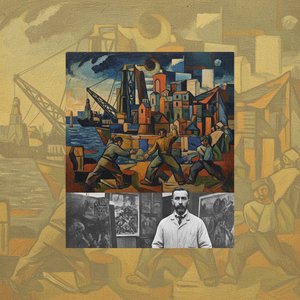 Aurelio Arteta: Navigating Modernity Through Color & Form – A Comprehensive ExplorationExplore the captivating world of Aurelio Arteta, a pivotal Spanish Modernist painter. Discover his unique blend of Symbolism, Cubism & Soci…
 Akseli Gallen-Kallela: Shaping Finnish Identity Through National Romanticism & SymbolismExplore the captivating world of Akseli Gallen-Kallela, Finland's iconic National Romantic painter. Discover his symbolic landscapes, Kalev…