Romanticism · 1890
Honeymoon (Arnold Böcklin, 1890)
Arnold Böcklin (1827–1901) stworzył Honeymoon. Dzieło pochodzi z 1890. Należy do nurtu Romanticism. Wykonano w technice Oil On Canvas. Przechowywane jest w Städel Museum w Frankfurt nad Menem, Niemcy. Wymiary to 72 × 52 cm.
- 1890
- Oil On Canvas
- 72 × 52 cm
- Städel Museum, Frankfurt nad Menem

 Podgląd w skali 1:1

 Ręcznie malowany obraz olejny
 Wyślij jako kartkę
 Udostępnij
 Karta informacyjna


 Pobierz obraz
 Podobne obiekty
 RTG
 Pokaz slajdów
 Pytania i odpowiedzi

 Statystyki
Honeymoon w skrócie
- Tytuł
- Honeymoon
- Artysta
- Arnold Böcklin (1827–1901)
- Miejsce urodzenia artysty
- Bazylea, Szwajcaria
- Data powstania
- 1890
- Technika wykonania
- Oil On Canvas
- Wymiary
- 72 × 52 cm
- Gdzie można je zobaczyć
- Städel Museum, Frankfurt nad Menem, Niemcy
- Ruch
- Romanticism
- Epoka
- 19th Century
- Temat
- romantic landscape, mountain view, intimate scene, atmospheric art, detailed texture, ethereal mood
Co przedstawia Honeymoon?
A Moment of Sublime Romance: Arnold Böcklin’s “Honeymoon”
Arnold Böcklin's "Honeymoon," painted in 1890, is more than just a picturesque landscape; it’s a carefully constructed meditation on love, aspiration, and the profound connection between humanity and nature. Measuring 72 x 52 cm, this oil-on-canvas work exemplifies Böcklin's signature style within the Symbolist movement – a style characterized by its evocative mood, symbolic resonance, and meticulous attention to detail. The scene depicts a young couple perched atop a rugged rock formation, overlooking a vast, hazy expanse that speaks of both beauty and mystery. It’s a tableau designed not merely to represent a romantic encounter but to evoke a deeply felt emotion within the viewer.
Romanticism's Embrace: Composition and Technique
- Compositional Strength: The figures, centrally placed yet subtly distanced, draw the eye immediately, establishing a powerful focal point. The horizontal thrust of the rocky outcrop anchors the scene while simultaneously directing the gaze towards the distant landscape. This deliberate arrangement creates a sense of depth and stability, crucial elements within Böcklin’s approach.
- Meticulous Brushwork: Böcklin's technique is immediately apparent in the incredibly detailed brushwork. Layer upon layer of oil paint has been skillfully applied to build up the textures of the stone – rough, weathered, and undeniably ancient – as well as the flowing drapery of the woman’s dress and the delicate strands of her hair. This painstaking process imbues the painting with a remarkable tactile quality.
- Atmospheric Perspective: The use of atmospheric perspective—the subtle blurring of details in the background to suggest distance—further enhances the illusion of depth, transporting the viewer into this serene, almost dreamlike setting.
Symbolic Layers: Interpretation and Meaning
“Honeymoon” is rich with symbolic meaning, reflecting Böcklin’s fascination with themes of mortality, mythology, and the human condition. The elevated position of the figures on the rocky outcrop can be interpreted as a representation of aspiration – a desire to reach for something beyond the mundane. The vast landscape behind them symbolizes the immensity of emotion or experience, suggesting that love is both intensely personal and profoundly connected to the wider world. The muted color palette—browns, ochres, and greens—contributes to the painting’s melancholic yet hopeful mood, reminiscent of Romanticism's exploration of intense feelings and the sublime.
A Masterpiece of the Symbolist Era
Painted in 1890, “Honeymoon” stands as a testament to Arnold Böcklin’s mastery of the Symbolist style. His ability to capture not just visual beauty but also profound emotional and symbolic resonance is evident in every detail. This artwork offers a glimpse into the heart of the Symbolist movement – a movement that sought to express ideas and emotions through evocative imagery, rather than literal representation. A hand-painted reproduction of “Honeymoon” would bring this timeless piece into any interior space, offering a touch of Romantic elegance and contemplative beauty.
W którym muzeum znajduje się Honeymoon?
Städel Museum
Frankfurt nad Menem, Niemcy
Początki i historia Städel Museum Korzenie Städel Museum sięgają prywatnych zbiorów Johanna Friedricha Städla, bankiera z Frankfurtu i wielkiego mecenasa sztuki. Choć jako fundacja obywatelska powołała się do życia już w 1815 roku, instytucja ta została formalnie ustanowiona w 1817 roku. Intencją Städla było nie tylko zachowanie jego cennych nabytków, ale przede wszystkim udostępnienie szerokiej publiczności dzieł, które zgromadził podczas swoich licznych podróży i aktywności biznesowej.


Zdjęcia w wysokiej rozdzielczości dzieła Honeymoon

Domena publiczna: artysta zmarł w 1901.
Inne rozmiary, kadrowanie i cytowanie →Arnold Böcklin, Honeymoon (1890), Städel Museum. Domena publiczna
Odpowiedzi na pytania dotyczące Honeymoon
Gdzie można obecnie zobaczyć dzieło „Honeymoon” – Arnold Böcklin?
Oryginał dzieła „Honeymoon” – Arnold Böcklin znajduje się w Städel Museum, Frankfurt nad Menem, Niemcy. Reprodukcja pozwala na eksponowanie pracy w domu.
W którym roku powstało „Honeymoon” – Arnold Böcklin?
„Honeymoon” – Arnold Böcklin powstało w 1890.
W jakiej technice wykonano „Honeymoon” – Arnold Böcklin?
Technika wykonania dzieła „Honeymoon” – Arnold Böcklin to Oil On Canvas. Reprodukcje mają na celu wierne oddanie wyglądu tej techniki.
Jakie są wymiary oryginalnego dzieła „Honeymoon” – Arnold Böcklin?
Wymiary dzieła „Honeymoon” – Arnold Böcklin to 72 x 52 cm. Reprodukcje można zamówić w innych rozmiarach, zachowując te same proporcje.
Co przedstawia "Honeymoon"?
Tematyka dzieła "Honeymoon" to romantic landscape, mountain view, intimate scene, atmospheric art, detailed texture, ethereal mood, symbolism, vintage painting.
Czy „Honeymoon” – Arnold Böcklin znajduje się w domenie publicznej?
Jeśli chodzi o prawa autorskie, "Honeymoon" znajduje się w należy do domeny publicznej – autorskie prawa majątkowe wygasły.
Kto stworzył "Honeymoon"?
„Honeymoon” zostało stworzone przez Arnold Böcklin. Informacje na tej stronie dotyczą oryginalnego dzieła autorstwa Arnold Böcklin.
Do jakiego nurtu należy "Honeymoon"?
„Honeymoon” – Arnold Böcklin należy do nurtu Romanticism. Nurt ten stanowi stylistyczny kontekst dzieła.
Do którego etapu twórczości Arnold Böcklin należy dzieło „Honeymoon”?
„Honeymoon” pochodzi z okresu Mature Period w twórczości Arnold Böcklin. Klasyfikacja ta wiąże dzieło z rozwojem artysty.
O artyście: Arnold Böcklin
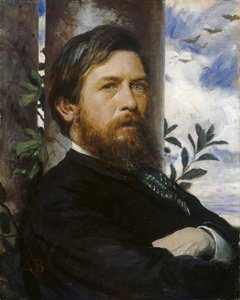
1827–1901, Szwajcaria
Arnold Böcklin
Cień Wyspy Bazylea w Szwajcarii stanowi punkt wyjścia dla życia zdefiniowanego przez napięcie między tym, co namacalne, a tym, co spektralne. Urodzony 16 października 1827 roku przez Christiana Frederica Böcklina i Ursulę Lippe, młody człowiek ostatecznie wzniósł się ponad handel jedwabiem swojego ojca, by trafić do surowych murów Akademii w Düsseldorfie. Pod okiem Schirmera zaczął chłonąć język pejzażu – umiejętność, która w przyszłości miała posłużyć do mapowania geografii ludzkiej duszy. Nie malował on jedynie scenerii; on konstruował krainy, w których klasyka zderza się z makabrą.
Inne prace Arnold Böcklin
 Wyspa umarłych (Pierwsza wersja)1880
 Autoportret ze śmiercią grającą na skrzypcach
 Wojna1896
 The Isle of the Dead (Version 2)1880

Eseje o Honeymoon
 A Study in Melancholy: Finding Human Sorrow within the Post-Impressionist TraditionExplore the profound expression of grief through Munch, Van Gogh, and Degas. Discover the soul of Post-Impressionism with our expert study.
 The Language of Brushstrokes: Decoding Emotion and Technique in Art HistoryExplore the profound connection between technique and emotion. From the sculptural depth of impasto to classical mastery, decode the langua…
 Nature's Sublime Majesty: The Emotional Resonance and Spiritual Depth of Romantic Landscape PaintingExplore the spiritual depth of German Romanticism and Caspar David Friedrich's sublime landscapes. Discover the power of nature's majesty n…