

 Zobacz w skali 1:1
 Wyślij
 Udostępnij
 Szczegóły
 Przewodnik

 Pobierz plik obrazu
 Podobne obiekty
 RTG
RTG Pokaz slajdów
 Statystyki
Self-Portrait
 Oil On Canvas
- WallArt
- Neoclassical Style
 1790
1790- Early Modern
 68.0 x 55.0 cm
 Galleria degli Uffizi
 Czytaj więcej
Giclée / Wydruk artystyczny
Wydruki giclée lub płótna o jakości muzealnej, szybka realizacja i szeroki wybór opcji wykończenia. ( Kup ręcznie malowany obraz Przełącz na wersję cyfrową)




































Wybierz spośród naszych standardowych rozmiarów, które zachowują oryginalne proporcje dzieła sztuki.

Wpisz wymaganą szerokość i wysokość, aby dopasować grafikę do ramy lub ściany. Wydruk można jedynie przyciąć, nigdy nie powiększając go poza oryginalny obraz, dlatego format o innym proporcji spowoduje utratę części kompozycji. Przed rozpoczęciem druku prześlemy Ci cyfrowy podgląd do zatwierdzenia. Obraz wyświetlany na tej stronie nie pokazuje rzeczywistego przycięcia — jedynie podgląd oddaje ten efekt.
Dostawa na cały świat () w ciągu 2 tygodni zamiast standardowych 4/5 tygodni. (24 Październik)

Bezpłatna ekspresowa wysyłka na cały świat

Wysokiej jakości płótno lniane

Pełne ubezpieczenie transportowe

Gwarancja zwrotu należności celnych i podatków importowych

Gwarancja idealnego odwzorowania barw

100-dniowy okres na zwrot dzieła w przypadku wykrycia wad produkcyjnych

Gwarancja 100% zwrotu pieniędzy

Oferta przy zakupie wielu sztuk
 Opcja ze szkłem jest dostępna wyłącznie w rozmiarach poniżej 110 cm

Self-Portrait
Giclée / Wydruk artystyczny
Rozmiar reprodukcji
-


Suma do zapłaty
zł 307
A Mirror of the Soul: The Introspective Genius of Antonio Canova
In the quietude of 1790, before he became the undisputed titan of Neoclassical sculpture, a young Antonio Canova captured something far more elusive than marble or stone. His Self-Portrait is not merely a record of a face, but a profound window into the burgeoning consciousness of an artist destined to reshape Western aesthetics. While history remembers him for the smooth, ethereal surfaces of his monumental statues, this oil on canvas reveals a different facet of his mastery—a moment of intense, private contemplation. The painting presents a man caught in the sacred act of creation, his gaze directed inward even as his hand holds the tools of his trade. It is a work that breathes with the intellectual rigor of the Enlightenment, inviting the viewer to witness the very genesis of a creative spirit.
The composition is a masterclass in the use of chiaroscuro, where the dramatic interplay of light and shadow does more than just define form; it sculpts emotion. Emerging from a deep, velvety darkness, the subject’s face and attire are illuminated with a focused intensity that directs all attention to his concentrated expression. This technique creates a sense of three-dimensionality that mirrors Canova's later sculptural achievements, treating pigment as if it were malleable clay. The subtle gradations of light across his brow and the crisp white of his collar provide a stark, elegant contrast against the somber background, lending the portrait an air of timeless dignity and classical gravity.
The Neoclassical Ideal and the Weight of Antiquity
To look upon this self-portrait is to encounter the very heartbeat of the Neoclassical movement. During this era, artists sought to strip away the ornate frivolity of the Rococo in favor of a renewed reverence for the clarity and moral purpose found in Greek and Roman antiquity. Canova embodies this transition perfectly. His pose, reminiscent of the stoic philosophers of the ancient world, suggests a mind preoccupied with reason, beauty, and the pursuit of perfection. There is a deliberate stillness in the work, an absence of unnecessary movement that allows the viewer to focus on the intellectual weight of the artist's gaze. It is a portrait of intellect as much as identity.
For the discerning collector or interior designer, this piece offers more than mere decoration; it provides a focal point of profound character. The painting’s ability to command a room through its quiet strength makes it an ideal centerpiece for spaces dedicated to study, reflection, or sophisticated curation. Whether placed in a library surrounded by leather-bound volumes or as a striking element in a modern, minimalist gallery, the Self-Portrait brings with it an aura of historical depth and artistic legitimacy. It serves as a constant reminder of the beauty found in introspection and the enduring power of the classical tradition.
Pytania i odpowiedzi
Z jakiej epoki historycznej pochodzi „Self-Portrait” autorstwa Antonio Canova?
"Self-Portrait" pochodzi z epoki Early Modern.
Gdzie najlepiej powiesić reprodukcję „Self-Portrait” autorstwa Antonio Canova?
Format Portrait dzieła „Self-Portrait” autorstwa Antonio Canova jest rekomendowany do Living Room. Format oraz przestrzeń wspólnie pomagają w odpowiednim rozmieszczeniu reprodukcji.
Jaką tematykę i atmosferę łączy „Self-Portrait” autorstwa Antonio Canova?
„Self-Portrait” autorstwa Antonio Canova przedstawia sculpture, portraiture, classicalart, renaissanceinfluence, artistselfreflection, oilpaintingtechnique, italianarthistory, wprowadzając Elegant nastrój. Tematyka i atmosfera wspólnie definiują to dzieło.
Biografia artysty
Antonio Canova: Życie wykute w marmurze
- Urodzony: Possagno, Włochy (1757)
- Zmarł: 1822
Antonio Canova jawi się jako monumentalna postać w historii sztuki zachodniej, powszechnie uznawany za najwybitniejszego rzeźbiarza klasycyzmu. Jego mistrzostwo w obróbce marmuru oraz niezwykła zdolność do tchnięcia głębokich emocji w klasyczne formy zapewniły mu miejsce wśród największych artystów wszech czasów. Urodzony w Possagno we Włoszech, jako syn kamieniarza Pietro Canovy, od najmłodszych lat dorastał w otoczeniu sztuki, która ukształtowała jego wrażliwość.
Wczesne lata i kształcenie
- Wczesny rozwój artystyczny: Jeszcze przed dziesiątym rokiem życia Canova wykazywał niezwykłe umiejętności, tworząc małe marmurowe sanktuaria, które stanowiły dowód jego wrodzonego daru. Szlifował swój kunszt jako uczeń Giuseppe Bernardiego (zwanego „Torretto”) oraz Giovanniego Ferrariego.
- Studia akademickie: Jego studia w Accademia di Belle Arti w Wenecji zaowocowały licznymi nagrodami, co umocniło jego reputację obiecującego młodego artysty. Pracownia mieszcząca się w klasztorze dała mu przestrzeń niezbędną do rozwoju rzemiosła.
- Pierwsze zlecenia: Wczesne prace, takie jak posągi Orfeusza i Eurydyki dla senatora Giovanniego Faliera (1775-1777), prezentowały rodzący się styl rokoko, będący zapowiedzią późniejszej, klasycystycznej subtelności.
Wzlot do sławy i styl neoklasyczny
- Definicja klasycyzmu: Twórczość Canovy charakteryzuje się eleganckimi formami, idealizacją postaci oraz powrotem do estetycznych zasad starożytnej Grecji i Rzymu. Po mistrzowsku unikał melodramatyzmu baroku, jednocześnie stawiając opór chłodności, która często towarzyszyła wcześniejszym próbom odrodzenia antyku.
- Kluczowe dzieła i uznanie: Rzeźby takie jak Amor i Psyche (ok. 1787-1793), Pokutująca Magdalena oraz Herakles i Lichas ugruntowały jego sławę w całej Europie. Jego prace cieszyły się ogromnym pożądaniem wśród królów i arystokracji.
- Budowanie reputacji: Canova strategicznie promował swoją karierę poprzez publikację rycin swoich dzieł oraz tworzenie marmurowych wersji gipsowych odlewów, co zapewniło szerokie rozprzestrzenienie jego sztuki.
Wielkie dzieła i dziedzictwo
- Wybitne rzeźby: Poza wspomnianymi wcześniej arcydziełami, do najważniejszych prac Canovy należą Wenus Italica, Muza Polihymnia, Trzy Gracje w tańcu oraz przejmujące przedstawienie Eurydyki.
- Monumentalne zlecenia: Otrzymywał prestiżowe zamówienia na grobowce, z których najsłynniejszym jest bogato zdobiony Grobowiec papieża Klemensa XIII w Bazylice św. Piotra w Rzymie – świadectwo jego biegłości zarówno w rzeźbie, jak i projektowaniu architektonicznym.
- Gipsoteca Antonio Canova: Muzeum Gipsoteca Antonio Canova skrywa najistotniejszą kolekcję jego dzieł, oferując bezcenną wgląd w proces twórczy i ewolucję artystyczną mistrza.
- Wpływ na kolejne pokolenia: Wpływ Canovy wykraczał daleko poza jego własne życie, kształtując bieg rzeźby neoklasycznej i inspirując kolejne pokolenia artystów swoją techniczną maestrią i siłą wyrazu.
Znaczenie historyczne
- Ucieleśnienie klasycyzmu: Imię Antonio Canova stało się synonimem ruchu neoklasycznego, uosabiając jego ideały ładu, klarowności i powrotu do antyku.
- Rzeźbiarz dworski i dyplomata: Pozycja rzeźbiarza dworskiego wielu europejskich władców zapewniła mu znaczące wpływy polityczne i pozwoliła kształtować gusta artystyczne na całym kontynencie.
- Innowacja techniczna: Niezrównana umiejętność pracy w marmurze przesuwała granice tego, co uważano za możliwe, ustanawiając nowy standard doskonałości rzeźbiarskiej.
- Trwałe dziedzictwo artystyczne: Jego rzeźby nieustannie zachwycają widzów na całym świecie, utwierdzając jego miejsce jako jednego z najważniejszych i najbardziej wpływowych artystów w historii.

Antonio Canova
1757 - 1822 , Włochy
Najważniejsze informacje
- Artistic Movement Or Style: Neoklasycizm
- Artists Or Movements Influenced By This Artist: ['Neoklasycyzm']
- Artists Who Influenced This Artist: ['Barok']
- Date Of Birth: 1757
- Date Of Death: 1822
- Full Name: Antonio Canova
- Nationality: Włoski
- Notable Artworks:
- Psyche i Kupidyn
- Madalena Pokuta
- Herkules i Lizy
- Place Of Birth (City And Country): Possagno, Włochy
Zobacz także powiązane artykuły
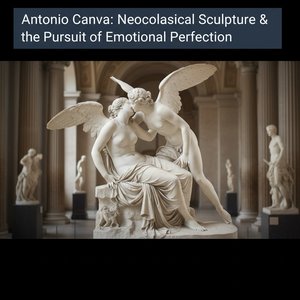
Antonio Canova: Neoclassical Sculpture & the Pursuit of Emotional Perfection
Explore the life & art of Antonio Canova, the greatest Neoclassical sculptor. Discover his masterpieces, innovative techniques, and lasting influence on fine art collecting. Expert insights for discerning investors.

10 Legendarnych Brązów Rzeźbiarskich, Które Zmieniły Sztukę | OriginalUniqueArt
Odkryj 10 legendarnych rzeźb brązowych od Rodina, Degasa i innych mistrzów! Poznaj historię powstania arcydzieł sztuki i inspiruj się do dekoracji wnętrz. Reprodukcje najwyższej jakości na OriginalUniqueArt.com – zobacz kolekcję!

Trwałe Formy: Ewolucja Technik i Tematów w Rzeźbie Przez Wieki – Od Antyku do Renesansu
Poznaj fascynującą historię rzeźby od antyku do renesansu! Odkryj techniki, wybitnych artystów i wpływ na współczesną sztukę. Ekspercka analiza dla kolekcjonerów i miłośników.

Trwała Forma: Rzeźba w Historii – Technika i Rezonans Emocjonalny
Poznaj historię rzeźby od antyku do współczesności! Ekspercka analiza technik, stylów i emocjonalnego wpływu arcydzieł. Inspiracje dla kolekcjonerów i miłośników sztuki.

10 Legendarnych Brązów, Które Zrewolucjonizowały Sztukę | OriginalUniqueArt
Odkryj 10 legendarnych rzeźb brązowych, które zrewolucjonizowały sztukę! Poznaj historie Rodina, Donatello i innych mistrzów. Inspiracje wnętrzarskie & reprodukcje najwyższej jakości na OriginalUniqueArt.com.
