Baroque Painting · 1601
Rinaldo and Armida (Annibale Carracci, 1601)
Annibale Carracci (1560–1609) stworzył Rinaldo and Armida. Dzieło pochodzi z 1601. Należy do nurtu Baroque Painting. Przechowywane jest w Museo di Capodimonte w Napoli, Włochy.

 Podgląd w skali 1:1

 Ręcznie malowany obraz olejny
 Wyślij jako kartkę
 Udostępnij
 Karta informacyjna


 Pobierz obraz
 Podobne obiekty
 RTG
 Pokaz slajdów
 Pytania i odpowiedzi

 Statystyki
Rinaldo and Armida w skrócie
- Tytuł
- Rinaldo and Armida
- Artysta
- Annibale Carracci (1560–1609)
- Miejsce urodzenia artysty
- Bolonia, Włochy
- Data powstania
- 1601
- Gdzie można je zobaczyć
- Museo di Capodimonte, Napoli, Włochy
- Ruch
- Baroque Painting
- Temat
- rinaldo, armida, love, romance, saracen, tasso
Co przedstawia Rinaldo and Armida?
The Genesis of a Dramatic Narrative
Annibale Carracci’s “Rinaldo and Armida,” painted in 1601, isn't merely a depiction of a legendary tale; it’s a vibrant distillation of the late Renaissance’s fascination with classical mythology interwoven with burgeoning Baroque drama. Commissioned for the Palazzo Farnese in Rome, this monumental canvas embodies a pivotal moment within Tasso’s epic poem “Rinaldo,” a work that captivated audiences with its blend of chivalry, love, and perilous adventure. Carracci, along with his brother Agostino and cousin Ludovico, were tasked with transforming the complex narrative into a series of grand frescoes, aiming to revive the grandeur of High Renaissance ideals while injecting a palpable sense of dynamism – a hallmark of the emerging Baroque style. The painting itself is a testament to this ambition, radiating an energy that pulls the viewer directly into the heart of the scene.
A Symphony of Color and Movement
Carracci’s masterful technique is immediately apparent in the rich, layered application of paint. He employs a sophisticated *sfumato* – a subtle blurring of lines and edges – to create an atmosphere of both immediacy and depth. The figures are not rendered with sharp, precise outlines but rather emerge from a haze of color, lending them a sense of ethereal beauty and vulnerability. Notice the dramatic use of light; it’s not uniformly distributed but strategically employed to highlight key elements—Rinaldo's heroic stance, Armida’s sorrowful gaze, and the swirling vortex of the enchanted garden. The palette is dominated by warm reds, golds, and deep blues, creating a visual feast that mirrors the passionate emotions at play. The artist’s meticulous attention to detail extends to the intricate folds of their garments, the textures of the foliage, and even the subtle reflections in the water – all contributing to an astonishingly realistic effect for its time.
Symbolism Woven into a Romantic Scene
Beyond the immediate narrative, “Rinaldo and Armida” is laden with symbolic meaning. The scene itself—a passionate embrace amidst a fantastical garden—represents the precarious balance between love and duty, desire and obligation. Armida’s enchanted realm, filled with exotic birds and shimmering foliage, symbolizes her seductive power and the allure of escape from the constraints of war and responsibility. Rinaldo's struggle to resist her charms speaks to the internal conflict faced by heroes caught between their romantic passions and their sworn oaths. The presence of the two birds—one perched near the top left corner, the other towards the center-right—adds another layer of interpretation, perhaps representing messengers or omens, subtly guiding the viewer’s eye through the composition. The swords held by Rinaldo and his companions are not merely weapons but symbols of their commitment to Christian ideals and the defense of Jerusalem.
A Bridge Between Eras
“Rinaldo and Armida” stands as a crucial link between the High Renaissance’s emphasis on harmony and balance and the Baroque’s embrace of drama, emotion, and movement. Carracci skillfully synthesizes these influences, creating an artwork that is both formally sophisticated and emotionally resonant. His work profoundly impacted subsequent generations of artists, particularly influencing the development of illusionistic painting in Rome. Studying this masterpiece offers a valuable insight into the artistic currents of its time—a period of intense intellectual and creative ferment that ultimately shaped the course of Western art history. It’s a testament to Carracci's ability to capture not just a story but the very essence of human experience, rendered with breathtaking skill and profound beauty.
W którym muzeum znajduje się Rinaldo and Armida?
Museo di Capodimonte
Napoli, Włochy
Historia Museo di Capodimonte Korzenie Museo di Capodimonte sięgają początków XVIII wieku. W 1738 roku król Karol VII Neapolu i Sycylii zlecił budowę skromnego schroniska myśliwskiego na wzgórzu Capodimonte. Wraz ze wzrostem skali królewskiej rezydencji, przeznaczenie tego miejsca zaczęło ulegać ewolucji.


Zdjęcia w wysokiej rozdzielczości dzieła Rinaldo and Armida

Domena publiczna: artysta zmarł w 1609.
Inne rozmiary, kadrowanie i cytowanie →Annibale Carracci, Rinaldo and Armida (1601), Museo di Capodimonte. Domena publiczna
Odpowiedzi na pytania dotyczące Rinaldo and Armida
W którym muzeum znajduje się oryginał "Rinaldo and Armida"?
Oryginał dzieła „Rinaldo and Armida” można zobaczyć w Museo di Capodimonte, Napoli, Włochy.
W którym roku powstało „Rinaldo and Armida” – Annibale Carracci?
„Rinaldo and Armida” – Annibale Carracci powstało w 1601.
Co przedstawia "Rinaldo and Armida"?
„Rinaldo and Armida” – Annibale Carracci przedstawia: rinaldo, armida, love, romance, saracen, tasso, italy, 1601.
Czy „Rinaldo and Armida” – Annibale Carracci znajduje się w domenie publicznej?
Jeśli chodzi o prawa autorskie, "Rinaldo and Armida" znajduje się w należy do domeny publicznej – autorskie prawa majątkowe wygasły.
Kto jest autorem dzieła "Rinaldo and Armida"?
„Rinaldo and Armida” zostało stworzone przez Annibale Carracci. Informacje na tej stronie dotyczą oryginalnego dzieła autorstwa Annibale Carracci.
Do jakiego nurtu artystycznego należy „Rinaldo and Armida” – Annibale Carracci?
„Rinaldo and Armida” to dzieło należące do nurtu Baroque Painting. Nurt ten określa tradycję artystyczną, w której osadzone jest dzieło.
Do którego okresu twórczości Annibale Carracci należy dzieło "Rinaldo and Armida"?
W dorobku artystycznym Annibale Carracci dzieło „Rinaldo and Armida” przypada na Late Renaissance. Ten etap pozwala zestawić je z innymi pracami twórcy.
Ile lat miał(a) Annibale Carracci, tworząc "Rinaldo and Armida" w 1601 roku?
Gdy w 1601 roku powstało dzieło „Rinaldo and Armida”, Annibale Carracci – urodzony/a w 1560 – miał/a 41 lat.
Z czego wynika obecny status praw autorskich dzieła "Rinaldo and Armida"?
Status praw autorskich do dzieła „Rinaldo and Armida” – należy do domeny publicznej – autorskie prawa majątkowe wygasły – wynika z faktu, że artysta zmarł w 1609.
O artyście: Annibale Carracci
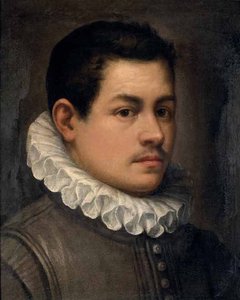
1560–1609, Włochy
Annibale Carracci
Early Life and the Bolognese Roots Annibale Carracci, born on November 3, 1560, in Bologna, was a product of a family deeply intertwined with the artistic traditions of his city. His early life wasn’t marked by privilege or formal training in the conventional sense; rather, it unfolded within the nurturing environment of his father’s workshop—a modest tailor’s shop—where he absorbed the values and skills associated with craftsmanship. This grounding in practical artistry laid a crucial foundation for his later development as a painter, instilling in him an appreciation for meticulous detail, skillful execution, and a connection to the tangible world. Bologna at the close of the 16th century was a city brimming with intellectual ferment—a vibrant crossroads where humanist ideals mingled with burgeoning artistic innovation.
Inne prace Annibale Carracci
 Słońce pośród bób
 Wybór Heraklesa
 Wybor Heraklesa1596
 Krajobraz rzeki1589

Eseje o Rinaldo and Armida
 Holenderski Barok: 10 Arcydzieł, Które Zdefiniowały Epokę | OriginalUniqueArtPoznaj 10 arcydzieł holenderskiego baroku! Odkryj historie Rembrandta, Vermeera i innych mistrzów XVII wieku. Reprodukcje obrazów najwyższe…
 Annibale Carracci: Bridging Renaissance Ideals & Baroque InnovationExplore the life & art of Annibale Carracci, a pivotal figure bridging Renaissance ideals with Baroque innovation. Discover his masterpiece…
 Giorgione: Enigma and Innovation in Early Venetian Renaissance PaintingExplore the enigmatic world of Giorgione, a pivotal figure in the Venetian Renaissance. Discover his innovative techniques, iconic painting…