

 Zobacz w skali 1:1
 Wyślij
 Udostępnij
 Szczegóły
 Przewodnik

 Pobierz plik obrazu
 Podobne obiekty
 RTG
RTG Pokaz slajdów
 Statystyki
Fishing
 Oil On Canvas
- WallArt
- Baroque
 1585
1585- Renaissance
 136.0 x 253.0 cm
 Luwr
Luwr
 Czytaj więcej
Giclée / Wydruk artystyczny
Wydruki giclée lub płótna o jakości muzealnej, szybka realizacja i szeroki wybór opcji wykończenia. ( Kup ręcznie malowany obraz Przełącz na wersję cyfrową)




P118B zł10

P118H zł10

P118W zł10

P438Z zł10

P508JH zł12

P508YH zł12

P805H zł10

P805Z zł10

P919BZ zł10

P919G zł10

P919XJ zł10

P959ZH zł10

P968JZ zł12

W106C zł8

W218G zł10

W218JH zł8

W218Y zł10

W307PJ zł10

W316G zł10

W316PJ zł8

W316Y zł10

W398PJ zł8

W4111J zł10

W500HY zł15

W500JH zł15

W692G zł12

W849H zł8

W940BG zł15

W953PJ zł8




Wybierz spośród naszych standardowych rozmiarów, które zachowują oryginalne proporcje dzieła sztuki.

Wpisz wymaganą szerokość i wysokość, aby dopasować grafikę do ramy lub ściany. Wydruk można jedynie przyciąć, nigdy nie powiększając go poza oryginalny obraz, dlatego format o innym proporcji spowoduje utratę części kompozycji. Przed rozpoczęciem druku prześlemy Ci cyfrowy podgląd do zatwierdzenia. Obraz wyświetlany na tej stronie nie pokazuje rzeczywistego przycięcia — jedynie podgląd oddaje ten efekt.
Dostawa na cały świat () w ciągu 2 tygodni zamiast standardowych 4/5 tygodni. (24 Październik)

Bezpłatna ekspresowa wysyłka na cały świat

Wysokiej jakości płótno lniane

Pełne ubezpieczenie transportowe

Gwarancja zwrotu należności celnych i podatków importowych

Gwarancja idealnego odwzorowania barw

100-dniowy okres na zwrot dzieła w przypadku wykrycia wad produkcyjnych

Gwarancja 100% zwrotu pieniędzy

Oferta przy zakupie wielu sztuk
 Opcja ze szkłem jest dostępna wyłącznie w rozmiarach poniżej 110 cm

Fishing
Giclée / Wydruk artystyczny
Rozmiar reprodukcji
-


Suma do zapłaty
zł 307
A Masterpiece of Naturalism and Renaissance Revival
In the vast, hallowed halls of the Louvre Museum, there exists a canvas that breathes with the quiet vitality of the Italian countryside. Annibale Carracci’s "Fishing," executed in 1585, is far more than a mere pastoral scene; it is a profound manifesto of artistic rebirth. At a time when the art world was caught between the stylized elegance of Mannerism and the burgeoning desire for realism, Carracci stepped forward to bridge the gap. This monumental oil on canvas, measuring an impressive 136 x 253 cm, captures a moment of rustic tranquility that feels simultaneously timeless and deeply grounded in the observable world. Through his brush, the artist invites us into a symphony of human connection, where the boundaries between the landscape and the figures dissolve into a singular, harmonious narrative.
The composition is a masterclass in the use of perspective and depth, techniques that Carracci refined by studying the giants of the High Renaissance. As your eyes wander across the canvas, you are led from the immediate, tactile presence of the figures in the foreground toward the majestic, hazy peaks of distant mountains. This atmospheric perspective does not merely provide a backdrop; it creates an immersive environment where the air itself feels heavy with the warmth of a summer afternoon. The subtle interplay of light and shadow—the chiaroscuro—bestows a palpable volume upon the thirteen individuals gathered by the water, making their presence feel strikingly three-dimensional and alive.
The Human Element: A Symphony of Life and Light
At the heart of this work lies a vibrant community. Carracci populates his landscape with a group of men and boys, each rendered with an extraordinary commitment to naturalism. There is no stiff, artificial posing here; instead, we witness the spontaneous energy of life. Some figures are deeply engaged in the rhythmic task of fishing, while others linger in quiet conversation or simply observe the shimmering water. The artist’s meticulous attention to detail—the texture of coarse clothing, the subtle tension in a limb, and the nuanced expressions on each face—creates an emotional resonance that is deeply accessible to the modern viewer.
This focus on the everyday, elevated through sophisticated technique, reflects the humanist spirit of the era. Carracci sought to move away from the artificiality of his predecessors, looking instead to the grace of Raphael and the realism of Venetian colorists to create something entirely new. For the collector or interior designer, this painting offers a unique emotional duality: it possesses the grandeur and prestige of a classical masterpiece, yet its subject matter remains intimately relatable. It evokes a sense of peace, a longing for a simpler existence, and an appreciation for the quiet beauty found in communal labor and natural splendor.
An Enduring Inspiration for the Modern Interior
For those seeking to infuse a space with character and historical depth, "Fishing" serves as an unparalleled inspiration. Its expansive horizontal format makes it a commanding presence in any room, capable of anchoring a large gallery wall or serving as the singular focal point of a sophisticated study or living area. The palette—rich with earthy tones, lush greens, and the soft blues of the distant horizon—complements a wide variety of interior aesthetics, from classical European elegance to contemporary organic minimalism.
Owning a high-quality reproduction of this Carracci masterpiece is an opportunity to bring a piece of art history into the private sphere. It is not merely a decorative element; it is a window into the soul of the late Renaissance. The painting’s ability to evoke tranquility, nostalgia, and awe ensures that it remains a conversation piece for years to come, offering a constant source of contemplative beauty and a reminder of the enduring power of the natural world.
Pytania i odpowiedzi
Jak mogę odkryć dzieła zbliżone do „Fishing” autorstwa Annibale Carracci?
Dzieła podobne do „Fishing” autorstwa Annibale Carracci zostały zgromadzone na stronie Podobne dzieła danego dzieła.
Na którym etapie kariery Annibale Carracci znajduje się dzieło „Fishing”, biorąc pod uwagę jego datę powstania?
Biorąc pod uwagę datę powstania (1585), dzieło „Fishing” wpisuje się w Mature twórczości Annibale Carracci.
Skąd pochodzą odwiedzający „Fishing” autorstwa Annibale Carracci?
Strona Statystyki dzieła „Fishing” autorstwa Annibale Carracci przedstawia statystyki odwiedzin: miesięczną liczbę wyświetleń tego dzieła, porównanie z najczęściej oglądanymi pracami artysty oraz informacje o pochodzeniu odwiedzających.
Biografia artysty
Early Life and the Bolognese Roots
Annibale Carracci, born on November 3, 1560, in Bologna, was a product of a family deeply intertwined with the artistic traditions of his city. His early life wasn’t marked by privilege or formal training in the conventional sense; rather, it unfolded within the nurturing environment of his father’s workshop—a modest tailor’s shop—where he absorbed the values and skills associated with craftsmanship. This grounding in practical artistry laid a crucial foundation for his later development as a painter, instilling in him an appreciation for meticulous detail, skillful execution, and a connection to the tangible world.
Bologna at the close of the 16th century was a city brimming with intellectual ferment—a vibrant crossroads where humanist ideals mingled with burgeoning artistic innovation. Yet, it also possessed a certain provincialism, a sense that it lagged behind the dominant currents flowing from Rome and Venice, centers of unparalleled artistic power. This awareness fueled within Annibale and his brother Agostino, along with their cousin Ludovico Carracci, a desire to forge their own path—to create an art that would not merely imitate the masters but also revitalize Italian painting by drawing upon the legacy of the High Renaissance while simultaneously embracing a more naturalistic approach.
The Carracci family’s artistic lineage extended beyond Annibale himself. His grandfather, Francesco Carracci, had been a painter for the Gonzaga court in Mantua, and his father, Antonio, continued this tradition, working as a tailor before transitioning to painting. This familial connection provided Annibale with an early exposure to the world of art, fostering within him a deep respect for artistic skill and a sense of belonging to a creative lineage.
The Accademia degli Incamminati: A Crucible of Innovation
In 1582, this ambition materialized in the establishment of the *Accademia degli Incamminati*, initially known as the Academy of the Desiderosi. This wasn’t simply a studio; it was a revolutionary institution—a crucible for artistic innovation, a space dedicated to rigorous life drawing, spirited debate, and a collective pursuit of artistic excellence. The academy's name itself—the “Progressives”—signified their intent: to move beyond the stylistic complexities of Mannerism and chart a new course toward a more grounded, emotionally resonant form of expression.
The Incamminati became a model for art academies across Europe, emphasizing observation from life as the cornerstone of artistic training. They rejected the prevailing reliance on memory drawings and idealized forms, advocating instead for direct engagement with the human body—a radical shift that would profoundly influence the course of Italian painting. The academy’s members—Annibale, Agostino, and Ludovico—collaborated closely, sharing ideas, critiquing each other's work, and pushing one another to strive for greater technical mastery and artistic vision.
The *Accademia degli Incamminati* wasn’t merely a place of instruction; it was also a social hub where artists engaged in lively discussions about art history, theory, and technique. They studied the works of the Old Masters—Raphael, Andrea del Sarto, Michelangelo—analyzing their compositions, color palettes, and methods of rendering form. This intellectual engagement informed their own artistic practice, allowing them to synthesize diverse influences and develop a unique style that would distinguish them from their contemporaries.
A Synthesis of Styles and Influences
Carracci’s artistic vision wasn't born in a vacuum; it was meticulously crafted through a deep engagement with the legacies of past masters. He possessed an extraordinary ability to synthesize diverse influences, creating a style that felt both deeply rooted in tradition and strikingly original. He admired the clarity of line and compositional balance found in the works of Raphael and Andrea del Sarto, seeking to emulate their grace and harmony. Yet, he also recognized the power of color and atmospheric effects championed by Venetian painters like Titian, infusing his own work with a vibrant luminosity and emotional depth.
The influence of Correggio was particularly profound, evident in Carracci’s dynamic compositions and illusionistic techniques—especially those showcased in his frescoes. He wasn't simply copying these masters; he was absorbing their strengths and forging them into something new. This eclectic blend became the hallmark of the Bolognese School, a significant branch of Baroque art that emphasized both classical ideals and naturalistic observation. Carracci’s genius lay in his ability to reconcile seemingly disparate elements, creating a harmonious whole that resonated with both intellectual rigor and emotional power.
The Roman Triumph: Palazzo Farnese and Beyond
The invitation to decorate the Palazzo Farnese in Rome marked a pivotal moment in Annibale Carracci’s career. This monumental commission—a vast fresco cycle depicting scenes from mythology—provided him with an unparalleled opportunity to showcase his artistic prowess and establish his reputation on a grand scale. The *Triumph of Bacchus and Ariadne*, arguably his masterpiece, is a breathtaking display of illusionistic technique, dynamic composition, and vibrant color. The frescoes seem to dissolve the boundaries between painting and reality, drawing the viewer into a world of mythic grandeur.
Alongside the *Triumph*, Carracci also undertook *The Loves of the Gods* at Palazzo Farnese, further exploring themes of mythology and love with a blend of classical idealism and keen observation. These works weren’t merely decorative; they were statements about the power of art to elevate the human spirit and celebrate the beauty of the natural world. His success in Rome solidified his position as one of the leading artists of his time, attracting a stream of commissions and influencing generations of painters.
Legacy and Historical Significance
Annibale Carracci’s impact on art history is immeasurable. He played a crucial role in bridging the gap between the High Renaissance and the Baroque period, moving away from the stylized complexities of Mannerism toward a more dynamic, emotionally charged aesthetic. His emphasis on naturalism—on depicting figures with anatomical accuracy and psychological depth—paved the way for artists like Caravaggio, who would further revolutionize Italian painting with their dramatic use of light and shadow.
The Accademia degli Incamminati, founded by Carracci and his associates, served as a model for art academies across Europe, promoting artistic training based on observation and classical principles. His frescoes at Palazzo Farnese remain iconic examples of Baroque illusionism and artistic grandeur, continuing to inspire awe and admiration centuries after their creation. The collective legacy of the Carracci family—Annibale, Agostino, and Ludovico—is one of profound innovation and enduring influence, establishing Bologna as a major center for artistic creativity.
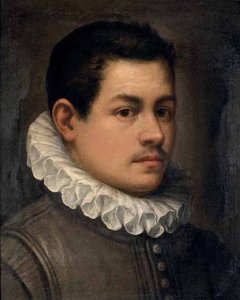
Annibale Carracci
1560 - 1609 , Włochy
Najważniejsze informacje
- Artistic Movement Or Style: Barok Boloński
- Artists Or Movements Influenced By This Artist:
- Caravaggio
- Mannerismo
- Artists Who Influenced This Artist:
- Rafaello
- Andrea del Sarto
- Tycjan
- Date Of Birth: 3 listopada 1560
- Date Of Death: 15 lipca 1609
- Full Name: Annibale Carracci
- Nationality: Włoski
- Notable Artworks:
- Triumph Bacchus
- Loves Gods
- Portret Gabrieli
- Place Of Birth: Bolonia, Italia
Zobacz także powiązane artykuły

Olej na płótnie: Historia, techniki i ponadczasowy urok malarskiego medium
Poznaj historię i techniki malarstwa olejowego! Od renesansowych mistrzów po współczesne zastosowania – wszystko o oleju na płótnie. Poradniki, konserwacja i inspiracje dla pasjonatów sztuki.
10 arcydzieł malarstwa olejnego, które na zawsze zmieniły sztukę | OriginalUniqueArt.com
Poznaj 10 arcydzieł malarstwa olejowego, które zrewolucjonizowały świat sztuki! Van Gogh, Monet, Picasso i inni – odkryj historie, techniki i emocje w słynnych obrazach. Reprodukcje najwyższej jakości na OriginalUniqueArt.com. Eksploruj kolekcję online!

Trwała Spuścizna Malarstwa Olejnego: Technika, Historia i Współczesna Praktyka
Poznaj historię i techniki malarstwa olejnego. Poradniki dla artystów, informacje o konserwacji oraz możliwość zamówienia wysokiej jakości reprodukcji obrazów. Ekspercka wiedza i gwarancja trwałości dzieł sztuki.
The Soul of Impressionism: Why Oil on Canvas Captures Eternal Light and Timeless Emotion
Discover the enchanting alchemy of Impressionism. Explore how the mastery of oil on canvas, through glazing and impasto, captures eternal light and emotion. Perfect for lovers of Monet and Van Gogh seeking the profound depth of hand-painted fine art.

Trwała Spuścizna Malarstwa Olejnego: Technika, Historia i Estetyczny Wpływ
Poznaj historię i technikę malarstwa olejnego! Eksperckie artykuły o konserwacji, renowacji oraz współczesnych zastosowaniach. Dowiedz się więcej o mistrzach i trwałości obrazów olejnych.


