Pop Art
Mick Jagger (Andy Warhol)
Andy Warhol (1928–1987) stworzył Mick Jagger. Należy do nurtu Pop Art. Wykonano w technice Sitodruk.
- Sitodruk

 Podgląd w skali 1:1

 Ręcznie malowany obraz olejny
 Wyślij jako kartkę
 Udostępnij
 Przewodnik


 Pobierz obraz
 Podobne obiekty
 RTG
 Pokaz slajdów
 Pytania i odpowiedzi

 Statystyki
Mick Jagger: najważniejsze informacje
- Tytuł
- Mick Jagger
- Artysta
- Andy Warhol (1928–1987)
- Miejsce urodzenia artysty
- Pittsburgh, Stany Zjednoczone
- Technika wykonania
- Sitodruk
- Ruch
- Pop Art
- Epoka
- Modernizm
Co przedstawia Mick Jagger?
Mick Jagger: A Pop Art Icon by Andy Warhol
- Artist: Andy Warhol
- Birth Year: 1928
- Death Year: 1987
Andy Warhol, a towering figure in the Pop Art movement, immortalized Mick Jagger, the charismatic frontman of The Rolling Stones, in a series of screen prints that capture the essence of rock and roll rebellion. This artwork is more than just a portrait; it's a cultural statement reflecting the burgeoning celebrity culture of the 1970s and Warhol’s fascination with fame, image, and mass production.
Style and Technique: The Essence of Pop Art
Warhol’s style is instantly recognizable – bold, graphic, and deliberately impersonal. He employed the screen printing technique, a process borrowed from commercial printing, to create multiple impressions of Jagger's likeness. This method allowed for repetition and variation, mirroring the mass-produced imagery prevalent in advertising and consumer culture. The use of vibrant, often contrasting colors—sometimes stark black and white—further emphasizes the artwork’s Pop Art aesthetic. Warhol didn't strive for photorealistic representation; instead, he abstracted Jagger's image, reducing it to its essential elements – a recognizable face, a rebellious attitude.
Historical Context: The Rolling Stones and 1970s Culture
The creation of this portrait is deeply rooted in the cultural landscape of the 1970s. The Rolling Stones were at the peak of their fame, embodying the spirit of rock and roll rebellion and challenging societal norms. Warhol’s collaboration with Jagger began in 1963 when he designed the cover for *The Rolling Stones' Early Years* album. Their friendship deepened over time, culminating in this portfolio of ten screen prints published in 1975. The artwork reflects a period of significant social change and artistic experimentation, where traditional notions of art were being questioned and redefined.
Symbolism and Emotional Impact
The portrait of Mick Jagger is rich with symbolism. Jagger’s iconic status as a rock star represents youth, rebellion, and the power of popular culture. Warhol's use of repetition suggests the commodification of celebrity – how images are endlessly reproduced and consumed by the masses. The often-blurred or fragmented nature of Jagger’s face can be interpreted as a commentary on the elusive nature of identity in the age of mass media. Emotionally, the artwork evokes a sense of energy, excitement, and perhaps even a touch of irony. It captures the raw charisma of Mick Jagger while simultaneously questioning the very concept of celebrity.
A Lasting Legacy
Andy Warhol’s portrait of Mick Jagger remains an enduring symbol of Pop Art and a testament to the power of image in contemporary culture. Its bold aesthetic, historical significance, and emotional resonance continue to captivate audiences worldwide. Owning a reproduction of this iconic artwork is not just acquiring a piece of art; it's embracing a moment in history and celebrating the legacy of two cultural giants.
Mick Jagger w wysokiej rozdzielczości

Chronione prawem autorskim: obraz przedstawiono wyłącznie w celach informacyjnych.
Więcej rozmiarów, kadrowania i cytowań →Andy Warhol, Mick Jagger.
Pytania o Mick Jagger
Gdzie mogę znaleźć przewodnik do "Mick Jagger"?
Dla dzieła „Mick Jagger” – Andy Warhol dostępna jest strona Karta informacyjna dla uczniów: nadająca się do druku karta informacyjna o utworze, przygotowana z myślą o uczniach i wykorzystaniu w klasie.
Jak mogę pobrać obraz „Mick Jagger” – Andy Warhol?
Obraz „Mick Jagger” – Andy Warhol można pobrać na stronie Pobierz plik cyfrowy dzieła: wysokiej rozdzielczości cyfrowe zdjęcie do pobrania.
Jaki nastrój i emocje łączą się w "Mick Jagger"?
„Mick Jagger” – Andy Warhol emanuje Dramatyczny emocjami, wpisując się w ogólnie Wyraziste nastrój.
Jakie miejsce w historii sztuki zajmuje „Mick Jagger” – Andy Warhol?
Dzieło „Mick Jagger” – Andy Warhol klasyfikuje się jako Pop Art, pochodzące z okresu Modernizm.
Jaka technika i styl charakteryzują „Mick Jagger” – Andy Warhol?
„Mick Jagger” – Andy Warhol łączy technikę Sitodruk z nurtem Pop Art. Technika i styl określają sposób wykonania oraz estetykę dzieła.
Czy „Mick Jagger” – Andy Warhol to dzieło o jasnej czy ciemnej kolorystyce?
„Mick Jagger” charakteryzuje się ogólną jasnością na poziomie świetlisty, a jej luminancja wynosi Jasna luminancja.
Czy "Mick Jagger" charakteryzuje się silnym kontrastem światłocienia?
Poziom kontrastu dzieła „Mick Jagger” – Andy Warhol wynosi Oświadczenie.
Jakie kolory dominują w dziele „Mick Jagger” – Andy Warhol?
„Mick Jagger” charakteryzuje się paletą Barwy neutralne, w której dominuje Driftwood (#997b52).
Jak mogę podejrzeć reprodukcję dzieła „Mick Jagger” – Andy Warhol?
Podgląd dzieła „Mick Jagger” – Andy Warhol można znaleźć na stronie Podgląd w pomieszczeniu.
O artyście: Andy Warhol

1928–1987, Stany Zjednoczone
Andy Warhol
Wczesne lata Andy Warhol Aby zrozumieć mechanizmy współczesnego obrazu, należy cofnąć się do przemysłowego trudu Pittsburgha w Pensylwanii. Andy Warhol urodził się jako Andrew Warhola Jr. 6 sierpnia 1928 roku w środowisku klasy robotniczej, pozbawionym jakichkolwiek pretensji do wysokiej kultury. Był najmłodszym z trzech synów, urodzonym dla Andrzeja Warhola i Julii Zavackiej Warhola.
Inne prace Andy Warhol
 Słoiki Campbell'a1962
 Dyptych Marilyn1962
 "White car crash 19 times, Private" -> "Biały samochód wypadkowy 19 razy, Prywatny"1963
 Marilyn, leo castelli gallery, new york1964
Eseje o Mick Jagger
 Andy Warhol: 25 Arcydzieł Ikony Pop Art | Reprodukcje Obrazów i Dekoracje OriginalUniqueArtOdkryj 25 arcydzieł Andy Warhola – ikony pop art, które zrewolucjonizowały świat sztuki. Poznaj historie Marilyn Diptych, Campbell's Soup C…
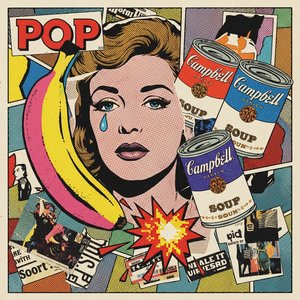 Pop Art: Wyzwolenie z Konwencji i Trwałe Dziedzictwo Sztuki MasowejOdkryj fascynujący świat Pop Artu! Analiza dzieł Warhola i Lichtensteina, historia ruchu, techniki artystyczne oraz poradnik dla kolekcjone…
 Pop Art Unmasked: The Bold Tech Behind Warhol’s Screenprints and Lichtenstein’s DotsGo behind the scenes of Pop Art's visual revolution. Discover the industrial secrets of Warhol’s silk screens and Lichtenstein’s iconic Ben…