Portret Maerten De Vos

Obrazy: 82 najsłynniejszych dzieł artysty Maerten De Vos – spojrzenie galerii

Aktualizacja: Październik 2026 · ranking według naszego wskaźnika popularności (liczba wyszukiwań, wizyt i zamówień dla każdego dzieła) · 85 dzieł Maerten De Vos w naszym katalogu

W skrócie

Według galerii najsłynniejszym obrazem Maerten De Vos jest Allegory of the Seven Liberal Arts (1590). Nativity (1577) i The Rapture of Europe (1590) dopełniają trio, które zna każde oko. Z 85 dzieł Maerten De Vos w naszym katalogu, galeria prezentuje poniżej 82 najsłynniejszych prac – każda z nich jest oryginałem z podaniem roku powstania, muzeum oraz cech wyróżniających ją na tle innych.

1532 – 1603, Antwerpia Northern renaissance Najwięcej dzieł: Królewskie Muzeum Sztuk Pięknych Antwerpia

10 najlepszych obrazów artysty Maerten De Vos w galerii

1
Allegory of the Seven Liberal Arts (1590) autorstwa Maerten De Vos

Allegory of the Seven Liberal Arts

1590 · Oil On Panel

The Allegory of the Seven Liberal Arts is an oil on panel painting by Maerten De Vos. Created in 1590, this work offers a structured look at the fundamental pillars of Renaissance education. De Vos, a significant figure in the Southern Netherlands, brings a specific clarity to this assembly of figures. The scale of the piece is substantial, measuring 147 x 200 cm.

2
Nativity (1577) autorstwa Maerten De Vos

Nativity

In this 1577 composition, we find ourselves drawn into a sacred space where the atmosphere is heavy with reverence. The scene centers on the intimate moment of the Nativity, focusing on Mary as she cradles the infant Jesus. She is surrounded by a gathering of figures, at least twelve in total, including Joseph and various onlookers who have come to witness the event. The setting, which carries the architectural weight…

3
The Rapture of Europe (1590) autorstwa Maerten De Vos

The Rapture of Europe

1590 · Oil On Panel · Muzeum Sztuk Pięknych w Bilbao, Bilbao

The Rapture of Europe emerges from the brush of Maerten De Vos as a profound mythological painting. This work, also known by the title The Rape of Europa, captures a moment of profound transformation and movement. It exists as a vivid window into the legends of antiquity, where the boundaries between the divine and the mortal blur under a heavy, dramatic sky.

4
The Resurrection of Christ (1564) autorstwa Maerten De Vos

The Resurrection of Christ

1564 · Oil · National Gallery of Ireland, Dublin

Maerten De Vos, born in Antwerp, Belgium, in 1532, produced The Resurrection of Christ around 1564. A significant figure in the transition from the High Renaissance to Mannerism, De Vos was a member of the Guild of Saint Luke in Antwerp. His career spanned the religious and political shifts of the Southern Netherlands until his death in 1603.

5
Scene of the legend of S. Benedict (building of a church) (1557) autorstwa Maerten De Vos

Scene of the legend of S. Benedict (building of a church)

1557 · Oil

This Renaissance-era oil painting, dating to 1557, presents a complex and multi-layered religious narrative. The composition utilizes a deep landscape perspective to establish a sense of vastness, guiding the viewer's eye from the immediate foreground toward a distant horizon. In the foreground on the left, a central figure, likely Saint Benedict, is depicted in a white robe, gesturing toward a partially constructed stone building or church. Surrounding this structure, several…

6
Christ on the Cross (1567) autorstwa Maerten De Vos

Christ on the Cross

1567 · Oil On Panel · Bawarskie Państwowe Zbiory Malarstwa, Monachium

In this religious work, Christ on the Cross, Maerten De Vos presents a profound scene of the Crucifixion of Jesus Christ. Created about 1567, the painting captures a moment of intense spiritual gravity. The central figure of Christ is positioned on the cross, flanked by the two thieves, a traditional arrangement that anchors the biblical narrative. This composition focuses the viewer's attention on the central event of the Passion through…

7
Raising of Lazarus (1570) autorstwa Maerten De Vos

Raising of Lazarus

1570 · Oil On Canvas · Bawarskie Państwowe Zbiory Malarstwa, Monachium

In the Raising of Lazarus, Maerten De Vos captures a moment of profound divine intervention. The scene unfolds around the miraculous event where Jesus calls Lazarus forth from the tomb. This biblical miracle, depicted in this work from about 1570, pulses with the tension of life returning to a body once claimed by death. The air feels heavy with the weight of the supernatural as the command of Christ meets…

8
The death of Adonis (1575) autorstwa Maerten De Vos

The death of Adonis

1575 · Oil On Canvas · Musee des Beaux-Arts, Blois

In 1575, Maerten De Vos captures a moment of profound tragedy in his work, The death of Adonis. The scene freezes the exact instant of a mythological catastrophe, where the mortal hunter Adonis meets his end. A heavy sense of loss hangs over the landscape as the life drains from his pale form. The air feels thick with the weight of this sudden, violent transition from life to stillness.

9
Gathering of manna (1570) autorstwa Maerten De Vos

Gathering of manna

1570 · Oil · Bawarskie Państwowe Zbiory Malarstwa, Monachium

In this large-scale oil painting, Gathering of manna by Maerten De Vos, the artist presents a densely packed scene that demands close observation. The composition is organized through a multi-layered landscape, creating a sense of immense scale. In the foreground, the space is occupied by women and children focused on the task of collecting food. This immediate layer of activity leads the eye toward a distant horizon where hazy mountains…

Obrazy artysty Maerten De Vos, uszeregowane od 11 do 82 miejsca

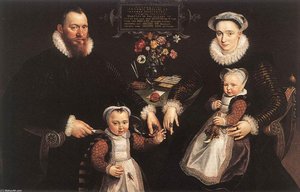
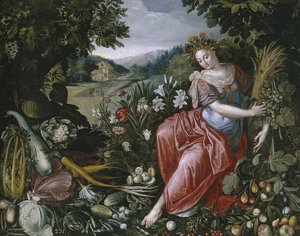
11Saint Stephen (1574) autorstwa Maerten De VosSaint Stephen1574 · Królewskie Muzeum Sztuk Pięknych Antwerpia 12The Beheading of Saint John-Baptist (1574) autorstwa Maerten De VosThe Beheading of Saint John-Baptist1574 · Królewskie Muzeum Sztuk Pięknych Antwerpia 13Saint Thomas the Apostle (1574) autorstwa Maerten De VosSaint Thomas the Apostle1574 · Królewskie Muzeum Sztuk Pięknych Antwerpia 14The Baptism of Christ (1574) autorstwa Maerten De VosThe Baptism of Christ1574 · Królewskie Muzeum Sztuk Pięknych Antwerpia 15The Soldiers Fighting over Christ's Cloak (1575) autorstwa Maerten De VosThe Soldiers Fighting over Christ's Cloak1575 · Statens Museum for Kunst 16The Adoration of the Kings (1575) autorstwa Maerten De VosThe Adoration of the Kings1575 · Statens Museum for Kunst 17the Annunciation (1578) autorstwa Maerten De Vosthe Annunciation1578 18The Parable of the Labourers in the Vineyard (1575) autorstwa Maerten De VosThe Parable of the Labourers in the Vineyard1575 · Nationalmuseum 19Portrait of Antonius Anselmus, His Wife and Their Children (1577) autorstwa Maerten De VosPortrait of Antonius Anselmus, His Wife and Their Children1577 · Musées Royaux des Beaux-Arts 20Saint Luke Appearing at the Curch of Our Lady in Tripoli (1588) autorstwa Maerten De VosSaint Luke Appearing at the Curch of Our Lady in Tripoli1588 · Królewskie Muzeum Sztuk Pięknych Antwerpia 21Saint Didacus Brings the Stillborn Girl to Life (1591) autorstwa Maerten De VosSaint Didacus Brings the Stillborn Girl to Life1591 · Królewskie Muzeum Sztuk Pięknych Antwerpia 22Saint Didacus Finds a Miraculous Meal (1591) autorstwa Maerten De VosSaint Didacus Finds a Miraculous Meal1591 · Królewskie Muzeum Sztuk Pięknych Antwerpia 23Saint Didacus of Alcalà at Prayers (1591) autorstwa Maerten De VosSaint Didacus of Alcalà at Prayers1591 · Królewskie Muzeum Sztuk Pięknych Antwerpia 24The Life of Saint Didacus of Alcalá (1590) autorstwa Maerten De VosThe Life of Saint Didacus of Alcalá1590 · Królewskie Muzeum Sztuk Pięknych Antwerpia 25The Nativity (1588) autorstwa Maerten De VosThe Nativity1588 · Królewskie Muzeum Sztuk Pięknych Antwerpia 26Saint Georges delivering Saint Margaret (1590) autorstwa Maerten De VosSaint Georges delivering Saint Margaret1590 · Królewskie Muzeum Sztuk Pięknych Antwerpia 27Saint Georges delivering Saint Margaret (1590) autorstwa Maerten De VosSaint Georges delivering Saint Margaret1590 · Królewskie Muzeum Sztuk Pięknych Antwerpia 28The Emperor Constantine erecting a church dedicated to Saint George (1590) autorstwa Maerten De VosThe Emperor Constantine erecting a church dedicated to Saint George1590 · Królewskie Muzeum Sztuk Pięknych Antwerpia 29Baptism of the King of Silene (1590) autorstwa Maerten De VosBaptism of the King of Silene1590 · Królewskie Muzeum Sztuk Pięknych Antwerpia 30Christ Triumphant (1590) autorstwa Maerten De VosChrist Triumphant1590 · Królewskie Muzeum Sztuk Pięknych Antwerpia 31Henry IV of Castile and his daughter find healing at the tomb of Saint Didacus (1595) autorstwa Maerten De VosHenry IV of Castile and his daughter find healing at the tomb of Saint Didacus1595 · Królewskie Muzeum Sztuk Pięknych Antwerpia 32Adoration of the Kings (1599) autorstwa Maerten De VosAdoration of the Kings1599 · Musée des Beaux-Arts de Valenciennes 33The Temptations of Antony Abbot of Egypt (1594) autorstwa Maerten De VosThe Temptations of Antony Abbot of Egypt1594 · Królewskie Muzeum Sztuk Pięknych Antwerpia 34Abraham in Hebron (1602) autorstwa Maerten De VosAbraham in Hebron1602 · Królewskie Muzeum Sztuk Pięknych Antwerpia 35The Burial of Sarah (1602) autorstwa Maerten De VosThe Burial of Sarah1602 · Królewskie Muzeum Sztuk Pięknych Antwerpia 36The Widow's Offering (1602) autorstwa Maerten De VosThe Widow's Offering1602 · Królewskie Muzeum Sztuk Pięknych Antwerpia 37The Temple Tax (1602) autorstwa Maerten De VosThe Temple Tax1602 · Królewskie Muzeum Sztuk Pięknych Antwerpia 38Then give to Caesar what is Caesar's (1602) autorstwa Maerten De VosThen give to Caesar what is Caesar's1602 · Królewskie Muzeum Sztuk Pięknych Antwerpia 39Crucifixion (1600) autorstwa Maerten De VosCrucifixion1600 · Królewskie Muzeum Sztuk Pięknych Antwerpia 40The Tribunal of the Brabant Mint in Antwerp (1594) autorstwa Maerten De VosThe Tribunal of the Brabant Mint in Antwerp1594 · Rockox House 41The Marriage at Cana (1596) autorstwa Maerten De VosThe Marriage at Cana1596 · Onze 42Saint Luke Appears in the Church of Our Lady of Tripoli (1620) autorstwa Maerten De VosSaint Luke Appears in the Church of Our Lady of Tripoli1620 · Królewskie Muzeum Sztuk Pięknych Antwerpia 43Riverlandscape with cattle herders (1616) autorstwa Maerten De VosRiverlandscape with cattle herders1616 · Museo del Prado 44Mountain Landscape with a Castle (Christ on the Road to Emmaus) (1616) autorstwa Maerten De VosMountain Landscape with a Castle (Christ on the Road to Emmaus)1616 · Nationalmuseum 45Landscape with a Farm (1627) autorstwa Maerten De VosLandscape with a Farm1627 · Ermitaż 46Moses Showing the Tablets of the Law to the Israelites, with Portraits of Members of the Panhuys Family, their Relatives and Friends (1575) autorstwa Maerten De VosMoses Showing the Tablets of the Law to the Israelites, with Portraits of Members of the Panhuys Family, their Relatives and Friends1575 · Mauritshuis 47Portrait of Antonius Anselmus at the Age of Forty-Six, with a Spaniel (1571) autorstwa Maerten De VosPortrait of Antonius Anselmus at the Age of Forty-Six, with a Spaniel1571 · Muzeum Izraela 48The Ephesians burn the exorcists' books in public Acts 19:19) (1568) autorstwa Maerten De VosThe Ephesians burn the exorcists' books in public Acts 19:19)1568 · Królewskie Muzea Sztuk Pięknych w Belgii 49Portrait of an unicorn (1572) autorstwa Maerten De VosPortrait of an unicorn1572 · Staatliches Museum Schwerin 50Portrait of an Old Woman (1569) autorstwa Maerten De VosPortrait of an Old Woman1569 · National Gallery of Art 51St Paul Bitten by a Viper on the Island of Malta (1567) autorstwa Maerten De VosSt Paul Bitten by a Viper on the Island of Malta1567 · Luwr 52Saint Luke Giving three Pilgrims Alms (1588) autorstwa Maerten De VosSaint Luke Giving three Pilgrims Alms1588 · Królewskie Muzeum Sztuk Pięknych Antwerpia 53Allegory of the Choleric Temperament (1583) autorstwa Maerten De VosAllegory of the Choleric Temperament1583 · Cantor Arts Center at Stanford University 54The Temptation of St Antony (1591) autorstwa Maerten De VosThe Temptation of St Antony1591 · Koninklijk Museum voor Schone Kunsten 55The Family of St Anne (detail) (1585) autorstwa Maerten De VosThe Family of St Anne (detail)1585 · Museum voor Schone Kunsten 56The Family of Saint Anne (1585) autorstwa Maerten De VosThe Family of Saint Anne1585 · Museum of Fine Arts Ghent (MSK) 57Scene from the Life of the Virgin (1600) autorstwa Maerten De VosScene from the Life of the Virgin1600 · Cathedral 58The Emperor's Toil (1601) autorstwa Maerten De VosThe Emperor's Toil1601 · Królewskie Muzeum Sztuk Pięknych Antwerpia 59Landscape with a Lake (1616) autorstwa Maerten De VosLandscape with a Lake1616 · Ermitaż 60Mining Operations along a River (1620) autorstwa Maerten De VosMining Operations along a River1620 · Walters Art Museum 61Landscape with travellers (1616) autorstwa Maerten De VosLandscape with travellers1616 · Museum der bildenden Künste 62Landscape with Satyrs (1626) autorstwa Maerten De VosLandscape with Satyrs1626 · National Gallery 63Landscape with Windmill and Wayside Chapel (1628) autorstwa Maerten De VosLandscape with Windmill and Wayside Chapel1628 · Harvard Art Museums 64The Last Supper autorstwa Maerten De VosThe Last SupperThe National Museum of Western Art 65St Luke Painting the Virgin Mary (1602) autorstwa Maerten De VosSt Luke Painting the Virgin Mary1602 · Koninklijk Museum voor Schone Kunsten 66Triumph of David autorstwa Maerten De VosTriumph of DavidMusée des Beaux-Arts 67The air autorstwa Maerten De VosThe airMuseo del Prado 68The earth autorstwa Maerten De VosThe earthMuseo del Prado 69Landscape with Pan and Syrinx, after Paul Bril autorstwa Maerten De VosLandscape with Pan and Syrinx, after Paul BrilFitzwilliam Museum 70Dijon St Benigne cathedral, The Annunciation by Martin de Vos autorstwa Maerten De VosDijon St Benigne cathedral, The Annunciation by Martin de Vos 71Saint Didacus Helps with a Difficult Birth autorstwa Maerten De VosSaint Didacus Helps with a Difficult BirthKrólewskie Muzeum Sztuk Pięknych Antwerpia 72The Spanish Crown Prince Don Carlos Heals After Touching the Corpse of Saint Didacus autorstwa Maerten De VosThe Spanish Crown Prince Don Carlos Heals After Touching the Corpse of Saint DidacusKrólewskie Muzeum Sztuk Pięknych Antwerpia 73Death of Saint Didacus autorstwa Maerten De VosDeath of Saint DidacusKrólewskie Muzeum Sztuk Pięknych Antwerpia 74Saint Didacus Heals the Sick autorstwa Maerten De VosSaint Didacus Heals the SickKrólewskie Muzeum Sztuk Pięknych Antwerpia 75Saint Didacus Saves a Boy From the Oven autorstwa Maerten De VosSaint Didacus Saves a Boy From the OvenKrólewskie Muzeum Sztuk Pięknych Antwerpia 76The Story of Saint Didacus of Alcalà autorstwa Maerten De VosThe Story of Saint Didacus of AlcalàKrólewskie Muzeum Sztuk Pięknych Antwerpia 77Saint Francis of Assisi and Saint Didacus of Alcalá autorstwa Maerten De VosSaint Francis of Assisi and Saint Didacus of AlcaláKrólewskie Muzeum Sztuk Pięknych Antwerpia 78Portrait of Gillis Hooftman, Shipowner, and his Wife Margaretha van Nispen (Gilles van Eichelenberg, called Hoffman), Maerten de Vos, 1570 (1570) autorstwa Maerten De VosPortrait of Gillis Hooftman, Shipowner, and his Wife Margaretha van Nispen (Gilles van Eichelenberg, called Hoffman), Maerten de Vos, 15701570 · Rijksmuseum 79Return from the Flight to Egypt autorstwa Maerten De VosReturn from the Flight to Egypt 80Feeling autorstwa Maerten De VosFeelingHammer Museum 81Altarpiece of the Guild of the Old Arbalest (1590) autorstwa Maerten De VosAltarpiece of the Guild of the Old Arbalest1590 · Królewskie Muzeum Sztuk Pięknych Antwerpia 82Saint George and the dragon (1590) autorstwa Maerten De VosSaint George and the dragon1590

Słynne obrazy Maerten De Vos epoka po epoce

Tematy, które przyciągnęły wzrok Maerten De Vos

Cztery motywy najczęściej powracające w tych oryginałach, z których każdy doczekał się swojego najdoskonalszego przykładu.

Muzea przechowujące oryginały Maerten De Vos

8 muzeów, w których znajduje się najwięcej obrazów z tej strony.

Muzea Miasto Dzieła artysty Maerten De Vos Obrazy z tej listy
Królewskie Muzeum Sztuk Pięknych Antwerpia, AntwerpiaKrólewskie Muzeum Sztuk Pięknych Antwerpia Antwerpia 35 Incredulity of Saint Thomas, Saint Stephen, The Beheading of Saint John-Baptist
Bawarskie Państwowe Zbiory Malarstwa, MonachiumBawarskie Państwowe Zbiory Malarstwa Monachium 3 Christ on the Cross, Raising of Lazarus, Gathering of manna
Museo del Prado, MadrytMuseo del Prado Madryt 3 Riverlandscape with cattle herders, The air, The earth
Statens Museum for Kunst, KopenhagaStatens Museum for Kunst Kopenhaga 2 The Soldiers Fighting over Christ's Cloak, The Adoration of the Kings
Nationalmuseum, StockholmNationalmuseum Stockholm 2 The Parable of the Labourers in the Vineyard, Mountain Landscape with a Castle (Christ on the Road to Emmaus)
Ermitaż, Sankt PetersburgErmitaż Sankt Petersburg 2 Landscape with a Farm, Landscape with a Lake
Koninklijk Museum voor Schone Kunsten, AntwerpiaKoninklijk Museum voor Schone Kunsten Antwerpia 2 The Temptation of St Antony, St Luke Painting the Virgin Mary
Katedra Najświętszej Marii Panny w Antwerpii, AntperiaKatedra Najświętszej Marii Panny w Antwerpii Antperia 1 Nativity

Maerten De Vos, jedno kultowe dzieło na dekadę

Dzieła według dekad

Wybierz dekadę, aby zobaczyć dzieło, które ją definiuje.

Obrazy artysty Maerten De Vos: odpowiedzi galerii

Który obraz Maerten De Vos jest najsłynniejszy ze wszystkich?Odkryj odpowiedź

Allegory of the Seven Liberal Arts (1590). Następne są Nativity (1577) oraz The Rapture of Europe (1590).

Ile lat miał Maerten De Vos, gdy ukończył Allegory of the Seven Liberal Arts?Odkryj odpowiedź

58 lat: Allegory of the Seven Liberal Arts pochodzi z 1590, a Maerten De Vos urodził(a) się w 1532.

Które to 10 najlepszych obrazów Maerten De Vos?Odkryj odpowiedź

Allegory of the Seven Liberal Arts, Nativity, The Rapture of Europe, The Resurrection of Christ, Scene of the legend of S. Benedict (building of a church), Christ on the Cross, Raising of Lazarus, The death of Adonis, Gathering of manna i Incredulity of Saint Thomas. Powyższy ranking zawiera rok powstania oraz muzeum dla każdego z nich.

Ile dzieł stworzył/a Maerten De Vos?Odkryj odpowiedź

Nasz katalog zawiera 85 dzieł artysty Maerten De Vos, datowanych od 1557 do 1602.

Gdzie można znaleźć najsłynniejsze oryginały autorstwa Maerten De Vos?Odkryj odpowiedź

W większości znajdują się w Królewskie Muzeum Sztuk Pięknych Antwerpia (Antwerpia), Bawarskie Państwowe Zbiory Malarstwa (Monachium) i Museo del Prado (Madryt). Powyższa tabela muzeów zawiera ich pełną listę.

Kiedy Maerten De Vos stworzył swoje najsłynniejsze obrazy?Odkryj odpowiedź

W 1590s: 19 z 82 dzieł na tej stronie powstało w tym czasie, w tym Allegory of the Seven Liberal Arts.

Które z najsłynniejszych dzieł Maerten De Vos należą do jego najwcześniejszych i najpóźniejszych prac?Odkryj odpowiedź

Na tej stronie najwcześniejszy to Scene of the legend of S. Benedict (building of a church) (1557), a najpóźniejszy Abraham in Hebron (1602).

Do jakich tematów Maerten De Vos powracał najczęściej?Odkryj odpowiedź

People (17), Man (16) i Drapery (16), w ramach 82 dzieł na tej stronie.

W jakiej technice najczęściej tworzył Maerten De Vos?Odkryj odpowiedź

Oil, dla 29 z 82 dzieł na tej stronie.

Z jakim nurtem związany jest Maerten De Vos?Odkryj odpowiedź

Northern renaissance, sądząc po oryginałach na tej stronie.

Które oryginały artysty Maerten De Vos znajdują się w zbiorach Królewskie Muzeum Sztuk Pięknych Antwerpia?Odkryj odpowiedź

Incredulity of Saint Thomas, Saint Stephen i The Beheading of Saint John-Baptist: Królewskie Muzeum Sztuk Pięknych Antwerpia, Antwerpia posiada 35 dzieł widocznych na tej stronie.

Maerten De Vos: artysta

Maerten De Vos: Mistrz Manieryzmu i Portretu

Maerten De Vos, urodzony w Antwerpii około 1530 roku i zmarły w tym samym mieście w 1607 roku, jawi się jako kluczowa postać stanowiąca pomost między dojrzałym Renesansem a rodzącym się stylem manieryzmu. Jego życie toczyło się w epoce ogromnego fermentu artystycznego w Niderlandach Południowych, w regionie zmagającym się z niepokojami religijnymi i przemianami politycznymi pod panowaniem hiszpańskim. De Vos nie był jedynie malarzem; był dzieckiem swoich czasów, odzwierciedlającym ich lęki, aspiracje oraz ewoluujące wrażliwości estetyczne w swoich pieczołowicie wykonanych dziełach. Wywodził się z uznanej rodziny artystów – jego ojciec, Pieter de Vos, również był malarzem – co zapewniło mu wczesny kontakt z technikami i tradycjami rzemiosła. To rodzinne fundamenty okazały się kluczowe dla jego początkowego rozwoju artystycznego, choć wkrótce sam wytyczył własną, odrębną ścieżkę.

Wczesne lata nauki i inspiracje

Formalne wykształcenie De Vosa pozostaje w pewnym stopniu owiane tajemnicą, jednak powszechnie wierzy się, że odbył on praktykę u Pietersa Bruegla Starszego, monumentalnej postaci północnorenesansowego malarstwa. Wpływ Bruegla jest wyraźnie wyczuwalny w wczesnych pejzażach i scenach rodzajowych De Vosa, które charakteryzują się szczegółową obserwacją codziennego życia oraz subtelnym podtekstem komentarza społecznego. Niemniej jednak, artysta szybko wyszedł poza wiejski realizm swojego mentora, przyciągany przez bardziej wyrafinowaną elegancję i wyrafinowane kompozycje preferowane przez manieryzm włoski. Te wpływy chłonął poprzez ryciny i grafiki krążące szeroko w Antwerpii, zwłaszcza te przedstawiające dzieła artystów takich jak Parmigianino czy Bronzino. Ta fascynacja stylem włoskim stała się punktem zwrotnym w jego karierze artystycznej, skłaniając go do przyjęcia wydłużonych sylwetek, pełnych gracji póz oraz podniosłego poczucia sztuczności. Jego wczesne prace ukazują również oddziaływanie Jana van Scorela, innego artysty, który przyniósł włoskie inspiracje do Europy Północnej.

Płodny portrecista i malarz historyczny

De Vos błyskawicznie zyskał status niezwykle pożądanego portrecisty wśród dynamicznie rozwijającej się klasy kupieckiej Antwerpii. Posiadał on nadzwyczajną zdolność do chwytania nie tylko fizycznego podobieństwa swoich modeli, ale także ich statusu społecznego, osobowości oraz bogatego życia wewnętrznego. Jego portrety słyną z niezwykłej dbałości o detal – od misternych tekstur tkanin po subtelne niuanse mimiki twarzy – a także z uderzającej głębi psychologicznej. Poza portretowaniem, De Vos odnosił sukcesy jako malarz historyczny, podejmując ambitne tematy zaczerpnięte z mitologii klasycznej, narracji biblijnych oraz wydarzeń współczesnych jego epoce. W 1558 roku stał się czołowym członkiem Gildii Świętego Łukasza, co jeszcze bardziej umocniło jego pozycję w artystycznej społeczności Antwerpii. Jego wielkoformatowe kompozycje często obejmowały liczne postacie ułożone w złożone grupy, co stanowiło świadectwo jego mistrzostwa w zakresie perspektywy i organizacji przestrzeni. Kluczowym aspektem jego malarstwa historycznego był wymiar alegoryczny; często przemycał w nich przesłania moralne lub polityczne, głęboko zakorzenione w burzliwych czasach, w których przyszło mu żyć.

Styl i technika

Styl Maertena De Vosa charakteryzuje się wyrafinowaną elegancją, niezwykłą dbałością o detal oraz subtelną grą światła i koloru. Artysta stosował zaawansowaną technikę nakładania licznych warstw laserunku, co pozwalało uzyskać efekt świetlistości i potęgowało głębię jego bogatej palety barw. Jego postacie są zazwyczaj wydłużone i pełne wdzięku, co stanowi wyraźne echo wpływów manieryzmu włoskiego, a jednak zachowują one typowo północną wrażliwość dzięki realistycznemu ujęciu oraz niezwykłej uważności na indywidualny charakter postaci. Artysta wykazywał się szczególnym kunsztem w przedstawianiu luksusowych tkanin i tekstur, prezentując swoją techniczną wirtuozerię i trafiając w wysublimowane gusta zamożnych mecenasów. Kompozycje De Vosa są często złożone i dynamiczne, wypełnione licznymi postaciami ułożonymi w starannie wyreżyserowane grupy, które prowadzą wzrok widza przez całą scenę. Mistrz wykazał się również głębokim zrozumieniem symbolizmu, przemycając w swoich płótnach ukryte znaczenia, które nadawały dziełom wielowarstwowość interpretacyjną. Jego zamiłowanie do alegorii było szczególnie widoczne w dziełach historycznych, w których często sięgał po motywy klasyczne i odniesienia biblijne, aby przekazać głębokie przesłania moralne lub polityczne.

Dziedzictwo i znaczenie historyczne

Wpływ, jaki wywarł Maerten De Vos, wykraczał daleko poza granice Antwerpii, oddziałując na artystów w całej Europie Północnej. Jego warsztat wytwarzał ogromną liczbę dzieł, które dzięki szerokim sieciom handlowym trafiały w najdalsze zakątki kontynentu, przyczyniając się do ekspansji stylu manierystycznego. Jako utalentowany grafik, projektował liczne miedzioryty i akwaforty, które jeszcze bardziej potęgowały jego artystyczny zasięg i rozpoznawalność.
  • Jego portrety stanowią nieocenione źródło wiedzy o życiu i obyczajowościach społecznych XVI-wiecznej Antwerpii.
  • Odegrał kluczową rolę w budowaniu pomostu między dojrzałym renesansem a manieryzmem w Europie Północnej.
  • Alegooryczne płótna De Vosa oferują fascynujący wgląd w niepokoje polityczne i religijne jego epoki.
Choć w późniejszych latach został nieco przyćmiony przez bardziej znanych współczesnych, dziś Maerten De Vos jest powszechnie uznawany za mistrza manierystycznego portretu i malarstwa historycznego. Jego dzieła nieustannie zachwycają odbiorców swoją wyrafinowaną elegancją, dbałością o najdrobniejszy detal oraz subtelną głębią psychologiczną, co ugruntowało jego pozycję jako fundamentalnej postaci w historii sztuki północnego renesansu. Artysta ten stanowi fascynujący punkt przecięcia tradycji malarskich, umiejętnie łącząc realizm Bruegla z wyrafinowaniem włoskiego manieryzmu, by stworzyć unikalny i ponadczasowy język wizualny.