Portret Henry Ossawa Tanner

Obrazy: 100 najsłynniejszych dzieł artysty Henry Ossawa Tanner – spojrzenie galerii

Aktualizacja: Październik 2026 · ranking według naszego wskaźnika popularności (liczba wyszukiwań, wizyt i zamówień dla każdego dzieła) · 200 dzieł Henry Ossawa Tanner w naszym katalogu

W skrócie

Według opinii kuratorów galerii, najsłynniejszym obrazem Henry Ossawa Tanner jest The Pilgrims of Emmaus (1905), którego oryginał znajduje się w Musée d'Orsay w Paryż. The Resurrection of Lazarus (1896) i Interior of a Mosque, Cairo (1897) dopełniają trio, które zna każde oko. Z 200 dzieł Henry Ossawa Tanner w naszym katalogu, galeria prezentuje poniżej 100 najsłynniejszych prac – każda z nich jest oryginałem z podaniem roku powstania, muzeum oraz cech wyróżniających ją na tle innych.

1859 – 1937, Pittsburgh Impressionism Najwięcej dzieł: Smithsonian American Art Museum

10 najlepszych obrazów artysty Henry Ossawa Tanner w galerii

1
The Pilgrims of Emmaus (1905) autorstwa Henry Ossawa Tanner

The Pilgrims of Emmaus

1905 · Oil On Canvas · Musée d'Orsay, Paryż

In the quiet, amber glow of a setting sun, Henry Ossawa Tanner captures a moment that transcends the boundaries of time and space. The Pilgrims of Emmaus, painted in 1905, is far more than a mere biblical illustration; it is a profound spiritual experience rendered in oil on canvas. As the viewer approaches this masterpiece, they are immediately drawn into an intimate circle of fellowship. The scene depicts Jesus Christ…

2
The Resurrection of Lazarus (1896) autorstwa Henry Ossawa Tanner

The Resurrection of Lazarus

1896 · Oil On Canvas · Musée d'Orsay, Paryż

In the quiet, somber depths of a darkened forest, a miracle unfolds that transcends the boundaries of time and mortality. Henry Ossawa Tanner’s 1896 masterpiece, The Resurrection of Lazarus, is far more than a mere biblical illustration; it is a profound meditation on the delicate tension between grief and hope. As viewers approach this evocative oil on canvas, they are immediately enveloped by an atmosphere of heavy mourning. The composition…

3
Interior of a Mosque, Cairo (1897) autorstwa Henry Ossawa Tanner

Interior of a Mosque, Cairo

1897 · Oil On Canvas · Museum of Fine Arts, Boston

Henry Ossawa Tanner's "Interior of a Mosque, Cairo," painted in 1897, is more than just a depiction of an Islamic prayer space; it’s a profound meditation on faith, community, and the interplay of light and shadow. This remarkable oil-on-canvas work, currently residing within the Museum of Fine Arts in Boston, offers a rare glimpse into the heart of 19th-century Cairo – a city brimming with cultural richness and spiritual significance.…

4
The House of Joan of Arc (Domrémy) (1918) autorstwa Henry Ossawa Tanner

The House of Joan of Arc (Domrémy)

1918 · Oil On Panel

In the quiet, evocative strokes of Henry Ossawa Tanner’s The House of Joan of Arc (Domrémy), we are transported to a moment where the weight of history meets the stillness of a provincial afternoon. Created in 1918, this profound oil on panel serves as more than just a depiction of a structure; it is a soulful meditation on origins and the enduring spirit of a legend. The painting captures the…

5
The Sleeping Disciples (also known as Christ in the Garden of Gethsemane) (1923) autorstwa Henry Ossawa Tanner

The Sleeping Disciples (also known as Christ in the Garden of Gethsemane)

1923 · Oil On Canvas

The scene unfolds within the shadows of the Garden of Gethsemane, a nocturnal setting defined by deep darkness and the quietude of the night. At the center of the composition, Jesus remains awake, his presence marked by a sense of profound solitude and prayerful intensity. He is flanked by two disciples who have succumbed to sleep, their forms resting heavily in the gloom. A single tree rises in the background,…

6
The Good Shepherd (1922) autorstwa Henry Ossawa Tanner

The Good Shepherd

1922 · Oil On Canvas

The Good Shepherd is an oil on canvas work by Henry Ossawa Tanner. Created in 1922, this painting offers a quiet meditation on the connection between humanity and the natural world. It is currently held within the collection of the Newark Museum in the United States.

7
Return of the Fisherman (1905) autorstwa Henry Ossawa Tanner

Return of the Fisherman

1905 · Oil On Canvas · Herbert F. Johnson Museum of Art, Ithaca

A somber atmosphere defines this oil on canvas, where deep shadows and low-key lighting create a sense of quietude. The composition is dominated by dark blues, blacks, and earthy browns, creating a nocturnal setting that feels both heavy and intimate. Light acts as the primary narrative force, emanating from two distinct sources: a warm, glowing light within a doorway on the right and a small, intense point of light near…

8
The Man Who Rented Boats (1900) autorstwa Henry Ossawa Tanner

The Man Who Rented Boats

1900

A public space near the water comes alive in this 1900 depiction of leisure and movement. Figures populate a sidewalk, some walking with purpose while others navigate the space on bicycles. The composition captures a transient moment of daily life, where the presence of a boat and scattered umbrellas suggests a seaside or riverfront setting. Light and shadow define the interaction between the pedestrians and the architecture of the public…

9
Two Disciples at the Tomb (1924) autorstwa Henry Ossawa Tanner

Two Disciples at the Tomb

1924 · Oil On Canvas

The painting titled Two Disciples at the Tomb was created by Henry Ossawa Tanner in 1905. It captures a specific biblical scene: the Resurrection of Christ. Within the frame, the disciples Peter and John stand before the empty tomb. The air in the work feels heavy with the weight of mourning and the quiet pulse of faith. It is a moment of profound stillness.

10
Mary (also known as La Sainte-Marie) (1898) autorstwa Henry Ossawa Tanner

Mary (also known as La Sainte-Marie)

1898 · Oil On Canvas

Mary (also known as La Sainte-Marie) - A Portrait of Contemplation Subject: The artwork portrays Mary, traditionally understood as the Virgin Mary, seated in a simple interior setting. It's not a depiction of a joyous or celebratory moment but rather one of quiet contemplation and perhaps sorrow. Style: Henry Ossawa Tanner masterfully employs a realistic style, characterized by meticulous attention to detail and a keen observation of light and shadow.…

Obrazy artysty Henry Ossawa Tanner, uszeregowane od 11 do 100 miejsca

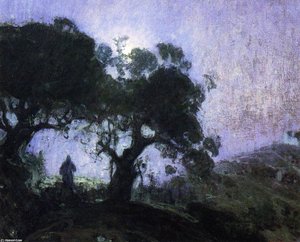
11Mountain Landscape, Highlands, North Carolina (1889) autorstwa Henry Ossawa TannerMountain Landscape, Highlands, North Carolina1889 12LE CHRIST ET SES DISCIPLES SUR LA ROUTE DE BETHANIE autorstwa Henry Ossawa TannerLE CHRIST ET SES DISCIPLES SUR LA ROUTE DE BETHANIE 13The Destruction of Sodom and Gomorrah (1928) autorstwa Henry Ossawa TannerThe Destruction of Sodom and Gomorrah1928 · High Museum of Art 14Untitled (Nocturnal Landscape) (1901) autorstwa Henry Ossawa TannerUntitled (Nocturnal Landscape)1901 · Herbert F. Johnson Museum of Art 15The Witch Hunt (1882) autorstwa Henry Ossawa TannerThe Witch Hunt1882 16Sister Sarah (1881) autorstwa Henry Ossawa TannerSister Sarah1881 17Study of a Negro Man (1891) autorstwa Henry Ossawa TannerStudy of a Negro Man1891 18Spinning By Firelight (1894) autorstwa Henry Ossawa TannerSpinning By Firelight1894 19Study of an Arab, (painting) (1897) autorstwa Henry Ossawa TannerStudy of an Arab, (painting)1897 20Portrait of the Artist's Mother (1897) autorstwa Henry Ossawa TannerPortrait of the Artist's Mother1897 · Philadelphia Museum of Art 21Study for the Young Sabot Maker (1893) autorstwa Henry Ossawa TannerStudy for the Young Sabot Maker1893 22Christ at the Home of Mary and Martha, (painting) (1905) autorstwa Henry Ossawa TannerChrist at the Home of Mary and Martha, (painting)1905 23The Savior, (painting) (1905) autorstwa Henry Ossawa TannerThe Savior, (painting)1905 24Abraham's Oak (1905) autorstwa Henry Ossawa TannerAbraham's Oak1905 25Gateway Tangier (1910) autorstwa Henry Ossawa TannerGateway Tangier1910 26Street in Tangier (1910) autorstwa Henry Ossawa TannerStreet in Tangier1910 · Smithsonian American Art Museum 27Portrait of Booker T. Washington (1917) autorstwa Henry Ossawa TannerPortrait of Booker T. Washington1917 28The Good Shepherd (1917) autorstwa Henry Ossawa TannerThe Good Shepherd1917 · Crystal Bridges Museum of American Art 29Fishermen at Sea, (painting) (1913) autorstwa Henry Ossawa TannerFishermen at Sea, (painting)1913 30Fishermen's Return (1926) autorstwa Henry Ossawa TannerFishermen's Return1926 31The Good Shepherd (1930) autorstwa Henry Ossawa TannerThe Good Shepherd1930 32Two Disciples at the Tomb (1905) autorstwa Henry Ossawa TannerTwo Disciples at the Tomb1905 · Art Institute of Chicago 33Haystacks (1930) autorstwa Henry Ossawa TannerHaystacks1930 · Smithsonian American Art Museum 34The Young Sabot Maker (1895) autorstwa Henry Ossawa TannerThe Young Sabot Maker1895 · Nelson-Atkins Museum of Art 35Return of the Holy Women (1904) autorstwa Henry Ossawa TannerReturn of the Holy Women1904 36Head of a Jew in Palestine (1899) autorstwa Henry Ossawa TannerHead of a Jew in Palestine1899 · Smithsonian American Art Museum 37Fauna (1878) autorstwa Henry Ossawa TannerFauna1878 38Study for The Jews' Wailing Place (1897) autorstwa Henry Ossawa TannerStudy for The Jews' Wailing Place1897 · Rhode Island School of Design Museum of Art 39Le Touquet (1910) autorstwa Henry Ossawa TannerLe Touquet1910 40Study for The Young Sabot Maker (1894) autorstwa Henry Ossawa TannerStudy for The Young Sabot Maker1894 41Palace of Justice, Tangier (1912) autorstwa Henry Ossawa TannerPalace of Justice, Tangier1912 42Study for The Annunciation (1898) autorstwa Henry Ossawa TannerStudy for The Annunciation1898 43Mary (1914) autorstwa Henry Ossawa TannerMary1914 · Smithsonian American Art Museum 44The Good Shepherd (1917) autorstwa Henry Ossawa TannerThe Good Shepherd1917 45The Seine (1902) autorstwa Henry Ossawa TannerThe Seine1902 · National Gallery of Art 46War Scene, Etaples, France (1914) autorstwa Henry Ossawa TannerWar Scene, Etaples, France1914 47Mountain Landscape, Highlands, North Carolina (1889) autorstwa Henry Ossawa TannerMountain Landscape, Highlands, North Carolina1889 · Smithsonian American Art Museum 48Christ at the Home of Mary and Martha (1905) autorstwa Henry Ossawa TannerChrist at the Home of Mary and Martha1905 49The Good Shepherd (Atlas Mountains, Morocco) (1930) autorstwa Henry Ossawa TannerThe Good Shepherd (Atlas Mountains, Morocco)1930 · Smithsonian American Art Museum 50Miraculous Haul of Fishes (1913) autorstwa Henry Ossawa TannerMiraculous Haul of Fishes1913 · National Academy of Design 51Seascape - Jetty (1876) autorstwa Henry Ossawa TannerSeascape - Jetty1876 52Seascape - Jetty (1876) autorstwa Henry Ossawa TannerSeascape - Jetty1876 53Harbor Scene (1876) autorstwa Henry Ossawa TannerHarbor Scene1876 54The Laundress (1880) autorstwa Henry Ossawa TannerThe Laundress1880 55Sand Dunes at Sunset, Atlantic City (1885) autorstwa Henry Ossawa TannerSand Dunes at Sunset, Atlantic City1885 56Ship in a Storm (1879) autorstwa Henry Ossawa TannerShip in a Storm1879 57Study for Androcles (1885) autorstwa Henry Ossawa TannerStudy for Androcles1885 58Lion Licking Its Paw (1886) autorstwa Henry Ossawa TannerLion Licking Its Paw1886 59Wynkoop House, Old Haarlem (1888) autorstwa Henry Ossawa TannerWynkoop House, Old Haarlem1888 · New Britain Museum of American Art 60Concarneau (1891) autorstwa Henry Ossawa TannerConcarneau1891 61Sand Dunes at Sunset, Atlantic City (1886) autorstwa Henry Ossawa TannerSand Dunes at Sunset, Atlantic City1886 62Untitled Landscape (1889) autorstwa Henry Ossawa TannerUntitled Landscape1889 63Georgia Landscape (1889) autorstwa Henry Ossawa TannerGeorgia Landscape1889 64Mountain Landscape, Highlands, North Carolina (1889) autorstwa Henry Ossawa TannerMountain Landscape, Highlands, North Carolina1889 65Study for The Bagpipe Lesson (1892) autorstwa Henry Ossawa TannerStudy for The Bagpipe Lesson1892 66Horse and Two Dogs in a Landscape (1891) autorstwa Henry Ossawa TannerHorse and Two Dogs in a Landscape1891 67Highlands, N.C (1889) autorstwa Henry Ossawa TannerHighlands, N.C1889 · Smithsonian American Art Museum 68Study for the Young Sabot Maker (1895) autorstwa Henry Ossawa TannerStudy for the Young Sabot Maker1895 · Smithsonian American Art Museum 69Study for the Bagpipe Lesson (1892) autorstwa Henry Ossawa TannerStudy for the Bagpipe Lesson1892 · Smithsonian American Art Museum 70Kansas City, Kansas (1898) autorstwa Henry Ossawa TannerKansas City, Kansas1898 · Smithsonian American Art Museum 71The Annunciation to the Shepherds (1895) autorstwa Henry Ossawa TannerThe Annunciation to the Shepherds1895 72Lion Drinking (1897) autorstwa Henry Ossawa TannerLion Drinking1897 73Florida (1894) autorstwa Henry Ossawa TannerFlorida1894 74Lions in the Desert (1897) autorstwa Henry Ossawa TannerLions in the Desert1897 75View of the Seine Looking toward Notre Dame (1896) autorstwa Henry Ossawa TannerView of the Seine Looking toward Notre Dame1896 76A Mosque in Cairo (1897) autorstwa Henry Ossawa TannerA Mosque in Cairo1897 77Spinning by Firelight - The Boyhood of George Washington Gray (1894) autorstwa Henry Ossawa TannerSpinning by Firelight - The Boyhood of George Washington Gray1894 · Yale University Art Gallery 78A View in Palestine (1898) autorstwa Henry Ossawa TannerA View in Palestine1898 79Edge of the Forest (1893) autorstwa Henry Ossawa TannerEdge of the Forest1893 80Florida (1894) autorstwa Henry Ossawa TannerFlorida1894 81Crossing the Atlantic (Return Home) (1894) autorstwa Henry Ossawa TannerCrossing the Atlantic (Return Home)1894 · Smithsonian American Art Museum 82And He Disappeared out of Their Sight (1898) autorstwa Henry Ossawa TannerAnd He Disappeared out of Their Sight1898 · Smithsonian American Art Museum 83Study for the Annunciation (1898) autorstwa Henry Ossawa TannerStudy for the Annunciation1898 · Smithsonian American Art Museum 84Untitled (1901) autorstwa Henry Ossawa TannerUntitled1901 · El Paso Museum of Art 85Job and His Three Friends (1904) autorstwa Henry Ossawa TannerJob and His Three Friends1904 86The Good Shepherd (1902) autorstwa Henry Ossawa TannerThe Good Shepherd1902 · Zimmerli Art Museum at Rutgers University 87Night (1905) autorstwa Henry Ossawa TannerNight1905 88The Savior (1905) autorstwa Henry Ossawa TannerThe Savior1905 · Smithsonian American Art Museum 89Study for Nicodemus Visiting Jesus (1899) autorstwa Henry Ossawa TannerStudy for Nicodemus Visiting Jesus1899 90Head of a Jew in Palestine (1899) autorstwa Henry Ossawa TannerHead of a Jew in Palestine1899 91Gateway, Tangier (1910) autorstwa Henry Ossawa TannerGateway, Tangier1910 · Smithsonian American Art Museum 92The Holy Family (1909) autorstwa Henry Ossawa TannerThe Holy Family1909 · Muskegon Museum of Art 93Midday, Tangiers (1910) autorstwa Henry Ossawa TannerMidday, Tangiers1910 94The Flight into Egypt (1907) autorstwa Henry Ossawa TannerThe Flight into Egypt1907 · Cincinnati Art Museum 95Le Tonquet, (painting) autorstwa Henry Ossawa TannerLe Tonquet, (painting) 96In Constantine (1908) autorstwa Henry Ossawa TannerIn Constantine1908 97Rebecca (Another Subject, Unfinished, on Reverse), (painting) autorstwa Henry Ossawa TannerRebecca (Another Subject, Unfinished, on Reverse), (painting) 98Fishermen's Devotions, Étaples (1910) autorstwa Henry Ossawa TannerFishermen's Devotions, Étaples1910 99Christ and His Desciples on the Sea of Galilee (1910) autorstwa Henry Ossawa TannerChrist and His Desciples on the Sea of Galilee1910 100Christ Learning to Read (1910) autorstwa Henry Ossawa TannerChrist Learning to Read1910

Słynne obrazy Henry Ossawa Tanner epoka po epoce

Tematy, które przyciągnęły wzrok Henry Ossawa Tanner

Cztery motywy najczęściej powracające w tych oryginałach, z których każdy doczekał się swojego najdoskonalszego przykładu.

Muzea przechowujące oryginały Henry Ossawa Tanner

8 muzeów, w których znajduje się najwięcej obrazów z tej strony.

Muzea Miasto Dzieła artysty Henry Ossawa Tanner Obrazy z tej listy
Smithsonian American Art Museum, WaszyngtonSmithsonian American Art Museum Waszyngton 45 Street in Tangier, Haystacks, Head of a Jew in Palestine
Musée d'Orsay, ParyżMusée d'Orsay Paryż 4 The Pilgrims of Emmaus, The Resurrection of Lazarus
Herbert F. Johnson Museum of Art, IthacaHerbert F. Johnson Museum of Art Ithaca 2 Return of the Fisherman, Untitled (Nocturnal Landscape)
Philadelphia Museum of Art, FiladelfiaPhiladelphia Museum of Art Filadelfia 4 Portrait of the Artist's Mother
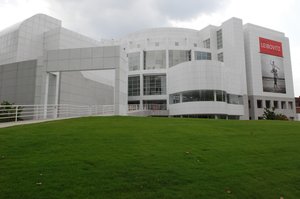
High Museum of Art, AtlantaHigh Museum of Art Atlanta 3 The Destruction of Sodom and Gomorrah
Museum of Fine Arts, BostonMuseum of Fine Arts Boston 2 Interior of a Mosque, Cairo
National Gallery of Art, WaszyngtonNational Gallery of Art Waszyngton 2 The Seine
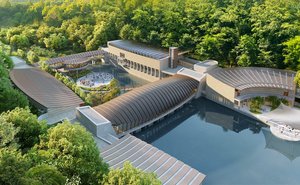
Crystal Bridges Museum of American Art, BentonvilleCrystal Bridges Museum of American Art Bentonville 1 The Good Shepherd

Henry Ossawa Tanner, jedno kultowe dzieło na dekadę

Dzieła według dekad

Wybierz dekadę, aby zobaczyć dzieło, które ją definiuje.

Obrazy artysty Henry Ossawa Tanner: odpowiedzi galerii

Który obraz Henry Ossawa Tanner jest najsłynniejszy ze wszystkich?Odkryj odpowiedź

The Pilgrims of Emmaus (1905), Musée d'Orsay, Paryż. Następne są The Resurrection of Lazarus (1896) oraz Interior of a Mosque, Cairo (1897).

Ile lat miał Henry Ossawa Tanner, gdy ukończył The Pilgrims of Emmaus?Odkryj odpowiedź

46 lat: The Pilgrims of Emmaus pochodzi z 1905, a Henry Ossawa Tanner urodził(a) się w 1859.

Które to 10 najlepszych obrazów Henry Ossawa Tanner?Odkryj odpowiedź

The Pilgrims of Emmaus, The Resurrection of Lazarus, Interior of a Mosque, Cairo, The House of Joan of Arc (Domrémy), The Sleeping Disciples (also known as Christ in the Garden of Gethsemane), The Good Shepherd, Return of the Fisherman, The Man Who Rented Boats, Two Disciples at the Tomb i Mary (also known as La Sainte-Marie). Powyższy ranking zawiera rok powstania oraz muzeum dla każdego z nich.

Ile dzieł stworzył/a Henry Ossawa Tanner?Odkryj odpowiedź

Nasz katalog zawiera 200 dzieł artysty Henry Ossawa Tanner, datowanych od 1876 do 1930.

Gdzie można znaleźć najsłynniejsze oryginały autorstwa Henry Ossawa Tanner?Odkryj odpowiedź

W większości znajdują się w Smithsonian American Art Museum (Waszyngton), Musée d'Orsay (Paryż) i Herbert F. Johnson Museum of Art (Ithaca). Powyższa tabela muzeów zawiera ich pełną listę.

Kiedy Henry Ossawa Tanner stworzył swoje najsłynniejsze obrazy?Odkryj odpowiedź

W 1890s: 34 z 100 dzieł na tej stronie powstało w tym czasie, w tym The Resurrection of Lazarus.

Które z najsłynniejszych dzieł Henry Ossawa Tanner należą do jego najwcześniejszych i najpóźniejszych prac?Odkryj odpowiedź

Na tej stronie najwcześniejszy to Seascape - Jetty (1876), a najpóźniejszy The Good Shepherd (1930).

Do jakich tematów Henry Ossawa Tanner powracał najczęściej?Odkryj odpowiedź

Landscape (9), Portrait (7) i American art (6), w ramach 100 dzieł na tej stronie.

W jakiej technice najczęściej tworzył Henry Ossawa Tanner?Odkryj odpowiedź

Oil On Canvas, dla 25 z 100 dzieł na tej stronie.

Z jakim nurtem związany jest Henry Ossawa Tanner?Odkryj odpowiedź

Impressionism, sądząc po oryginałach na tej stronie.

Które oryginały artysty Henry Ossawa Tanner znajdują się w zbiorach Smithsonian American Art Museum?Odkryj odpowiedź

Street in Tangier, Haystacks i Head of a Jew in Palestine: Smithsonian American Art Museum, Waszyngton posiada 15 dzieł widocznych na tej stronie.

Henry Ossawa Tanner: artysta

Życie rozświetlone sztuką: Podróż Henry’ego Ossawy Tannera

Urodzony w 1859 roku w Pittsburghu, w Pensylwanii, Henry Ossawa Tanner wyłonił się z rodziny głęboko zakorzenionej w wierze i aktywizmie. Jego ojciec, Reverend Benjamin Tucker Tanner, był znaczącą postacią w Afroamerykańskim Kościele Metodystycznym Episkopalnym, podczas gdy jego matka, Sarah Elizabeth Tanner, niosła w sobie nieopowiedziane historie o ucieczce z niewoli za pośrednictwem Podziemnej Kolei. To dziedzictwo zaszczepiło w młodym Henrym głębokie poczucę tożsamości i celu, które przeniknęły jego wizję artystyczną. Od najmłodszych lat wykazywał on wielkie zainteresowanie sztuką, pielęgnowane przez obserwacje lokalnych malarzy i wspierane pomimo barier społecznych, z jakimi mierzyli się afroamerykańscy artyści tamtej epoki. Przeprowadzka jego rodziny do Filadelfii okazała się kluczowa, wystawiając go na kontakt z tętniącym życiem krajobrazem kulturowym i przygotowując grunt pod formalne kształcenie w Pennsylvania Academy of the Fine Arts w 1879 roku. Tam, pod okiem Thomasa Eakinsa – rewolucyjnej postaci opowiadającej się za realizmem i studiami anatomicznymi – Tanner doskonalił swoje umiejętności techniczne i rozwijał niezachwiane oddanie chwytaniu prawdy na płótnie. Jednak nawet w murach akademii napotykał uprzedzenia, będące nieustannym przypomnieniem o wyzwaniach, które czekały go w przyszłości.

Paryskie przebudzenie: Odnalezienie głosu i uznania

Przełom nastąpił w ط1891 roku, kiedy Tanner wyruszył do Paryża, początkowo traktując tę podróż jako przystanek na drodze do dalszych studiów w Rzymie. Jednak urok francuskiej stolicy okazał się nieodparty. Zapisał się do Académie Julian, zanurzając się w prężnej społeczności artystycznej miasta i chłonąc wpływy francuskiego malarstwa akademickiego oraz rodzącego się impresjonizmu. To właśnie w Paryżu Tanner naprawdę odnalazł swój głos, uwolniony od niektórych ograniczeń narzucanych przez rasowe uprzedzenia w ojczyźnie. Jego twórczość zaczęła rezonować z europejską publicznością, wyróżniając się charakterystycznym realizmem przesyconym duchową głębią. Przyjęcie obrazu Daniel w lwich jamie na prestiżowy Salon w 1896 roku było momentem przełomowym – potężnym potwierdzeniem jego talentu i sukcesem afroamerykańskiego artysty na arenie międzynarodowej. Ten sukces otworzył drzwi do kolejnych wystaw i zleceń, ugruntowując pozycję Tannera jako szanowanej postaci w paryskich kręgach artystycznych. Nie tylko przetrwał w tym świecie; on rozkwitał, rzucając wyzwanie oczekiwaniom i torując drogę przyszłym pokoleniom.

Tematy wiary i człowieczeństwa: Unikalna wizja artystyczna

Twórczość Tannera charakteryzuje się fascynującą grą między realizmem, symboliką religijną a intymnym przedstawieniem ludzkiego doświadczenia. Podczas gdy wczesne dzieła, takie jak Lekcja gry na banjo (1893), oferowały godne reprezentacje życia Afroamerykanów – stanowiąc jaskrawy kontrast wobec ówczesnych karykatur – artysta coraz częściej zwracał się ku narracitm biblijnym jako metodzie eksploracji uniwersalnych tematów wiary, cierpienia i odkupienia. Obrazy takie jak Chrystus idący po wodzie, Zmartwychwstanie Łazarza czy Dobry Pasterz nie są jedynie ilustracjami pisma świętego; to głębokie medytacje nad duchowością, oddane z mistrzowską kontrolą światła, kompozycji i emocjonalnego niuansu. Często nasycał swoje sceny religijne poczuciem cichej kontemplacji, przedstawiając Chrystusa jako postać głęboko ludzką, a nie odległe bóstwo. Takie podejście rezonowało z odbiorcami szukającymi ukojenia i sensu w szybko zmieniającym się świecie. Poza tematami biblijnymi Tanner eksplorował także krajobrazy i widoki panoramiczne – jak rozległy Widok panoramiczny Pałacu i Ogrodów Wersalu – demonstrując swoją wszechstronność i biegłość techniczną.

Dziedzictwo i trwały wpływ: Przełamywanie barier i inspirowanie pokoleń

Henry Ossawa Tanner pozostaje monumentalną postacią w historii sztuki amerykańskiej, nie tylko ze względu na swoje osiągnięcia artystyczne, ale także dzięki pionierskiej roli w przełamywaniu barier rasowych. Był pierwszym afroamerykańskim malarzem, który zdobył szerokie międzynarodowe uznanie, rzucając wyzwanie stereotypom i otwierając drzwi dla niezliczonych artystów, którzy podążyli jego śladami. Jego sukces przeczył oczekiwaniom i udowodnił, że talent nie zna koloru skóry. Wpływ Tannera wykracza poza sferę sztuki; stał się on symbolem nadziei i odporności dla społeczności afroamerykańskiej, dowodząc, że doskonałość może zwyciężyć nad przeciwnościami losu. W 1923 roku został uhonorowany tytułem kawalera Legii Honorowej przez rząd francuski, a w 1927 roku uzyskał pełne członkostwo w National Academy of Design – co stanowi dalsze świadectwa jego artystycznej rangi. Choć przez większą część swojej kariery pozostawał na emigracji, Tanner nigdy nie zapomniał o swoich korzeniach, kontynuując walkę o równość i inspirowanie zmian poprzez swoją sztukę. Zmarł w Paryżu w 1937 roku, pozostawiając po sobie dziedzictwo, które do dziś rozświetla drogę i wzmacnia artystów. Jego twórczość pozostaje potężnym przypomnieniem o transformującej mocy sztuki i niezniszczalności ludzkiego ducha.

Najważniejsze dzieła

  • Lekcja gry na banjo (1893): Poruszający obraz życia Afroamerykanów, ukazujący godność i kunszt.
  • Daniel w lwich jamie (1896): Obraz, który wyniósł Tannera do międzynarodowej sławy.
  • Zmartwychwstanie Łazarza (1897): Mistrzowska eksploracja wiary i odkupienia, ceniona za dramatyczne operowanie światłem.
  • Zwiastowanie (1898): Unikalna interpretacja sceny biblijnej, przesycona duchem cichej kontemplacji.
  • Chrystus idący po wodzie (ok. 1910): Potężne i sugestywne przedstawienie kluczowego momentu z pism chrześcijańskich.