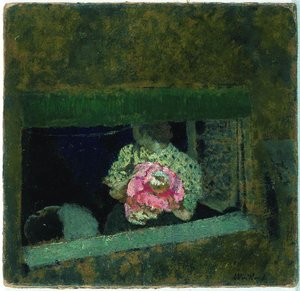
Portret Jean-Édouard Vuillard

100 najsłynniejszych obrazów artysty Jean-Édouard Vuillard, każdy niepowtarzalny

Aktualizacja: Listopad 2026 · ranking według naszego wskaźnika popularności (liczba wyszukiwań, wizyt i zamówień dla każdego dzieła) · 603 dzieł Jean-Édouard Vuillard w naszym katalogu

W skrócie

The Gilded Chair, Madame George Feydeau and Her Son (1906) to obraz autorstwa Jean-Édouard Vuillard, który przyciąga najwięcej spojrzeń; oryginał znajduje się w Virginia Museum of Fine Arts, Richmond. Następnie wzrok kieruje się na Flowers on a fireplace in Clayes (1935) i Portrait of Madame Frantz Jourdain (1914). Spośród 603 dzieł Jean-Édouard Vuillard w naszym katalogu, tych 100 jest najbardziej znanych – każde z nich to unikatowy oryginał, przedstawiony wraz z rokiem powstania, muzeum oraz powodem, dla którego przetrwało próbę czasu.

1868 – 1940, Cuiseaux Post-impressionism Najwięcej dzieł: Metropolitan Museum of Art

10 najlepszych obrazów autorstwa Jean-Édouard Vuillard według oka galerii

1
The Gilded Chair, Madame George Feydeau and Her Son (1906) autorstwa Jean-Édouard Vuillard

The Gilded Chair, Madame George Feydeau and Her Son

1906 · Oil On Panel · Virginia Museum of Fine Arts, Richmond

The painting depicts a domestic interior featuring a woman seated in a chair, with her son positioned nearby. The scene is set within a living space that includes a fireplace, which contributes to the warmth of the environment. The room is furnished with various items, including several chairs and couches, creating a cozy atmosphere. Decorative elements are scattered throughout the space, such as multiple vases and a clock mounted on…

2
Flowers on a fireplace in Clayes (1935) autorstwa Jean-Édouard Vuillard

Flowers on a fireplace in Clayes

1935 · Oil On Canvas

Introduction to the Painting Jean Edouard Vuillard's "Flowers on a Fireplace in Clayes" is a beautiful representation of a room with a yellow wall and a window. The painting, created in 1935, measures 102 x 90 cm and is classified under the Post-Impressionism art movement. Artistic Style and Movement Post-Impressionism was a predominantly French art movement that developed roughly between 1886 and 1905. It emerged as a reaction against Impressionists'…

3
Portrait of Madame Frantz Jourdain (1914) autorstwa Jean-Édouard Vuillard

Portrait of Madame Frantz Jourdain

1914 · Mixed Technique · Petit Palais, Paryż

The room holds its breath. An elderly woman sits at her desk, her presence a soft weight within the domestic stillness of a 1914 interior. She is a figure of quiet solitude, her form partially dissolving into the very atmosphere of the space. Light spills from an unseen source to the right, brushing against the edge of the desk and illuminating the gentle contours of her face. There is a…

4
Interior with Work Table (also known as The Suitor) (1893) autorstwa Jean-Édouard Vuillard

Interior with Work Table (also known as The Suitor)

1893

A Glimpse into Intimate Parisian Life: Jean-Édouard Vuillard’s “Interior with Work Table” Jean-Édouard Vuillard's 1893 masterpiece, “Interior with Work Table” (also known as "The Suitor"), offers a captivating window into the private world of late 19th-century Parisian society. The painting depicts a subtly charged encounter between a woman in an elegant dress and a seated man, seemingly engaged in work at a table draped with a striking blue cloth. This…

5
Sunlit Interior: Madame Vuillard's Room at La Closerie des Genêts (1921) autorstwa Jean-Édouard Vuillard

Sunlit Interior: Madame Vuillard's Room at La Closerie des Genêts

1921

A Glimpse into Intimate Domesticity: Vuillard’s Sunlit Interior Jean-Édouard Vuillard's *Sunlit Interior: Madame Vuillard's Room at La Closerie des Genêts* (1921) offers a captivating window into the private world of a woman within her personal space. This painting isn’t merely a depiction of a room; it is an evocation of mood, memory, and the quiet rhythms of daily life. The scene unfolds with a deliberate intimacy, inviting viewers to share…

6
The Room (1899) autorstwa Jean-Édouard Vuillard

The Room

1899 · Oil

Created in 1899, The Room is a post-impressionist work by Édouard Vuillard. The painting captures a domestic interior, presenting a living room where several individuals are gathered around a dining table. At least five people occupy the space, some seated in chairs and others positioned on couches or standing. A potted plant sits near the upper right corner, while a vase rests upon the central table.

7
Man Reading (1890) autorstwa Jean-Édouard Vuillard

Man Reading

1890 · Musée d'Orsay, Paryż

A Quiet Moment: Delving into Vuillard’s “Man Reading” Jean-Édouard Vuillard's 1890 oil on panel, “Man Reading,” is a captivating example of Post-Impressionism, offering a glimpse into the intimate world of late 19th-century Parisian life. Measuring just 35 x 19 cm and currently residing at the Musée d’Orsay, this seemingly simple scene reveals layers of artistic innovation and emotional resonance. Vuillard, alongside artists like Pierre Bonnard, formed the core of *Les…

8
Sewing Party at Loctudy (1912) autorstwa Jean-Édouard Vuillard

Sewing Party at Loctudy

1912 · Oil On Canvas · Legion of Honor, San Francisco

In this 1912 composition, we find ourselves in a sun-drenched veranda or courtyard overlooking Loctudy Bay in Brittany. The scene captures a fleeting moment of domestic life, where a group of figures—women seated around a table and children playing—are immersed in quiet conversation and activity. There is an organic asymmetry to the arrangement, a deliberate departure from formal balance that allows the viewer to feel as though they have stumbled…

9
Interior (1900) autorstwa Jean-Édouard Vuillard

Interior

1900 · Oil On Canvas · Metropolitan Museum of Art, Nowy Jork

A hush settles over the room, thick and heavy like the air in a sun-drenched parlor at midday. A woman sits, her presence anchored in a space where the boundaries between person and place begin to dissolve. She wears a blouse of deep, startling red, a sudden pulse of color amidst a sea of muted earth tones. Around her, the world is a dense collection of shapes—the curve of a…

10
Portrait of Thaddeus Natanson in chair (1906) autorstwa Jean-Édouard Vuillard

Portrait of Thaddeus Natanson in chair

1906 · Oil · Musée d'Orsay, Paryż

Thaddeus Natanson sits reclined in a dark armchair, absorbed in a book or newspaper. The scene is a domestic interior, rendered with a dense, textured application of paint that prioritizes tactile presence over sharp outlines. A muted palette of warm ochres, browns, creams, and deep blacks defines the space, creating a somber, cozy atmosphere. The composition is structured through the layering of objects, from the foreground rug to the background…

Słynne obrazy artysty Jean-Édouard Vuillard, od 11 do 100

11Dr. George Viau in his dental office (1914) autorstwa Jean-Édouard VuillardDr. George Viau in his dental office1914 · Musée d'Orsay 12Madame Bonnard (1900) autorstwa Jean-Édouard VuillardMadame Bonnard1900 · National Gallery of Art 13Madame Vuillard in Profile (1888) autorstwa Jean-Édouard VuillardMadame Vuillard in Profile1888 · Art Institute of Chicago 14Mme Vuillard Sewing by the Window, rue Truffaut (1899) autorstwa Jean-Édouard VuillardMme Vuillard Sewing by the Window, rue Truffaut1899 · Metropolitan Museum of Art 15Portrait of Madame Guerin (1916) autorstwa Jean-Édouard VuillardPortrait of Madame Guerin1916 · Art Institute of Chicago 16The Salon of Madame Aron (1912) autorstwa Jean-Édouard VuillardThe Salon of Madame Aron1912 17Woman Reading in the Reeds, Saint Jacut de la mer (1909) autorstwa Jean-Édouard VuillardWoman Reading in the Reeds, Saint Jacut de la mer1909 · Fitzwilliam College 18Self-Portrait with Cane and Straw Hat (1891) autorstwa Jean-Édouard VuillardSelf-Portrait with Cane and Straw Hat1891 19Figures in an Interior: Intimacy (1896) autorstwa Jean-Édouard VuillardFigures in an Interior: Intimacy1896 · Petit Palais 20Figures in an Interior: Music (1896) autorstwa Jean-Édouard VuillardFigures in an Interior: Music1896 · Petit Palais 21Woman in Profile Wearing a Green Hat (1890) autorstwa Jean-Édouard VuillardWoman in Profile Wearing a Green Hat1890 · Musée d'Orsay 22Mme Henri-Xavier Fontaine (1927) autorstwa Jean-Édouard VuillardMme Henri-Xavier Fontaine1927 · Metropolitan Museum of Art 23Madame Lucien Sauphar, Seated in Her Salon (1926) autorstwa Jean-Édouard VuillardMadame Lucien Sauphar, Seated in Her Salon1926 24Repast in a Garden (1898) autorstwa Jean-Édouard VuillardRepast in a Garden1898 · National Gallery of Art 25At Table (1893) autorstwa Jean-Édouard VuillardAt Table1893 · Metropolitan Museum of Art 26Woman Seated on a Sofa (also known as The Dressing-Room, Madame Hessel Reading at Amfréville) (1906) autorstwa Jean-Édouard VuillardWoman Seated on a Sofa (also known as The Dressing-Room, Madame Hessel Reading at Amfréville)1906 · Art Institute of Chicago 27Woman by the Window (1898) autorstwa Jean-Édouard VuillardWoman by the Window1898 · Aichi Prefectural Museum of Art 28The Art Dealers (1912) autorstwa Jean-Édouard VuillardThe Art Dealers1912 · McNay Art Museum 29Woman in the garden. (1891) autorstwa Jean-Édouard VuillardWoman in the garden.1891 · Muzeum Narodowe w Warszawie 30Woman Seated in an Armchair (1898) autorstwa Jean-Édouard VuillardWoman Seated in an Armchair1898 31The Public Gardens - The Nursemaids (1894) autorstwa Jean-Édouard VuillardThe Public Gardens - The Nursemaids1894 32The Chestnuts (1895) autorstwa Jean-Édouard VuillardThe Chestnuts1895 · Dallas Museum of Art 33The Public Gardens - Under the Trees (1894) autorstwa Jean-Édouard VuillardThe Public Gardens - Under the Trees1894 · Cleveland Museum of Art 34La chambre rose (The Pink Bedroom) (1911) autorstwa Jean-Édouard VuillardLa chambre rose (The Pink Bedroom)1911 · Scottish National Gallery of Modern Art 35In the Room (1903) autorstwa Jean-Édouard VuillardIn the Room1903 · Państwowe Muzeum Sztuki Dawnej im. A.S. Puškina 36Window overlooking the Woods (1899) autorstwa Jean-Édouard VuillardWindow overlooking the Woods1899 · Art Institute of Chicago 37The Voiles de Gênes Boudoir (1931) autorstwa Jean-Édouard VuillardThe Voiles de Gênes Boudoir1931 38Mlle Nathanson in the Artist's Studio (1912) autorstwa Jean-Édouard VuillardMlle Nathanson in the Artist's Studio1912 · Leeds Art Gallery 39Mme Vuillard in a Set Designer's Studio (1893) autorstwa Jean-Édouard VuillardMme Vuillard in a Set Designer's Studio1893 · Metropolitan Museum of Art 40Breton House (1909) autorstwa Jean-Édouard VuillardBreton House1909 41A l'Opéra [At the Opera] (1900) autorstwa Jean-Édouard VuillardA l'Opéra [At the Opera]1900 · National Gallery of Australia 42Woman Sweeping (1899) autorstwa Jean-Édouard VuillardWoman Sweeping1899 · The Phillips Collection 43APRES LE REPAS autorstwa Jean-Édouard VuillardAPRES LE REPASMusée d'Orsay 44'Le Grand Teddy' Tea-Room (1918) autorstwa Jean-Édouard Vuillard'Le Grand Teddy' Tea-Room1918 45Mme Bonnard with her dog at rue Drouai (1907) autorstwa Jean-Édouard VuillardMme Bonnard with her dog at rue Drouai1907 · National Gallery of Victoria 46The Vestibule at Saint Jacut de la mer (1909) autorstwa Jean-Édouard VuillardThe Vestibule at Saint Jacut de la mer1909 47The Luncheon (1895) autorstwa Jean-Édouard VuillardThe Luncheon1895 · Yale University Art Gallery 48The Cook (1892) autorstwa Jean-Édouard VuillardThe Cook1892 · National Gallery of Art 49The Small Drawing-Room: Mme Hessel at Her Sewing Table (1917) autorstwa Jean-Édouard VuillardThe Small Drawing-Room: Mme Hessel at Her Sewing Table1917 · Metropolitan Museum of Art 50Madame Hessel au Sofa (1908) autorstwa Jean-Édouard VuillardMadame Hessel au Sofa1908 · Walker Art Gallery 51The Cafe (1898) autorstwa Jean-Édouard VuillardThe Cafe1898 52Interior with Misia Natanson on the piano (1897) autorstwa Jean-Édouard VuillardInterior with Misia Natanson on the piano1897 · Staatliche Kunsthalle Karlsruhe 53Self-Portrait, Aged 21 (1889) autorstwa Jean-Édouard VuillardSelf-Portrait, Aged 211889 · Muzeum Narodowe w Warszawie 54Lady of Fashion (1891) autorstwa Jean-Édouard VuillardLady of Fashion1891 55Madame Vuillard's Sewing Workshop (1892) autorstwa Jean-Édouard VuillardMadame Vuillard's Sewing Workshop1892 56Self-Portrait (1890) autorstwa Jean-Édouard VuillardSelf-Portrait1890 57The Couple (1890) autorstwa Jean-Édouard VuillardThe Couple1890 · Collection Bemberg 58The Laundress (1892) autorstwa Jean-Édouard VuillardThe Laundress1892 · Cleveland Museum of Art 59Madame Arthur Fontaine (1904) autorstwa Jean-Édouard VuillardMadame Arthur Fontaine1904 60Interior with a Man Reading (1898) autorstwa Jean-Édouard VuillardInterior with a Man Reading1898 · Virginia Museum of Fine Arts 61Young Woman in Bed (1894) autorstwa Jean-Édouard VuillardYoung Woman in Bed1894 · Brooklyn Museum 62Woman Sweeping at 346 rue Saint-Honoré (1895) autorstwa Jean-Édouard VuillardWoman Sweeping at 346 rue Saint-Honoré1895 · Cleveland Museum of Art 63The Public Gardens - First Steps (1894) autorstwa Jean-Édouard VuillardThe Public Gardens - First Steps1894 64Valloton in Natanson (1897) autorstwa Jean-Édouard VuillardValloton in Natanson1897 65Woman Reading on a Bench (1898) autorstwa Jean-Édouard VuillardWoman Reading on a Bench1898 66The Dining Room (1902) autorstwa Jean-Édouard VuillardThe Dining Room1902 · Bawarskie Państwowe Zbiory Malarstwa 67Interior with Woman (1905) autorstwa Jean-Édouard VuillardInterior with Woman1905 · Bawarskie Państwowe Zbiory Malarstwa 68two women sitting at a table (1900) autorstwa Jean-Édouard Vuillardtwo women sitting at a table1900 · Museum collection Am Römerholz 69Young Woman Trying on a Hat (1900) autorstwa Jean-Édouard VuillardYoung Woman Trying on a Hat1900 · Virginia Museum of Fine Arts 70Ker-Xavier Roussel Reading (1904) autorstwa Jean-Édouard VuillardKer-Xavier Roussel Reading1904 · Saint Louis Art Museum 71Woman at the Window (1897) autorstwa Jean-Édouard VuillardWoman at the Window1897 · Muzeum Izraela 72At the Board Game (1902) autorstwa Jean-Édouard VuillardAt the Board Game1902 · Städel Museum 73Red Interior (1902) autorstwa Jean-Édouard VuillardRed Interior1902 · Barnes Foundation 74Madame Hessel at Home (1908) autorstwa Jean-Édouard VuillardMadame Hessel at Home1908 · Museum of Fine Arts 75Nude on a Chair (Nu à la chaise) (1904) autorstwa Jean-Édouard VuillardNude on a Chair (Nu à la chaise)1904 · Los Angeles County Museum of Art 76Knitting Woman in Pink Dress (1900) autorstwa Jean-Édouard VuillardKnitting Woman in Pink Dress1900 · Museum Boijmans Van Beuningen 77At the Revue Blanche (Portrait of Félix Fénéon) (1901) autorstwa Jean-Édouard VuillardAt the Revue Blanche (Portrait of Félix Fénéon)1901 · Solomon R. Guggenheim Museum 78Nude woman sitting on a sofa (1903) autorstwa Jean-Édouard VuillardNude woman sitting on a sofa1903 79In the Red Room (1905) autorstwa Jean-Édouard VuillardIn the Red Room1905 80Nude in the Studio (1902) autorstwa Jean-Édouard VuillardNude in the Studio1902 81The Terrace at Vasouy: Luncheon (1901) autorstwa Jean-Édouard VuillardThe Terrace at Vasouy: Luncheon1901 82Sunny Morning, Lucy Hessel and Denise Natanson in the Garden at Les Pavillons, Villerville (1910) autorstwa Jean-Édouard VuillardSunny Morning, Lucy Hessel and Denise Natanson in the Garden at Les Pavillons, Villerville1910 83Standing Nude at the Studio (1909) autorstwa Jean-Édouard VuillardStanding Nude at the Studio1909 · Hiroshima Museum of Art 84Self-portrait (1906) autorstwa Jean-Édouard VuillardSelf-portrait1906 · Arp Museum Bahnhof Rolandseck 85Self-Portrait (1906) autorstwa Jean-Édouard VuillardSelf-Portrait1906 · Foundation E.G. Bührle Collection 86Woman in Green (1909) autorstwa Jean-Édouard VuillardWoman in Green1909 · Harvard Art Museums 87Jardin à l.Étang-la-Ville (1908) autorstwa Jean-Édouard VuillardJardin à l.Étang-la-Ville1908 88Le repas (1911) autorstwa Jean-Édouard VuillardLe repas1911 · Birmingham Museum and Art Gallery 89Madame Vuillard Arranging Her Hair (1900) autorstwa Jean-Édouard VuillardMadame Vuillard Arranging Her Hair1900 · The Barber Institute of Fine Arts 90Lucy Hessel (1912) autorstwa Jean-Édouard VuillardLucy Hessel1912 · Królewskie Muzeum Sztuk Pięknych Antwerpia 91Woman in the Studio (1912) autorstwa Jean-Édouard VuillardWoman in the Studio1912 · Wallraf-Richartz-Museum 92Lacing the Ankle Boots (1917) autorstwa Jean-Édouard VuillardLacing the Ankle Boots1917 · Cincinnati Art Museum 93Sketch for 'Mme Jean Trarieux and her Daughters' (1912) autorstwa Jean-Édouard VuillardSketch for 'Mme Jean Trarieux and her Daughters'1912 94Women Sewing (1912) autorstwa Jean-Édouard VuillardWomen Sewing1912 · National Gallery of Art 95Madame Vuillard reading the newspaper (1912) autorstwa Jean-Édouard VuillardMadame Vuillard reading the newspaper1912 96The model with the rose (1915) autorstwa Jean-Édouard VuillardThe model with the rose1915 97The Yellow Curtain (1893) autorstwa Jean-Édouard VuillardThe Yellow Curtain1893 · National Gallery of Art 98Three Women on a Sofa at Clos Cézanne (1921) autorstwa Jean-Édouard VuillardThree Women on a Sofa at Clos Cézanne1921 99Marie Holding a Bowl (1891) autorstwa Jean-Édouard VuillardMarie Holding a Bowl1891 100Madame Vuillard Sewing (1920) autorstwa Jean-Édouard VuillardMadame Vuillard Sewing1920 · Narodowe Muzeum Sztuki Zachodniej

Słynne obrazy Jean-Édouard Vuillard epoka po epoce

Tematy, które przyciągnęły wzrok Jean-Édouard Vuillard

Cztery motywy najczęściej powracające w tych oryginałach, z których każdy doczekał się swojego najdoskonalszego przykładu.

Muzea przechowujące oryginały Jean-Édouard Vuillard

8 muzeów, w których znajduje się najwięcej obrazów z tej strony.

Muzea Miasto Dzieła artysty Jean-Édouard Vuillard Obrazy z tej listy
Metropolitan Museum of Art, Nowy JorkMetropolitan Museum of Art Nowy Jork 16 Interior, Mme Vuillard Sewing by the Window, rue Truffaut, Mme Henri-Xavier Fontaine
Musée d'Orsay, ParyżMusée d'Orsay Paryż 30 Man Reading, Portrait of Thaddeus Natanson in chair, Dr. George Viau in his dental office
National Gallery of Art, WaszyngtonNational Gallery of Art Waszyngton 21 Madame Bonnard, Repast in a Garden, The Cook
Art Institute of Chicago, ChicagoArt Institute of Chicago Chicago 10 Madame Vuillard in Profile, Portrait of Madame Guerin, Woman Seated on a Sofa (also known as The Dressing-Room, Madame Hessel Reading at Amfréville)
Cleveland Museum of Art, ClevelandCleveland Museum of Art Cleveland 7 The Public Gardens - Under the Trees, The Laundress, Woman Sweeping at 346 rue Saint-Honoré
Petit Palais, ParyżPetit Palais Paryż 6 Portrait of Madame Frantz Jourdain, Figures in an Interior: Intimacy, Figures in an Interior: Music
Virginia Museum of Fine Arts, RichmondVirginia Museum of Fine Arts Richmond 5 The Gilded Chair, Madame George Feydeau and Her Son, Interior with a Man Reading, Young Woman Trying on a Hat
Bawarskie Państwowe Zbiory Malarstwa, MonachiumBawarskie Państwowe Zbiory Malarstwa Monachium 3 The Dining Room, Interior with Woman

Jean-Édouard Vuillard na przestrzeni dekad: jeden unikatowy oryginał dla każdego

Dzieła według dekad

Wybierz dekadę, aby zobaczyć dzieło, które ją definiuje.

Obrazy artysty Jean-Édouard Vuillard: pytania do galerii

Jakie jest najsłynniejsze dzieło artysty Jean-Édouard Vuillard?Odkryj odpowiedź

The Gilded Chair, Madame George Feydeau and Her Son (1906), Virginia Museum of Fine Arts, Richmond. Następne są Flowers on a fireplace in Clayes (1935) oraz Portrait of Madame Frantz Jourdain (1914).

W jakim wieku Jean-Édouard Vuillard stworzył/a The Gilded Chair, Madame George Feydeau and Her Son?Odkryj odpowiedź

38 lat: The Gilded Chair, Madame George Feydeau and Her Son pochodzi z 1906, a Jean-Édouard Vuillard urodził(a) się w 1868.

Które dziesięć obrazów Jean-Édouard Vuillard jest najbardziej znanych?Odkryj odpowiedź

The Gilded Chair, Madame George Feydeau and Her Son, Flowers on a fireplace in Clayes, Portrait of Madame Frantz Jourdain, Interior with Work Table (also known as The Suitor), Sunlit Interior: Madame Vuillard's Room at La Closerie des Genêts, The Room, Man Reading, Sewing Party at Loctudy, Interior i Portrait of Thaddeus Natanson in chair. Powyższy ranking zawiera rok powstania oraz muzeum dla każdego z nich.

Ile znanych dzieł stworzył Jean-Édouard Vuillard?Odkryj odpowiedź

Nasz katalog zawiera 603 dzieł artysty Jean-Édouard Vuillard, datowanych od 1888 do 1935.

Gdzie można zobaczyć najsłynniejsze oryginały Jean-Édouard Vuillard?Odkryj odpowiedź

W większości znajdują się w Metropolitan Museum of Art (Nowy Jork), Musée d'Orsay (Paryż) i National Gallery of Art (Waszyngton). Powyższa tabela muzeów zawiera ich pełną listę.

W jakim okresie Jean-Édouard Vuillard stworzył/a swoje najsłynniejsze obrazy?Odkryj odpowiedź

W 1890s: 37 z 100 dzieł na tej stronie powstało w tym czasie, w tym Interior with Work Table (also known as The Suitor).

Który z najsłynniejszych obrazów artysty Jean-Édouard Vuillard powstał najwcześniej, a który najpóźniej?Odkryj odpowiedź

Na tej stronie najwcześniejszy to Madame Vuillard in Profile (1888), a najpóźniejszy Flowers on a fireplace in Clayes (1935).

Jakie tematy preferował Jean-Édouard Vuillard?Odkryj odpowiedź

Woman (44), Interior (39) i Table (19), w ramach 100 dzieł na tej stronie.

Jakich materiałów Jean-Édouard Vuillard używał najczęściej?Odkryj odpowiedź

Oil On Canvas, dla 44 z 100 dzieł na tej stronie.

Do jakiego nurtu należy twórczość Jean-Édouard Vuillard?Odkryj odpowiedź

Post-impressionism, sądząc po oryginałach na tej stronie.

Jakie oryginały Jean-Édouard Vuillard można zobaczyć w Metropolitan Museum of Art?Odkryj odpowiedź

Interior, Mme Vuillard Sewing by the Window, rue Truffaut i Mme Henri-Xavier Fontaine: Metropolitan Museum of Art, Nowy Jork posiada 6 dzieł widocznych na tej stronie.

Jean-Édouard Vuillard: portret artysty

Wczesne lata, rodzina i kształcenie artystyczne

Jean-Édouard Vuillard urodził się 11 listopada 1868 roku w Cuiseaux we Francji. Jego dzieciństwo i młodość zostały ukształtowane przez ciche, pracowite rytmy domowego ogniska. Ojciec, emerytowany kapitan marynarki wojennej, przeszedł na służbę jako poborca podatkowy, podczas gdy jego matka, Marie Vuillard, pracowała jako szwaczka. To właśnie to domowe środowisko, zdefiniowane przez tekstury tkanin i skupioną pracę przy igle, w późniejszych latach nadało intymny charakter jego wizualnym obserwacjom.

Droga do profesjonalnego artyzmu nie była nagłym olśnieniem, lecz owocem serii wytrwałych starań. Po opuszczeniu Lycée, pragnął uciec przed potencjalną karierą wojskową, aby poświęcić się życiu malarza. Dołączył do pracowni Diogène Maillarta, mieszczącej się w dawnym miejscu pracy Eugène Delacroix na Place Fürstenberg. Ten okres studiów charakteryzował się rygorystycznym związkiem z ówczesnymi tradycjami akademickimi. W 1885 roku rozpoczął kursy w Académie Julian, a także często bywał w pracowniach William-Adolphe Bouguereau oraz Roberta-Fleury, aby doskonalić swoją technikę.

Jego formalne wykształcenie było naznaczone zarówno trudnościami, jak i ostatecznym sukcesem. Doświadczył niepowodzeń, gdy nie udało mu się dostać do École des Beaux-Arts ani w 1886, ani w 1887 roku. Jednak jego nieustępliwość w końcu przyniosła owoce, gdy w lipcu 1887 roku zdał egzamin wstępny. To akademickie fundamenty zapewniły mu dyscyplinę techniczną, która ostatecznie pozwoliła mu wyjść poza ramy tradycjonalizmu i wkroczyć na bardziej eksperymentalne terytoria.

Ruch Nabis i styl artystyczny

W latach między 1891 a 1900 rokiem Jean-Édouard Vuillard poruszał się w awangardowych kręgach Les Nabis – grupy młodych malarzy, którzy pragnęli na nowo zdefiniować język wizualny swojej epoki. W tym kolektywie był znany pod przydomkiem „Zouave”. Jego twórczość z tego okresu odeszła od tradycyjnego naturalizmu, skłaniając się ku kompozycjom opartym na płaszczyznach czystego koloru. Takie podejście pozwoliło mu zgłębiać przestrzenne efekty spłaszczonych płaszczyzn, w których wzór i forma często zlewały się w jedno, tworząc atmosferę cichej, domowej intymności.

Jego estetyka została głęboko ukształtowana przez wpływ drzeworytów japońskich oraz postimpresjonistyczne idee Paula Gauguina. Zamiast skupiać się na wielkim spektaklu życia publicznego, Vuillard zwrócił swoją uwagę na przytłumioną ciszę wnętrz. Dążył do uchwycenia tekstur prywatnego istnienia, często stosując techniki takie jak peinture à la colle (tempera) czy a la collie sur toile, aby uzyskać specyficzne, matowe efekty. W tych scenach postaci zdawały się niemal stapiać z otoczeniem, stając się integralną częścią wzorów tapet czy faktury obić mebli.

Późniejsza kariera i portret

Po rozwiązaniu grupy Les Nabis po 1900 roku, estetyka, którą wypracował Jean-Édouard Vuillard, przeszła znaczącą transformację. Artysta odszedł od płaskich, dekoracyjnych abstrakcji swojej młodości, przyjmując styl bardziej realistyczny, dążący do uchwycenia subtelnych niuansów swoich tematów. Ta zmiana sprawiła, że zarówno pejzaże, jak i sceny wnętrzarskie zaczął malować z nową, niezwykłą dbałością o detal oraz z wyraźną preferencją dla żywych barw. Ciche, pełne wzorów przestrzenie, tak charakterystyczne dla jego wcześniejszych prac, nie zniknęły, lecz zostały teraz oddane z o wiele większą, niemal ostrą klarownością.

W latach 20. i 30. XX wieku jego zainteresowania zwróciły się ku ludziom, którzy kształtowali francuski przemysł i świat sztuki. Zamiast malować formalne, odizolowane postaci, wolał umieszczać te wybitne jednostki w ich naturalnych, codziennych otoczeniach. Dzięki temu jego portrety zachowywały głęboką intymność, ukazując bohaterów pośród przedmiotów i wnętrz, które definiowały ich prywatne życie. Ten okres w jego biografii przyniósł mu również ogromne uznanie instytucjonalne – w 1937 roku został wybrany do Institut de France, a w lutym 1938 roku do prestiżowej Académie des Beaux Arts.

Kluczowe dzieła i wybitne obrazy

Ewolucja wizji artystycznej, jaką posługiwał się Jean-Édouard Vuillard, jest wyraźnie widoczna w zmieniających się teksturach jego tematów. W 1899 roku stworzył Misia et Vallotton à Villeneuve, dzieło, które w sposób niezwykły oddaje specyficzne kręgi społeczne i osobiste jego epoki. Już w 1905 roku jego zdolność do przekładania esencji codziennego życia stała się w pełni widoczna w obrazie Chez Maxime. Okres ten przyniósł mistrzowskie dopracowanie sposobu, w jaki postacie zamieszkują swoje otoczenie, często zlewając się z otaczającymi je wzorami domowej codzienności.

Późniejsze lata przyniosły zwrot ku bardziej naturalistycznemu podejściu, w którym cisza wnętrz spotkała się z bardziej szczegółową obserwacją świata. The Salon of Madame Aron, namalowany w 1904 roku i później przerobiony w 1934 roku, odzwierciedla ten nieustanny dialog z własnymi kompozycjami. Nawet w ostatnich latach życia artysta pozostawał skupiony na ludzkiej obecności; swoje dwa ostatnie portrety ukończył w 1940 roku, tuż przed śmiercią.

Inne znaczące kompozycje podkreślają jego zainteresowanie punktem styku człowieka i miejsca. Theodore Duret przedstawia mężczyznę siedzącego w swoim gabinecie, w scenie złożonej z książek, wazonów i zegara. Dzieło to stanowi przykład jego niezwykłej zdolności do przekształcania funkcjonalnej przestrzeni w krajobraz psychologiczny. Twórczość Vuillarda pozostaje zapisem subtelnych przemian w francuskim życiu – od wzorzystych tkanin w pracowni krawieckiej po formalne otoczenia jego późniejszych modeli.

  • Misia et Vallotton à Villeneuve (1899)
  • The Salon of Madame Aron (1904, przerobione w 1934)
  • Chez Maxime (1905)
  • Theodore Duret

Dziedzictwo i wpływ artystyczny

Jako pionier modernizmu, Jean-Édouard Vuillard odegrał kluczową rolę w demontażu sztywnych granic tradycji akademickiej. Jego przynależność do grupy Nabis, skupiającej postimpresjonistycznych artystów, otworzyła mu drogę do eksperymentowania z językiem wizualnym, który przedkładał subiektywne doświadczenie nad czystą imitację rzeczywistości. Poprzez zestawianie płaszczyzın czystego koloru i badanie przestrzennych efektów spłaszczonych planów, artysta skierował sztukę ku bardziej symbolicznemu i dekoracyjnemu kierunkowi. To odejście od naturalizmu stało się niezbędnym mostem łączącym dziewiętnastowieczne tradycje z radykalnymi przemianami XX wieku.

Innowacje strukturalne obecne w jego dziełach wywarły głęboki wpływ na trajektorię sztuki nowoczesnej. Jego unikalne podejście do koloru i formy wpłynęło później na rozwój kubizmu, fowizmu oraz sztuki abstrakcyjnej. Vuillard udowodnił, jak wzór i tekstura mogą służyć do integracji postaci z jej otoczeniem, tworząc poczucie psychologicznej głębi właśnie poprzez sposób, w jaki podmiot zostaje osadzony w swoim środowisku. Ta zdolność do wykorzystywania abstrakcji w celu komunikowania złożonych ludzkich doświadczeń zapewniła mu nieprzemijającą istotność długo po rozwiązaniu się grupy Nabis.

Jego wpływ pozostaje widoczny w sposobie, w jaki późniejsze nurty artystyczne traktowały relację między przestrzenią domową a ludzką formą. Przekształcając ciche, wzorzyste tekstury prywatnego życia w przedmiot poważnych poszukiwań artystycznych, rozszerzył on granice tego, co malarz może uchwycić na płótnie. Jego twórczość nieustannie inspiruje artystów poszukujących harmonii między tym, co dekoracyjne, a tym, co głęboko osobiste.

Gdzie dziś można podziwiać jego dzieła

Ciche, pełne wzorów wnętrza, które zdefiniowały całą karierę artysty, zostały zachowane w kilku najważniejszych międzynarodowych kolekcjach. W Paryżu jego obecność jest wyraźnie odczuwalna w Musée d'Orsay, gdzie jego poszukiwania w obrębie przestrzeni domowej pozostają kluczowym elementem francuskiej kolekcji. Jego wpływ sięga również do Musée des impressionnismes w Giverny, miejsca przechowującego znaczące przykłady jego unikalnego języka wizualnego. Dzieła te oferują wgląd w tekstury i spłaszczone płaszczyzny, które charakteryzowały jego najbardziej wpływowe lata twórczości.

Po drugiej stronie Atlantyku jego dziedzictwo jest pielęgnowane przez kilka prestiżowych amerykańskich instytucji. Metropolitan Museum of Art w Nowym Jorku posiada w swoich zbiorach jego malarstwo, podczas gdy National Gallery of Art w Waszyngtonie przechowuje dzieła odzwierciedlające jego ewoluujący styl. W środkowej części Stanów Zjednoczonych Art Institute of Chicago również prowadzi kolekcję jego prac. Te zasoby pozwalają na nieustanne badanie procesu, w którym artysta przechodził od dekoracyjnych eksperymentów młodości ku bardziej szczegółowemu, realistycznemu podejściu w późniejszych latach życia.

Poza tymi głównymi ośrodkami, jego obrazy można odnaleźć w Walker Art Gallery w Liverpoolu. Odwiedzający te różnorodne miejsca mogą zetknąć się z odmiennymi etapami jego rozwoju – od wczesnych, skupionych na kolorze kompozycji z okresu Nabis, po bardziej naturalistyczne portrety z lat 20. i 30. XX wieku. Obecność jego dzieł w tych galeriach sprawia, że jego specyficzna metoda stapiania postaci z otoczeniem pozostaje dostępna dla wszystkich badających ewolucję modernizmu.