San Giorgio in Braida: A Verona Renaissance Gem
Nestled on the banks of the Adige River, San Giorgio in Braida stands as a testament to Verona’s enduring artistic legacy. More than just a church; it's a living chronicle of Venetian and Veronese culture spanning centuries, offering visitors an unparalleled glimpse into the Renaissance spirit. Its location—a panoramic vista overlooking the river—adds another layer of beauty to its already impressive collection of artworks. Admission is free, ensuring that everyone can experience this extraordinary cultural heritage.
A Treasure Trove of Renaissance Art: Paolo Veronese and Tintoretto’s Legacy
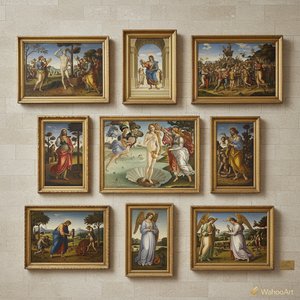
The basilica houses a remarkable assemblage of paintings primarily attributed to Paolo Veronese and Tintoretto – artists who redefined Venetian painting with their dramatic compositions and masterful use of color. These monumental canvases depict biblical scenes and mythological narratives, showcasing the artistic prowess of the era. Dominating the interior is ‘A View of the River Adige at San Giorgio in Braida,’ a captivating veduta capturing the vibrant cityscape of Verona—a testament to Veronese’s ability to convey atmosphere and emotion. The sheer scale and opulent detail of these paintings are breathtaking, reflecting the ambition of their patrons and the fervor of the Renaissance spirit. Alongside Veronese's masterpiece, Tintoretto’s canvases contribute to a rich tapestry of artistic expression, demonstrating his innovative approach to perspective and color.
Architectural Marvel: Michele Sanmicheli’s Venetian Vision
Designed by Michele Sanmicheli, a celebrated architect of his time, San Giorgio’s structure embodies the principles of Venetian Renaissance architecture. Its soaring nave and intricate façade exemplify elegance and grandeur, reflecting the ambition of its builders to create a space worthy of devotion and artistic contemplation. The dome—a crowning achievement—is particularly noteworthy, demonstrating Sanmicheli's mastery of classical proportions and decorative elements. The basilica’s façade stands as a symbol of artistic ambition and architectural excellence, adorned with sculptures that celebrate Saint George and the Virgin Mary.
Historical Significance: From Benedictine Monastery to Pilgrimage Destination
Originally established as a Benedictine monastery in the XIIIth century, San Giorgio in Braida evolved into a focal point for religious life and artistic patronage. Throughout history, it has witnessed significant events shaping Verona’s cultural identity, including papal visits and artistic commissions that cemented its reputation as an important pilgrimage destination. The church endured considerable damage during the devastating earthquake of 1117, necessitating extensive reconstruction efforts. Later, under the Della Scala family rule, San Giorgio experienced periods of both prosperity and decline. However, it was reborn in 1442 with the patronage of Cardinal Cristoforo Pico della Mirandola, who initiated the construction of the current Renaissance structure—a project that continued for decades.
Notable Exhibitions: Celebrating Veronese Painting Techniques
Over the years, San Giorgio in Braida has hosted prestigious exhibitions showcasing masterpieces from across Europe. These events have drawn scholars and art enthusiasts alike, furthering research into Veronese painting techniques and contributing to a deeper understanding of Renaissance artistic traditions. Experts analyzed pigments and brushstrokes, revealing insights into Veronese’s groundbreaking innovations—a testament to the enduring fascination with this iconic artist.
What Sets San Giorgio Apart: A Unique Blend of Art and Landscape
Unlike many other churches in Verona, San Giorgio’s location provides breathtaking panoramic views of the Adige River—a captivating backdrop for appreciating its artworks. This harmonious combination of artistic grandeur and natural beauty distinguishes San Giorgio in Braida as a singular cultural landmark, inviting visitors to contemplate both the sublime artistry of Veronese and Tintoretto and the splendor of the Veronese landscape.