
A Portal into Tuscany’s Multifaceted Past
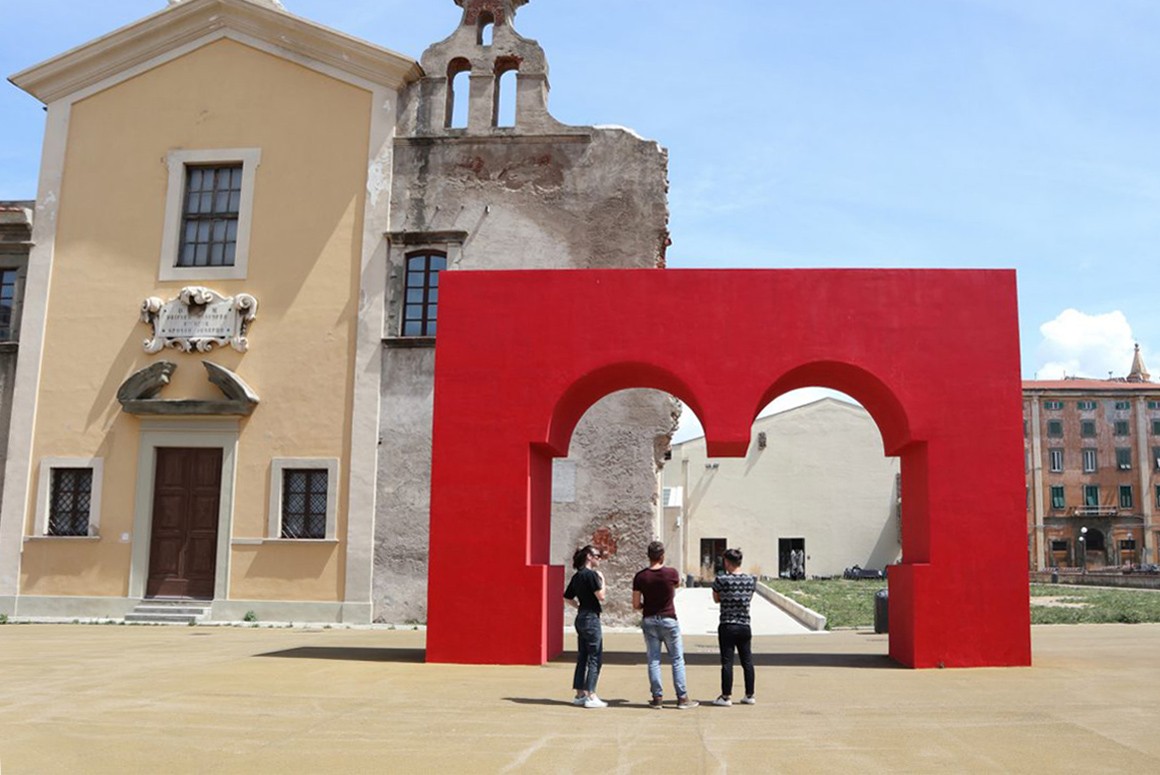
Nestled within the historic heart of Livorno, Piazza della Darsena offers far more than a mere collection of artifacts; it serves as a profound gateway into the layered soul of Tuscany. Housed within the beautifully restored Bottini dell'Olio—magnificent structures that once served as oil storage warehouses in the 17th century—this space presents an extraordinary juxtaposition of architectural grandeur and artistic treasure. To walk through its doors is to step into a space where the industrial maritime legacy of Livorno meets the refined elegance of Renaissance humanism. The very bones of the building, characterized by their Baroque ambition and Enlightenment-era scale, provide a dramatic, atmospheric backdrop that elevates every piece on display, making it an essential destination for those who seek art that is deeply rooted in its physical environment.
The experience within these walls is a sensory journey that extends well beyond the galleries. For the interior designer or the wandering traveler, the museum offers a contemplative atmosphere that can be best complemented by a stroll along the Lungarno Vespucci, where the panoramic vistas of the Tyrr'hrenean Sea provide a breathtaking context to Livorno’s maritime heritage. Through prestigious collaborations with institutions such as the Palazzo Pitti, Piazza della Darsena continues to foster a global dialogue, ensuring that its collection remains a living, breathing entity where history is not merely studied but felt.
A Masterful Tapestry of Time and Civilization
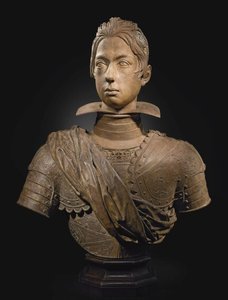
The collection at Piazza della Darsena is a masterful tapestry woven from disparate threads of time and civilization. Visitors are invited to descend into the deep history of the region through remarkable archaeological finds, where remnants of Etruscan, Roman, and Medieval life emerge from beneath the vibrant modern cityscape. This ancient foundation provides a poignant contrast to the later splendor of the Renaissance era. Here, one can lose themselves in a curated selection of paintings and sculptures crafted by masters who once graced the courts of Florence and Siena. The delicate brushstrokes and masterful compositions found within these walls embody the humanist ideals of a golden age, offering collectors and art enthusiasts a rare opportunity to contemplate the evolution of Tuscan aesthetic values through a singular, cohesive narrative.
Beyond the classical beauty of its canvases, Piazza della Darsena captures the spirited, often eccentric, pulse of Italian history. The museum holds significant relics of the 19th-century struggle for unification, most notably the iconic poncho of Giuseppe Garibaldi. This garment stands as a silent, powerful symbol of courage and national identity, anchoring the collection in the political drama that shaped modern Italy. Yet, the institution also embraces the playful side of the artistic spirit; it famously recounts the delightful anecdote of the celebrated sculptor Amedeo Modigliani, who once orchestrated a mischievous prank involving a marble head. This blend of high-stakes history and lighthearted artistic wit is precisely what makes the museum unique, offering an interdisciplinary experience that transcends traditional boundaries.