

Innholdsfortegnelse
Kort om museet
- Works on APS: 2
- Alternate names: Ikonen-Museum Recklinghausen
- Location: Recklinghausen, Deutschland
- Featured artists:
- elias moskos
- Andreas Ritzos
Kunstquiz
Det er kun ett riktig svar på hvert spørsmål.
Spørsmål 1:
Hva er Ikonen-Museet Recklinghausen hovedsakelig fokusert på?
Spørsmål 2:
Hvilken kunstnerisk tradisjon viser museet frem sammen med ikoner?
Spørsmål 3:
Hva skiller Ikonen-Museet Recklinghausen fra andre kunstmuseer?
Spørsmål 4:
Museets pedagogiske programmer inkluderer:
Spørsmål 5:
Hva er atmosfæren til museets bygg designet til å fremme?
Kunstnere i samlingen

elias moskos
Elias Moskos (1552-1615) was a German Mannerist painter known for his portraits, religious scenes & allegorical works. Explore his art and influence on late Renaissance painting.


Andreas Ritzos
Andreas Ritzos (1421-1492) var en sentral gresk ikonmaler fra Kreta-skolen, kjent for sin tradisjonelle maniera greca og innflytelse på El Greco. Utforsk hans Madonna og Barn malerier & arv.
Relaterte artikler
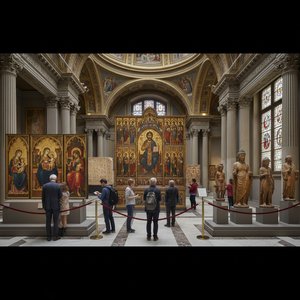
Sacred Narratives Embodied: A Comprehensive Exploration of Religious Iconography in Art History
Explore the rich history of religious iconography in art! Discover symbolism, movements & masterpieces from Byzantine to Renaissance periods. Expert insights for collectors and enthusiasts at OriginalUniqueArt.
The Commanding Presence: Architectural Integration & Proportional Strategies for Monumental Art Reproductions in Luxury Interiors
Discover the art of integrating monumental reproductions into luxury interiors. Expert guidance on spatial harmony, authentic materials & bespoke design for a commanding presence in your home. Elevate your space with OriginalUniqueArt.
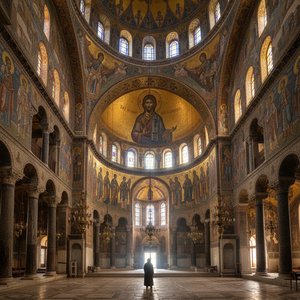
Illuminating Eternity: A Comprehensive Exploration of Byzantine Art's Legacy
Explore the rich history & stunning artistry of the Byzantine Empire! Discover iconic mosaics, profound symbolism, and lasting influence on Western art. A comprehensive guide for history lovers.
Oversikt over kunstverk
Ingen kunstverk ble funnet.


Meld deg på vårt nyhetsbrev
Hold deg oppdatert med de siste kunstnyhetene, eksklusive tilbud og dekorasjonsideer.
Få 3 gratis kunstforslag
Fortell oss om prosjektet ditt, så vil våre kunsteksperter gi deg 3 personlige kunstforslag.
Not Sure Where to Start?
Let Us Curate 3 Options Just for You - Free!